
NEW
Font size
 Worksheets
Earth, Sun & Moon Systems
Total questions: 50
Worksheet time: 3hrs 30mins
Seasonal changes on Earth are primarily caused by the -
Changes in distance between Earth and the Sun
Elliptical shape of Earth’s orbit around the Sun
Tilt of Earth’s axis as Earth revolves around the Sun
Which statement provides the best evidence that Earth revolves around the Sun.
The sun and moon follows an apparent daily path, rising in the east and setting in the west.
The seasons of spring, summer, fall, and winter repeat in a pattern.
Which type of tide occurs during the first and last quarter moon?
Spring Tide
Neap Tide
Vernal High Tide
Vernal Low Tide

What phase comes before this one?
Full moon
First Quarter
Third Quarter
New moon
Which statement provides the best evidence that Earth rotates on an axis.
The sun and moon follows an apparent daily path, rising in the east and setting in the west.
The seasons of spring, summer, fall, and winter repeat in a pattern.
On which of the following two days is the Sun located exactly above the Equator, which receives 12 hours of daylight and 12 hours of darkness?
December 20 and June 21
March 20 and September 22
December 20 and March 20
June 21 and September 22
On the December Solstice, which location below experiences 24 hours of darkness?
The Equator
The North Pole
The South Pole
The greatest difference in daily high and low tides that occur during the full or new moon are called -
Spring Tide
Neap Tide
Vernal High Tide
Vernal Low Tide
Which of the following is the correct order that must be present for a Lunar Eclipse to occur ?
Sun → Moon → Earth
Sun → Earth → Moon
On the June Solstice the Northern Hemisphere is pointed -
Towards the Sun
Away from the Sun

The Earth is tilted approximately _____ degrees on it's axis.
82.4
45.7
23.5
18.3

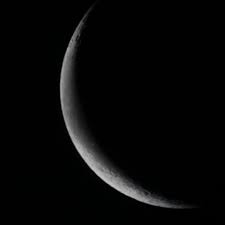
What is the name of this moon phase?
First Quarter
Waning Crescent
Half moon
Last Quarter
On the June Solstice the Southern Hemisphere is pointed -
Towards the Sun
Away from the Sun
Which of the following is the correct order that must be present for a Solar Eclipse to occur ?
Sun → Moon → Earth
Sun → Earth → Moon
On the December Solstice the Southern Hemisphere is pointed -
Towards the Sun
Away from the Sun


Where would the Sun need to be in this diagram to cause these phases of the moon?
At the Bottom
At the Left
At the Top
At The Right
On the December Solstice the Northern Hemisphere is pointed -
Towards the Sun
Away from the Sun

Which moon phase comes after this one?
New moon
Full moon
Waning Gibbous
Third Quarter
Which of the following is the correct order that must be present for a Full Moon to be seen from Earth ?
Sun → Moon → Earth
Sun → Earth → Moon
Which of the following is the correct order that must be present for a New Moon to be seen from Earth ?
Sun → Moon → Earth
Sun → Earth → Moon

The cycle of the moon lasts about ___________.
15 days
7 days
27-28 days
30-31 days
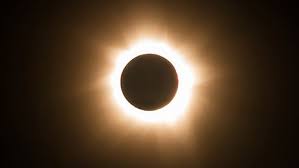


What type of tide would this arrangement of earth-moon-sun create?

Why does a spring tide create much higher tides than normal tidal ranges?
Because the moon and sun are combining their gravitational strength
Because the moon is in its spring position, causing it to create more force
Because it happens during springtime when the water is the lightest
Because this is when the moon grows in size and goes super saiyan


During a summer solstice the America, the southern hemisphere experiences
a vernal equinox
the autmunal equinox
a summer solstice
a winter solstice

Based on the diagram, which season would the northern hemisphere be experiencing?
Winter
Spring
Summer
Fall
Which hemisphere do we live in?
Northern Hemisphere
Southern Hemisphere
Western Hemisphere
Eastern Hemisphere

