
 Worksheets
Properties of matter
Total questions: 35
Worksheet time: 17mins

Melting means:
The mixture of a liquid with a solid such as salt.
When solid changes into liquid.
Complete this sentece: "Matter is anything that ...
the amount of matter in an object".
you can smell".
takes up space and has mass".
changes into liquid".
Water freezing is an example of a.....
Liquid changing to a solid
Solid changing to a gas
Liquid changing to a gas
Mass is the amount of _______ an object takes up.
gas
atom
matter

The diagram below shows a glass containing some ice. The ice in the glass represents what state of matter?
solid
liquid
gas
a pan balance is used to measure
the mass of an object
the volume of an object
the size of the object
the color of the object
Jose wanted to measure how many grams he has of chocolate, what would he use?
graduated cylinder
weight scale
pan balance
ruler
you can separate a mixture
true
false
you can separate a solution
true
false
select all the ways matter can dissolve faster
letting it sit
temperature
surface area
stirring
a chemical change is a ______ change
temporary
permanent
a physical change is a _____ change
temporary
permanent
heat given off, color change, rotting, rust and steam/smoke/burning, cooking and baking are clues of a
chemical change
physical change
objective change
no change
a hair cut, melting and freezing, crumbled paper are examples of a
property change
no change
chemical change
physical change
what change happens in appearance only?
physical
chemical
a graduated cylinder is used to measure
mass
grams
volume
volume is measured in
mL/L
grams
inches
volume measures _____, where grams measures _____
weight, liquids
liquid, solids
solids, liquids
glue, sticks
how do you measure water displacement?
by pouring sand into the graduated cylinder and measuring it
by pouring water on a pan balance
by putting an object in a graduated cylinder and seeing how much volume it takes up
by filling up the water in a graduated cylinder and then dumping it
which is a pan balance?
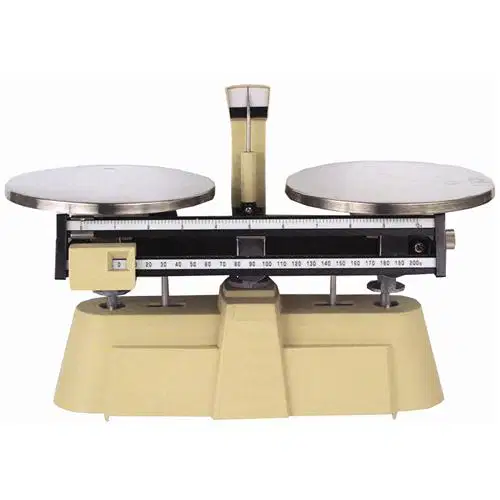


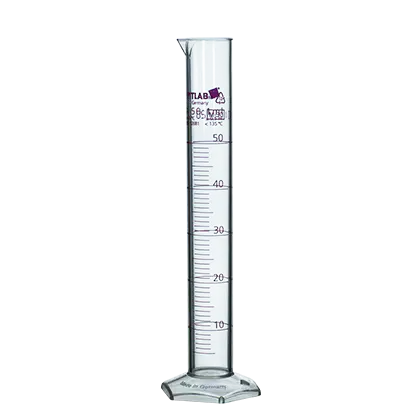
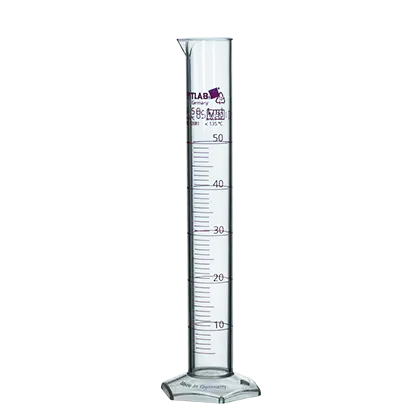
what is this?
cup
graduated cylinder
pan balance
measuring stick
if the water is room temperature, what would happen
it would spill
it would fill the container
it would form the shape of the container
water does not move shapes it is a solid
Solubility means one substance is able to dissolve into another substance
true
false
Which statement is true?
A chemical change can be reversed
A physical change cannot be reversed
Physical changes create a new substance
Chemical changes create a new substance



