
 Worksheets
CC Synoptic Yr 10
Total questions: 101
Worksheet time: 1hrs 15mins
What happens when a calcium atom forms an ion with a 2+ charge?
The atom gains two protons
The atom loses two electrons
The atom gains two electrons
What kind of ions are usually formed by metals?
Positive ions (Cations)
Negative ions (Anions)
Positive or negative ions
Which of the following atomic structures represents a positive ion?
9 protons,10 neutrons, 10 electrons
12 protons, 14 neutrons, 12 electrons
12 protons, 12 neutrons, 10 electrons
What happens when sodium and chlorine atoms form sodium chloride?
An electron transfers from each sodium atom to each chlorine atom
An electron transfers from each chlorine atom to each sodium atom
Sodium and chlorine atoms share electrons
What is the electronic configuration of the fluoride ion (charge = 1-) made from a fluorine atom with an atomic number of 9 and a mass number of 19?
2.8.8.2
2.6
2.8
Why do ionic compounds usually have high melting points?
The ions are arranged in a very regular pattern
The electrostatic forces between the ions are very strong
The ions are very heavy
When does magnesium chloride conduct electricity?
Only when solid
Only when molten or dissolved in water
When solid and when dissolved in water
What kind of structure is formed in solid potassium chloride?
Large molecules
Giant ionic lattice
Groups of two ions in pairs
What will be the formula of an ionic compound formed from calcium and oxygen?
CaO
CaO2
Ca2O
Which of the following compounds contains three elements (metal, nonmetal and oxygen)?
Sodium chloride
Sodium oxide
Sodium chlorate
How is a covalent bond formed?
By sharing pairs of electrons between two atoms
By transferring electrons to form oppositely charged ions
By delocalising outer electrons in a lattice of positive ions
What combination of elements will form covalent bonds?
Metal atom and another metal atom
Metals atom and non-metal atom
Non-metal atom and another non-metal atom

What does this diagram of hydrogen chloride show about the bond being formed?
The atoms share all eight electrons, one from the hydrogen atom and seven from the chlorine atom
The bond is formed by sharing a pair of electrons, one from the hydrogen atom and one from the chlorine atom
An electron is transferred from the hydrogen atom onto the chlorine atom to form ions
How many covalent bonds will phosphorous (in group 5) usually form?
3
5
1
Which of the following have molecules which are held together by three covalent bonds?
Water - H2O
Carbon dioxide - CO2
Ammonia - NH3
How many atoms are in a molecule of methane?
2
4
5
How many shared pairs of electrons are there in a water molecule, formula H2O?
2
1
3
Which statement about simple covalent molecules is correct?
Strong bonds between atoms in molecules, but weak forces between molecules
Weak bonds between atoms in molecules, and weak forces between molecules
Weak bonds between atoms in molecules, but strong forces between molecules
Which is a typical property of covalent substances made from small molecules?
High melting points
Do not conduct electricity
Mostly hard solids
What force is overcome when covalent molecular substances melt or boil?
Intermolecular forces
Covalent bonds in molecules
Electrostatic forces between ions
Which of the following has a giant covalent structure?
Carbon dioxide
Magnesium oxide
Silicon dioxide

What structure is shown in the diagram?
Diamond
Graphene
Graphite
Why does silicon dioxide have such a high melting point?
Because the silicon and oxygen atoms are held by strong intermolecular forces
Because the silicon and oxygen atoms are held by many strong covalent bonds
Because there are weak electrostatic forces between the silicon and oxygen atoms
Why is graphite useful for pencil leads?
It is hard with a high melting point due to each carbon having 3 strong covalent bonds
It is black and slippery due to weak intermolecular forces between layers
It is shiny and melts easily due to weak intermolecular forces between layers of molecules

What type of structure do both diamond and graphite have?
A giant covalent structure
A giant ionic lattice structure
A simple molecular structure
Why is diamond used to coat metal drill bits?
It is a good conductor of electricity
It is very hard with a high melting point
It is slippery and cheap
Which of these is a covalent molecular structure?


Why does graphite conduct electricity?
It has delocalised electrons
It has a giant covalent structure
It forms a tetrahedral arrangement
Which of the following could have a molecular formula of C60?
Graphite
Fullerene
Diamond
Approximately how many carbon atoms might be linked together in a polymer molecule?
Five
Fifty
Five thousand
Which set of three properties do most metals show?
Hard, malleable, low melting point
Hard, malleable, high melting point
Soft, malleable, high melting point
What property of copper makes it suitable for electrical wiring?
It is shiny
It has a high density
It is a good conductor of electricity
What happens to the outer electrons in metallic structures?
They are shared between atoms
They are transferred between atoms
They are delocalised
Why can metals be beaten and bent into different shapes?
Because the bonding between metal atoms is strong and cannot break
Because the layers of metal atoms can slide over each other
Because the outer electrons in metals are free to move about the structure
Which type of bonding and structure has billions of non-metal atoms held together, in a regular structure, by sharing electrons between atoms?
Covalent molecular structure
Giant ionic lattice structure
Giant covalent structure
What is an ionic bond?
A force of attraction between positive ions
A force of attraction between negative ions
A force of attraction between oppositely charged ions

What do dot and cross diagrams, like the one shown below, help explain about a compound?
How the electrons are shared to form the bonds
The shape of the molecules formed
The forces of attraction that hold the molecules together

What does the 2D model of the sodium chloride lattice, shown below, help explain about the bonding and structure in sodium chloride?
How the ions are formed by the loss and gain of electrons
How the oppositely charged ions attract each other to form a regular pattern
Why sodium chloride conducts electricity when molten or dissolved

Where are the metals found in the periodic table?
On the left and in the middle
On the right
Scattered all over
What kind of bonding is in iron?
Metallic
Ionic
Covalent


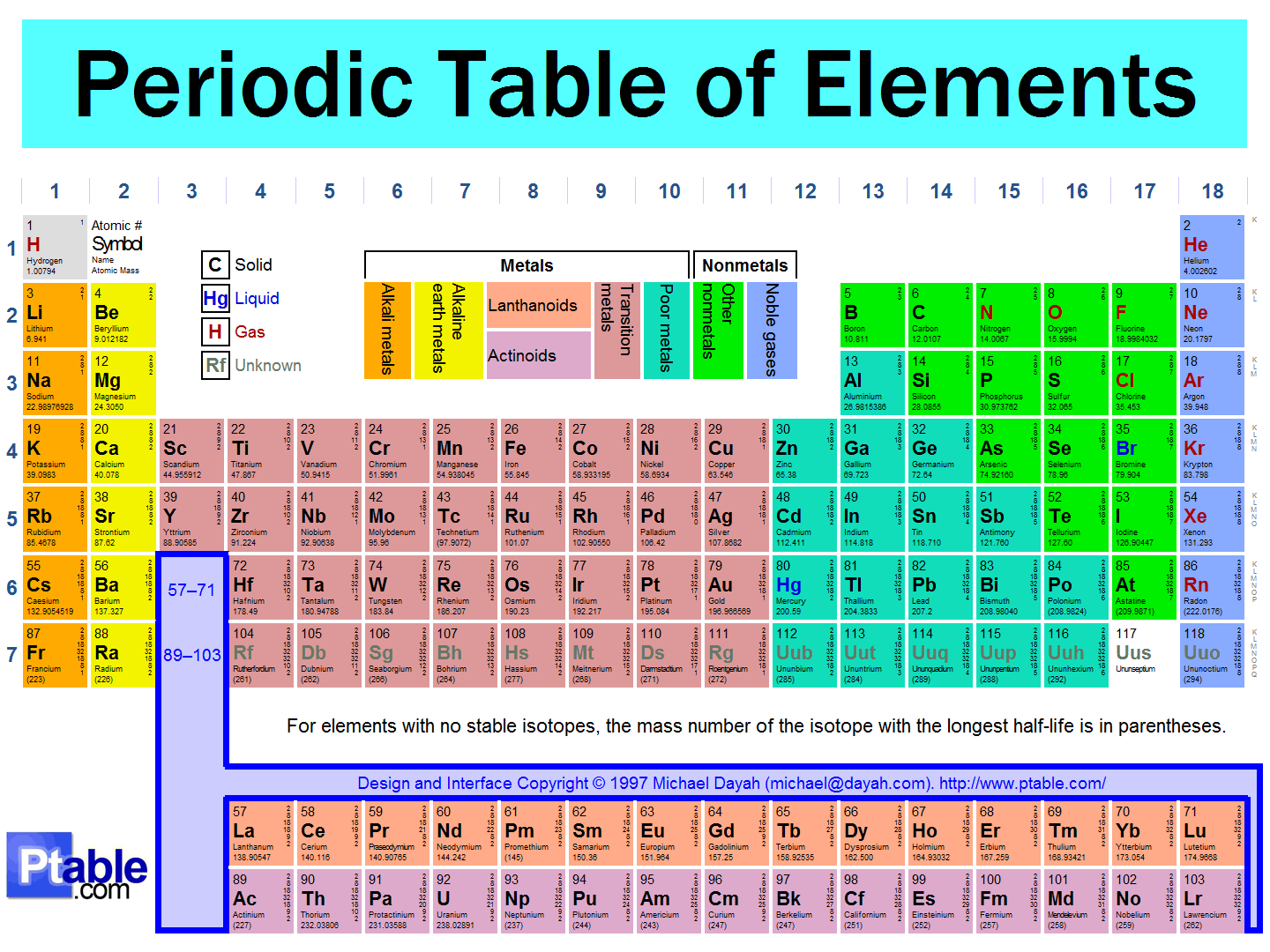


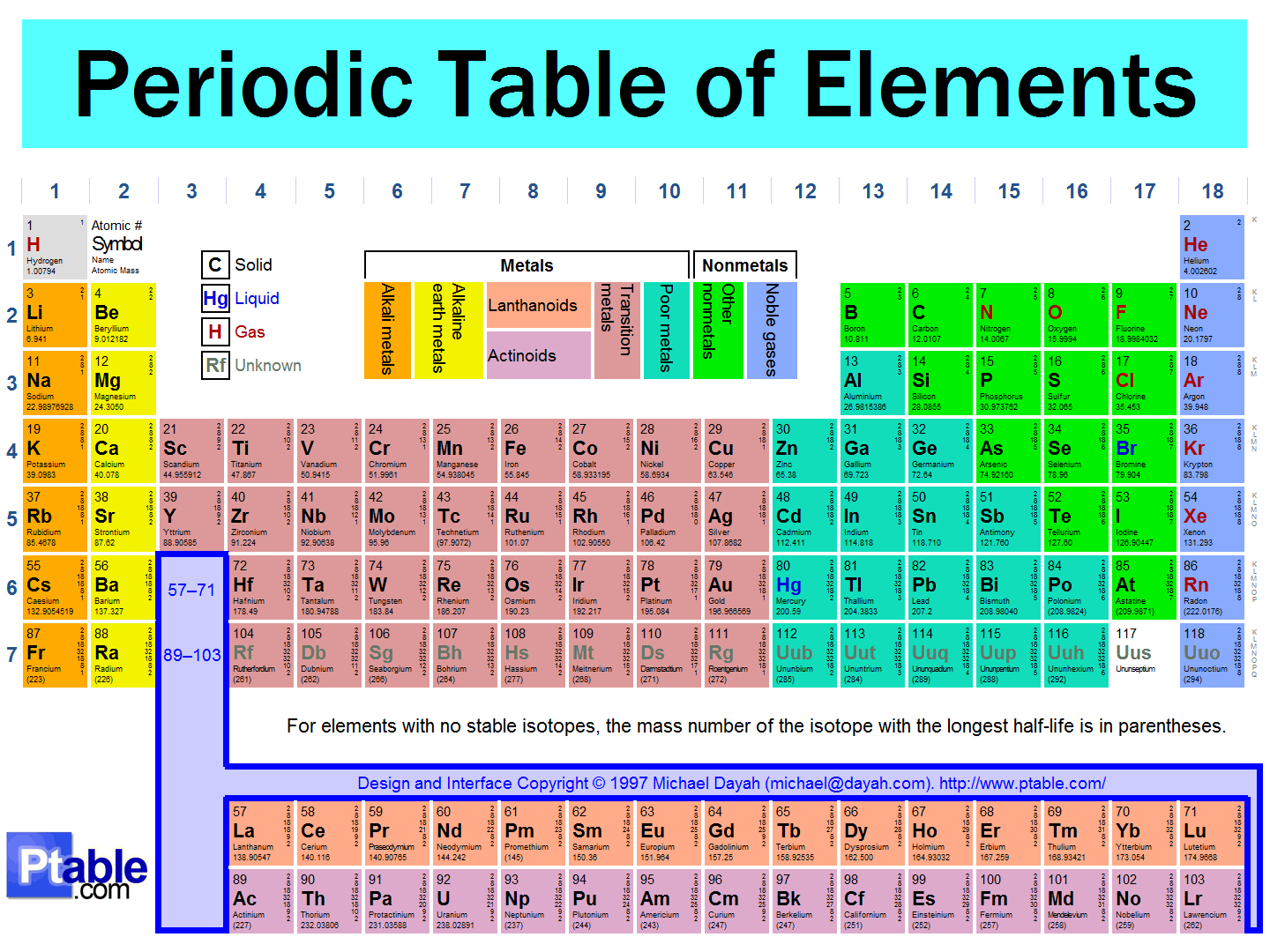

Vertical columns of elements (these are also known as a "family") - they also have the same number of valence electrons and are known as ________________.
groups
periods
quadrants
rows
Most noble gases have _______ valence electrons.
1
2
7
8


The separation technique that involves heating a solution until the liquid changes into a gaseous state, leaving behind a solid is known as
decanting
evaporation
loading
chromatography

Which one of the following methods is used to separate the colors in food dyes?
winnowing
Threshing
Crystallization
chromatography


The substance that does the dissolving
Solute
Solvent
Solution
Miscibility
The substance getting dissolved
Solvent
Solute
Solution
Mixture

This is an example of a
Solution
Mixture
Which process would you use to separate solid particles from larger particles in a mixture with filter paper in a funnel to trap solids so that the liquids will pass through.
Chromatography
Magnetic Attraction
Filtration
Floatation
Sifting
Which process would you use to separate solid particles from larger particles in a mixture with filter paper in a funnel to trap solids so that the liquids will pass through.
Chromatography
Magnetic Attraction
Filtration
Floatation
Sifting
Which process would you use to separate solids that float from the remaining solids and other items that remain in a liquid mixture. The solids float to the top on their own or when stirred, and are then skimmed off the surface of the liquid.
Evaporation
Magnetic Attraction
Filtration
Floatation
Sifting
Which process would you use to separate smaller solid particles from larger solid particles. A mixture of different sized solids is put into a container that has a screen material at the bottom with certain sized holes in it. The smaller particles go through the screen and the larger ones do not.
Evaporation
Magnetic Attraction
Filtration
Floatation
Sifting
Which is an example of a mixture?
a salad
an orange
sand
nuts
Which is an example of a solution?
trail mix
cereal with milk and banannas
a bag of candy
tea



