
 Worksheets
Unit 6 Consequences of Industrialization Part 1 Quizzer
Total questions: 40
Worksheet time: 23mins
Why did cities grow larger in Europe and the US during the Industrial Revolution? People moved from rural areas to _____ areas to work in factories.
Rural
Urban
Cities
Enclosure

The economic system that prevailed from c. 1750-1900 was
Capitalism
Communism
Socialism
Mercantilism

What caused the Taiping and Boxer rebellions?
Foreign economic involvement in China
British selling opium to China
Indians refusing to touch the gunpowder pouches
Americans moving into West North America

What was Japan's response to foreign interference in the nineteenth century?
Adapt to Western politics and culture (Meiji Restoration)
Isolate themselves further by resisting and fighting
Became allies with the Chinese to become the dominant power in the region
Adapt to the ideas of the islanders and tribal people to resist

Which was a state regulation of immigration during the nineteenth century?
Chinese Exclusion Acts
Congo Free State
White New Zealand Policy
Jim Crow Laws

Select all of the accurate pairings of imperialism in Southeast Asia.
Netherlands: Dutch East Indies
France: Indochina
Great Britain: Philippines
United States: Malaya
During the Boer Wars against the Dutch-speaking Afrikaners, the British were known for using
Concentration Camps
Weapons of mass destruction
British colonists to fight
the Cape Colony in the southern tip of Africa

Which of the following resulted in colonies due to the Age of Imperialism?
A sense of independent nationalism
Planned invasions of European powers
Women's suffrage
A hesitation to industrialize

Why, in the time period c. 1750-1900, did European states fight to acquire overseas colonies?
To acquire raw materials to fuel their industrialization
To spread Enlightenment ideas
To abolish slavery worldwide
To stop the spread of Islam throughout the world

Which company took over other European states colonies in India?
British East India Company
British West India Company
Dutch East India Company
French East India Company

How were people able to migrate cheaper and faster?
New more affordable methods of transportation
Horses became more affordable for the common people
The elite paid for the lower class to migrate out of their country
Free trade policies made people wealthy in the countries

Why did European powers divide Africa by diplomatic agreements between each other?
Fear of going to war because of fierce competition
Rapid population increase in European colonies in Asia
Atlantic revolutions lead Europeans states to seek new troops
Creation of transnational business fostered exchange of raw materials
The first full-blooded native president in the Americas was
Tupac Amaru II
Mohandas Gandhi
Arduke Maximilian
Benito Juarez
Tupac Amaru II was a cacique which is better known for a leading a rebellion in what countries? (Multiple answers)
Peru
North America
Bolivia
Argentina
Ghost Dance developed around 1869 out of the belief by the Paiute Indians and Sioux Indians that...
Ghost dance would bring the dead back to drive out the whites
Ghost dance would increase the awareness and tolerance towards ghost culture
Ghost dance would strengthen the bonds among natives
Ghost dance would be a way to assert their culture and resist Americanization efforts
The rivalry between Great Britain and Russia for the domiannce of Central Asia and Afghanistan is known as
Great Game
Moldovan Special
the Competition
The Colonizing
India's main export was...
Indian food
Curry
Cotton
Silk
Cecil Rhodes, founder of De Beers Diamonds, got his diamonds from what place?
South Africa
India
Australia
New Zealand
An export economy is one that relies on
exporting raw materials
increasing demand for coal
slave labor
cotton
Monocultures refers to what?
Lack of religious diversity
Only one culture
Lack of agricultural diversity
damaged croplands
Which was a state regulation of immigration during the nineteenth century?
Chinese Exclusion Acts
Congo Free State
White New Zealand Policy
Jim Crow Laws
Which is a benefit of industrialization?
pollution
goods become more expensive and scarce
Airplanes improve the transportation of goods and people
Creation of more jobs
Which of the following defines capitalism?
economic system in which people put money or capital into a private business to make a profit in a free market
a person who seeks to promote the welfare of others, especially by the generous donation of money to good causes.
economic system in which each privately owned business decides what to produce, how much to produce and how much to charge
the process of setting up a business to make a profit
A share of ownership in a corporation is known as...
laissez faire
stock
mass production
patents
Which nation was the first to industrialize?
Britain
France
Germany
Japan
The 1st Industrial Revolution focused on factories and steam power. The 2nd Industrial Revolution focused on all of the following except:
Oil
Electricity
The steam engine
Steel
After Britain industrialized, all of these nations followed suit, except:
Japan
America
Russia
India
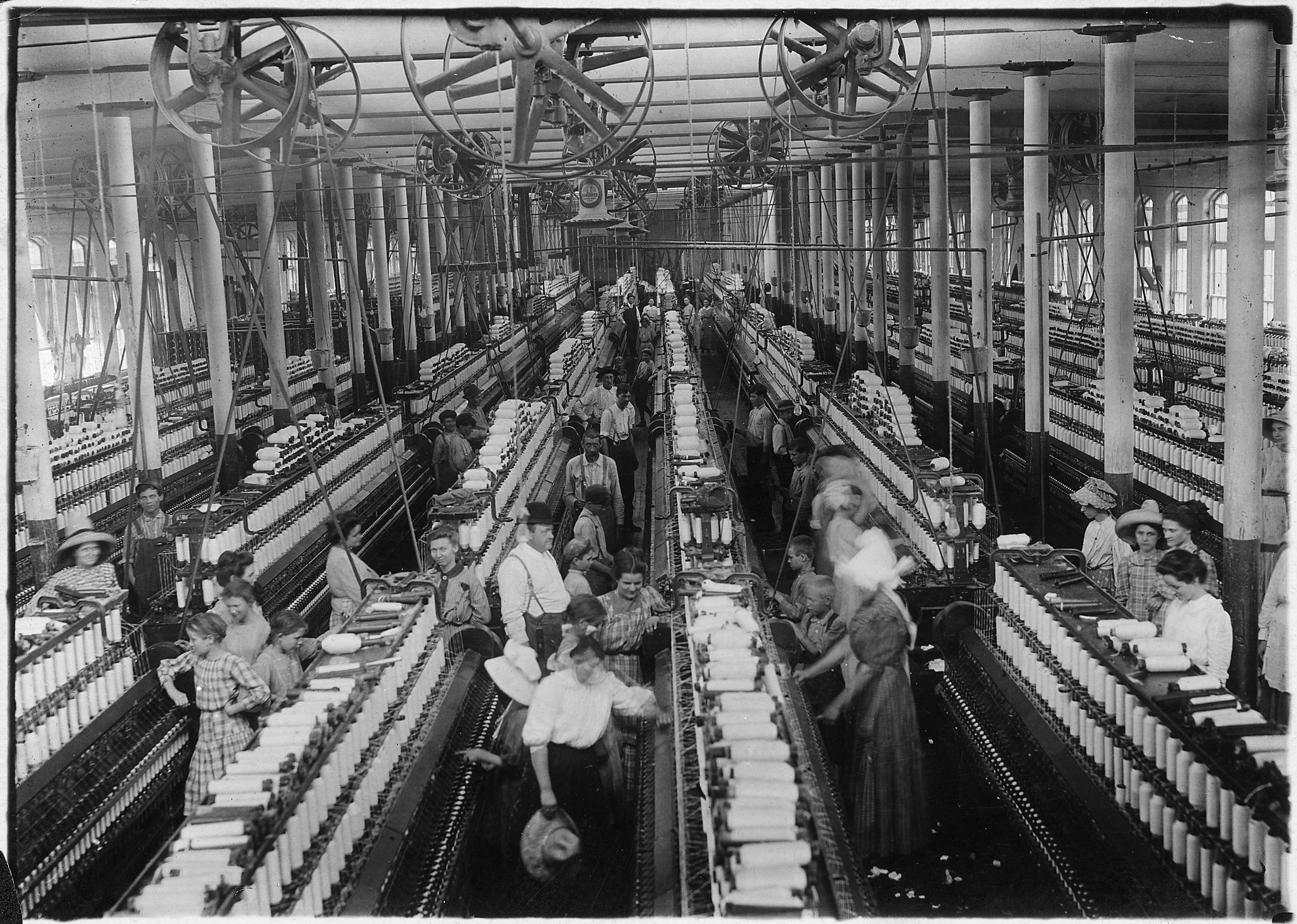
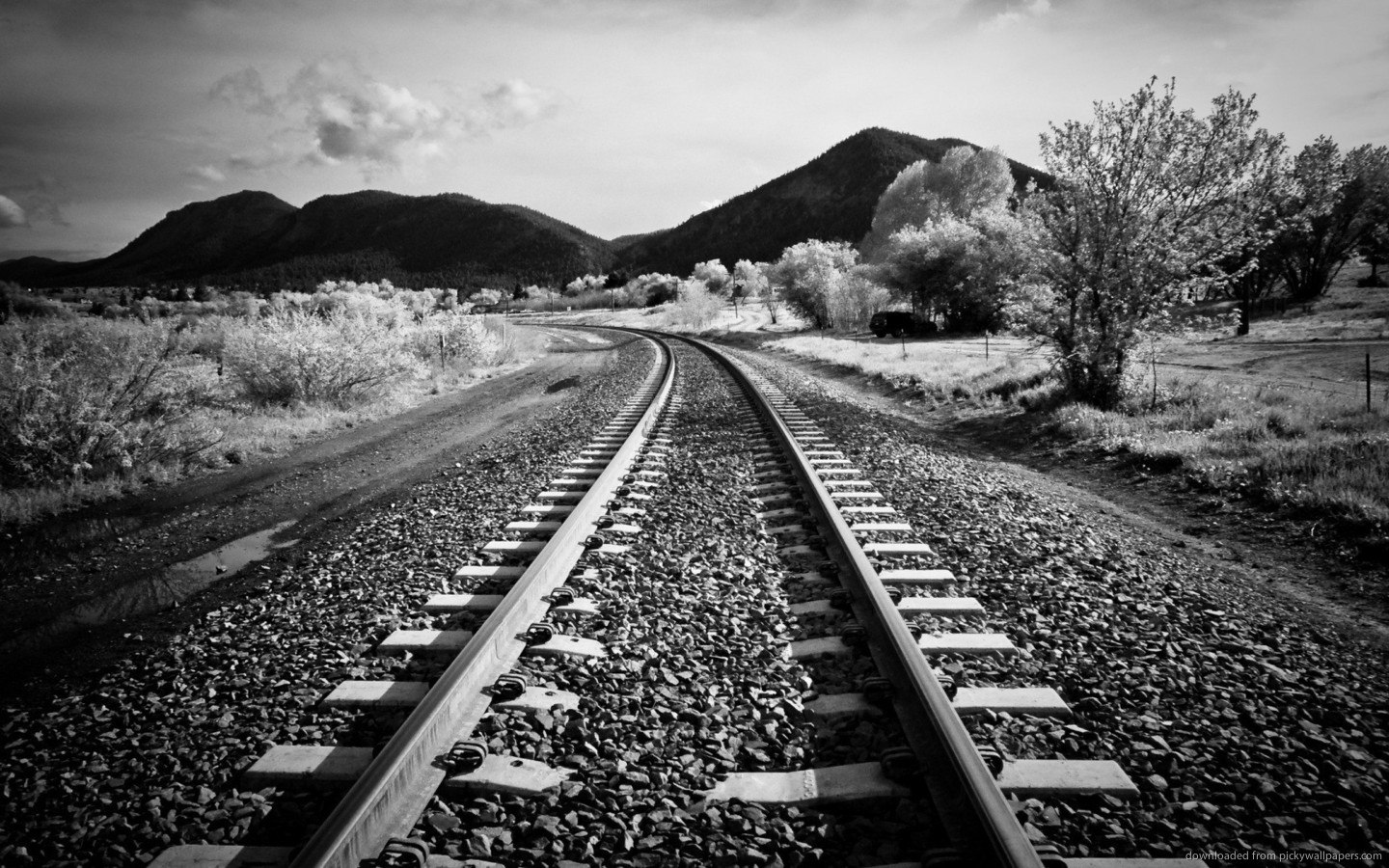

What is this a picture of?
Textile Mill
Steel Mill
Train Station

China and Britain fought a war over:
the Korean peninsula
conquests along the Nile River
opium production and distribution
the elimination of the samurai
The "White Man's Burden" means that Europeans felt they need to bring what to the rest of the word? (Pick 2)
Civilization
Christianity
English
Money
The Berlin Conference split up ________ among European nations.
Africa
Asia
Australia
South America

