
 Worksheets
Unit 7 Air Pollution
Total questions: 249
Worksheet time: 2hrs 5mins
The 3 main anthropogenic sources of gaseous air pollutants in the US are
soil erosion, volcanoes, and forest fires
transportation, soil erosion, and energy production
industry, transportation, and energy production
industry, transportation and agriculture
This molecule prevents UV radiation from getting to the troposphere
stratospheric ozone
tropospheric ozone
Calcium Carbonate
CFC
a secondary pollutant
forms in the stratosphere
is transformed by sunlight, water, or other elements in the atmosphere
cannot be directly tracked to its source
forms primarily from incomplete combustion
Which is a source of sulfur dioxide found in nature?
forest fires
lightning
plant emissions
volcano

I nitrogen dioxide
II sulfur dioxide
III VOC's
Thermal inversions
increase the rate of smog formation
trap high concentrations of pollution at ground level
result in increased levels of acid deposition
reduce the negative effects of VOC's
Acid deposition forms as a result of
nitrogen oxides and photochemical smog
carbon monoxide and VOC's
sulfur dioxide and VOC's
nitrogen oxides and sulfur dioxides
The effects of acid deposition include
increased cancer rates in aquatic organisms
increased pH of lake water
decreased mobilization of metals
decreased aquatic biodiversity
Which method is used to reduce the nitrogen oxide emissions
installation of catalytic converters
increased temperature of combustion
the use of calcium carbonate to absorb the emissions
the use of fluidized bed combustion
Which is NOT used to prevent the emission of particulate matter?
gravitational settling
fabric filters
electrostatic precipitators
catalytic converters
Which outdoor air pollutant is also a significant indoor air pollutant?
sulfur dioxide
carbon monoxide
ozone
lead
CO2 and other pollutants are usually measured in units of
pH
percent
decibels
parts per million
During thermal inversion, ______________ air is surrounded by _____________ air on top & bottom.
warm; cooler
cool; warmer
warm; denser
cool; denser
What can you predict about indoor air pollution in India and Sub-Saharan Africa?
Homes have more efficient insulation and increased ventilation decreasing indoor air pollution
Use of biomass fuel sources such as wood and charcoal for cooking increases indoor air pollution
Industrial power plants burning fossil fuels for electrical energy generation decreases indoor air pollution
Use of chemical pesticides on croplands increases indoor air pollution
What is a geologic source of CO2?
Respiration
Decomposition
Volcanoes
Photosynthesis
Which is NOT a criteria air pollutant?
Sulfur dioxide
lead
carbon dioxide
particulate matter
Smoke from forest fires is most likely to affect air quality over larger areas for many days when
smog is produced due to chemical reactions in the atmosphere
a persistent atmospheric inversion exists in the region
it emits primary pollutants
it emits secondary pollutants
The Clean Air Act- regulates vehicle emissions.
true
false
Used on factory stacks to remove sulfur gases and particulate matter.
Filters
Emission reducers
Scrubbers
Filter Strips
A type of pollution found both indoors and outdoors, which includes pollen, dander, soot, carbon, and dust.
Water droplets
Allergens
Particulate matter
Combustibles

Which of the following are examples of VOC's ? (Select 3)
paint and paint thinners
gasoline
water vapor
formaldehyde
smog
Which of the following is NOT a primary pollutant?
nitric oxides
smog
sulfur dioxide
volatile organic compounds
Which of the following government agencies is responsible for the Clean Air Act?
the USGS
the USDA
the EPA
the USDOJ
Which of the following practices would act to reduce vehicular generated air pollution in urban areas?
I. Establish “No Idling” zones where vehicles park or wait
II. Require Enhanced Auto Emission Inspections
III. Retrofit gasoline pumps with sleeves to collect VOC’s
I only
II only
II and III only
I and III only
I, II, and III
In order to reduce the amount of ground-level pollutants (e.g. VOCs, NOX, CO and tropospheric ozone), some municipalities around the globe have instituted all of the following EXCEPT,
installing scrubbers on automobiles
permitting automobiles to be driven only every other day
expanding public transportation networks
carpool/high occupancy vehicle (HOV) lanes on interstates
charging user fees to use certain roads at certain times
Which harmful substance was once commonly used as insulation?
Asbestos
Mercury
Lead
Radon
Ozone
The 3 main anthropogenic sources of gaseous air pollutants in the US are
soil erosion, volcanoes, and forest fires
transportation, soil erosion, and energy production
industry, transportation, and energy production
industry, transportation and agriculture
Which is a source of sulfur dioxide found in nature?
forest fires
lightning
plant emissions
volcano
Acid deposition forms as a result of
nitrogen oxides and photochemical smog
carbon monoxide and VOC's
sulfur dioxide and VOC's
nitrogen oxides and sulfur dioxides
Which method is used to reduce the nitrogen oxide emissions
installation of catalytic converters
increased temperature of combustion
the use of calcium carbonate to absorb the emissions
the use of fluidized bed combustion
Which below is a source of particulate matter?
burning wood
dust from gravel roads
volcanoes
forest fires
all of these are sources of particulate matter

Photochemical smog results from a reaction between
nitrogen, oxygen and sunlight
nitrogen, carbon and sunlight
oxygen, water and lead
sunlight, sulfur and carbon
carbon, hydrogen, and methane

Volcanic eruptions can be sources of air pollution
True
False
Health effects: brain and nervous system damage esp. in children. some digestive system damage
Environmental effects: Can harm wildlife
Source: burning of fossil fuels, cars are a major source
Health effects: lung damage, respiratory system illnesses
Environmental effects: an ingredient of acid precipitation
health effects: breathing problems, lung damage
environmental effects: ingredient in acid rain
Source: are released from burning fuel (fossil fuels or biomass), solvents, paints glues and other commonly used products. They include benzene, methane, formaldehyde and others
Health effects: In addition to smog (ozone) effects, some are carcinogenic
Environmental effects: affects some plants directly in addition to smog effects
Health effects: nose and throat irritation, lung damage, bronchitis
Environmental effects: the main cause of haze that redues visibility
Colorless, odorless gas that is emitted from burning fossil fuels. Can replace oxygen in the bloodstream and cause death.
Lead
Sulfur Dioxide SO2
Carbon monoxide CO
Carbon dioxide CO2
Implicated in human neurological damage
Sulfur dioxide
Lead
Ozone
Hydrocarbons
Particulates
Is the major pollutant that electrostatic precipitators are designed to remove from power-plant smokestack emissions
Sulfur dioxide
Lead
Ozone
Hydrocarbons
Particulates
Colorless, odorless gas that is a naturally occurring decay product of uranium
asbestos
radon
lead
carbon monoxide
formaldehyde
Which of the following is the human health impact most closely associated with atmospheric particulates?
Cataracts
Diabetes
Melanoma
Asthma
Obesity
The majority of atmospheric mercury is produced by
medical waste incinerators
volatilization of lead-based paint
coal-burning power plants
runoff from thermometer factories
municipal waste incinerators
Has been implicated as the cause of as much as 15 percent of lung cancer cases
carbon dioxide
carbon monoxide
methane
radon
sulfur dioxide
Catalytic converters reduce which of the following pairs of pollutants in car exhaust?
Carbon dioxide and ozone
Carbon monoxide and hydrocarbons
Carbon dioxide and particulates
Lead and mercury
Methane and particulates
Is primarily responsible for acid rain in the northeast United States
uranium-238
coal
natural gas
oil
solar
a secondary pollutant
forms in the stratosphere
is transformed by sunlight, water, or other elements in the atmosphere
cannot be directly tracked to its source
forms primarily from incomplete combustion
Acid deposition forms as a result of
nitrogen oxides and photochemical smog
carbon monoxide and VOC's
sulfur dioxide and VOC's
nitrogen oxides and sulfur dioxides
The effects of acid deposition include
increased cancer rates in aquatic organisms
increased pH of lake water
decreased mobilization of metals
decreased aquatic biodiversity
The Clean Air Act- regulates vehicle emissions.
true
false
A type of pollution found both indoors and outdoors, which includes pollen, dander, soot, carbon, and dust.
Water droplets
Allergens
Particulate matter
Combustibles
This secondary pollutant forms from NOx + VOCs + sunlight
Ozone
Acid precipitation
CFCs
Carbon monoxide
What size of particulate matter (PM) pollution is the most harmful to humans
2.5 micrometers
5 micrometers
10 micrometers
100 micrometers
Which pollution control measure is used to reduce particulate matter (PM) emissions from power plants/factories?
Catalytic converter
Fluidized bed combustion
Vapor recovery nozzle
Electrostatic precipitator
health effects: breathing problems, lung damage
environmental effects: ingredient in acid rain
Source: Chemical reaction of VOCs and NOx
Health effects: breathing problems, reduced lung capacity, asthma, eye irritation, reduced resistance to disease
Environmental effects: can damage plants
"Criteria Air Pollutants" were established by the _________________________________.
Environmental Protection Agency (EPA)
Department of the Interior (DI)
Center for Disease Control (CDC)
United Nations (UN)

The bottom image represents a _____________.
rain shadow effect
thermal inversion
Coriolis Effect
ozone layer
What effect do temperature inversions have?
traps heat and raises the temperature beneath it
traps cold air and lowers the temperature beneath it
traps emissions and can accumulate beneath it
traps the ozone layer
What is the main source of smog for Los Angeles?
car emissions
factory emissions
What is the source of nitrogen oxides?
Animal and plant processes
Volcanic eruptions and fires
Solvents, glues and paint
Incomplete combustion of gas or diesel fuels in vehicles.
Catalytic converters reduce which of the following pairs of pollutants in car exhaust?
Carbon dioxide and ozone
Carbon monoxide and hydrocarbons
Carbon dioxide and particulates
Lead and mercury
Methane and particulates
What are the causes of sick building syndrome?
Play video games too much
Inadequate ventilation, either through building design or failures in the ventilation system itself, and chemical contamination from indoor sources
VOCs in adhesives, upholstery, carpeting, pesticides, cleaning agents, and other building materials
B & C is the correct answer
SULFUROUS SMOG
SMOG DOMINATED BY OXIDANTS SUCH AS OONE
SMOG DOMINATED BY SULFUR DIXIDE AND SULFATE COMPOUNDS
SOLID OR LIQUID PARTICLES SUSPENDED IN TEH AIR
REDUCED VISIBILITY
Which type of electricity-generating power plant releases radioactive materials as well as toxic metals such as lead and arsenic under normal operating conditions?
Nuclear
Hydroelectric
Solar
Coal-burning
Geothermal
Is a flammable gas produced by landfills
carbon dioxide
carbon monoxide
methane
radon
sulfur dioxide
Is an important precursor to acid rain
carbon dioxide
carbon monoxide
methane
radon
sulfur dioxide
Currently proven global reserves are expected to be largely exhausted within the next 50 years.
uranium-238
coal
natural gas
oil
solar
Is renewable
uranium-238
coal
natural gas
oil
solar
Occurs naturally in bedrock and leads to the formation of radon
uranium-238
coal
natural gas
oil
solar
During thermal inversion, ______________ air is surrounded by _____________ air.
warm; cooler
cool; warmer
warm; denser
cool; denser
Which is NOT a criteria air pollutant?
Sulfur dioxide
lead
carbon dioxide
particulate matter
Smoke from forest fires is most likely to affect air quality over larger areas for many days when
smog is produced due to chemical reactions in the atmosphere
a persistent atmospheric inversion exists in the region
it emits primary pollutants
it emits secondary pollutants
Which below is a source of particulate matter?
burning wood
dust from gravel roads
volcanoes
forest fires
all of these are sources of particulate matter
Photochemical smog results from a reaction between
nitrogen, oxygen and sunlight
nitrogen, carbon and sunlight
oxygen, water and lead
sunlight, sulfur and carbon
carbon, hydrogen, and methane
Volcanic eruptions can be sources of air pollution
True
False
Which one is not a cause of noise pollution?


Health effects: brain and nervous system damage esp. in children. some digestive system damage
Environmental effects: Can harm wildlife
Source: burning of fossil fuels, cars are a major source
Health effects: lung damage, respiratory system illnesses
Environmental effects: an ingredient of acid precipitation
health effects: breathing problems, lung damage
environmental effects: ingredient in acid rain
Source: are released from burning fuel (fossil fuels or biomass), solvents, paints glues and other commonly used products. They include benzene, methane, formaldehyde and others
Health effects: In addition to smog (ozone) effects, some are carcinogenic
Environmental effects: affects some plants directly in addition to smog effects
Health effects: nose and throat irritation, lung damage, bronchitis
Environmental effects: the main cause of haze that redues visibility
Colorless, odorless gas that is emitted from burning fossil fuels. Can replace oxygen in the bloodstream and cause death.
Lead
Sulfur Dioxide SO2
Carbon monoxide CO
Carbon dioxide CO2
Concentration of nitrogen in the atmosphere
21%
55%
78%
95%
SO2 & NOx combine with water in the atmosphere to form this secondary pollutant
Acid precipitation
Carbon monoxide (CO)
Ozone ( O3 )
CFCs
This secondary pollutant forms from NOx + VOCs + sunlight
Ozone
Acid precipitation
CFCs
Carbon monoxide
This toxic heavy metal was found in paints and gasoline in the U.S. until 1976
Lead
Mercury
CFC
VOC
Sources of this pollutant are dust stirred up by vehicles, construction, agriculture, and burning biomass
Asbestos
Lead
Particulate matter
VOCs
Acid deposition (i.e. acid rain) and ozone BOTH form in part from this primary pollutant
Carbon monoxide (CO)
Carbon dioxide (CO2)
CFCs
Nitrous oxides (NOx)
This colorless, odorless gas comes from the incomplete combustion of fossil fuels and biomass
Sulfur dioxide (SO2)
Carbon monoxide (CO)
Radon-222
Formaldhyde
Some pollutants are called "secondary pollutants" because...
they aren't as bad
they form from reaction in the atmosphere
they were discovered later
they are less harmful
Poor air quality is especially harmful for...
Pets
Airline pilots
Children & elderly
Birds
What size of particulate matter (PM) pollution is the most harmful to humans
2.5 micrometers
5 micrometers
10 micrometers
100 micrometers
Where in the atmosphere is the protective ozone layer?
Troposphere
Stratosphere
Mesosphere
Ozosphere
Where in the atmosphere is the ozone considered a pollutant?
Troposphere
Stratosphere
Mesosphere
Ozosphere
Which primary pollutants are responsible for creating photochemical smog?
NOx & VOCs
SO2 & NOx
O3 & CFCs
VOCs & CO
A decrease in the production and use of CFCs has...
decreased ozone pollution
increased the ozone hole
decreased the ozone hole
increased ozone pollution

Which air pollutants would be given off by the products shown in this picture?
Thermal pollution
Thermal revision
Thermal inversion
Thermal interpretation
The ozone hole leads to climate change ("global warming")
True
False
Which pollution control measure is used to control pollution in car exhaust?
Scrubber
Vapor recovery nozzle
Catalytic converter
Electrostatic precipitator
Which energy source is the main source of sulfur dioxide (SO2) pollution?
Nuclear power
Coal
Oil
Natural Gas
Which pollution control measure is used to reduce particulate matter (PM) emissions from power plants/factories?
Catalytic converter
Fluidized bed combustion
Vapor recovery nozzle
Electrostatic precipitator
Which of the following is NOT one of the "criteria air pollutants"?
Carbon monoxide (CO)
Carbon dioxide (CO2)
Lead (Pb)
Ozone (O3)
Which ecosystem is acid deposition (acid rain) most harmful for?
Tundra
Grasslands
Aquatic (lakes & rivers)
Tropical rainforests

Which below is considered an air pollutant?
stratospheric ozone
tropospheric ozone
exospheric ozone
mesospheric ozone
thermospheric ozone
What is TRUE of carbon monoxide?
It is CO2
It is an odorless gas
It has a purple color
It is the product of complete combustion
None of these are true
Which is false of carbon dioxide?
It is CO2
It is colorless
It is odorless
It is a greenhouse gas
It is the product of photosynthesis
Which below is a source of particulate matter?
burning wood
dust from gravel roads
volcanoes
forest fires
all of these are sources of particulate matter
Photochemical smog results from a reaction between
nitrogen, oxygen and sunlight
nitrogen, carbon and sunlight
oxygen, water and lead
sunlight, sulfur and carbon
carbon, hydrogen, and methane
Volcanic eruptions can be sources of air pollution
True
False
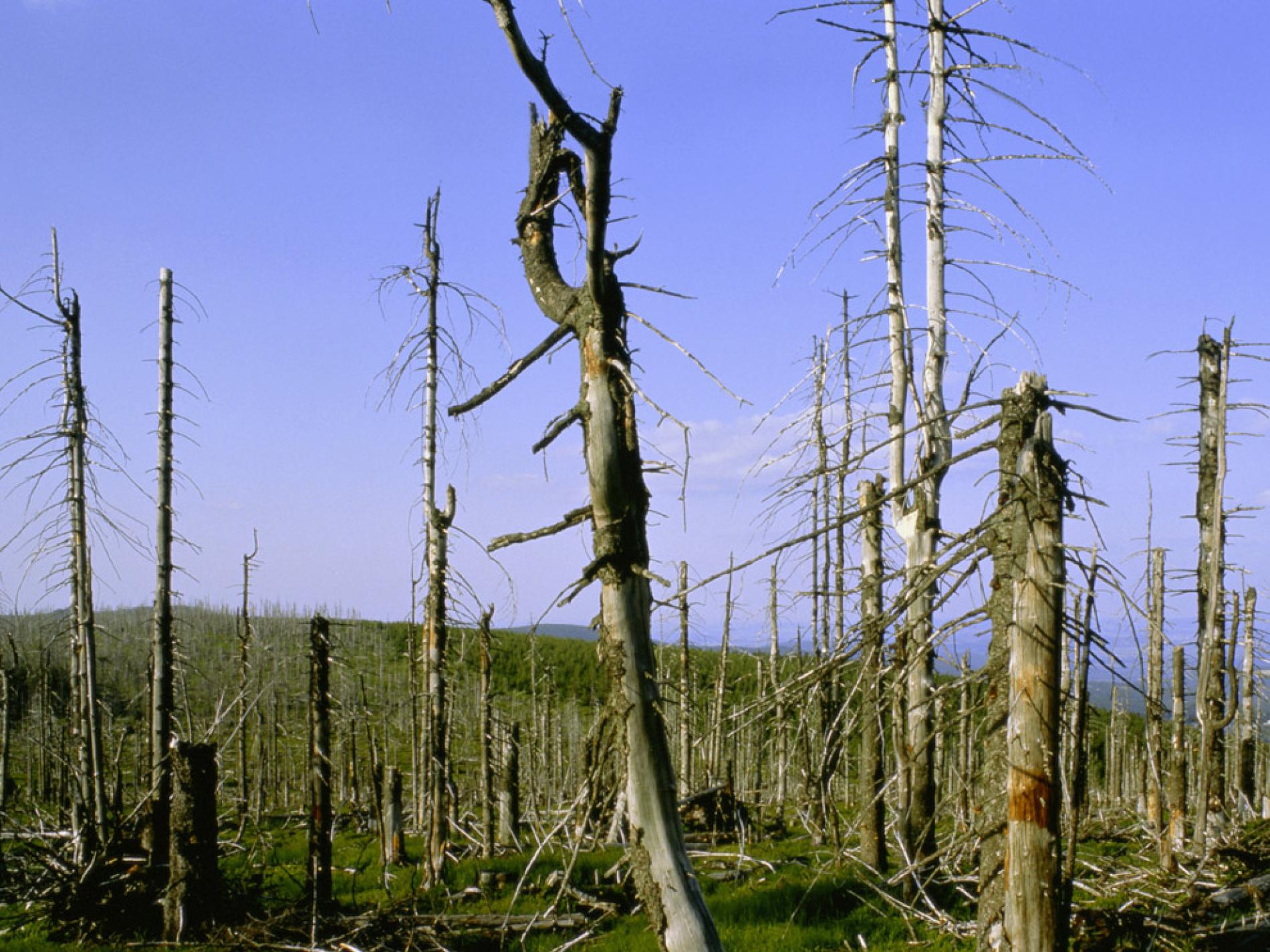

Smog or ground ozone forms in the troposphere. Which pollutants are most responsible for smog or ground ozone?
sulfur and particulate matter
volatile organic compounds and nitrogen oxides
carbon monoxide and carbon dioxide
none of these answers are correct


Where is the Ozone Layer found in our atmosphere?
Troposphere (lower portion)
Stratosphere (upper portion)
The Clean Air Act- regulates vehicle emissions.
true
false
A type of pollution found both indoors and outdoors, which includes pollen, dander, soot, carbon, and dust.
Water droplets
Allergens
Particulate matter
Combustibles
Which of the following is NOT a primary pollutant?
nitric oxides
smog
sulfur dioxide
volatile organic compounds
Which of the following pH measurements of rainwater would indicate acid precipitation/rain?
pH 6.0
pH 4.1
pH 7.3
pH 9.6

What areas are more likely to experience temperature inversions?
small cities in the mountains
large cities in valleys
large cities near oceans
small cities near a river

Where is the "GOOD" ozone located?
troposphere
stratosphere
mesosphere
thermosphere
Radon is usually found in this location in your home.
attic
basement
bathroom
kitchen
What effect do temperature inversions have?
traps heat and raises the temperature beneath it
traps cold air and lowers the temperature beneath it
traps emissions and can accumulate beneath it
traps the ozone layer
How do temperature Inversions affect air currents?
A layer of cold, polluted air mixes with the warm air from the surface and creates a smog-like layer
A layer of slightly warmer air prevents the warm, polluted air from rising, causing a build up of pollution near the surface
A layer of smoke causes temperatures to lower near the surface of the earth, causing more pollution in the air.
Which of the following is the basis of industrial fog?
burning coal
vehicle emissions

Which below can be considered an air pollutant?
chemicals
particulates
microbes
odorless gases
all of these

Which is NOT an air pollutant address by the Clean Air Act of 1970?
O3
CO
NOx
CH4
All of these were addressed by the Clean Air Act

Which is NOT a source of SO2?
combustion of fossil fuels
volcanic eruptions
forest fires
lightning
none of these are sources of SO2
Which below is considered an air pollutant?
stratospheric ozone
tropospheric ozone
exospheric ozone
mesospheric ozone
thermospheric ozone
What is TRUE of carbon monoxide?
It is CO2
It is an odorless gas
It has a purple color
It is the product of complete combustion
None of these are true
Which is false of carbon dioxide?
It is CO2
It is colorless
It is odorless
It is a greenhouse gas
It is the product of photosynthesis
Which below is a source of particulate matter?
burning wood
dust from gravel roads
volcanoes
forest fires
all of these are sources of particulate matter
Photochemical smog results from a reaction between
nitrogen, oxygen and sunlight
nitrogen, carbon and sunlight
oxygen, water and lead
sunlight, sulfur and carbon
carbon, hydrogen, and methane
Volcanic eruptions can be sources of air pollution
True
False
This primary pollutant creates a reddish brown gas creating photochemical smog and tropospheric ozone.
sulfuric acid
VOC
nitrogen dioxide
particulate matter
This atmospheric compound is critical to the planet in its protection against UV radiation, but when found close to the ground is part of photochemical smog that can cause serious health problems.
particulate matter
carbon monoxide
stratospheric ozone
tropospheric ozone
Which of the following is NOT a primary pollutant?
nitric oxides
smog
sulfur dioxide
volatile organic compounds
Which of the following government agencies is responsible for the Clean Air Act?
the USGS
the USDA
the EPA
the USDOJ
What is the major cause for air pollution?
deforestation
oil spills
transportation
cigarretes
What is the unit that is used to measure the intensity of sound?
decibel
frequency
Hertz
wavelength
The sound level which is comfortable for the human ear.
80-85 decibels
120-125 decibels
60-65 decibels
100-105 decibels
Which one is not a cause of noise pollution?
Health effects: brain and nervous system damage esp. in children. some digestive system damage
Environmental effects: Can harm wildlife
Source: burning of fossil fuels, cars are a major source
Health effects: lung damage, respiratory system illnesses
Environmental effects: an ingredient of acid precipitation
health effects: breathing problems, lung damage
environmental effects: ingredient in acid rain
Source: are released from burning fuel (fossil fuels or biomass), solvents, paints glues and other commonly used products. They include benzene, methane, formaldehyde and others
Health effects: In addition to smog (ozone) effects, some are carcinogenic
Environmental effects: affects some plants directly in addition to smog effects
Health effects: nose and throat irritation, lung damage, bronchitis
Environmental effects: the main cause of haze that redues visibility

This atmospheric compound is critical to the planet in its protection against UV radiation, but when found close to the ground is part of photochemical smog that can cause serious health problems.
particulate matter
carbon monoxide
stratospheric ozone
tropospheric ozone
Electrostatic precipitators can be used to remove this type of air pollutant.
volatile organic compounds
sulfur dioxide
particulate matter
ground level ozone
Which of the following is NOT a primary pollutant?
nitric oxides
smog
sulfur dioxide
volatile organic compounds
The Earth's ozone layer, which limits damaging solar radiation striking the planet is found in the ____________________.
thermosphere
stratosphere
troposphere
mesosphere
Colorless, odorless gas that is emitted from burning fossil fuels. Can replace oxygen in the bloodstream and cause death.
Lead
Sulfur Dioxide SO2
Carbon monoxide CO
Carbon dioxide CO2
Criteria pollutant that has been reduced the MOST by actions taken after the Clean Air Act was passed. Removing this from gasoline had the biggest impact.
Sulfur dioxide SO2
Lead Pb
Carbon monoxide CO
Nitrogen dioxide NO2
Sizes of this air pollutant of 2.5 micrometers or smaller, is more dangerous, leading to severe respiratory problems and heart disease.
Lead Pb
Sulfur dioxide SO2
Nitrogen dioxide NO2
Particulate matter
Sources of this air pollutant include construction sites, forest fires, fields and smoke stacks.
Particulate matter
Sulfur dioxide SO2
Lead
Carbon monoxide CO
Secondary pollutant created after nitrogen oxides are emitted into the atmosphere and interact with sunlight and other chemicals. Only secondary criteria air pollutant.
Sulfur dioxide SO2
Tropospheric or ground level ozone
Nitrogen dioxide NO2
Lead Pb
Catalytic converters are used to reduce these specific gases from the exhaust of vehicles.
CO and SO2
SO2 and NO2
CO and NO2
SO2 and Lead
This natural occurrence can release significant amounts of sulfur dioxide?
Hurricane
Tornado
Tsunami
Volcanic eruption
Acid Rain is a ____ problem because ____.
Local because the acid clouds don't move very far.
Local because the pollution that creates the acid rain doesn't move very far from its source.
Regional because the acid clouds can travel several hundred miles.
Regional because the pollution that creates the acid rain can move several hundred miles before precipitating.
The mix of air pollutants together leads to the acidification of freshwater bodies and soils. It can also impact heavily on the built environment.
acid rain
acid deposition
dry deposition
wet deposition
Solutions with a pH of less than 7 are acids.
True
False
The direct uptake by the ground of pollutants in particles, aerosols, and gases in the absence of precipitation, is...
dry deposition
wet deposition
acid rain
It is a substance or energy introduced into the environment that has undesired effects or adversely affects a resource's usefulness.
pollutant
pollution
smog
acidification
Scrubbers and electrostatic precipitators help industries meet the requirements of this
Air Pollution Act
Temperature Inversion Act
Clean Air Act
Which device helps clean car exhausts?
electrostatic precipitator
catalytic converter
scrubber
Which of the following is true of air pollution and human health?
years of research link air pollution to lung diseases
air pollution is listed often as cause of death
there are no health effects from polluted air
healthy adults do not need to worry about air pollution
Can occur in tightly sealed buildings
disease
air pollution
sick-building syndrome


The burning of which fuel is the main source of industrial smog?
Oil
Coal
Natural Gas
Biomass
Common sources of volatile organic compounds include:
Solvents
Paint and Glue
Some Plants
Petroleum
All of the Above
What are 4 characteristics of urban areas with high levels of photochemical smog?
Calm winds, dry weather, sunny, many industries and vehicles
High winds, wet weather, cloudy, many industries and vehicles
Located in a basin or surrounded by mountains
Located in a basin or surrounded by mountains, calm winds, dry weather, sunny, many industries and vehicles
All of the above

