
 Worksheets
Plants SAC 6.8
Total questions: 28
Worksheet time: 20mins

Pollinators are attracted to...... (choose 2)
color
taste
texture
scent
Wind-pollinated flowers typically have
A scent
Nectar
Small, light and powdery pollen
Large and colourful petals
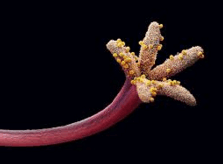
Which of the following are pollinators ( can choose more that one options )
Bees
Butterfly
Worms
The male part of the flower is called__________.
Pistil
Stamen
Filament
Anther
The bud seen near the top/apex of the stem is called
(a)
Select ALL that are true about angiosperms.
Vascular plants
Reproduce by spores
Reproduce by seeds
Seeds are enclosed in fruit
Live only in moist areas


... look like short trees. Some can give fruits too.
herbs
vines
mosses
bushes
Angiosperms produce from
rhizoids
cones
fruit and flowers
What cell structure do plants use to obtain food?
chlorophyll
chloroplast
vacuole
cell wall
The process of the nucleus of the pollen fusing with the nucleus of the ovule is called ________________.
Pollination
Fertilisation
Germination
reproduction
The cotyledon is
the baby plant inside the seed
the food source for the new plant
the hard outside shell of the seed
The small plant that first starts growing outside the seed
This will grow into the main root of the plant.
seed coat
embryo
radicle
cotyledon
What do you call the protective part of the seed? Choose 2 answers.
testa
seed coat
cotelydon
embryo

What is the letter C pointing to?
seed coat
embryo
cotyledon
undeveloped roots
The purpose of seed dispersal is for the seeds to __________.
germinate at the same time
move to the same place and grow
move further away from the parent plant
compete with one another for minerals in the soil
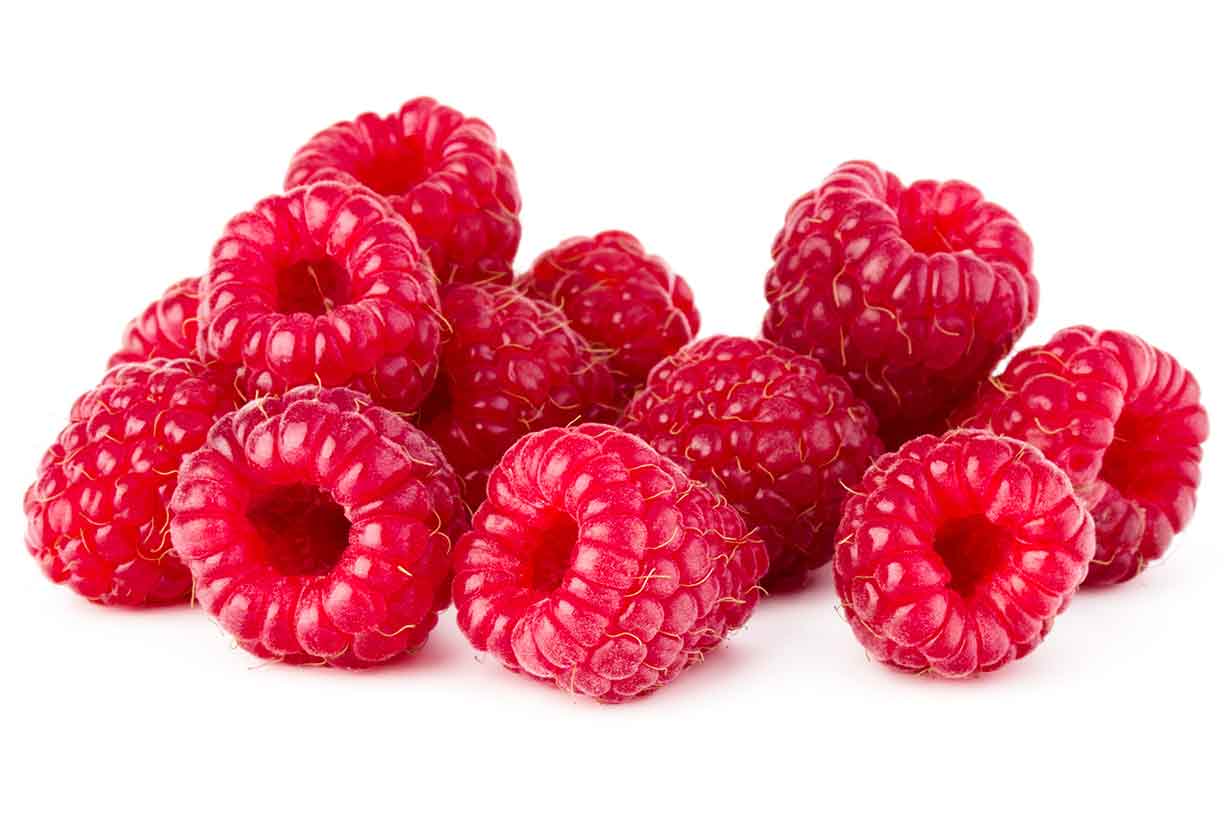
How are raspberries dispersed?
by animals
by explosion or bursting
by water
Germination is _________________________________.
when a seed starts to grow
when an egg and pollen join together
when pollen moves stamen to stigma
when a plant makes its own food.
A seed needs __________, __________ and a __________ to germinate.
soil, water, air
suitable temperature, water, sunlight
air, water, suitable temperature
water, air, sunlight
What does an ovule become when it is fertilised?
a seed
a sprout
a fruit
it stays an ovule
The outer cover that protects the seed is ...........
scar
seed coat
embryo
stem

Which of the following describes process no.2?
First shoot start to grow
First root start to grow
Seed absorbs water and swell.
Shoot take in sunlight

What is arrow "A" pointing to?
Food store
Seed Coat
Embryo (baby plant)
Seed Fats

What is arrow "C" pointing to?
Seed Coat
Seed Shell
Food store
Embryo (baby plant)

