
 Worksheets
Unit 1-5 Review
Total questions: 181
Worksheet time: 2hrs 45mins

What two gases/compounds are formed by the process represented by the model?
methane and water
nitrogen and carbon dioxide
carbon dioxide and water
nitrogen and water

What is wrong with the following model?
the two labeled gases are switched
the labeled food should be a gas
the labeled energy should be food
the labeled water should be energy
What is the process called that uses sunlight to produce sugar?
cellular respiration
photosynthesis
anaerobic respiration
What is the process called that uses sugar to produce energy?
anaerobic respiration
photosynthesis
cellular respiration
What is the process that does not use oxygen to transfer large amounts of energy quickly?
photosynthesis
cellular respiration
anaerobic respiration
What is the pigment that absorbs light energy and helps make glucose?
melanin
chlorophyll
hemoglobin
bilirubin
What reactants does a plant need to make glucose through photosynthesis?
sugar and oxygen
carbon dioxide and sugar
carbon dioxide, sunlight, and water
oxygen and water
What is involved in beginning the step of photosynthesis?
The roots bring in water and nutrients
The stomata bring in carbon dioxide
Glucose is produced in the chloroplast
Chlorophyll in the leaf captures light energy

What process is being demonstrated by the model?
anaerobic respiration
photosynthesis
cellular respiration
What happens to an oxygen molecule when it is created during photosynthesis?
It will be released to the atmosphere
It will be used by an animal for cellular respiration
It will be used by the plant for photosynthesis
It will be released to the leaves
What two ways can animals release carbon back into the cycle?
photosynthesis
decomposition
cellular respiration
factory emissions
burning of fossil fuels

What gas has greatly increased over time according to the model?
Argon
Methane
Nitrogen
Oxygen

What gas has greatly decreased over time, according to the model?
Methane
Argon
Carbon Dioxide
Oxygen
What are the living parts of an environment known as?
biotic factor
abiotic factor
photosynthesis
cellular respiration
The non living parts of an environment
biotic factors
abiotic factors
photosynthesis
cellular respiration
Which relationship is correct?
glucose is a product of cellular respiration
water is a reactant in cellular respiration
oxygen is a product of photosynthesis
carbon dioxide is a product of photosynthesis
Yeast in sugar is an example of which process and what gas is produced?
cellular respiration, carbon dioxide
anaerobic respiration, carbon dioxide
photosynthesis, oxygen
anaerobic respiration, oxygen

Look at the image and determine the correct response to the presentation
This graphic is correct as it shows that animals and plants produce carbon dioxide through cellular respiration and plants produce oxygen through photosynthesis.
This graphic is incorrect as it shows that animals and produce oxygen through cellular respiration and plants produce carbon dioxide through photosynthesis.
This graphic is incorrect as it shows that only plants produce carbon dioxide through cellular respiration and animals produce oxygen through photosynthesis.
This graphic is correct as it shows that only animals produce carbon dioxide through cellular respiration and plants produce oxygen through cellular respiration.
Where does anaerobic respiration occur in animal cells?
nucleus
cytoplasm
ribosomes
mitochondria
What does anaerobic mean?
with oxygen
without oxygen
produces energy
requires energy
How is carbon dioxide used in the process of photosynthesis?
Glucose and oxygen gas are broken down and the atoms of each element are rearranged making water and releasing carbon dioxide gas.
Carbon dioxide gas is absorbed by the plant and broken down and rearranged with atoms from water making glucose and releasing oxygen gas as a waste product.
Hydrogen gas and oxygen gas are broken down and rearranged to make water.
Methane gas is rearranged and broken down to create carbon dioxide gas for plants to release during photosynthesis.
Which image represents a gas given off by plants as a waste product during photosynthesis?


Bromothymol Blue turns blue when carbon dioxide is not present in the water, and it turns yellow-green when carbon dioxide is present.
What color would you look for to prove that Elodea is undergoing photosynthesis?
the water should be more yellow-green, because carbon dioxide is consumed during photosynthesis.
the water should be more blue, because carbon dioxide is consumed during photosynthesis.
the water should be more green, because oxygen is produced during cellular respiration.
the water should be more yellow green because oxygen is produced during cellular respiration.
Which image represents a greenhouse gas that plants use to make food through the process of photosynthesis?
Which of the following are reactants of photosynthesis?
CO2 and H2O
O2
H2O and Glucose
None of the above
In which organelle does photosynthesis occur?
Cell Wall
Chlorophyll
Chloroplast
Cytoplasm
What are the end products of photosynthesis?
Carbon Dioxide and Water
Glucose and Carbon Dioxide
Oxygen and Glucose
Water and Glucose
What is a similarity and difference between aerobic and anaerobic respiration?
aerobic and anaerobic are similar because they both require oxygen but aerobic produces more energy.
aerobic and anaerobic are similar because they both require glucose but aerobic produces less energy.
aerobic and anaerobic are similar because they both require carbon dioxide but aerobic produces more energy.
aerobic and anaerobic are similar because they both require glucose but aerobic produces more energy.

What two products formed from this model?
glucose and oxygen
carbon dioxide and water
carbon dioxide and oxygen
oxygen and water

This organelle performs
cellular respiration
photosynthesis
anaerobic respiration

This organelle performs
photosynthesis
anaerobic respiration
cellular respiration
Which if the following is described as being pure substances?
elements
compounds
elements and compounds
mixtures
Which of the following describes a substance that has been physically combined and is NOT uniform throughout (you see the DIFFERENT parts that make it up)?
Homogeneous Mixture
Compound
Heterogeneous mixture
element
What is the smallest part of a compound that retains the properties of that compound
atom
element
Molecule
mixture
A student is observing a substance that contains multiple element that have been chemically combine C6H12O6(SUGAR). Which of the following best describes what the student is observing?
Heterogeneous Mixture
Homogeneous Mixture
Element
Compound
What is the smallest part of an element that retains the properties of the element?
atom
molecule
compound
subatomic particles

atom

atom

atom

This substance can be separated by physical means such as filtering, sifting, and evaporating.
Mixtures
Pure Substances
Elements
Compounds
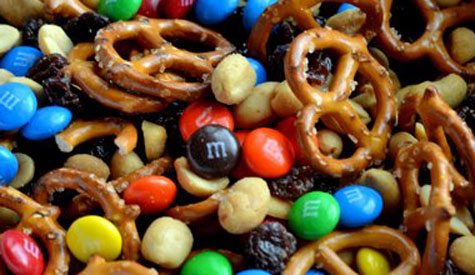

What kind of mixture is shown in the picture?
Homogeneous Mixture
Heterogeneous Mixture
When one or more substance is combined CHEMICALLY it is called __________________.
compound
element
mixture
solution
Compound
totally new properties from the original elements
diatomic
chemical change
metalloids
mixture
the vertical groups are
diatomic molecules
similar in properties
called periods
compounds
the noble gases are noted for being
mixture
unreactive
diatomic element
monatomic element
As you go down a group, boiling points tend to
monatomic element
similar in properties
increase
diatomic element
able to be hammered into thin sheets
similar in properties
compound
malleable
chemical change
able to be worked into wires
chemical change
malleable
unreactive
ductile
has properties of both metals and nonmetals
malleable
diatomic
metalloids
mixture
The chart scientists use to organize and classify all the known elements
periodic table
period
group
chemical change
The family of elements in a column on the periodic table
noble gases
metalloids
groups
metals
when elements keep their individual properties, such as mixtures or when they change from one state of matter to the next
metals
chemical change
physical change
nonmetals
when elements are chemically combined and they form all new properties
chemical change
period
flammable
nonmetals
The ability of a substance to burn
nonmetals
flammable
period
periodic table
The name given to a row of the periodic table
nonmetals
groups
periodic table
period
A shiny, malleable, dense substance that easily conducts heat and electricity
metals
groups
physical change
flammable
Elements that don't have the characteristics of metals; dull, brittle, poor conductors
groups
nonmetals
physical change
metals
Elements that exhibit both metallic and nonmetallic properties; shiny, brittle, semiconductor
metalloids
nonmetals
noble gases
flammable
An unreactive family on the periodic table
noble gases
physical change
metalloids
chemical change

Which elements can be found in section 1?
Metals (Alkali and Alkaline Earth)
Metals (Transition and Other)
Metalloids
Non-Metals (including halogens and noble gases)
Which elements can be found in section 2?
Metals (Alkali and Alkaline Earth)
Metals (Transition and Other)
Metalloids
Non-Metals (including halogens and noble gases)
Which elements can be found in section 3?
Metals (Alkali and Alkaline Earth)
Metals (Transition and Other)
Metalloids
Non-Metals (including halogens and noble gases)
Which elements can be found in section 4?
Metals (Alkali and Alkaline Earth)
Metals (Transition and Other)
Metalloids
Non-Metals (including halogens and noble gases)
Which section can elements that have both metallic and nonmetal properties be found?
1
2
3
4
Which section can elements that are shiny, malleable, and good conductors of heat/electricity be found? (Select all that apply)
1
2
3
4

Which section can elements that are not shiny, not malleable and not good conductors of heat/electricity be found?
1
2
3
4
Which section can non-reactive elements be found?
1
2
3
4
An element is found to to be shiny and reactive by bubbling and sparking in water. Which family would this element belong to?
Metals (Alkali and Alkaline Earth)
Metals (Transition and Other)
Metalloids
Non-Metals (including halogens and noble gases)

Which elements would have similar properties to Chlorine (Cl)?
fluorine (F) and iodine (I)
sulfur (S) and argon (Ar)
oxygen (O) and bromine (Br)
magnesium (Mg) and phosphorous (P)
Elements in the same group, such as helium, neon, argon, and krypton, are put together because...
they all have similar chemical properties
they all have the same atomic number
they are all metals
they all have the same number of valence electrons

How many valence electrons does Chlorine have?
7
17
2
10

How many valence electrons does Neon have?
8
18
2
10
If Nitrogen (N) is in group 15, how many valence electrons does it have?
5
15
2
7
If Calcium (Ca) is in group 2, how many valence electrons does it have?
4
20
2
10
How many valence electrons does Magnesium (Mg) have?
8
12
2
10
If Boron (B) is in group 13, how many valence electrons does it have?
3
13
5
10
Which element has more valence electrons, Potassium (K) or Oxygen (O)?
Potassium (K)
Oxygen (O)

The molecule is best identified as
an elemental molecule
a diatomic molecule
a monoatomic element
an ionic bond

This model best represents: select two!
a diatomic element
a monoatomic element
an elemental molecule
a mixture
a pure substance

The best label for the model is
a mixture
a pure substance
a mixture of compounds
a mixture of elemental molecules
a mixture of diatomic molecules

The model best represents
a compound molecule
an elemental molecule
a diatomic molecule
a mixture

The model best represents
a diatomic molecule
a monoatomic element
an elemental molecule
a mixture

Which model represents a monoatomic elemental pure substance?
a
b
c

Which model represents a mixture?
a
b
c

Which model represents a compound?
a
b
c

In which section of the periodic table would you find substances that are shiny and conduct electricity? Select two.
1
2
3
4
In which section of the periodic table would you find substances that are dull and brittle?
1
2
3
4
In which section of the periodic table would you find substances that have both metallic and non metallic properties?
1
2
3
4

This model represents
a mixture of two compounds
a mixture of a compound and an elemental molecule
a pure substance
a mixture of a diatomic molecule and an elemental molecule
Which experimental results show a mixture?
Simon applies heat to a liquid and the liquid turns into a gas.
Marcus removes heat from a liquid. The liquid freezes into a solid.
Ruth applies heat to a substance. The substance changes color and produces a gas.
Lola applies heat to a substance. The liquid boils away and leaves behind large black crystals.
Which option contains only monoatomic elements?
Au, Ni, Cu, Fe
NH3, KNO3, Hg, Ne
H20, H2O2, H3O, CO2
Na, NaCl, Pb, C6H12O6

Which element would have a similar boiling point as sulfur (16)
Iron (Fe) 26
Potassium (K) 19
Selenium (Se)34
Lithium (Li) 3
Brass was heated in an experiment. When brass was heated it separated into copper and zinc. Which statement best identifies brass?
Brass is a pure substance
Brass is an element
Brass is a mixture
Brass is a diatomic molecule
The chemical formula for glucose is C6H12O6. Which statement best identifies glucose?
Glucose is a monoatomic element.
Glucose is a diatomic molecule.
Glucose is a compound.
Glucose is an elemental molecule.
Which of the following is a molecule but not a compound?
NH3
H2
H2O
H
Beryllium, Magnesium, Calcium, Strontium, Barium, and Radium are all group 2 elements. Which statement best identifies why those elements are grouped together?
They are all non metals
They are all very reactive metals with similar chemical properties.
They are all nonreactive gases with similar physical properties.
Their atoms all have eight electrons in their outer energy levels.
The chemical symbol for Mercury is Hg. Which statement best identifies Mercury?
Mercury is a monoatomic element.
Mercury is a compound.
Mercury is a diatomic molecule.
Mercury is a mixture.
A pure substance
can be an element
can be a compound
can be a mixture
can be multiple compounds
can be multiple elements
A mixture
can be a single element
can be a single compound
can be a pure substance
can be multiple compounds
can be multiple elements
Which of the following best describes a non metal?
brittle, not shiny, does not conduct electricity
strong, shiny, does conduct electricity
has both the characteristics of a metal and a non metal
brittle, shiny, conducts electricity
Which of the following is a molecule but NOT a compound?
water (H2o)
Oxygen gas (O2)
Baking Soda (NaHCO3)
Nobidium (Nb)
The chemical symbol for iron is Fe. What can you determine about iron from its chemical symbol?
It is an element
It is a compound
It is a mixture
It is a diatomic molecule
Which of the following demonstrates a chemical change has occurred?
a color change, a gas is produced, and/or a strong odor
the properties remain the same as the substances that make up a mixture
the substance has changed into a new state of matter
The chemical formula for vinegar is CH3COOH. What can you determine about vinegar from its chemical formula?
It is an element.
It is a diatomic molecule
It is a compound
It is a mixture
The elements most similar to potassium on the periodic table
will be the closest to it on the periodic table
will be the farthest away from it on the periodic table
will be the non metals
will be the transition metals
Properties like boiling point and melting point are most similar in a
group, then in a period
period, then in a group
all metals have the exact same properties
there is no correlation between properties and location on the periodic table.

What is the general trend shown in this graph?
As year increased, CO2 increased
As year decreased, CO2 increased
As year increased, methane increased
As year increased, methane decreased

What is the dependent variable in this graph?
Methane Concentration
years
CO2 concentration
Sea Ice Extant

What is the overall trend shown on this graph?
Sea Ice extant decreased in summer but not winter.
Sea Ice extant increased in both summer and winter.
Sea Ice extant increased in summer but decreased in winter
Sea Ice extant decreased in both summer and winter

What is the independent variable in this graph?
CO2 concentration
years
methane
time

How did the Industrial Revolution affect climate?
It produced more CO2 which caused temperatures to rise.
It produced higher temperatures which produced more CO2
It did not affect climate at all.
The industrial revolution and the ice age both produced the same amount of CO2 which caused climate change.

What is the relationship between the two variables shown on the graph?
As temperatures rise, CO2 levels decrease
As CO2 levels rise, temperature decreases.
As CO2 levels rise, temperature also rises.
Temperature and CO2 levels have no correlation.

This graph shows that as the years increase
sea levels rise
CO2 levels increase
the larger the glaciers grow
the more mass is lost by glaciers

Which country would have the most effect worldwide if there was a change in plastic handling?
United States
China
Norway
Egypt

According to the graph, which gas is the most responsible for greenhouse gas emissions?
CO2
methane
CFC
HFC

According to the infographic, what is happening to glaciers?
They are increasing
They are decreasing
They are not changing
They are increasing and decreasing
What shows an accurate cause and effect scenario for global warming?
rising temperatures--> rising CO2 levels --> droughts--> wildfires
rising CO2 levels-->rising temperatures-->melting glaciers-->rising sea levels
food shortages--> droughts--> wildfires
melting glaciers --> rising temperatures--> rising CO2 levels
Which statement is true about greenhouse gases?
global warming is not due to greenhouse gases
Rising temperatures are due to the sun growing larger not greenhouse gases
Greenhouse gases are only carbon monoxide and methane
Greenhouse gases trap heat on earth causing rising temperatures
What is one effect of aerosol cans?
They emit CFC's
They cause droughts
They use oxygen
They melt glaciers
Deforestation
prevents trees from producing CO2
prevents trees from using oxygen
prevents trees from producing oxygen and taking up CO2
prevents trees from producing CO2 and taking up oxygen
Sustainability is
producing CO2
the cutting down of forests
using everything as fast as possible
using a resource responsibly so that it doesn't run out
When human-made chemicals and garbage find their way into nature and harm the air, soil, and water it is called
pollution
habitat destruction
overexploitation
climate change
1. What are renewable resources?
. Resources that are used faster than they form
resources that can replenish themselves over time
resources that formed over millions of years
resources that exist only in rural areas

According to the graph, what material’s recycling would reduce the largest portion of America’s trash?
Metals
paper
plastics
Yard trimmings
1. Which of the following is not a renewable resource?
coal
wind energy
solar energy
water
What is global warming
the normal temperature fluctuations of Earth's climate cycle
the melting of the polar ice caps
the trend of increasing temperatures on Earth
the changes in Earth's biosphere that affect the atmosphere
1. Why might an introduced animal species overrun native species in an ecosystem?
. Its population size is smaller than those of native species.
. It is more energy efficient, so it eats less food.
It is a predator of the native species.
It often has no natural enemies
What is the direct cause of rising sea levels?
Melting Sea Ice
Melting Land Ice
Climate Change
Floating sea ice melts...
and causes sea levels to rise because it adds water to the ocean.
but does not cause sea levels to rise because the ice displaces the same amount of ocean water as the melted ice would displace.


How many different elements are in the compound?
1
2
3
4

How many atoms of sulfur are in the compound?
5
1
3
15
How many molecules of water are there in 3H2O ?
The mass of the reactants and the mass of the products...
must decrease
must be the same
must increase
will increase or decrease depending on the chemicals being used


Is this equation balanced...O3 ---> O + O2?
no
partially
yes
not enough information to tell
Does this equation follow the law of conservation of mass...P4 + O3 ---> 2 P2O3?
yes
partially
no
not enough information to tell
2Mg + O2 ---> 2MgO
Which are the products in the following reaction? 2Mg + O2 ---> 2MgO

Is the equation balanced?
yes
no

Does the model show that mass has been conserved?
yes
no
not enough information to tell

Does the equation support the law of conservation of mass?
no
yes
sometimes
almost

Does this modeled equation support the law of conservation of mass?
yes
no
maybe
almost

Each beaker weighs 5g. One of the beakers has 20g of water and the other beaker has 20g of vinegar. You pour the contents of one beaker into another and then place it on the scale. Using the picture as a guide, how much would the new weight be?
50g
40g
20g
45g

Based on the chemical reaction shown, how much carbon (C) should have reacted with lead monoxide (PbO)?
50g
77.4g
41g
22.6g
Some amount of magnesium reacts with 16g of oxygen to produce 40.3g of magnesium oxide. How much magnesium was used?
40.3g
16g
24.3g
56.3g
When you place a carrot on a plate and place it on the scale it weighs, 35g. You then chop the carrot into smaller pieces and weigh it on the same plate again. How much does it weigh now?
30g
45g
5g
35g
You weigh a can of soda at 60g. Then you open the soda and weigh it again. This time it weighs 55g. Why?
open system allowed gas to be released
closed system allowed the gas to be released
law of conservation of mass doesn't apply to soda
law of conservation of mass says that this is impossible

Which of the following equation matches the model shown?
2Cl2 + Na2 --> 2NaCl2
2H2 + 2O --> 2H2O2
F2 + 2Li --> 2F2Li
4Al + 2K --> 2Al2K
Which of the following is the best reason why a liquid substance might lose mass?
it turns into a gas and escapes
some of the substance was destroyed
it can never lose mass, it can only gain mass
it is cooled to freezing temperatures

Does this support the law of conservation of mass?
yes, its balanced
no, its unbalanced
there's not enough information
no, it starts with aq and turns into l and g

What does "aq" represent?
aqueous substance
liquid substance
gas substance
solid substance
What does "l" represent?
aqueous substance
liquid substance
gas substance
solid substance
What does "g" represent?
aqueous substance
liquid substance
gas substance
solid substance

What does "s" represent?
aqueous substance
liquid substance
gas substance
solid substance

5g of sulfur (S) reacts with 5g of oxygen gas (O2). When the sulfite (SO3) produced is weighed, it comes out to 7g. How much sulfur and oxygen gas failed to react?
10g
2g
3g
17g

How many molecules of water (H2O) are produced?
4
2
3
1

How much water (H2O) is produced?
19g
39g
59g
25g

