
 Worksheets
Pollution
Total questions: 85
Worksheet time: 58mins
Harmful ultraviolet radiation from the Sun is absorbed by
clouds
ozone molecules
soil
water
Sunlight reacts with waste gases from the burning of fossil fuels to form
greenhouse gases
chlorofluorocarbons (CFCs)
photochemical smog
rain
Global warming can lead to
deforestation
climate change
oil spills
litter
Which human action can cause pollution?
Walking
Biking
Mining
Recycling
Which object is NOT carried by runoff into streams and rivers?
ozone
fertilizer
pesticides
sediment
The illegal dumping or littering of waste onto the land is called __________ pollution.
air
land
water
The leaking or spilling of chemicals or raw sewage into a body of water is ________ pollution.
air
water
land
Exhaust fumes released from cars, trucks, and buses are an example of ________ pollution.
water
land
air

What is soil pollution?
When people clean parks.
Children making posters
The contamination of land with solid waste,acid rains and toxic substances.
Which of the following is a cause of air pollution? Choose 2.
Chemicals from factories
Rubbish in the kitchen
Dust
Farm waste
Which of the following is a source of air pollution?
Difficulty in breathing
Factories
Eye irritation
Drinking water
Carbon monoxide is released from...
human body
plants
vehicles
styrofoam
A result of using radioactive elements from atomic enery stations.
air pollution
radiation pollution
land pollution
water pollution

It usually caused by the use of pesticides and fertilizers used in crops.
Air Pollution
Water Pollution
Soil Pollution
Noise Pollution
The oil spilled into the ocean and poisoned the animals and their food.
Acid rain is formed when _______ dioxide and _________ dioxide dissolve in rain water.
carbon, oxygen
sodium, carbon
sulphur, nitrogen
Acid rain damages the leaves of plants, thereby reducing ___________.
water intake
photosynthesis
The ___________ falling from the sky can be dangerous.
Acid rain
Acid train
Acid grain
Acid pain
How can air pollution be controlled.
Rain water harvesting
Planting more trees
Use of windmills
SMOG is derived from?
Smoke
Fog
Both A and B
The ____________________ protects people from the effects of too much ultraviolet radiation.
smog layer
ozone layer
cloud cover

Which of these things that trees give help to prevent air pollution:


The car is creating ____________________.
Air pollution
Water pollution
Noise pollution
How can air pollution be controlled.
Rain water harvesting
Planting more trees
Use of windmills
Which of the following pollutants are responsible for the cause of SMOG?
(a) From incinerators
(b) Emissions from vehicles
(c) Both incinerators and emissions from vehicles
(d) None of the above
Which of the following is called the secondary air pollutant?
PANs
Ozone
Carbon monoxide
Nitrogen Dioxide
Which of the following particles is called the particulate pollutants?
Ozone
Radon
Fly Ash
Ethylene
What is an undesirable change in physical, chemical, or biological characteristics of air, land, water, or soil due to the introduction of contaminants called?
Succession
Pollution
Conservation
Extinction
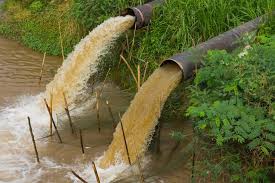
Chemicals released from an Industrial Plant directly into a river
Point
Non-Point

Disposing of paint and other household hazardous materials down the drain
Point
Non-Point
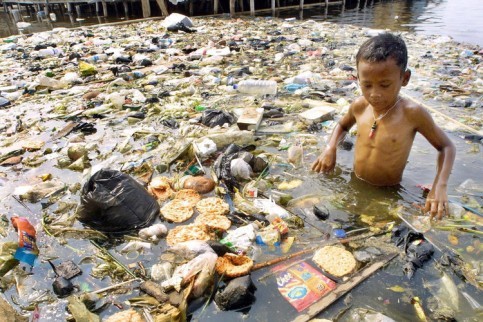
This type of pollution comes from any heating of natural water that results from human activity
Thermal pollution
Chemical pollution
Biological pollution
Which of the following is an effect of an oil spill?
Many plants and animals die.
The fishing industry improves.
Plant life increases.
The oil cleans the beaches.
What are the main sources of water pollution?
Plastic, Paper, and Metal
Snails in water
Help, there is a boot with a snake inside of it that somehow in the nearby lake.
Agriculture, Industry, and Community
What is an effect of land pollution?
no clean drinking water
loss of habitat for animals
diseases from breathing in poor quality air

The CAUSES of desertification are:
drought
overgrazing
human environment interaction such as deforestation
all of the above
Which serious health problem could be caused due to long term exposure to contaminated soil?
skin diseases
cancer
respiratory problems
None of the above
What is the main example of land pollution?
Soil Erosion
Earthquake
Volcano Eruptions
Floods
What human activities degrade the soil?
Fishing and animal husbandry
Reforestation
Mining, construction, industry, agriculture
Rain, waterfalls, earthquakes
Why does agriculture pollute the soil?
Use of fertilizers
Plow the ground
Watering the crops too much
Felling of wild flora
Which one of the following can cause thermal pollution?
Residential houses
Power plants
Death of marine organisms
Oil spill
What is the effect of warmer temperature to the fishes?
Increase the metabolism
Decrease the metabolism
Stabilize the metabolism
Increase the solubility of oxygen
What is the main effect of thermal pollution to the oxygen solubility in water bodies?
They increase the solubility of oxygen in water bodies
They maintain the solubility of oxygen in water bodies
They reduce the solubility of oxygen in water bodies
They don’t cause any affect in solubility of oxygen to the water bodies
Which of the following is remedial measure for thermal pollution?
Detergents
Bioremediation
Cooling towers
Absorbents
Which of the following is consequence of oil pollution?
Higher water temperatures
Increased oxygen levels
Hypothermia
Hyperthermia
Which one of the following can cause thermal pollution?
Residential houses
Power plants
Death of marine organisms
Oil spill
What is a thermal shock?
Sudden cooling of temperature to abnormal level
Temperature don’t change
Temperature change only due to environmental factors
Sudden raises of temperature to abnormal level
what is a prevention for thermal pollution?
cooling ponds
spraying cooler water into the hot water
putting discharges in the water
Which of the following is a biodegradable organic chemical/substance?
Plastics
Oils
Pesticides
Garbage
What is the major problem in nuclear plants?
Drawing out energy
Fusion of particles
Disposal of nuclear waste
Handling of fuel
Which of the following wastes are called the Municipal Solid Waste (MSW)?
Food wastes
Wood pieces
Plastic cans
All of the above
The burning of solid waste is not recommended because
It is very costly
It requires a lot of space
It requires modern technologies
It causes several environmental issues
Which of the following statements is incorrect for plastic wastes?
It is used to make compost
It lasts for a longer period of time
Toxic fumes are produced when burnt
All of the above
Which of the following gas is produced from landfill wastes?
Biogas
Natural gas
Liquified petroleum gas
All of the above
Which of the below is not an idea behind solid waste management?
Control of waste generation
Storage and collection
Disposal
Stop waste generation
What is the major problem in nuclear plants?
Drawing out energy
Fusion of particles
Disposal of nuclear waste
Handling of fuel
................should be created around hospitals
schools
silent zone
ground
The sound level which is comfortable for the human ear.
80-85 decibels
120-125 decibels
60-65 decibels
100-105 decibels
What is the unit that is used to measure the intensity of sound?
decibel
frequency
Hertz
wavelength
Which of the following are considered as the two main parts of the auditory system? Pick two answers.
brain
ear
eyes
spinal cord
Planting of trees reduces noise pollution.
True
False
Both

