
 Worksheets
SOCSCI QUIZ
Total questions: 83
Worksheet time: 1hrs 13mins
The United Nations is an international diplomatic and political organization dedicated to worldwide _______ and ________.*
(a)
It is the second widespread organization established in the 20th century that held a global membership.
(a)
These are the 3 major countries that led the charge to sign the declaration of the United Nations.*
(a)
At present, there are (a) member states of the United Nations, representing countries from all over the world.*
It is considered as the most powerful council of the United Nations and has primary responsibility for the maintenance of international peace and security.*
(a)
The most serious challenge of regionalism today is the resurgence of drug cartels and extortion.*
TRUE
FALSE
Asian regionalism is a new concept among the continental communities.*
TRUE
FALSE
It was established in 1960 by Iran, Iraq, Kuwait, Saudi Arabia and Venezuela, to regulate the production and sale of oil.*
(a)
It refers to the growth of societal integration within a region and to the often undirected processes of social and economic interaction.*
(a)
These refers to the group of countries located in the same geographically specified area.*
(a)
There is hardly a religious movement today that does not use religion to oppose profane globalization.
TRUE
FALSE
Globalization has freed communities from the constraints of the nation-state, but in the process, also threatened to destroy the cultural system that bind them together.
TRUE
FALSE
With the exception of militant Islam, religious forces are well aware that they are in no position to fight for a comprehensive alternative to the globalizing status quo.
TRUE
FALSE
The thesis that modernization will erode religious practice is often called secularization theory.
TRUE
FALSE
Civilizations can be held together by religious worldviews.
TRUE
FALSE
It was because of cultural arguments that religious people were able to justify their political involvement.
TRUE
FALSE
Religious leaders have used religion to wield influence in the political arena.
TRUE
FALSE
Religion, much more than culture, has the most difficult relationship with globalism.
TRUE
FALSE
Religious people are less concerned with wealth and all that comes along with it.
TRUE
FALSE
Religion is here to stay.
TRUE
FALSE
He declared that the medium is the message attempting to draw attention to how media, as a form of technology, reshape society. *
(a)
It is a process whereby American values and culture would overwhelm all others . It also promotes homogenized, westernized, consumer culture. *
(a)
They are paid users in the social media world who often harass political opponents.
(a)
Asian culture has proliferated worldwide through (a) .
Korean: Samsung; Japanese: *
(a)
A global internet allows actions to be seamless. People can communicate with those in other countries, continue interacting when traveling and shop on global websites. A splinternet creates a barrier to these items and controls what people can do. *
TRUE
FALSE
There is an intimate relationship between globalization and media which must be unraveled to further understand the contemporary world. *
TRUE
FALSE
Broadcast media involve books, magazines and newspapers. *
TRUE
FALSE
Proponents of the idea of cultural imperialism ignored the fact that media messages are not just made by producers, they are also consumed by audiences. *
TRUE
FALSE
As consumers of media, users must remain vigilant and learn how to distinguish fact from falsehood in a global media landscape.
TRUE
FALSE
Religion is concerned with the sacred, while globalism places value on material wealth.
TRUE
FALSE
Religions are the foundations of modern republics
TRUE
FALSE
5 Organs of United Nations
(a)
Security Council composed of how many members?
(a)
Among 15 members, how many members are being elected for two-year terms?
(a)
How many members are permanent members, who are they?
(a)
Symbols of global governance
(a)
The new electronic interdependence recreates the world in the image of a global village
(a)
He defined media as "A means of conveying something, such as a channel of communication."
(a)
She is an Indonesian cultural critic studied the ways in which different viewers in the Netherlands experienced watching the American soap opera Dallas.
(a)
It is when people of the country believe that what their country is doing is right and people objecting and considering unconditionally.
(a)
It is defined as a population of individuals who reside in a territory under the authority of one government and take part in various kinds of political and economic activities in relation to globalization.
(a)
It can be examined in relation to identities, ethics, religion, ecological sustainability, and health.
(a)
Regionalization and regionalism are interchangeable.
TRUE
FALSE
They protect indigenous peoples and the rainforest of Brazil, Guyana, Panama and Peru.
(a)
This refers to the various intersecting processes that create this order.
(a)
international rules that govern interactions between states as opposed to, say, private companies.
(a)
These are scholars who listed the powers of UN.
(a)
What the 3 powers of UN.
(a)
Are accepted codes of conduct that may not be strict law, but nevertheless produce regularity in behavior.
(a)
Filipino diplomat who was elected GA president from 1949-1950.
(a)
Decisions on other questions are done by (a) ?
This entails the spread of various cultures
(a)
These are the channels of communication or the means through which data or information is stored and transmitted.
(a)
This means local markets opening up to the global economy.
(a)
This plays a crucial role in shaping public opinion and perceptions about global events.
(a)
The process by which local cultures are transformed or absorbed by dominant outside culture.
(a)
Cultural globalization is simply a euphemism for Western cultural imperialism since it promotes homogenized, westernized, consumer culture.
(a)
They argued that texts are received differently by varied interpretive communities because they derived different meanings and pleasures from these texts.
(a)
Media consumers are active participants in the meaning-making process, who view media "texts" through their own cultural lenses.
TRUE
FALSE
He stated that "not only was the world being Americanized but this process also led to the spread of American capitalist values like consumerism."
(a)
It can be the spread of flow of goods, financial products, informations and jobs across national borders and cultures.
(a)
Globalization is constant and even irreversible.
TRUE
FALSE
This enabled companies to create a global brand identity, contributing to the creation of a global consumer culture.
(a)
He is one of the greatest sociologist at all time. He observed the correlation between religion and capitalism as an economic system.
(a)
Claimed "that after a night of prayer and soul-searching, he had concluded that it was the duty of the United States 'to educate the Filipinos, and uplift and civilize and Christianize them, and by God's grace do the very best we could by them."
(a)
He broke away from Roman Catholicism and established his own Church to bolster his own power.
(a)
In the United States, religion and law were fused together to help build this "modern secular society." It was observed in the early 1800s by French historian and diplomat (a) .
Major religious traditions.
(a)
The result of a shift in state policy.
(a)
The so-called "old world religions" destroy the cultural system that bind them together.
(a)
He argues that far from being secularized, the "contemporary world is...furiously religious.
(a)
One of the strongest defenders of globalization, admits in his book, The Clash of Civilizations, that civilizations can be held together by religious worldviews.
(a)
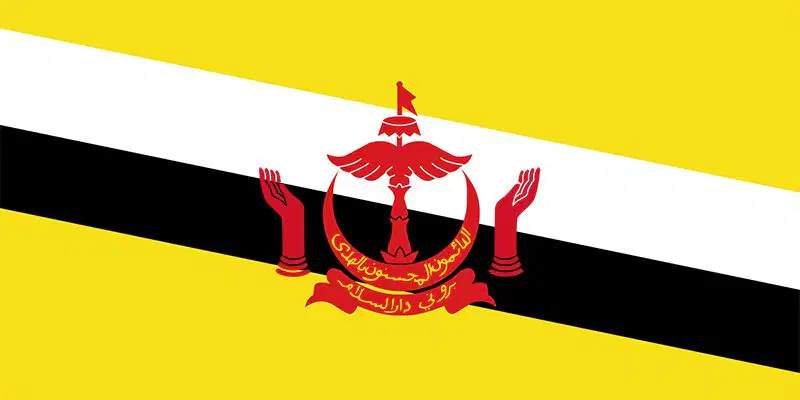
Brunei Darussalam
(a)
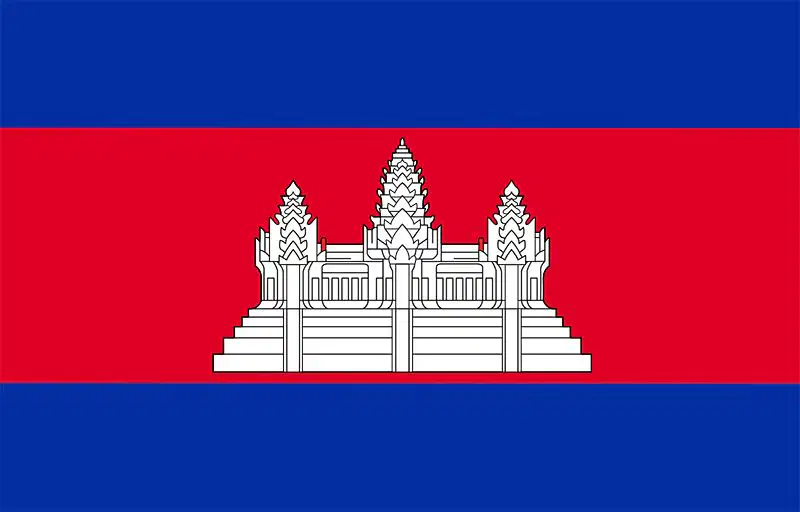
Cambodia
(a)
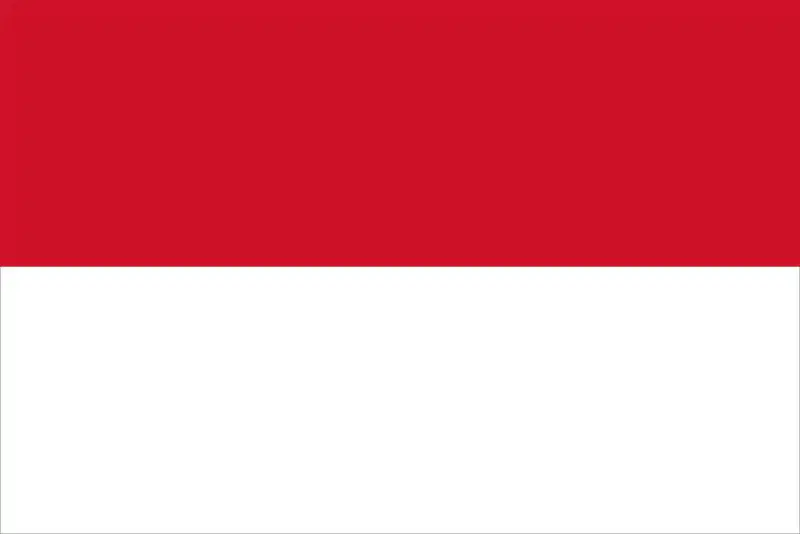
Indonesia
(a)
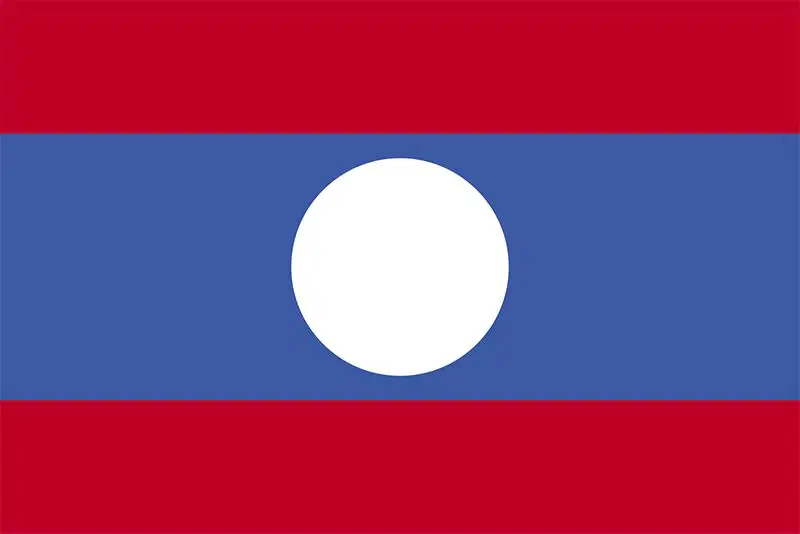
Laos
(a)
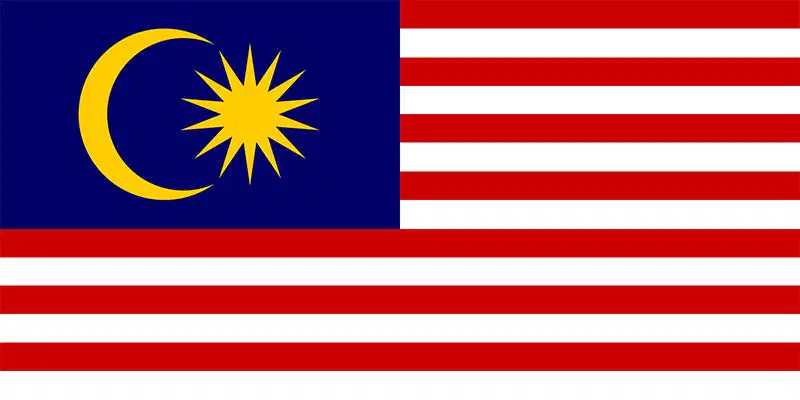
Malaysia
(a)
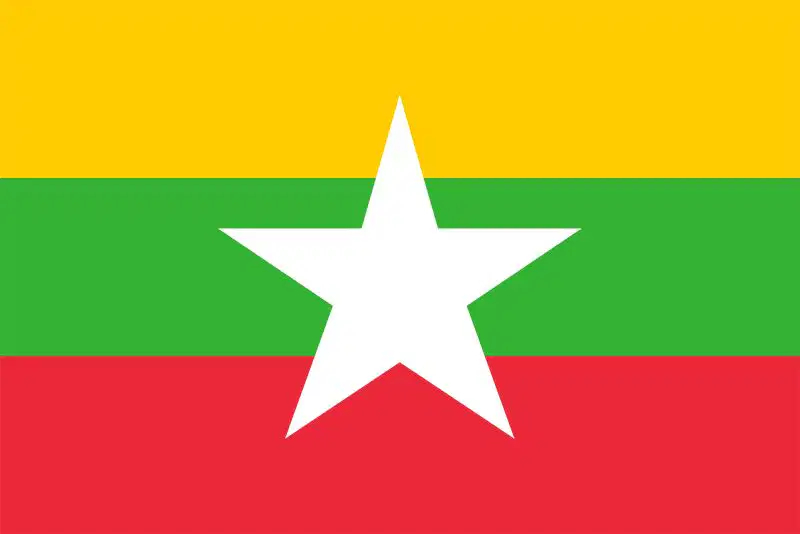
Myanmar
(a)

Philippines
(a)
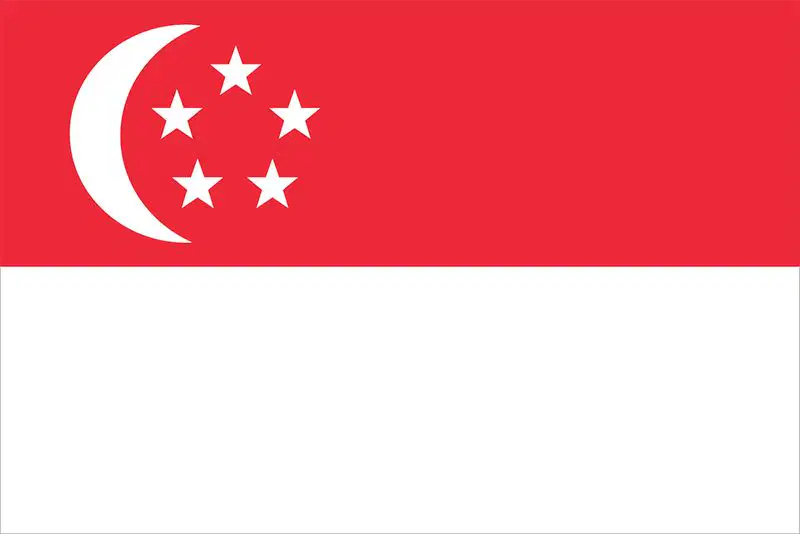
Singapore
(a)
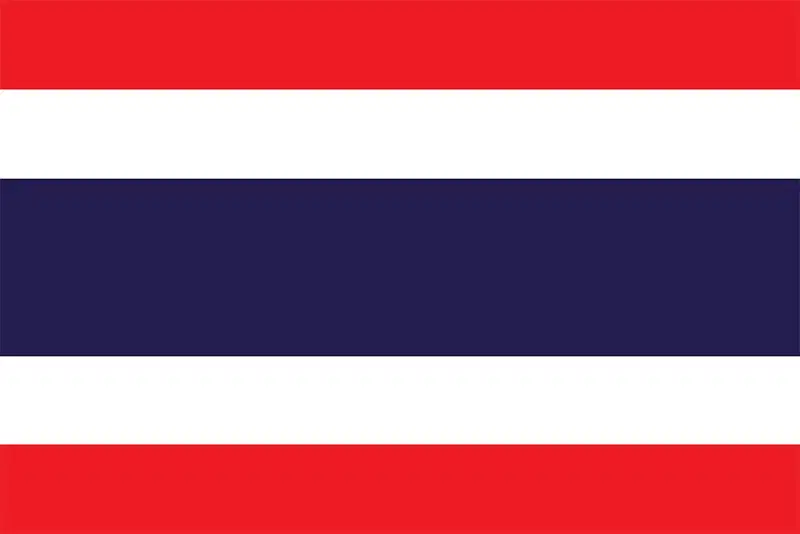
Thailand
(a)
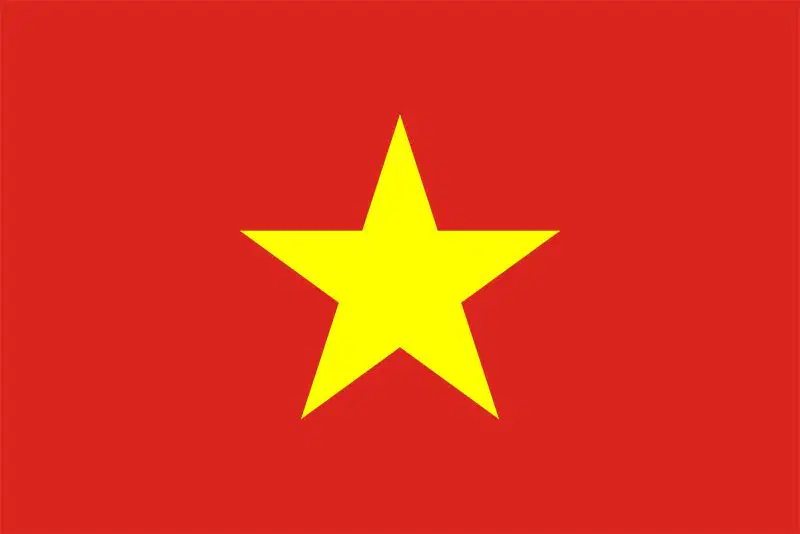
Vietnam
(a)

