
 Worksheets
Mr. Bradley world science
Total questions: 90
Worksheet time: 1hrs 29mins

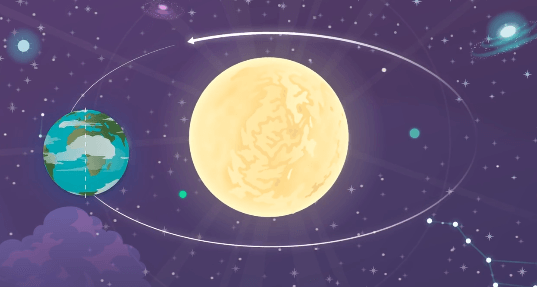


The layer of water vapor and other gases that surround Earth’s surface
Biosphere
Hydrosphere
Atmosphere
Geosphere
The average weather conditions over a long time
Precipitation
Weathering
Climate
Snow Day
The process in which water vapor turns into a liquid
Evaporation
Condensation
Precipitation
Surface Runoff
The movement of materials away from a place
Erosion
Weathering
Deposition
Rain
Water that falls from clouds as rain, snow, sleet or hail
Evaporation
Condensation
Precipitation
Surface Runoff
The process of laying down materials such as rock and soil
Erosion
Weathering
Geosphere
Deposition
The changing of liquid to a gas
Evaporation
Precipitation
Infiltration
Condensation
The process by which water from plants turns into a gas
Evaporation
Infiltration
Transpiration
Atmosphere
The part of Earth in which all living things are found
Hydrosphere
Biosphere
Atmosphere
Geosphere
Evaporation and Transpiration are similar processes, but the water comes from different sources. _________________ is when water vapor comes from liquid water on plants.
Evaportation
Transpiration
Repeated movement of water through the environment in different forms
Hydrosphere
Water Cycle
Precipitation
Water Vapor
All the waters of Earth
Atmosphere
Hydrosphere
Geosphere
Biosphere
The solid, rocky layers of Earth
Geosphere
Biosphere
Atmosphere
Hydrosphere
Frozen precipitation that forms in layers
Environment
Precipitation
Hail
Sleet
Evaporation and Transpiration are similar processes, but the water comes from different sources. _________________ is when water vapor comes from liquid surface water, such as streams, lakes, rivers, and oceans.
Evaporation
Transpiration
Frozen raindrops
Environment
Precipitation
Hail
Sleet
Where does the Water Cycle begin?
Collection
Precipitation
No starting point
Evaporation
The height above sea level
Erosion
Elevation
Condensation
Deposition
The state of the atmosphere
Environment
Precipitation
Climate
Evaporation
Organic matter is a main part of soil. What is the other main part of soil?
worms
dirt
water
inorganic matter
In a drought, farmers often have problems with their topsoil blowing away when it gets really dry. What could farmers do to keep the lightweight, dry soil from blowing away or eroding?
Plant the seeds farther apart.
Surround the fields with natural barriers, such as trees to block the wind.
Keep cows in the field.
Farmers often have trouble with their topsoil washing away during times of heavy rainfall. What could they do to keep the soil from washing away or eroding?
Keep pigs in the field.
Plant crops in valleys rather than on hills.
Try to create a place for the water to run off.
You are planning to buy a home along a river. You want to make sure that your home is safe from flooding and erosion. Which home should you buy?
A house on land that is level with the river with lots of pretty flowers.
A house on rocky, gently sloping land away from the river.
A house at the top of a steep cliff that is made of sandy soil.
What is a renewable resource?
A resource that can be replaced or recycled.
A resource that will not run out.
A resource that cannot be replaced at all, or cannot be replaced as fast as people use it.
What is a non-renewable resource?
A resource that can be replaced or recycled.
A resource that will not run out.
A resource that cannot be replaced at all, or cannot be replaced as fast as people use it.
What is an inexhaustible resource?
A resource that can be replaced or recycled.
A resource that will not run out.
A resource that cannot be replaced at all, or cannot be replaced as fast as people use it.
Sand dunes in the Middle East are created when the wind moves sand from deserts to new places. The sand being moved to a new location is an example of which of Earth's processes?
erosion and deposition
glacier movement
Earth crust movement
land mass motion
After a very heavy rain, a large amount of Earth breaks loose on a hillside. Which of Earth's processes caused this?
glacier movement
weathering
land mass motion
volcanic eruptions
Mount Everest grows 2 inches per year as the tectonic plates below it move toward each other. Which of Earth's processes causes this?
weathering
Earth crust movement
land mass motion
erosion and deposition
In the rock cycle, what causes igneous rock to form?
heat and pressure
weathering and erosion
tectonic plates
the cooling of magma
in the rock cycle, what causes sedimentary rock to form?
compaction and cementation
melting
heat and pressure
red, hot magma
In the rock cycle, what causes metamorphic rock to form?
red, hot magma
heat and pressure
erosion
wind
in the erosion lab, the larger, heavier sediments were generally deposited in the canyon and alluvial fan. Why did this happen?
the sediments were able to flow a long distance
the sediments couldn't be carried as far
in the erosion lab, the smaller and lighter sediments, such as clay and silt, were generally deposited downstream in the basin. Why did this happen?
the sediments were able to flow a long distance
the sediments couldn't be carried as far
In the erosion lab, what caused an increase in weathering, erosion, and deposition?
increased water supply
increased slope
both increased water supply and increased slope
neither - the weathering, erosion, and deposition stayed the same
Is it constructive or destructive when lava cools and creates new land?
constructive
destructive
The Hawaiian Islands were formed from volcanoes in the Pacific Ocean. Was this a fast process or a slow process?
fast
slow
A landslide occurs after a flash flood's flowing water caused large portions of the riverbank to be washed away. Was the land impacted by a constructive force or a destructive force?
constructive force
destructive force
What is the difference between renewable resources and inexhaustible resources?
Renewable resources, such as cows and eggs, could potentially run out, and inexhaustible resources, such as wind and water, will never go away completely.
Renewable resources can never be replenished and inexhaustible resources can.
Renewable resources are free and inexhaustible resources are very expensive.
The land feature formed when sediment is deposited at the mouth of a river is called a(n) ____________.
beach
dune
canyon
delta
The Hawaiian Islands were formed as a result of _____________.
deposition
glaciers
hurricanes
volcanic activity
Which of these can rapidly affect Earth’s surface?
earthquakes
annual rainfall
sediment deposits
frozen precipitation
Certain land features form where plates meet. Which land feature forms where two continental plates collide?
glaciers
oceans
mountains
trenches
How does a volcano cause a constructive change to the Earth's surface?
It floods the land.
It adds new land.
It takes land away.
It breaks apart land.

Which of these most likely caused the landform shown below?
rock slide
rain storm
strong winds
glacial movement

The Grand Canyon was formed as the result of _______________.
erosion
a glacier
a volcano
an earthquake
The breakdown of rock into smaller pieces by natural processes is called _________.
deposition
fossilization
sediment
weathering

The lava that flows from a volcano is caused by pressure underneath the Earth’s surface. This pressure is caused by ________________.
human activities that impact the lava flow
earthquakes that occur in the Earth’s core
heat trapped deep under the Earth’s surface
chemical weathering that occurs under the Earth’s surface
People bring sand from other places to Georgia’s coastline in a process known as _______. This process limits the effects of a ________________ process.
erosion, constructive
weathering, destructive
flood control, constructive
beach reclamation, destruction
How do humans try to prevent flood damage from overflowing rivers?
by adding sand to coastal beaches
by spreading salt on icy mountain roads
by building dams, levees, and storm drains
by studying the movements of tectonic plates

What is pictured in the diagram?
canyon
fault
tornado
volcano
The technology of a seismograph is helpful to humans because it ________.
determines the height of tidal waves
records historical temperature extremes
identifies locations with poor soil
helps detect and measure earthquakes
A student argues that a destructive force can change the surface of Earth. Which of the following could be used to support this claim?
A new island forms in the ocean.
A plain becomes a deep canyon due to erosion.
A sand dune forms on the beach.
A mountain grows taller over thousands of years.
A seawall constructed along a length of oceanfront property can assist a coastal city by _______________________.
keeping water temperatures down.
providing a road for cars.
preventing animals from migrating.
slowing erosion of beach sand.
Several dams were built across the Chattahoochee River. Which is one of the reasons they were built?
to prevent runoff
to prevent flooding downstream
to increase the flow of water in the river
to decrease the amount of water upstream

Students were tasked with making a model of how natural forces can change the surface
features of Earth. They make a pile of sand in front of an electric fan and turn it on. This model best represents which of the following changes to the surface of Earth?
The formation of a delta at the mouth of a river.
The building of a mountain on the edge of a continent.
The movement of dunes caused by the blowing wind.
The creation of a canyon by flowing water.

Stalagmites are structures that form on the floor of some caves. Most scientists explain this by saying that stalagmites form when minerals dissolved in water are left behind where water drips. Which evidence would support this explanation?
Freezing water turns it into a solid.
Water found in caves has minerals in it.
Some stalagmites are taller than others.
Many caves are found deep underground.
A student argues that a destructive force can change the surface of Earth. Which of the following could be used to support this claim?
A new island forms in the middle of an ocean.
A plain becomes a deep canyon with steep walls.
A sand dune shifts from one location to another.
A mountain grows taller over a thousand years.

Students placed two desks next to each other, and then pulled them apart. This demonstration best models which change that happens to the surface of the Earth.
Large cracks forming on the ground.
Waves making a beach smaller.
Sand dunes moving by winds.
Weathering changing the shape of a mountain.

Over many years, the depth of a lake gets more shallow. What could cause this change?
The climate in the area gets warmer.
Sediments are deposited in the lake.
The Sun evaporates the water.
A hurricane brings heavy rains.
What is the breakdown of the Earth’s crust into sediment called?
Weathering
Raining
Erosion
Whooshing
What does physical weathering involve?
Water
Wind
Temperature
All of the Above
What is the process called when a glacier deposits rocks in oceans and lakes?
Deposition
Drainage
Pollution
Depotism
What do flood plains, sandbars, and river deltas in common?
They are formed by water erosion.
They have been formed by glacial erosion.
They have been formed by wind erosion.
They have been formed by sandblasting.
What type of erosion formed the Grand Canyon?
Wind
Water
Sandblasting
Glacial
How might a weathered mountain appear different from an unweathered mountain?
The weathered mountain might be taller.
The weathered mountain would appear rounder.
The weathered mountain would be more jagged
Weathered mountain would contain less trees.
How long does the weathering process take?
A few days.
No more than a month.
Exactly one year.
Years and Years.
Which of these is a constructive change?
Volcano erupting forming new land.
A river cutting out a canyon.
A glacier scraping down the side of a mountain
Ice forming causing a rock to cut in half.
What is it called when weathered rock is carried away?
Weathering
Raining
Erosion
Breaking
Which of these is an example of erosion?
Light shining on a mountain
Wind blowing away sediment.
Rain breaking down rock.
All of the above.
What type of change does Erosion cause?
Physical
Chemical
Electrical
Magnetic
What is a good way to prevent erosion?
Blocking the wind.
Planting trees.
Preventing rainfall.
Preventing the flow of rivers.
What is weathering?
Process of breaking rocks into smaller pieces.
A shift in weather patterns.
Process by which mountains are formed.
Process by which seasons change.
What types of rocks are formed by weathering?
Metamorphic Rocks
Igneous Rocks
Sedimentary Rocks
Volcanic Rocks
What are the two types of Destructive forces?
Weathering / Warming
Weathering / Erosion
Weathering / Water
Weathering / Climate

