
 Worksheets
Unit 1 & 2 ILEARN Review
Total questions: 44
Worksheet time: 38mins
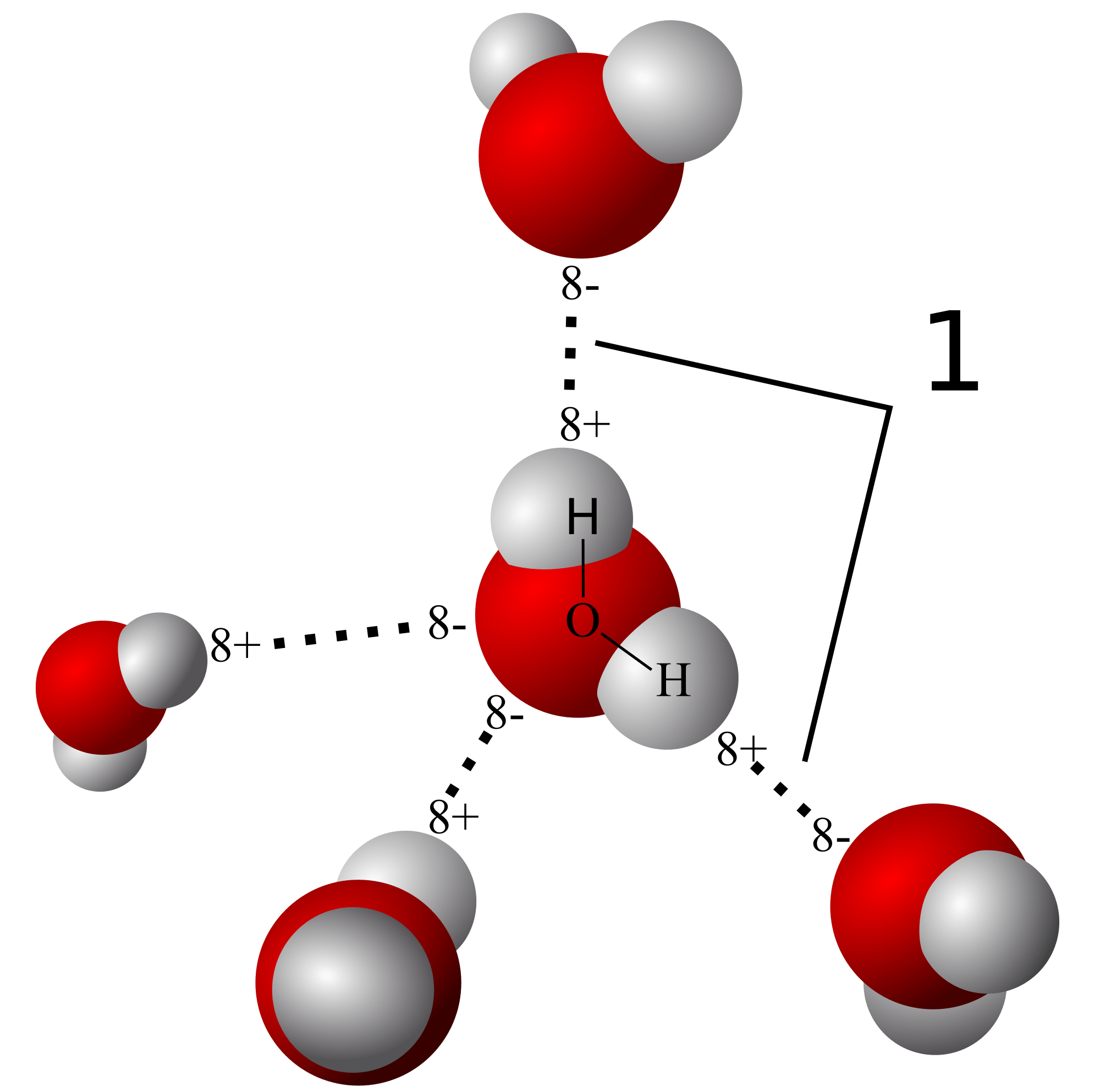
Attractions between water molecules are called
Covalent bonds
Ionic bonds
Polar bonds
Hydrogen bonds

What gives water so many important properties for life?
adhesion and cohesion
the amount of carbon in each molecule
energy released exothermically
hydrogen bonds give it polarity
Enzymes act on
products
proteins
amino acids
substrates
Which of the following is an example of a nucleic acid?
thyroxine
testosterone
The function of nucleic acids is to
transmit information
energy storage
Which of the following macromolecules is the main source of energy for living things?


Diffusion is a form of __________ transport.
Passive
Active
Easy
Free

Some cells move large particles out of the cell through the process of:
Protein Synthesis
Endocytosis
Exocytosis
Cytoplasmic Streaming
Particle of movement from an area of lower concentration to an area of higher concentration.
Active transport
Passive transport
Particle of movement from an area of higher concentration to an area of lower concentration.
Active transport
Passive transport
Which type of transport uses energy in the form of ATP to transport substances?
Active transport
Passive transport
Which type of transport does not use energy to transport substances?
Active transport
Passive transport
Which type of passive transport uses transport proteins to transport items such as glucose through the membrane?
Facilitated diffusion
Osmosis
Diffusion
Which type of solution has the same solute concentration inside of and outside of the cell?
Hypertonic
Hypotonic
Isotonic

The cell shrunk in size, which means it was placed in a ____ solution.
Isotonic
Hypertonic
Hypotonic

The cell expanded in size to the point of lysing (bursting), which means it was placed in a ____ solution.
Isotonic
Hypertonic
Hypotonic

The cell shows water moving in and out equally, which means it was placed in a ___ solution.
Isotonic
Hypertonic
Hypotonic
The cell membrane is a
carbohydrate bilayer
phopholipid bilayer
protein bilayer
Facilitated diffusion is the movement of a charged or polar molecule through ______ from high concentration to low concentration
the phospholipid bilayer
a protein channel
Basic unit of all forms of life
Cell
Nucleus
Prokaryote
Eukaryote
Structure that contains the cell's genetic material in the form of DNA
Vacuole
Nucleolus
Nucleus
Ribosome
Cell organelle that stores materials such as water, salts, proteins, and carbohydrates
Centriole
Vacuole
Ribosome
Lysosome
Cell organelle that breaks down lipids, carbohydrates, and proteins into small molecules that can be used by the rest of the cell
Vacuole
Chloroplast
Lysosome
Golgi apparatus
Network of protein filaments in a eukaryotic cell that gives the cell its shape and internal organization and is involved in movement
Cytoskeleton
Golgi apparatus
Ribosome
Endoplasmic reticulum
Organelle in cells that modifies, sorts, and packages proteins and other materials from the endoplasmic reticulum for storage in the cell or release outside the cell
Golgi apparatus
Ribosome
Vacuole
Lysosome
Strong, supporting layer around the cell membrane in some cells
Cytoskeleton
Cytoplasm
Cell wall
Nucleus
......is important in the creation and storage of lipids and steroids.
Smooth ER
Rough ER
Lysosome
Mitochondria
Rough ER are found in the cells which are actively synthesizing..
Lipids
Cholesterol
Proteins
Nucleic acids

