
 Worksheets
cons chem
Total questions: 75
Worksheet time: 4hrs 45mins
What is the bright green paste of copper minerals that ancient Egyptians applied on their faces for a definition?
(a)
substances or preparations intended for placement in contact with any external part of the human body
(a)
(a) used scented oils and ointments to clean and soften their skin, mask body odor and protect their skin against hot egyptian sun and dry winds.
made up of copper and lead ore that ancient Egyptians applied on their faces
(a)
bce wherein chinese stain their fingernails with gum arabic, gelatin, and beeswax and egg.
(a)
an art form in which intricate design were painted on the hands and feet using a paste made from the henna plant, especially before a hindu wedding
(a)
These scented solutions helped to protect against the “Bad Air” and to cure many ill health (1200s)
(a)
During the Renaissance period, what did European women use to lighten theirskin, known as “The Mask of Youth,” and later discovered toxic?
(a)
becomes widely used as a facial powder, replacing the previously deadly mixture of lead and copper
(a)
is made from white lead, later dismissed for health problems, including facial tremors, muscle paralysis and even death.
(a)
Refers to how the product behaves and flows when put into a particular container
(a)
which is not the reason why viscosity and product form are essential
To make it easy to apply
To make it easy to dispense and use the right amount
To suit customer’s perception
To limit the cost of the production
Water-based liquid can only contain a small amount of oils appropriately solubilized.
(a)
Thicker than liquid
Has a limited flow properties
Formed through the use of gum or thickening agents
(a)
Prevents the product from running out of the hand since it foams up
(a)
which does not describe serum
Varies from low viscosity gel to almost lotion-like
Used to deliver critical ingredients in a light product form
Made up of smaller molecules that can penetrate deeply into the skin and deliver a high concentration of active ingredients
Suitable to be put in jars with a wide mouth or bigger pump in nozzles
Can readily be pumped or squeeze out of the packaging with a little effort or may flow semi-freely
(a)
Have a lighter after-feel on the skin being water based
(a)
Which cosmetic product form is commonly used in making perfume, cologne and body mist?
(a)
Contains medium to high viscosity emulsions
(a)
Mostly or entirely oil-based
Semi-solid consistency
(a)
What is the cosmetic product form composed of various sized particles that can mechanically rub off layers of skin cells?
(a)
main ingredients chosen to perform the primary function of the cosmetic product
(a)
ability of a pharmaceutical product to retain its chemical, physical, microbiological and biopharmaceutical properties within specified limits throughout its shelf-life.
(a)
added in a small amount to add consumer acceptance and to make the product more marketable.
(a)
Who were the first people to believe that soap-like material can treat skin diseases?
(a)
Soap got its name from Mount (a) , where animals got sacrificed
hard, white fat that is rendered from cows, goats, bears, and other animals besides pigs during butchering
(a)
Why did soap-making become widespread in the 18th century?
It was known to treat skin diseases.
It was used for laundering and washing with much less effort.
It was known as a luxurious cleaning agent among wealthy people
It was used to advertise campaigns on personal hygiene and health.
French Chemist and Surgeon
Patented making soda ash or sodium carbonate from common salt
(a)
Belgian Chemist, Industrialist, and Philanthropist
Invented another soap technology
Made the “Ammonia Process”, to make soda ash out of common table salt
(a)
created the first synthetic detergent
(a)
Potassium or Sodium Salts of a Carboxylic Acid having a long aliphatic chain attached to it.
(a)
Which is NOT an ingredient in soap-making?
natural raw material
vegetable oils
hydrocarbon from petroleum
animal fats
A surfactant or mixture of surfactants that has cleaning properties in a dilute solution with water
(a)
Limited amount of surfactants
(a)
What is the skin conditioning agent that retards moisture loss by holding water within the skin’s surface layers and drawing in moisture from the air?
(a)
Which is effective even with the use of hard water?
(a)
A white or gray layer of accumulation that results from the reaction of soap with salts and minerals (calcium and magnesium) left when hard water evaporates
(a)
Involves heating plant oils and animals fats, reacting them with liquid alkali to produce soap plus water plus glycerine
(a)
What alkali can be added to make soft soap?
(a)
“All alkali are (a) but not all bases are alkali”
Using oils and fats in high-pressure steam to yield crude fatty acids and glycerine
(a)
Warm water or hot temperature helps to dissolve the grease and oil of the soil
(a)
Property of water
The tension is created as the water molecules at the surface are pulled into the body of water
(a)
. Which is biodegradable and has less environmental impact?
(a)
Can be positive, negative or no charge dependin g on the pH of water
(a)
Excellent cleaning, high sudsing
(a)
Enhance the cleaning effectiveness of surfactants
(a)
Organic compounds that are widely used for imparting color to textiles
(a)
retard moisture loss by holding water within the surface
layers of the skin and drawing in moisture from the air
(a)
a structure with alternating double and single bonds
(a)
functional group of atoms attached to the chromophore which modifies the ability of the chromophore to absorb light, altering the wavelength or intensity of the absorption
(a)
. What is the color-bearing group in the chemical structure of a dye?
(a)
position shift of a peak or signal to a longer wavelength (lower energy)
(a)
application of dyes or pigments on textile materials such as fibers, yarns, or fabrics with the goal of achieving color with desired color fastness
(a)
Derived from plants and animals
(a)
carry a negative charge (anionic) are used to polyamides and proteins that carry a positive charge (cationic) during the dyeing process
(a)
“aniline purple” and Perkin's mauve; was one of the first synthetic dyes
(a)
Involve dissolving the dye in a polymer matrix to form a solid-solid solution
(a)
perfect dye to use in denim fabric?
(a)
perfect dye to use in denim fabric?
(a)
Release chemical mosquito repellant
Masks the bodily flavor and aroma that lure mosquitoes
Saturates the air, creating an uncomfortable environment
(a)
Release chemical mosquito repellant
Masks the bodily flavor and aroma that lure mosquitoes
Saturates the air, creating an uncomfortable environment
(a)
Synthetic compounds produce to mimic the effects of the pyrethrins esters
(a)
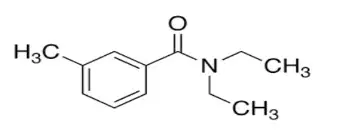
3-(N-acetyl-N-butyl) amino propionic acid ethyl ester
para-menthane 3,8-diol (PMD)
Butyl-3,3-dihydro-2,2-dimethyl-4-oxo-2H-pyran-6-carboxylate
N,N-diethyl-3-methylbenzamide
N,N-diethyl-m-toluamide

3-(N-acetyl-N-butyl) amino propionic acid ethyl ester
para-menthane 3,8-diol (PMD)
Butyl-3,3-dihydro-2,2-dimethyl-4-oxo-2H-pyran-6-carboxylate
N,N-diethyl-3-methylbenzamide
N,N-diethyl-m-toluamide
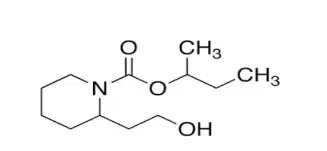
1-piperidine carboxylic acid 2(2-hydroxyethyl)-methylpropyl ester
para-menthane 3,8-diol (PMD)
Butyl-3,3-dihydro-2,2-dimethyl-4-oxo-2H-pyran-6-carboxylate
N,N-diethyl-3-methylbenzamide
N,N-diethyl-m-toluamide
Butyl-3,3-dihydro-2,2-dimethyl-4-oxo-2H-pyran-6-carboxylate
dmp
indalone
rutgers 612
citriodiol
Voluntarily removed in USA & Canada markets bcoz it showed low lung expansion in the offspring of an exposed mammal
(a)
the filters most commonly used to remove gasses.
(a)
carried out using steam at temperatures of between 800°C and 1000°C
(a)
distinct process where organic compounds in the air or water react chemically with the activated carbon, which causes them to stick to the filter
(a)
. Hydrogen gas is adsorbed on the surface of palladium metal. Which is the adsorbate?
(a)
“repellant choice for malaria prevention”?
(a)

