wayground logo

Free Printable Worksheets

Font size

S
M
L
XL
Worksheets

Periodic Table

Total questions: 88

Worksheet time: 52mins

Name
Class
Date
1.
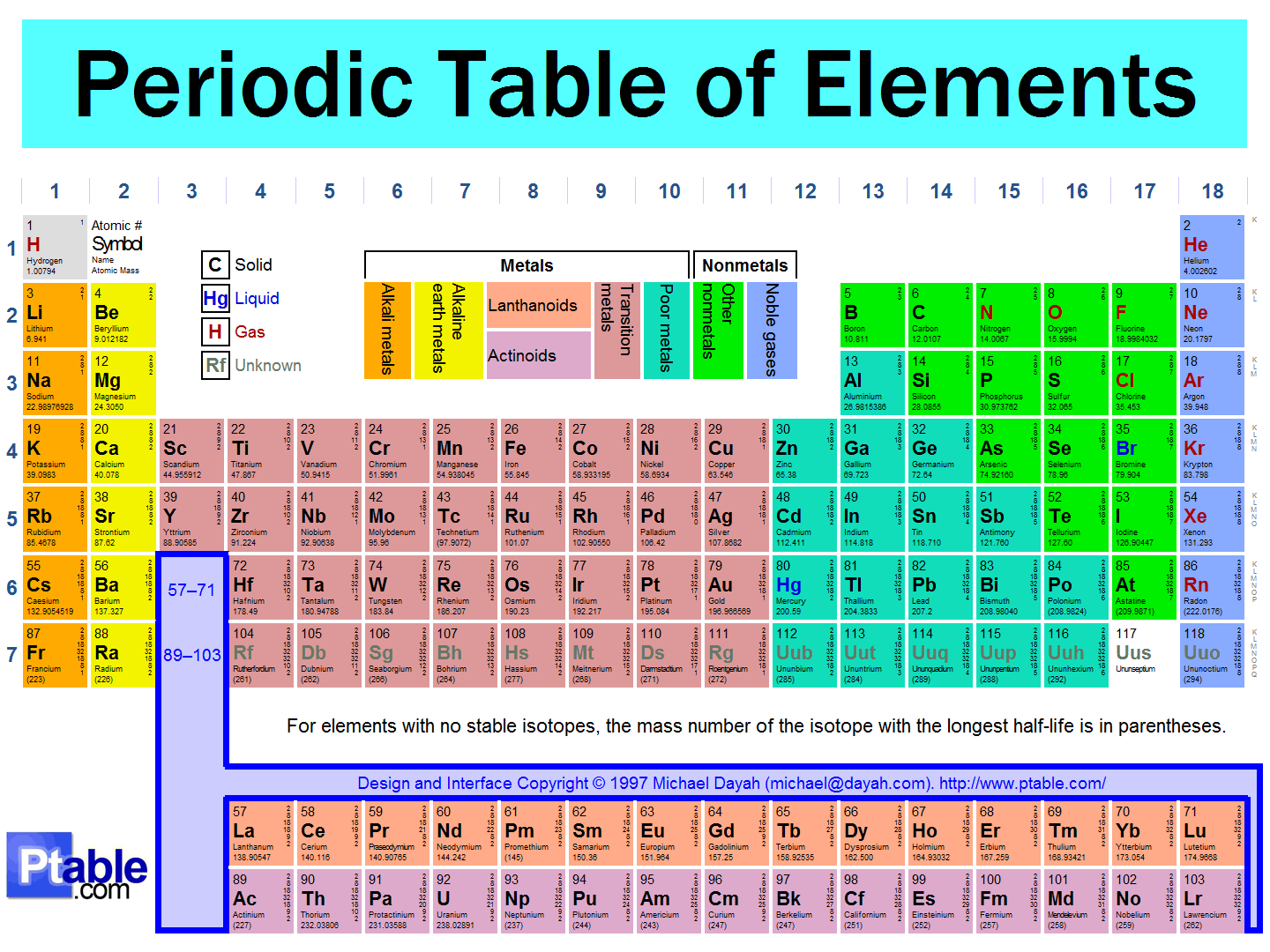
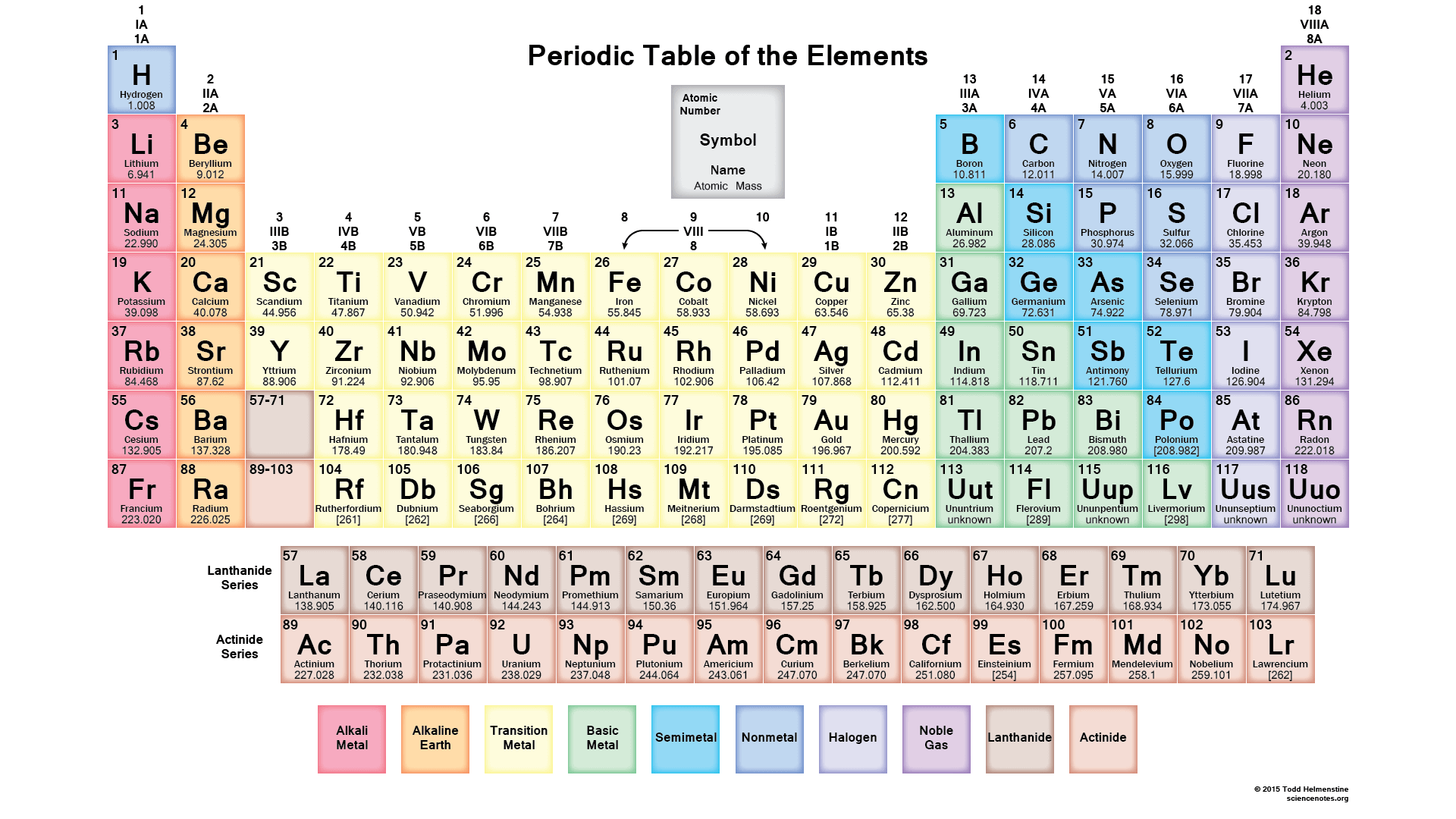
Each column in the periodic table is called a 
a)
period
b)
group
c)
cluster
d)
unit
2.
Beryllium is in group number______.
a)
Group 2
b)
Group 3
c)
Group 4
d)
Group 7
3.
The period for Bromine is ___________.
a)
3
b)
2
c)
4
4.
What is the name of the group that never reacts--ever ever they are stable with a full outermost ring!!!
a)
noble gases
b)
transition
c)
halogens
d)
borons
5.
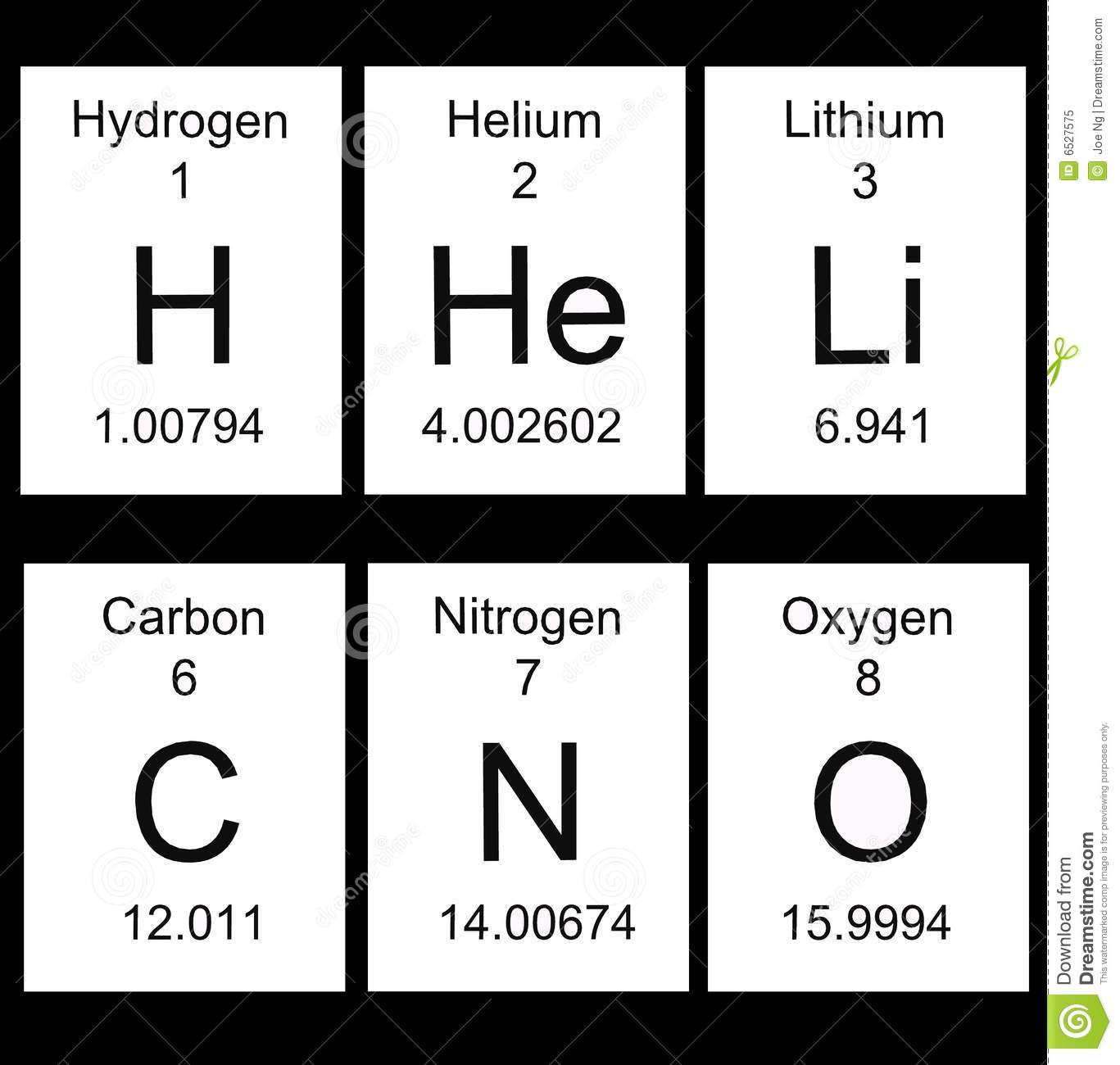
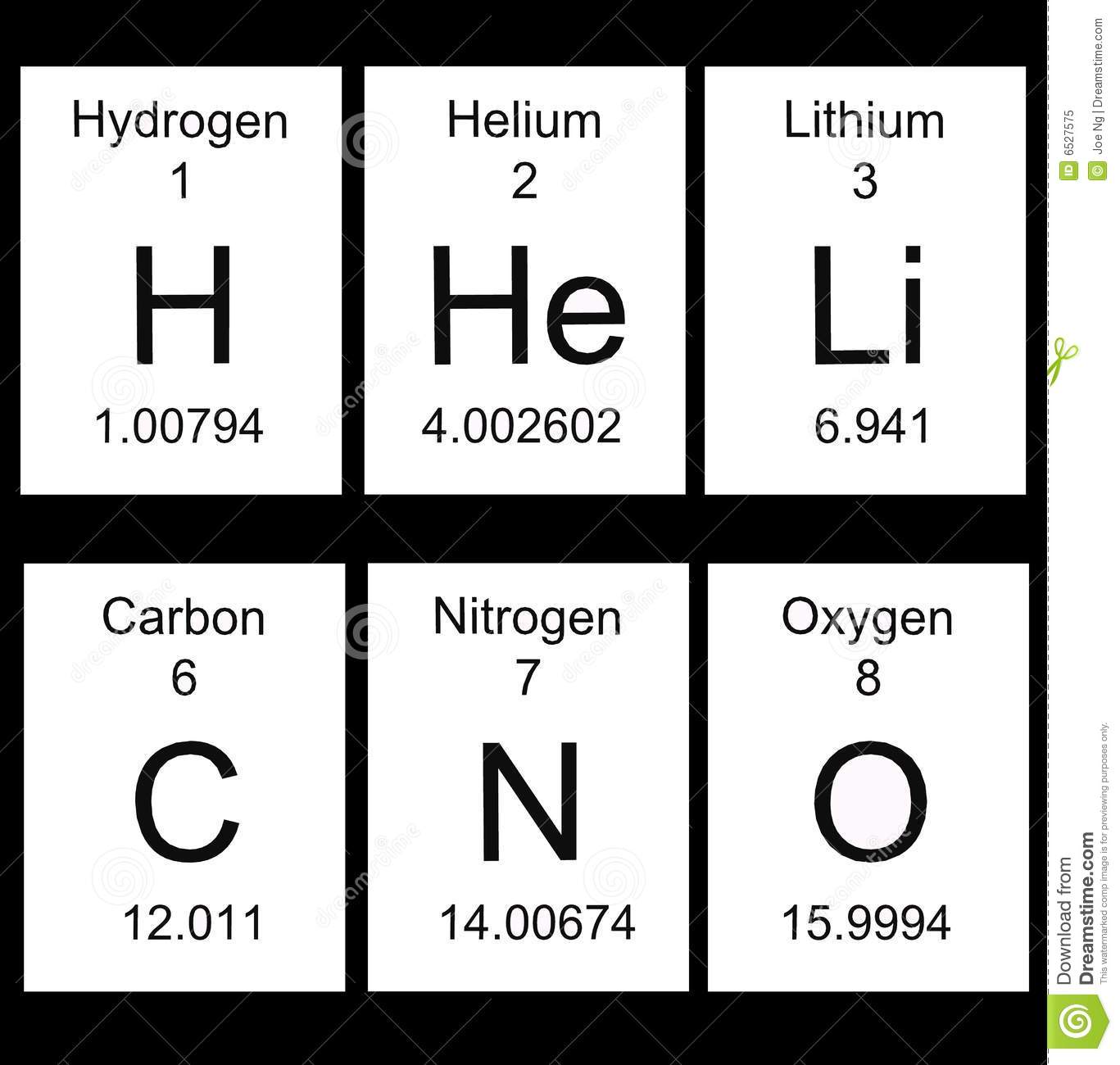
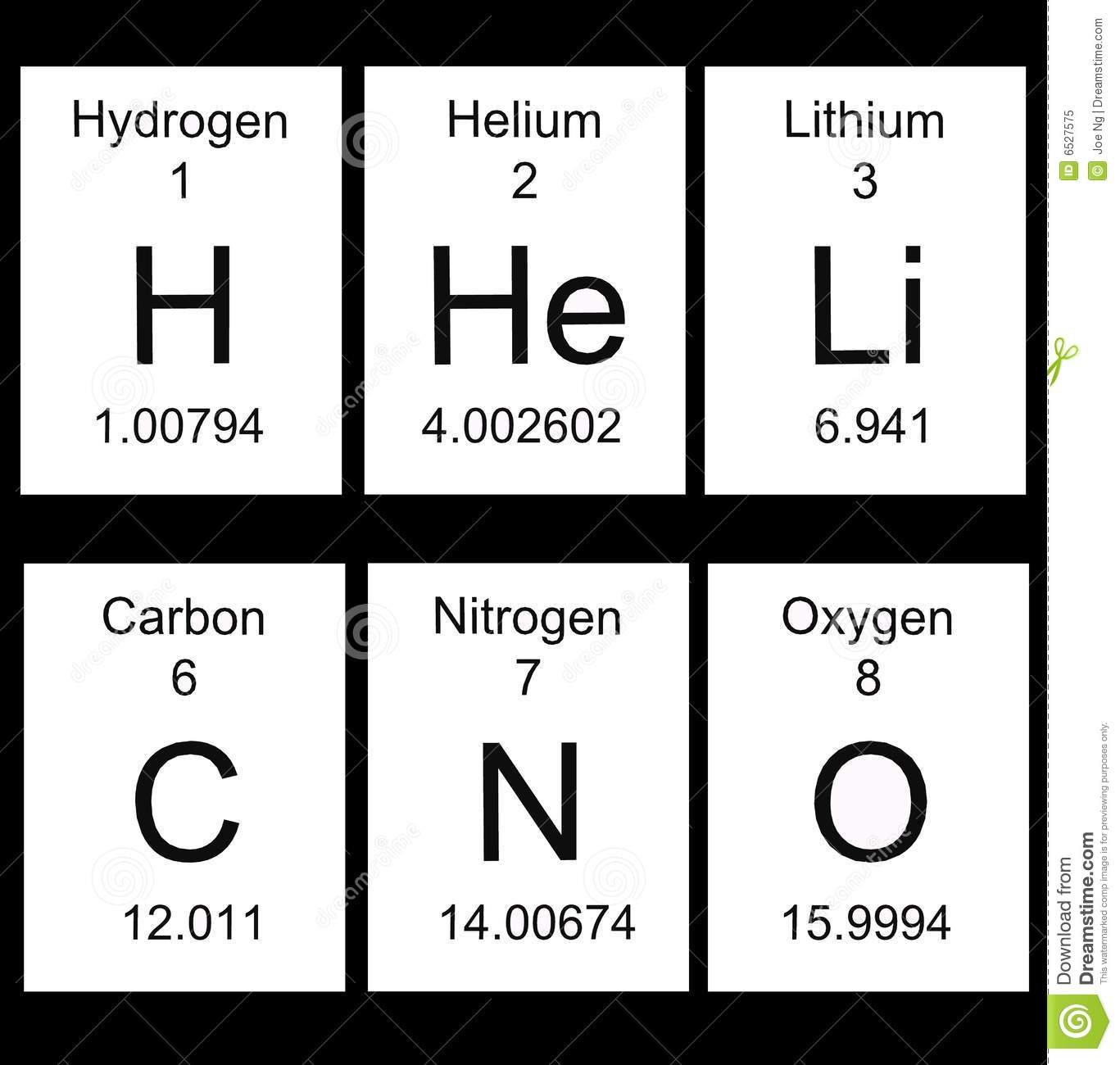
What is the chemical symbol for Lithium?
a)
H
b)
He
c)
Li
d)
N
6.
The number at the bottom of each square on the periodic table is the ...
a)
atomic number
b)
atomic mass
c)
chemical symbol
d)
element name
7.
The number at the top of each square on the periodic table is the ...
a)
atomic number
b)
atomic mass
c)
Chemical Symbol
d)
Element Name
8.
The horizontal row on the periodic table is called a
a)
group
b)
family
c)
period
d)
atomic number
9.

What are the three main groups of the periodic table?

a)

groups

b)

metal

c)

nonmetals

d)

metalloids

e)

periods

10.

What are the vertical columns on the periodic called?

a)

groups

b)

periods

c)

nonmetals

d)

metals

e)

metalloids

11.

What are the horizontal rows on the periodic table called?

a)

periods

b)

groups

c)

metals

d)

nonmetals

e)

metalloids

12.

What does the number of proton tell us?

a)

electrons

b)

atomic number

c)

atomic mass

d)

neutrons

13.

How do you calculate the number of neutrons? *

a)

Mass = Atomic number - Neutrons

b)

Mass - Atomic number = Neutrons

c)

Atomic number = Neutrons

14.

How many protons and electrons does nickel have?

a)

28

b)

58.69

15.

What is the atomic mass?

a)

58.693

b)

28

16.

The atomic number DIRECTLY tells you what?

a)

number of electrons

b)

number of protons

c)

number of neutrons

d)

both electrons and protons in an atom.

17.
Most of the elements on the periodic table are classified as _____.
a)
Metals
b)
Nonmetals
c)
Metalloids
d)
Periods
18.
These are found on the Periodic Table.
a)
Compounds
b)
Elements
c)
Mixtures
19.

Metals are found on the ______________ side of the periodic table.

a)

nonmetals

b)

left

c)

right

d)

metals

20.

This group of elements have properties that are opposite those of metals. ______________________

a)

luster

b)

nonmetals

c)

metalloids

d)

metals

21.

This group of elements sit along a stair step line on the periodic table and have properties of both metals and nonmetals. _________________________

a)

luster

b)

metals

c)

nonmetals

d)

metalloids

22.
Which of the following is a good conductor of heat?
a)
Metal
b)
Nonmetal
c)
Metalloid
23.
Atoms with similar properties are most likely located...
a)
in the same period.
b)
in the same group.
c)
in different periods.
d)
to the right and left of each other.
24.
Each element is unique based on its number of protons, also known as the...
a)
atomic mass
b)
valence number
c)
atomic symbol
d)
atomic number
25.
what does the 6 represent?
a)
Atomic mass
b)
atomic number
c)
chemical symbol
d)
element name
26.
A proton is....
a)
A negatively charged subatomic particle
b)
A positively charged subatomic particle
c)
A neutrally charged subatomic particle
d)
The only subatomic particle located in the nucleus
27.
A neutron has a charge of
a)
+2
b)
No charge
c)
-1
d)
+1
28.
What is the atomic mass of Neon?
a)
10
b)
30
c)
10.18
d)
20.18
29.
Which is a neutron?
a)
A
b)
B
c)
C
30.
Who first developed the Periodic Table?
a)
Mendeleev
b)
Mosely
c)
Mendella
d)
Murphy
31.

where are the metaloids found

a)

far left, vertical

b)

stair step/diagonal

c)

far right horizontal

d)

at the bottom

32.

A grouping of elements based on similar chemical properties, arranged by columns in the periodic table; also known as a group

a)

family

b)

period

c)

row

d)

isotope

33.

the basic structural unit of matter

a)

atom

b)

matter

c)

element

d)

nucleus

34.

the positively charged subatomic particle contained in the nucleus of an atom

a)

proton

b)

neutron

c)

electron

d)

matter

35.

a subatomic particle, contained in the nucleus of an atom, having the same mass as a proton but no electrical charge

a)

proton

b)

neutron

c)

electron

d)

matter

36.

a negatively charged subatomic particle that orbits the nucleus of an atom

a)

proton

b)

neutron

c)

electron

d)

matter

37.

one or two letters that represent the name of an element

a)

element name

b)

element symbol

c)

atomic number

d)

atomic mass

38.
Most of the mass of an atom is found it its _____.
a)
electron cloud
b)
nucleus
c)
atomic number
d)
empty space
39.
Which is an electron?
a)
A
b)
B
c)
C
40.

Which color on the image of the periodic table corresponds with the metalloids.

a)

bright yellow

b)

gold

c)

teal

d)

light blue

41.

Which elements are colored red?

a)

nonmetals

b)

metals

c)

metalloids

42.
Silicon is a semiconductor and has properties of both metals and nonmetals. What type of element is Silicon? 
a)
Metal
b)
Nonmetal
c)
Metalloid
d)
Pretty
43.
Sodium (Na) is found in period 
a)
3
b)
2
c)
4
d)
1
44.
Sodium (Na) is found in group 
a)
1
b)
2
c)
3
d)
4
45.
The atoms we study in 6th grade are neutral, which means they have the same number of
a)
protons and electrons
b)
protons and neutrons
c)
electrons and neutrons
46.
Element or Compound?
H2O
a)
Element
b)
Compound
47.
Element or Compound?
H2SO4
a)
Element
b)
Compound
48.
Element or Compound?
Au
a)
Element
b)
Compound
49.
Element or Compound?
As
a)
Element
b)
Compound
50.
Element or Compound?
Salt (NaCl)
a)
Element
b)
Compound
51.
Which of the following is not a compound?
a)
HCl
b)
Cl
c)
NaCl
d)
CO2
52.
How many elements are in C6H12O6?
a)
1
b)
2
c)
3
d)
4
53.
How many atoms are there TOTAL in:
H2SO4
a)
6
b)
5
c)
7
d)
3
54.
How many Hydrogen are in 4H2O?
a)
6
b)
8
c)
2
d)
4
55.
How many elements are in C6H12O6?
a)
1
b)
2
c)
3
d)
4
56.
How many atoms are there TOTAL in:
H2SO4
a)
6
b)
5
c)
7
d)
3
57.
How many Sodium (Na) are in 6NaCl?
a)
1
b)
12
c)
6
58.
Which is the correct formula for:
 three hydrogen (H)
one sulfur (S)
four oxygen (O)
a)
H3SO4
b)
HSO4
c)
H4S3O
d)
H2O
59.
How many Elements are in the compound C2H8O ?
a)
2
b)
1
c)
3
d)
0
60.
A subscript is the small number below a(n) ________ that tells the number of _______ of that element.
a)
element symbol; atoms
b)
atom; element symbol
c)
subscript; protons
d)
compound; elements
61.
What is a coefficient?
a)
The small number on the right of the chemical symbol.
b)
The large number to the left of a formula.
62.
A pure substance that cannot be broken down into simpler substances.
a)
element
b)
compound
c)
molecule
d)
carbon dioxide
63.

A capital letter or combination of a capital letter and a small letter that is used to represent an element is called a(n) ________

a)

Element symbol

b)

Element sign

c)

Atomic Number

d)

Atomic Mass

64.
Element or compound?
O2
a)
Element
b)
Compound
65.
Which of the following is a compound?
a)
Co
b)
O2
c)
C
d)
CO2
66.

How many atoms are present if there is no subscript following the element symbol?

a)

0

b)

2

c)

only 1

d)

1 million

67.

HCl has how many atoms of each element?

a)

H=1, Cl=1

b)

H=2, Cl=2

c)

H=3, Cl=1

68.

The first letter of an element is always ...

a)

a lowercase letter

b)

a uppercase letter

c)

a number

d)

the letter H

69.

The second letter of an element is always a(n)...

a)

vowel

b)

uppercase letter

c)

consonant

d)

lowercase letter

70.

How many atoms are in this chemical formula: (NH4)2SO4

a)

12

b)

15

c)

4

d)

10

71.

How many atoms are in this formula: Zn(NO3)2

a)

3

b)

5

c)

9

d)

7

72.

How many elements are in this chemical formula: Zn(NO3)2

a)

3

b)

7

c)

5

d)

12

73.

In a chemical formula, the coefficient tells you the number of ______________.

a)

atoms

b)

elements

c)

compounds

d)

molecules

74.
How many Elements are in the compound C2H8O ?
a)
2
b)
1
c)
3
d)
0
75.
A subscript is the small number below a(n) ________ that tells the number of _______ of that element.
a)
element symbol; atoms
b)
atom; element symbol
c)
subscript; protons
d)
compound; elements
76.

A capital letter or combination of a capital letter and a small letter that is used to represent an element is called a(n) ________

a)

Element symbol

b)

Element sign

c)

Atomic Number

d)

Atomic Mass

77.

How many atoms are present if there is no subscript following the element symbol?

a)

0

b)

2

c)

only 1

d)

1 million

78.

HCl has how many atoms of each element?

a)

H=1, Cl=1

b)

H=2, Cl=2

c)

H=3, Cl=1

79.

The first letter of an element is always ...

a)

a lowercase letter

b)

a uppercase letter

c)

a number

d)

the letter H

80.

The second letter of an element is always a(n)...

a)

vowel

b)

uppercase letter

c)

consonant

d)

lowercase letter

81.

What was special about Mendeleev's Periodic Table?

a)

He discovered every element that exists.

b)

He left blanks for elements that would be discovered in the future.

c)

He made 20 new elements.

82.

How do you figure out the number of electrons?

a)

Look at the atomic number

b)

look at the atomic mass

c)

atomic mass - atomic number

d)

atomic number - atomic mass

83.

Which subatomic particle is positive?

a)

Protons

b)

Neutrons

c)

Electrons

84.

Which subatomic particle is negative?

a)

Protons

b)

Neutrons

c)

Electrons

85.

Which subatomic particle is neutral?

a)

Protons

b)

Neutrons

c)

Electrons

86.

How many electrons are in the first 4 electron shells?

a)

8-8-8-8

b)

2-2-2-2

c)

2-8-18-32

d)

2-18-8-32

87.

What is a shell/orbital?

a)

Center of an atom

b)

Outer boundary of an atom

88.

What is the term for the following definition: negative particle on the outermost shell of an atom

a)

electron

b)

neutron

c)

proton

d)

valence electron