wayground logo

Free Printable Worksheets

Font size

S
M
L
XL
Worksheets

Body Systems

Total questions: 88

Worksheet time: 54mins

Name
Class
Date
1.

This part of the brain helps with balance and coordination by controlling how the the muscles work together.

a)

cerebrum

b)

cerebellum

c)

brain stem

2.

Several important involuntary functions, such as breathing and heartbeat, digestion, and sleep are controlled by the

a)

Hippocampus

b)

cerebellum

c)

brain stem or medulla

d)

Cerebrum

3.

This part of the brain is the center of conscious thought. It controls our voluntary muscle movements like running and talking as well as our senses (hearing and tasting).

a)

cerebrum

b)

brain stem

c)

cerebellum

4.

An example of voluntary movement would be:

a)

Dancing

b)

heart beat

c)

digestion

d)

breathing

5.
The spinal cord is part of the ____ nervous system.
a)
Central
b)
Peripheral
6.

The nerves in your fingertips are part of the ___ nervous system

a)

central

b)

peripheral

7.

Two major branches of the nervous system

a)

central and peripheral

b)

peripheral and motor

c)

motor and sensory

8.

The nervous system is composed of the ___, ___, and ___.

a)

heart, brain, kidneys

b)

lungs, liver, stomach

c)

brain, spinal cord, nerves

9.

The brain is part of the ____ nervous system.

a)

central

b)

peripheral

10.
The nerves in your legs are part of the ____ nervous system.
a)
Central 
b)
Peripheral
11.

This is part of our central nervous system and is responsible for connecting the brain to the rest of the body.

a)

Brain

b)

Spinal Cord

c)

Neurons

12.

This is part of our central nervous system and is the "control center" of the body. It controls body functions.

a)

Brain

b)

Spinal Cord

c)

Neurons

13.

Nerves are made up of nerve cells called

a)

cardiac cell

b)

neurons

14.

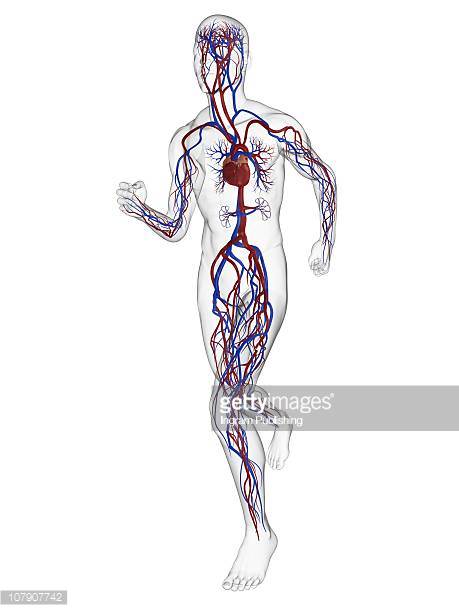
What is the main organ of the circulatory system?

a)

small intestine

b)

bone

c)

lungs

d)

heart

15.

The job of the heart is to . . .

a)

pump blood around the body.

b)

send food to the small intestines.

c)

break down food.

d)

give energy to the body.

16.

How does the heart work?

a)

It pumps blood first to the lungs, back to the heart and then around the rest of the body.

b)

It pumps blood first to the rest of the body, back to the lungs and then to the heart.

c)

It pumps blood around the rest of the body, back to the heart and then to the lungs,

17.

The circulatory system works with the ___________ system to provide our body with oxygen.

a)

respiratory

b)

digestive

c)

muscular

d)

skeletal

18.
The circulatory system works with the __________ system to obtain energy from nutrients that we eat. 
a)
respiratory 
b)
digestive
c)
skeletal
d)
nervous
19.
Which is responsible for providing oxygen to cells?
a)
respiratory system
b)
circulatory system
c)
muscular system
d)
nervous system
20.
Which best describes the relationship between the muscular system and the circulatory system? 
a)
The circulatory system captures carbon dioxide from the air for muscle energy.
b)
The circulatory system produces red blood cells to bring oxygen to the muscles
c)
The circulatory system provides a framework for muscle movement
d)
The circulatory system delivers oxygen for muscle energy
21.

Deoxygenated blood means that the blood is low in...

a)

Oxygen

b)

Carbon Dioxide

22.

Which of the following is not part of the circulatory system?

a)

veins

b)

heart

c)

stomach

d)

arteries

23.

As the blood reaches the lungs, what is removed from the blood?

a)

oxygen

b)

carbon dioxide

c)

red blood cells

d)

white blood cells

24.
The main function of the circulatory system is 
a)
To give the body structure and support
b)
Excrete waste
c)
transport blood, nutrients, and gases throughout the body
d)
to transport messages from the body to the brain
25.

A blood vessel that carries blood AWAY from the heart

a)

vein

b)

artery

c)

platelets

26.

How many chambers does a human heart have?

a)

1

b)

2

c)

3

d)

4

27.

Which blood vessel carries deoxygenated blood back to the heart?

a)

vein

b)

artery

c)

platelets

28.

The heart is made of ______ muscle

a)

skeletal

b)

cardiac

c)

smooth

29.

True or False: the right atrium and left atrium are the 2 chambers on the bottom of the heart

a)

True

b)

False

30.

True or False: the right ventricle and left ventricle are the 2 chambers on the top of the heart

a)

True

b)

False

31.
Which of the following delivers oxygen to cells?
a)
Red Blood cells
b)
White blood cells
c)
Platelets
d)
Plasma
32.
Another name for the circulatory system is __________________________________________ because they describe the system that consists of the heart, blood vessels, and blood.
a)
Cardiovascular System
b)
Heart
c)
Vein
d)
Artery
33.
The process by which the body breaks down food so that it can be used for energy.
a)
composition
b)
digestion
c)
deposition
d)
absorption
34.
A fluid in the mouth that helps digest food.
a)
pepsin
b)
pepsi
c)
saliva
d)
salty
35.
a)
esophagus
b)
liver
c)
stomach
d)
pancreas
36.
a)
stomach
b)
pancreas
c)
large intestine
d)
small intestine
37.
The chewing and grinding of food into smaller pieces is an example of...
a)
Mechanical Digestion
b)
Chemical Digestion
38.
Gastric juices in the stomach digest food into a thick liquid.  This is...
a)
Mechanical digestion
b)
Chemical digestion
39.

Where does digestion begin?

a)

Our teeth

b)

Our stomach

c)

The esophogus

d)

Small intestines

40.
What is the definition for digestion?
a)
Breaking down food into smaller nutrients
b)
Getting rid of waste products
c)
Getting food into our bodies
d)
Getting nutrients into our bloodstream, so that our cells can use them
41.
The muscular tube that moves food from the mouth to the stomach?
a)
esophagus
b)
small intestine
c)
stomach
d)
mouth
42.
Enzymes and acids are examples of 
a)
mechanical digestion
b)
chemical digestion
43.
Chewing, grinding, and churning are examples of...
a)
mechanical digestion
b)
chemical digestion
44.

What is the digestive system?

a)

A system to take out the bad stuff that's in your body

b)

A system where a certain group of organs work together to convert food into energy to feed the body

c)

A system where certain organs in the body digest the food you eat

d)

A system that the organs in the stomach make food for the body to digest.

45.

Where does the digestive system start?

a)

The liver

b)

The throat

c)

The stomach

d)

The mouth

46.

What does the small intestine do?

a)

reabsorbs the water after the process of the system.

b)

Absorbs most of the end of the nutrients and minerals from where the food takes place.

c)

keeps the stomach in balance for when the system starts.

d)

Absorbs most of the food that's left from the process.

47.

Which is the esophagus?

a)

A

b)

B

c)

C

d)

D

e)

E

48.

What does the large intestine do?

a)

digest the food from this process

b)

makes a pathway for the food

c)

reabsorb a lot of the water from this process

d)

absorbs the food from this process

49.

Which parts of the diagram is the small and large intestine?

a)

A~ small intestine

E~ large intestine

b)

D~ small intestine

E~ large intestine

c)

C~ large intestine

B~ small intestine

d)

A~ large intestine

C~ small intestine

e)

E~ small intestine

D~ large intestine

50.

What organ is responsible for filtering the blood?

a)

Lungs

b)

Bladder

c)

Kidneys

d)

Heart

51.

What is the name of stretchy, muscular organ responsible for holding urine until you decide to use the bathroom?

a)

Kidneys

b)

Urethra

c)

Ureter

d)

Bladder

52.

Which structure transports urine from the kidney to the bladder?

a)

Ureter

b)

Urethra

c)

Bladder

d)

Kidney

53.

What is the name of the structure that leads from the bladder to the outside environment?

a)

Ureter

b)

Bladder

c)

Urethra

d)

Kidney

54.

The excretory system is responsible for moving toxic wastes, dissolved molecules, and excess heat. You would conclude that the excretory system contributes to

a)

circulating molecules around the body

b)

maintaining homeostasis in the body

c)

producing glucose

d)

gas exchange

55.
Which sequence represents the correct pathway for the removal of urine from the human body?
a)
kidney → ureter → urinary bladder → urethra
b)
kidney → urethra → urinary bladder → ureter
c)
ureter → kidney → urinary bladder → urethra
d)
urethra → kidney → urinary bladder → ureter
56.

The excretory system works directly with the ___ system to allow blood to be filtered in the kidneys.

a)

skeletal

b)

digestive

c)

circulatory

d)

endocrine

57.
There are two kidneys, two ureters, one urinary bladder, and one urethra.
a)
True
b)
False
58.

Identify the structure labelled "A" in the diagram.

a)

Kidney

b)

Ureter

c)

Bladder

d)

Urethra

59.

Identify the structure labelled "B" in the diagram.

a)

Kidney

b)

Ureter

c)

Bladder

d)

Urethra

60.

Identify the structure labelled "C" in the diagram.

a)

Kidney

b)

Ureter

c)

Bladder

d)

Urethra

61.

Identify the structure labelled "D" in the diagram.

a)

Kidney

b)

Ureter

c)

Bladder

d)

Urethra

62.

All of these structures combined make up which system?

a)

Integumentary System

b)

Digestive System

c)

Urinary System

d)

Immune System

63.
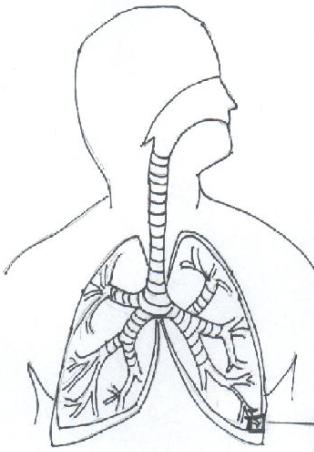
When you breathe, your lungs take in ___ and remove ___. 
a)
air/oxygen
b)
oxygen/carbon dioxide 
c)
carbon dioxide/waste 
d)
waste/air 
64.
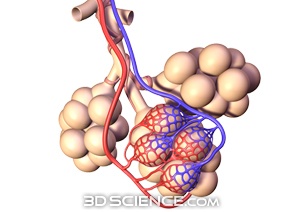
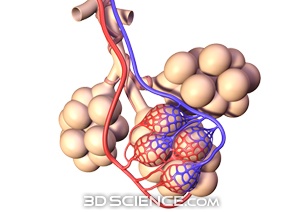
The air sacs that are covered with capillaries where gas exchange takes place
a)
bronchi
b)
lungs
c)
oxygen
d)
alveoli
65.
What is the main function of the respiratory system?
a)
to provide oxygen and remove carbon dioxide from the body
b)
to bring oxygen to the body
c)
to break down food and absorb nutrients
d)
to remove oxygen from the body and deliver carbon dioxide
66.

Where does oxygen initially enter into the body?

a)

nose and mouth

b)

eyes

c)

brain

d)

throat

67.

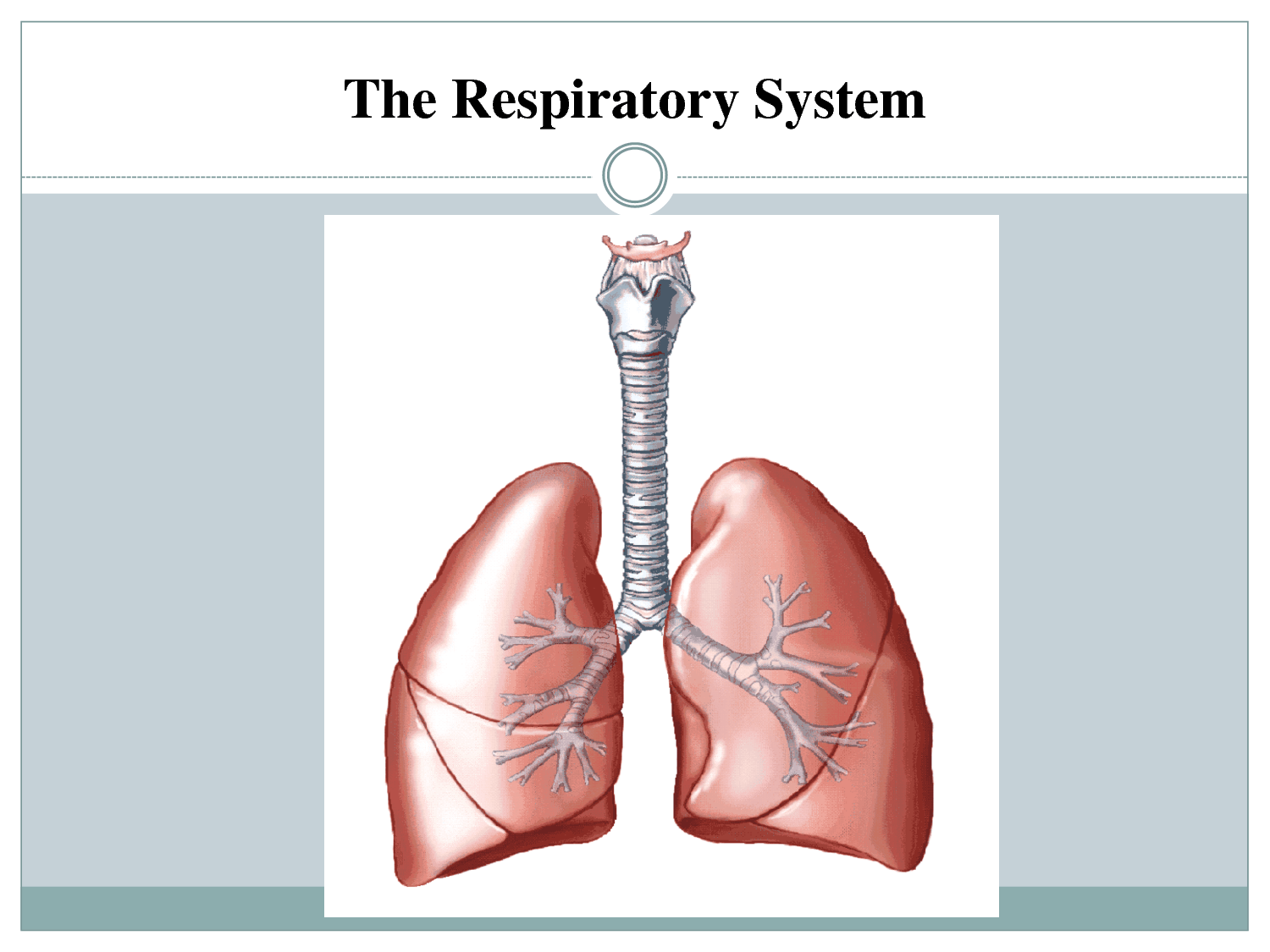
What are the two branches called that branch off from your trachea and into your lungs?

a)

bronchus (bronchi)

b)

alveoli

c)

lungs

d)

trachea

68.

What are the smaller branches of the bronchi called?

a)

bronchioles

b)

alveoli

c)

ravioli

d)

lungs

69.

What do humans need to breathe in from the air?

a)

oxygen

b)

nitrogen

c)

carbon dioxide

d)

ammonia

70.

What gas do plants take in that animal/humans breathe out?

a)

carbon dioxide

b)

oxygen

c)

nitrogen

d)

phosphorus

71.

What is the function of the diaphragm?

a)

the muscle that contracts and relaxes when you breathe

b)

the muscle that regulates your heart beat

c)

no function

72.
What is the function of the bronchi?
a)
Transport air from nose to lungs
b)
Transport air from trachea to lungs
c)
Transport air from lungs to alveoli
d)
Transport air from alveoli to blood
73.
Which muscle type is found in your stomach, bladder, and intestines?
a)
Skeletal
b)
Smooth
c)
Cardiac
d)
Straight
74.
Which type of muscle is found in your heart?
a)
Skeletal
b)
Smooth
c)
Cardiac
d)
Straight
75.
Which muscles are involuntary?
a)
skeletal
b)
cardiac
c)
smooth
d)
smooth and cardiac
76.
When a muscle contracts, it _______
a)
gets longer
b)
gets shorter
c)
gets thinner
d)
grows hair
77.
Which types of muscle tissue are voluntary?
a)
Cardiac
b)
Skeletal
c)
Smooth
d)
Cardiac and Smooth
78.
Skeletal muscles are attached to the _________.
a)
Stomach
b)
Lungs
c)
Bones
d)
Involuntary Muscles
79.
Cardiac muscles are ONLY located in the heart
a)
TRUE
b)
FALSE
80.
Muscles always work in _____
a)
pairs
b)
groups of 3
c)
bones
d)
joints
81.
Voluntary muscle is
a)
muscle that has to be told when to move
b)
muscle that moves automatically
c)
muscle that needs to be stretched regularly
d)
muscle that makes up the heart and stomach
82.
What is an example of an involuntary muscle? 
a)
Heart
b)
Arms 
c)
Legs
d)
Shoulders
83.
The cardiac muscle is 
a)
Voluntary 
b)
Involuntary 
84.
The smooth muscle is located 
a)
In the heart 
b)
Bones 
c)
Head 
d)
Within organs 
85.
Involuntary muscle is 
a)
muscle found in the heart
b)
muscle found in the organs
c)
muscle that works automatically
d)
all of these are true
86.
What is a voluntary muscle?
a)
You have control over the muscle 
b)
You have no control over the muscle
c)
Muscle works automatically
d)
Muscles fuse together
87.

_______________________ is when the muscles in the throat push food down to the stomach.

a)

Pyloric

b)

Chemistry

c)

Muscular action

d)

Peristalsis

88.

After food leaves the stomach it goes into the _______________.

a)

pyloric valve

b)

small intestine

c)

peristalsis

d)

large intestine