
 Worksheets
Bio Sem1 rev
Total questions: 83
Worksheet time: 47mins
Name
Class
Date
1.
A localized group of organisms that belong to the same species is called a
a)
community
b)
population
c)
ecosystem
d)
family
2.
A cow's herbivorous diet indicates that it is a(n)
a)
autotroph
b)
decomposer
c)
secondary consumer
d)
primary consumer
3.
Which of the following terms encompasses (includes) all of the others?
a)
primary consumers
b)
herbivores
c)
carnivores
d)
heterotrophs
4.
The number of organisms of a particular species that an environment can support is called
a)
the biotic number
b)
the carrying capacity
c)
the statute of limitations
d)
tolerance
5.
Any biotic or abiotic factor that restricts the existence, numbers, reproduction, or distribution of organisms is called a(n)
a)
tolerance
b)
limiting factor
c)
population distribution
d)
carrying capacity
6.
A certain forest can support a population of 300 squirrels. This statement best describes
a)
the limiting factors that squirrels face in the forest
b)
the tolerance of squirrels for changes to their environment
c)
the carrying capacity of the forest for squirrels
d)
the predator-prey relationship of squirrels and foxes
7.
These organisms can also be called herbivores because they eat plants or algae.
a)
secondary consumers
b)
primary consumers
c)
primary producers
d)
tertiary consumers
8.
Plants, algae and other organisms that make their own energy-rich compounds (food) by photosynthesis are called
a)
producers
b)
primary consumers
c)
secondary consumers
d)
keystone species
9.
A carnivore that eats herbivores is called a(n)
a)
primary producer
b)
primary consumer
c)
secondary consumer
d)
tertiary consumer
10.
The recycling of matter in ecosystems requires the breakdown of dead organic matter. This is accomplished by
a)
decomposers
b)
primary consumers
c)
secondary consumers
d)
primary producers
11.
A mouse eats grass. A snake eats the mouse and an eagle eats the snake. What is the eagle?
a)
producer
b)
primary consumer
c)
secondary consumer
d)
tertiary consumer
12.
What approximate percent of the energy found in primary consumers is passed on to secondary consumers?
a)
50%
b)
100%
c)
10%
d)
90%
13.
Aspects of the nonliving environment that affect the species in the environment and determine which species can live there are called
a)
ecosystems
b)
abiotic factors
c)
biotic factors
d)
commensalism
14.
Organisms in trophic level 3 are
a)
decomposers
b)
herbivores
c)
carnivores
d)
producers
15.

What type of growth is represented on the graph?
a)
exponential
b)
logistic
c)
a good kind
d)
representative
16.

What is the carrying capacity of the following graph?
a)
1000
b)
1200
c)
200
d)
800
17.

What point on the graph represents the carrying capacity?
a)
A
b)
B
c)
C
d)
D
18.
What factor describes when populations decrease because animals are moving out of a population?
a)
Emigration
b)
Limiting Factors
c)
Immigration
d)
Exponential Growth
19.
What factor describes when populations increase because animals are moving into a population?
a)
Emigration
b)
Limiting Factors
c)
Immigration
d)
Exponential Growth
20.
What causes growth to stop in logistic growth?
a)
Emigration
b)
Immigration
c)
Exponential Growth
d)
Carrying Capacity
21.
Symbiotic relationship in which one organism benefits and the other organism is harmed.
a)
mutualism
b)
predation
c)
commensalism
d)
parasitism
22.
The largest number of individuals an environment can support.
a)
carrying capacity
b)
primary succession
c)
density dependent
d)
mutualism
23.
Symbiotic relationship in which one organisms benefits and the other organism is not affected
a)
parasitism
b)
mutualism
c)
predation
d)
commensalism
24.
Symbiotic relationship in which both organisms benefit
a)
competition
b)
mutualism
c)
commensalism
d)
parasitism
25.
The process by which a new community forms where no community lived before
a)
secondary succession
b)
invasive (non- native) species
c)
primary succession
d)
competition
26.
Non-living factor that affects an ecosystem
a)
biotic factor
b)
abiotic factor
c)
food chain
d)
biome
27.
Living factors in an ecosystem
a)
abiotic factors
b)
species
c)
trophic level
d)
biotic factors
28.

Cattle egrets forage (feed) in fields among cattle. The egret gets easy access to flying insects stirred up by the cattle, and the cattle don't care if they are there or not.
a)
mutualism
b)
commensalism
c)
competition
d)
parasitism
29.
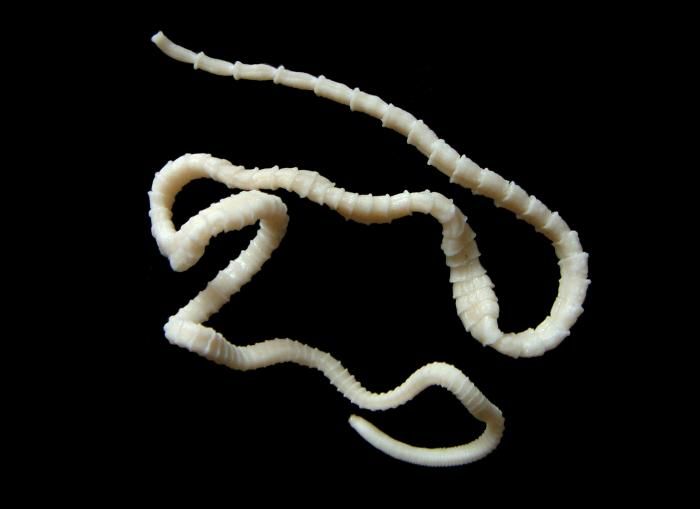
A tapeworm and a cat have this type of relationship.
a)
mutualism
b)
parasitism
c)
commensalism
d)
competition
30.
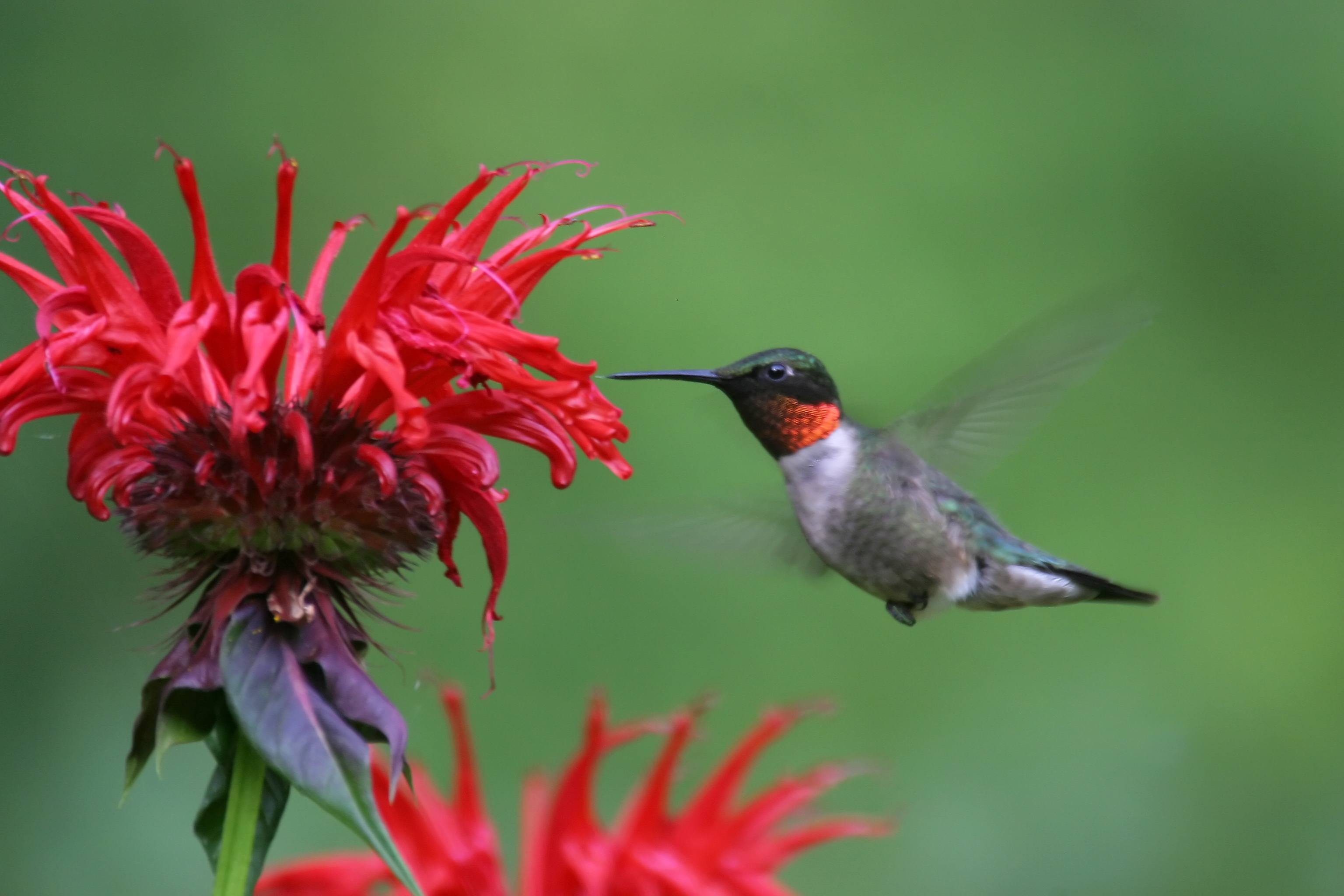
What type of symbiosis? Hummingbirds feed on nectar from flowers. The flowers are pollinated by hummingbirds as they move from flower to flower.
a)
commensalism
b)
mutualism
c)
parasitism
d)
predation
31.
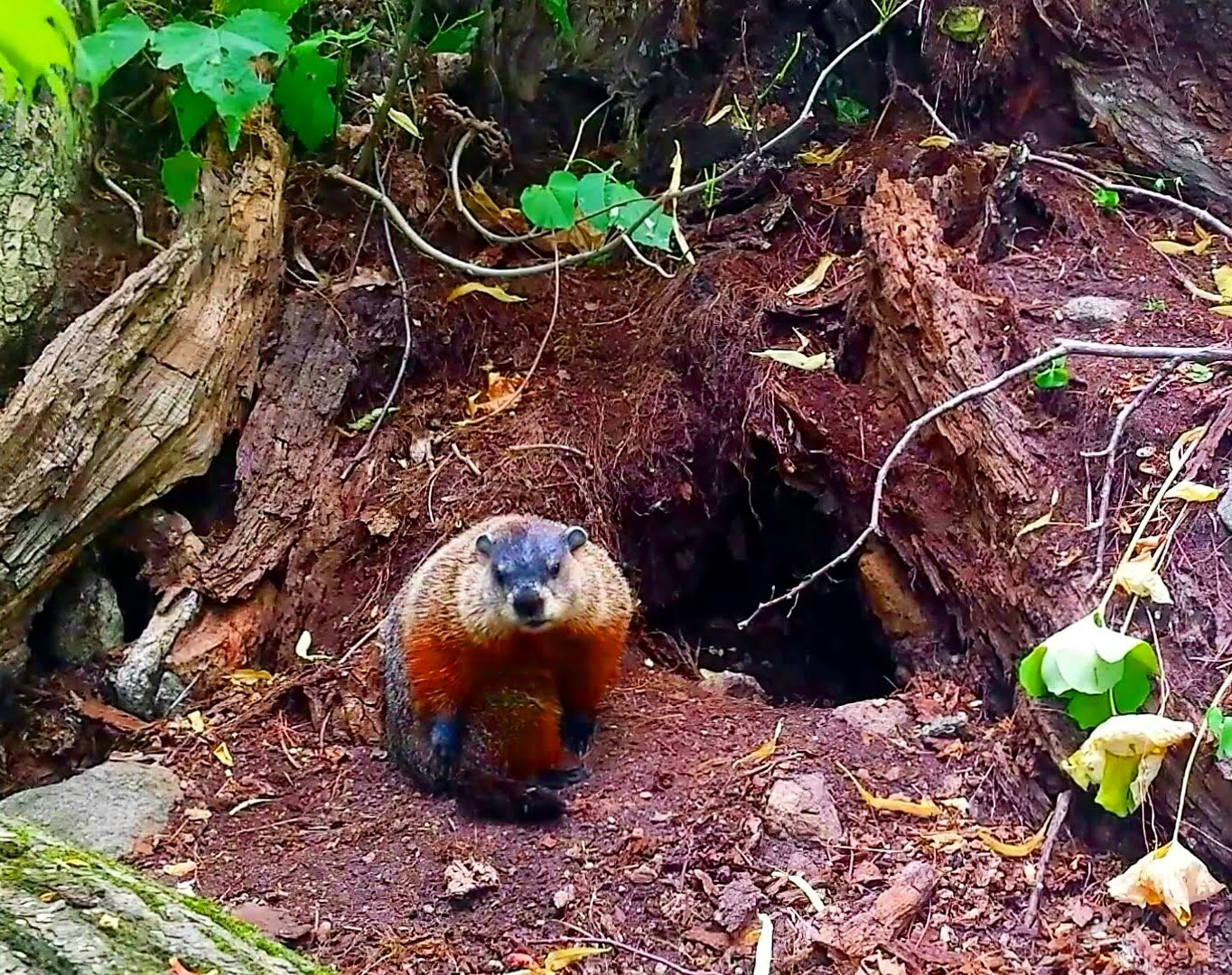
What type of symbiosis? Skunks often live in burrows that have been dug and abandoned by woodchucks.
a)
commensalism
b)
mutualism
c)
parasitism
d)
predation
32.
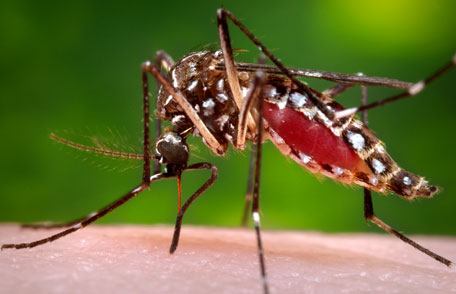
When a mosquito bites you, you are the __________ and the mosquito is the ____________.
a)
host, hostess
b)
parasite, host
c)
host, parasite
d)
prey, predator
33.
What causes growth to stop in logistic growth?
a)
Emigration
b)
Immigration
c)
Carrying Capacity
34.
What is the purpose of decomposers in the flow of energy?
a)
They eat dead organisms.
b)
They remove nutrients from plants.
c)
They recycle nutrients.
d)
They give energy to the plants and animals.
35.
What might happen if you remove a primary consumer from the ecosystem?
a)
There would be more food for secondary consumers.
b)
The number of primary consumers would increase.
c)
The number of plants would increase.
d)
The number of secondary consumers would increase.
36.

Which of the following would be the most likely effect, if there were a sudden increase in the cricket population?
a)
There would be a decrease in the small bird population.
b)
There would be a decrease in the grass/flowers population.
c)
There would be a decrease in the mice population.
d)
There would be an increase in the grass/flowers population.
37.

In this energy pyramid, which organisms have the most energy available?
a)
Producers
b)
Carnivores
c)
Herbivores
d)
Top Predator
38.

In this ecological pyramid which type of consumer gets only 10% of the energy stored in plants?
a)
Primary Consumers
b)
Tertiary Consumer
c)
Secondary Consumers
d)
Primary Producers
39.

Organelle 1 is a(n)
a)
ribosome.
b)
vacuole.
c)
nucleus.
d)
lysosome.
40.
Organelle 3 is a(n)
a)
ribosome.
b)
vacuole.
c)
nucleus.
d)
lysosome.
41.

Organelle 7 is a(n)
a)
endolplasmic reticulum.
b)
golgi apparatus/body.
c)
mitochondrion.
d)
cell membrane.
42.
Organelle 8 is a(n)
a)
endolplasmic reticulum.
b)
golgi apparatus/body.
c)
mitochondrian.
d)
cell membrane.
43.

Organelle 3 is a(n)
a)
ribosome.
b)
vacuole.
c)
nucleus.
44.
Organelle 5 is a(n)
a)
cell membrane.
b)
cell wall.
45.
Organelle 8 is a(n)
a)
chloroplast.
b)
mitochondrion.
46.
Organelle 9 is a(n)
a)
chloroplast.
b)
mitochondrion.
47.
Animal cells do not have...
a)
mitochondria
b)
lysosomes
c)
vacuoles
d)
chloroplasts
48.
This organelle breaks down food to release energy
a)
cytoplasm
b)
chloroplasts
c)
mitochondria
d)
golgi body
49.
This protective layer controls what enters and leaves the cell
a)
ribosome
b)
cytoplasm
c)
endoplasmic reticulum
d)
cell membrane
50.
What is the control center of the cell that directs all the cell's activities?
a)
nucleus
b)
cell wall
c)
vacuole
d)
nuclear membrane
51.
What cell is the cell wall in?
a)
plant
b)
animal
c)
plant and animal
52.
What cell is the chloroplast in?
a)
animal
b)
plant
c)
animal and plant
53.
Cell theory states that...
a)
all living things are made of cells
b)
cells are the basic unit of life
c)
living things come from other living cells
d)
All of the above
54.
The ____________________ are structures in the nucleus that contain genetic information.
a)
chromosomes
b)
nucleolus
c)
lysosomes
d)
golgi body
55.
The basic unit of life is the _______________
a)
atom
b)
cell
c)
molecule
d)
organic compound
56.
What are the green organelles in a plant cell that use sunlight to create food?
a)
vacuoles
b)
mitochondria
c)
chloroplasts
d)
lysosomes
57.
How many chromosomes does each body cell of a human have?
a)
48
b)
46
c)
23
d)
2
58.
In what stage do chromosomes align in the center of the cell?
a)
prophase
b)
metaphase
c)
anaphase
d)
telophase
59.

This picture shows...
a)
prophase
b)
metaphase
c)
anaphase
d)
telophase
60.

This picture shows...
a)
prophase
b)
metaphase
c)
anaphase
d)
telophase
61.

This picture shows which process?
a)
mitosis
b)
meiosis
c)
the cell cycle
62.
If there are 30 chromosomes in the blood cells, how many chromosomes will be in the bone cells?
a)
15
b)
60
c)
30
d)
120
63.

Which is Metaphase?
a)
A
b)
E
c)
C
d)
F
64.

The stages of mitosis in order
a)
Metaphase, Anaphase, Prophase, Telophase
b)
Prophase, Anaphase, Metaphase, Telophase
c)
Prophase, Metaphase, Anaphase, Telophase
d)
Anaphase, Prophase, Telophase, Metaphase
65.
Which organelle performs PHOTOSYNTHESIS?
a)
Chloroplast
b)
Mitochondria
66.
Which of the following is the correct equation for PHOTOSYNTHESIS?
a)
CO2 + light + H2O --> O2 + Sugar
b)
CO2 + sugar + H2O --> O2 + light
c)
O2 + light + H2O --> CO2 + Sugar
d)
CO2 + O2 + H2O --> Light+ Sugar
67.
What process occurs when light energy is captured in autotrophs and converted into sugar?
a)
Photosynthesis
b)
Cellular Respiration
68.
What is the ultimate ORIGINAL source of energy for living things
a)
Sugar
b)
Sun
c)
Moon
d)
Carbon Dioxide
69.
What is the pigment in chloroplasts that performs photosynthesis?
a)
Chlorosynthesis
b)
Chlorophyll
c)
ADP
d)
Electron Transport
70.
Which gas is removed from the atmosphere during photosynthesis?
a)
hydrogen
b)
oxygen
c)
nitrogen
d)
carbon dioxide
71.
What are the products of photosynthesis?
a)
water and carbon dioxide
b)
oxygen and glucose
c)
oxygen and carbon dioxide
d)
oxygen and water
72.
Plants need ________ for photosynthesis
a)
oxygen
b)
soil
c)
carbon dioxide
d)
sugar
73.
What is photosynthesis?
a)
The process in which humans eat their food
b)
When a photographer takes a photo.
c)
To get your pictures from the photo lab.
d)
The process in which plants make their food.
74.

What is produced as a result of photosynthesis?
a)
Glucose and Chlorophyll
b)
Glucose and Oxygen
c)
Water and Light energy
d)
Carbon dioxide and Water
75.
All living things do which of the following?
a)
Chemosynthesis
b)
Respiration
c)
photosynthesis
d)
all of the answers
76.
What is one of the reactants of cellular respiration?
a)
energy
b)
glucose
c)
carbon dioxide
d)
water
77.
What are the products of cellular respiration?
a)
Glucose and oxygen
b)
Carbon dioxide and water
c)
Lactic acid
d)
Carbon monoxide
78.
In which way are photosynthesis and cellular respiration different?
a)
Cellular respiration stores ATP, while photosynthesis releases ATP.
b)
Cellular respiration produces oxygen, while photosynthesis uses oxygen.
c)
Photosynthesis releases energy, while cellular respiration stores energy.
d)
Photosynthesis used carbon dioxide, while cellular respiration produces carbon dioxide.
79.
What is the correct equation for cellular respiration?
a)
6O2 + C6H12O6 -> 6CO2 + 6H2O + Energy
b)
6O2 + C6H12O6 + Energy -> 6CO2 + 6H2O
c)
6CO2 + 6H2O -> 6O2 + C6H12O6 + Energy
d)
6CO2 + 6H2O + Energy -> 6O2 + C6H12O6
80.
Cellular Respiration's goal is to
a)
make water
b)
make ATP
c)
make glucose
d)
make oxygen
81.
What is cellular respiration?
a)
the breakdown of glucose to release ATP
b)
the breakdown of glucose to release NADH
c)
the breakdown of glucose to release FADH
d)
the breakdown of glucose to release carbon
82.
Where does cellular respiration occur?
a)
glucose molecule
b)
mitochondria
c)
cytoplasm
d)
chloroplast
83.
The energy carrier that the cell uses to power its day to day activities is
a)
ATP
b)
NADH
c)
FADH2
d)
glucose
100 %

