
 Worksheets
Unit 9 Reactions Review
Total questions: 54
Worksheet time: 56mins


What is the right part of a chemical equation called...
H2 + O2 --> H2O
Reactants
Products
Yields
Chemical Equation
PCl5 + ___ H2O → ___ HCl + H3PO4
4, 5
1, 6
3, 8
2,2
__ Al + __ FeO → Al2O2 + __ Fe
1, 1, 2
2,1,2
2, 2, 2
2,4,2
_SnO2 +_H2-->_Sn +_H2O
_CF4 + _Br2 -- _CBr4 + _F2
_Al +_HCl --> _H2 +_AlCl3
_CH4 + _O2 --> _CO2 + _H2O
_CF4 + _Br2 -- _CBr4 + _F2
H2SO4
Finish a balanced equation: Mg(OH)2 --> __________
Mg(OH)2 --> MgOH
Mg(OH)2 --> MgO+ H2O
Mg(OH)2 --> MgO+ H2
Mg(OH)2 --> Mg+ H2O
H2 + O --> H2O
Reactants
Products
Produces/Yields
Chemical Equation
Identify this type of reaction, Cl2 + 2KI --> I2 + 2KCl
Synthesis
Single replacement
Double replacement
Decomposition
single replacement
double replacement
decomposition
synthesis
The reaction XY --> X + Y is an example of _____.
synthesis
decomposition
single replacement
double replacement
Which of the following is an example of a single replacement reaction?
2NaF --> 2 Na + F2
P2O5 + 3 H2O --> 2H3PO4
2FeCl3 + 3Zn --> 2Fe + 3ZnCl2
C6H12O6 + 6O2 --> 6CO2 + 6 H2O
Which of the following chemical equations is an example of a double replacement reaction?
2Al2O3 --> 4Al + 3O2
2C5H10 + 15O2 --> 10CO2 + 10H2O
2MgCl2 + Na2CO3 --> 2 NaCl + MgCO3
K2O + H2O --> 2 KOH
Which of the following chemical equations is an example of a combustion reaction?
2Al2O3 --> 4Al + 3O2
2C5H10 + 15O2 --> 10CO2 + 10H2O
2MgCl2 + Na2CO3 --> 2 NaCl + MgCO3
K2O + H2O --> 2 KOH
What class of reaction best describes the equation below:
2HgClO3 ----> 2HgO + Cl2
Synthesis
Decomposition
Single Replacement
Double Replacement
Combustion
Balance this equation.
_C4H10 + _O2 --> _CO2 + _H2O
2,7,4,5
1,7,4,5
2,13,8,10
1,2,1,2
How does a catalyst work in speeding up a reaction?
By lowering the activation energy of the reaction
by giving them more energy
by making them more available
An _______ reaction is when more energy is released than is absorbed. This energy can be in the form of light, heat, electricity, etc.
endothermic
endergonic
exothermic
exergonic
An _______ reaction is when more energy is absorbed than is released. This energy can be in the form of light, heat, electricity, etc.
endothermic
endergonic
exothermic
exergonic

A student combines two clear, colorless solutions shown here. When combined, the temperature changed from 25° to 23° and a white substance rapidly formed and settled at the bottom of the container. What most likely happened to produce these results?
One of the original compounds came out of solution
The solutions reacted chemically
Some of the water froze into ice crystals
Rapid evaporation of water occured, leaving a solid
Which of the following does NOT indicate a chemical reaction is occuring? Check all that apply.
Unknown A dissolves into Unknown B
Unknown A creates fizzing and bubbles when combined with Unknown B
Unknown A sinks to the bottom when added to Unknown B
Unknown A floats to the top when added to Unknown B

Which scientific observation, shown in the chart, indicates that a chemical reaction has NOT occurred?
Number 1
Number 2
Number 3
Number 4
Predict the products fo the following equation.
CuCl2 + H2S ---->
CuS(s) + HCl(aq)
Cu2S(s) + HCl(aq)
No reaction
HCu(s) + SCl(s)
Predict the products of the following reaction.
H2SO4 + BaCl2 ---->
BaSO4(s) + HCl(aq)
BaSO4(aq) + HCl(s)
No Reaction
ClSO4(aq) + BaH(s)
Predict the products of the following equation.
PbCl2 + AgNO3 ---->
AgCl(s) + Pb(NO3)2(aq)
No Reaction
AgCl(aq) + Pb(NO3)2(s)
AgPb(s) + ClNO3(aq)
Which type of reaction can be a precipitate reaction?
synthesis reaction
single replacement reaction
double replacement reaction
combustion reaction
Which of the following best describes a precipitate?
solid powder that falls out of solution when a solid and liquid reactant combine in a synthesis reaction.
solid powder that falls out of solution when two aqueous reactants combine in a double displacement reaction.
solid powder that falls out of solution when aqueous and gaseous reactants combine in a single replacement reaction.
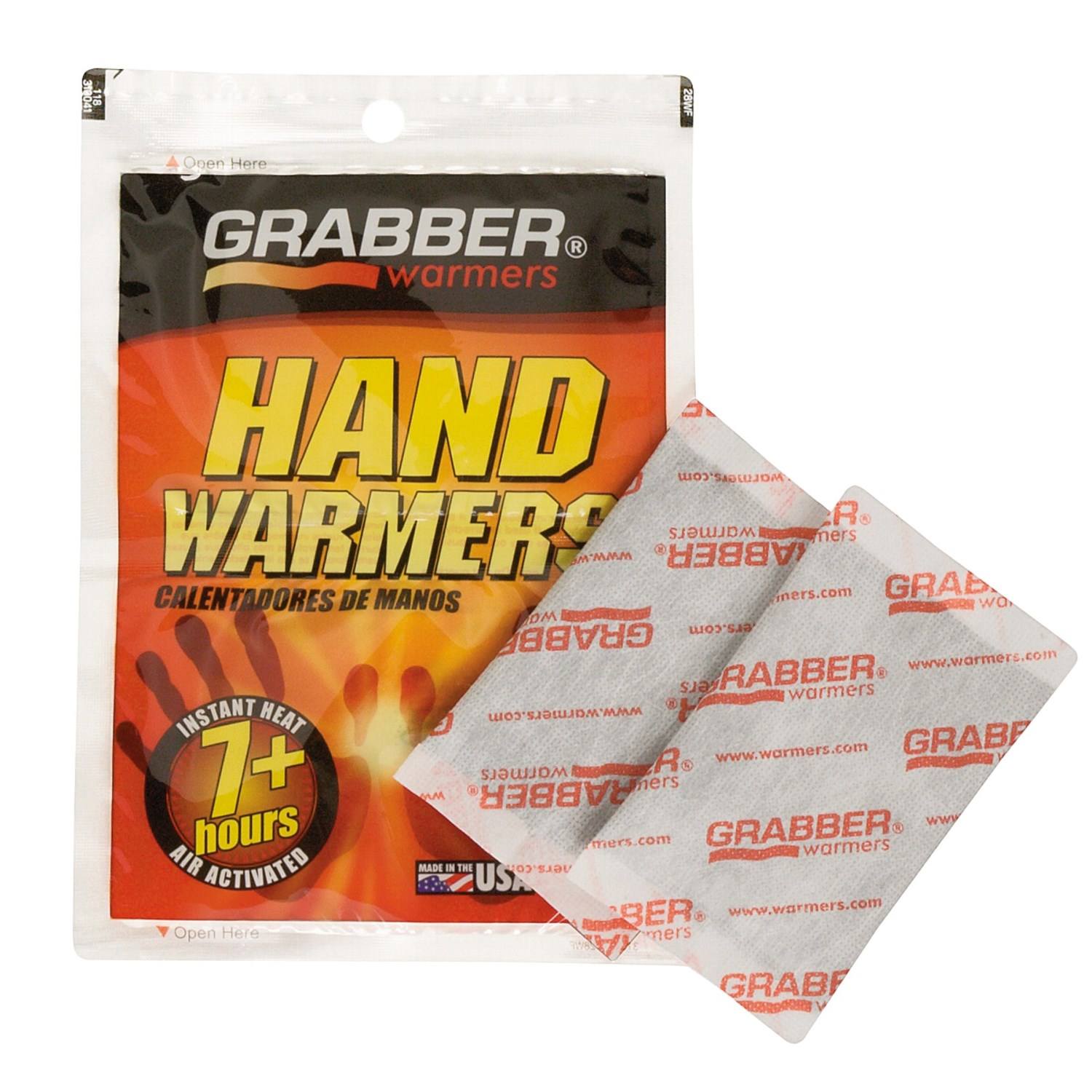
In an endothermic reaction, heat is ...
taken in
given out
the surface area of the reactants are smaller.
Which of the following would increase the number of collisions that occur? Choose all that appy.
Increase Surface Area
Decrease Concentration
Increase Temperature
Increase Volume
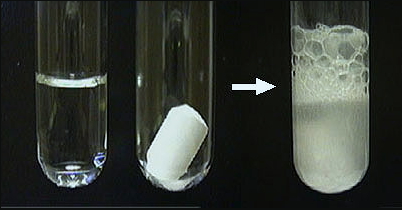
How could we make this reaction happen more quickly?
Decrease the concentration of the acid
crush the chalk to increase the surface area
Put the test tube in an ice bath

In which container would you expect a higher reaction rate, and why? (Note: The number of particles is the same in both containers.)
The left would have a higher reaction rate because it has a greater volume and more collisions will happen.
The right would have a higher reaction rate because it has a greater volume and more collisions will happen.
The left would have a higher reaction rate because it has a lesser volume and more collisions will happen.
The right would have a higher reaction rate because it has a lesser volume and more collisions wil happen.

