
NEW
Font size
 Worksheets
EOC Review Q1
Total questions: 65
Worksheet time: 2hrs 10mins

Some students used vinegar to dissolve a way the shells of three eggs and used these eggs as models of human red blood cells. The students observed the changes in the eggs when they were placed in different solutions. Which statement best describes the role of the cell membrane in this model?
The cell membrane is an impermeable barrier that prevents water from entering the cell.
The cell membrane allows solutions to enter the cell, which causes the cell to shrink.
The cell membrane allows water to enter and leave the cell.
The cell membrane removes solutes from the environment.

Viruses are considered nonliving because they need a host to reproduce.
True
False

A cell _______ in a hypertonic solution because water moves _______ the cell.
shrinks; out
shrinks; in
swells; out
swells; in

Passive transport requires ATP while active does not.
True
False

Which of the following follows the concentration gradient (high to low) but requires a transport protein?
diffusion
osmosis
facilitated diffusion
active transport
C, H, O, N
carbohydrates
lipids
proteins
nucleic acids
Monosaccharides
carbohydrates
lipids
proteins
nucleic acids
fatty acids
carbohydrates
lipids
proteins
nucleic acids
amino acids
carbohydrates
lipids
proteins
nucleic acids
nucleic acids
carbohydrates
lipids
proteins
nucleic acids
source of quick energy
carbohydrates
lipids
proteins
nucleic acids
Plant cells are able to produce their own food. This process happens in which structure?
cell wall
chloroplast
mitochondrion
vacuole

These diagrams show a variety of cells from the same organism. How can cells from the same organism have such different shapes and functions?
As each cell differentiates, the DNA changes so that each type of cell has different DNA once it reaches maturity.
Mutations in the cells' nuclei lead to new combinations of DNA, resulting in different shapes and functions in the different types of cells.
During differentiation, different parts of the DNA in each type of cell are activated, resulting in the different structure and function of the cells.
During differentiation, different types of cells produce proteins which destroy the nonactive DNA, leading to cell specialization.
Which statement best explains how sweating during exercise maintains homeostasis?
It regulates mineral concentrations in cells.
It regulates body temperature.
It maintains water balance.
It maintains sugar balance in cells.


A person with swollen gums rinses his mouth with warm salt water, and the swelling decreases. Which has occurred?
The swollen gums have absorbed the saltwater solution
The saltwater solution lowers the temperature in the gums
The salt in the solution has moved against the concentration gradient
The water in the gums has moved from a high to a low concentration of water

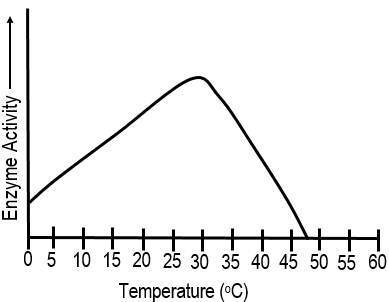
If energy is needed to move materials into or out of a cell, what is most likely occurring?
active transport
passive transport
osmosis
diffusion
Antibiotics cure which of the two below?
Viruses
Bacteria
Viruses require a host cell to
Breathe and eat
Replicate
Move and sleep
Make protein and carbohydrates
The first step for both the lytic and lysogenic cycles
is for the virus to virus drill into the cell
is for the virus to explode the host cell
is for the virus to inject inject its' DNA
is for the virus to attach on to the cell


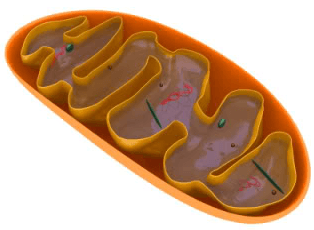
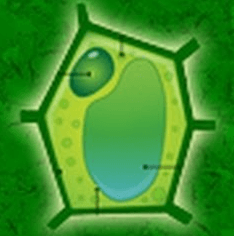


Which is smaller?
bacteria
virus
cells
What happens to the cell after the virus infects it?
Often the cell dies.
The cell does not change.
The cell multiplies.
Lysosome
Cleans waste out of the cell
Storage containers that hold water, chemicals, or food for the cell. They are larger in plant cells and smaller in animal cells.
Keeps the cell separate from other cells and allows molecules to pass through; located on the outside of the animal and plant cell.
How many variables do we want to test/change during a controlled experiment?
1
2
3
4
A custodian notices some dirty tables and wants to know which cleaner is the best to use. He tests three different cleaners and looks at how well they clean compared to tap water. What is the independent variable?
type of cleaner
tap water
Steve wanted to see if different types of fertilizer influence sunflower growth. What is the independent variable?
type of fertilizer
sunflower grown without fertilizer
An experiment is being done to determine how light affects the growth of small zinnia plants. One plant is placed in full sunlight, the second in a shaded area, the third in an unlit closet. What is the independent variable in the experiment?
the amount of light
plant in the closet
An experiment is being done to determine how light affects the growth of small zinnia plants. One plant is placed in full sunlight, the second in a shaded area, the third in an unlit closet. What is the control group in this experiment?
the amount of light
the plant in the closet
Steve wanted to see if different types of fertilizer influence sunflower growth. What is the control group?
type of fertilizer
sunflower grown without fertilizer
What does selectively-permeable mean?
Allow certain things to enter and leave the cell
Nothing gets through
The cell lets only large substances through
The diffusion of particles through the cell membrane from high to low concentration is called ....
exocytosis
active transport
passive transport
osmosis

Which number is pointing to the transport protein?
1
2
3
4
Which image best represents facilitated diffusion?


Why has water moved into the cell in the hypotonic solution?
The cell was deflated and needed to be inflated.
The concentration of solvent was higher inside than outside the cell.
The concentration of solute (salt) was higher outside the cell than inside.
The concentration of solute (salt) was higher inside the cell than outside.
Which of the following IS NOT an example of passive transport?
Diffusion
Facilitated Diffusion
Osmosis
Endocytosis
Which of the following is a process of materials only exiting the cell?
Exocytosis
Active Transport
Facilitated Diffusion
Passive Transport
The combination of chemical reactions through
which an organism builds up or breaks down
materials as it carries out its life processes is called ...
absorption
metabolism
digestion
consumption
A baby song bird hatches from its egg with both parent songbirds watching. Which characteristic of life does this represent?
All living things reproduce
All living things maintain homeostasis
All living things use energy
All living things grow
A camel has eyelashes that work to keep the dust and sand out of its eyes. Which characteristic of life does this represent?
All living things adapt to their environment
All living things grow
All living things have cells
All living things use energy
Which of the following is a response?
a flashlight shined into the eye
a rubber band popping your hand
your pupils constricting when exposed to bright light
blood glucose levels drop significantly
Over three years, Tim's height has increased from 5'4" to 5'11". Which characteristic of life does this represent?
All living things contain cells
All living things maintain homeostasis
All living things use energy
All living things grow


