
Font size
 Worksheets
Plants Unit
Total questions: 35
Worksheet time: 59mins

What type of cells are all plants made up of?
eukaryotic
prokaryotic
single celled
multi celled
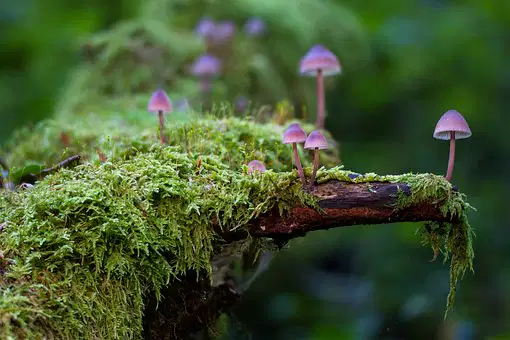
What part of moss absorbs water and nutrients from the soil?
rhizoid
stalk
capsule
gametophyte

What is the waxy, waterproof layer found on the outside of some plants?
chloroplast
cuticle
waxine
cell wall

Vascular Flowering
Vascular Seedless
Vascular Nonflowering
Non-Vascular

Vascular Flowering
Vascular Seedless
Vascular Nonflowering
Nonvascular
I don't know

Look at the floral part of the sunflower. Is it monocot or dicot?
Monocot
Dicot
Two cotyledons (food storage area)
Monocot
Dicot
Flower parts in dicots are in multiples of?
4 or 5
7
3
2


Phloem tubes transport..
Water
Mineral ions
Food substances (e.g. sucrose)


Stomata are made of specialized cells called ______ which surround a tiny pore/opening
stoma
guard cells
dermal cells
diffusion channels

Which of the following is NOT a function of the roots?
Store carbs
Absorb water and minerals
Anchor plant to the ground
Photosynthesis


Taproots
Monocot
Dicot

What happens to the diploid mother cell to turn it into a haploid pollen grain?
Mitosis
Meiosis
Binary fission
Pollination

Identify #3 of this pistil (carpel)
ovary
style
ovules
stigma

What term describes plant growth in response to gravity?
(a)
Which of the following is a response to light?
Hydrotropism
Gravitropism
Phototropism
Germination

a clear odorless gas which plants use as a raw material in photosynthesis
Oxygen
Reactants
Chlorophyll
Carbon Dioxide
Which of the following is the type of kingdom?
Monera
Genus
Protista
All of the above
contains fibrous roots
monocot
dicot
First plants to inhabit the land
Angiosperms
Bryophytes
Gymnosperms
Pteridophytes
Which plant kingdom can survive both on land and in the water?
(a) Tracheophyta
(b) Pteridophyta
(c) Thallophyta
(d) Bryophyta
What is a cuticle? Choose 2
A waxy layer of a fatty substance called cutin covering the epidermis
A waxy layer of a fatty substance called cutin covering the dermis
Part of Xylem
A plant cuticle is a protecting film covering the epidermis of leaves
Kidney shaped cells at the border of the stomata
Lenticels
Cuticle
Guard cells
Hydathodes

If plants don't store up water, how does water leave the plant?
The roots get rid of excess water.
Most plants DO store water.
It is released from the leaves by TRANSPIRATION.
What process makes food for plants?
condensation
photosynthesis
phototropism
reproduction

