
 Worksheets
Economic Indicators
Total questions: 90
Worksheet time: 1hrs 12mins
Which of the the following means per person?
percent
per capita
per capital
gross
What are two characteristics of developed countries?
high per capita GDP
poor health care systems
high levels of industrialization
high population
Countries with high levels of literacy and higher education are in which level of economic development?
Developed
Newly Industrialized
Developing
Countries with strong infrastructure [transportation/ communication/ healthcare/ education systems] would be which level of economic development?
Developed
Newly Industrialized
Developing
Countries with very low literacy rate, low life expectancy, high unemployment.
Developed
Newly Industrialized
Developing
What is the definition for GDP?
The market value of all final goods and services produced in a nation during a period of time, usually a year.
The increase of general prices over time.
When people do not have jobs and are actively looking for one.
What is the definition for unemployment?
The market value of all final goods and services produced in a nation during a period of time, usually a year.
The increase of general prices over time.
When people do not have jobs and are actively looking for one.
Watches made in Norway are worn by people in the USA.
Import
Export
Diamonds mined in South Africa are used to make rings in the USA.
Import
Export
Furniture built in the USA are flown to Mexico.
Import
Export
Jewelry from Brazil is sold in stores in the USA.
Import
Export
Shrimp caught off the coast of the USA are flown to Asia.
Import
Export
One reason the world is growing so quickly is because...
The world has infinite resources for everyone
Birth rate is higher than death rate
There are more and more places for people to live
Death rate is higher than birth rate
Number of children born each year for every 1,000 people
Birth rate
Literacy rate
Death rate
Tax rate
Percentage of people who can read and write
Birth rate
Literacy rate
Death rate
Growth rate
Countries that are industrialized are said to be
Developing
Capitalistic
Developed
Communistic
Better healthcare and improved living conditions reduce the
Birth rate
Food Supply
Population Growth
Death rate
average on how long a person will
birth rate
GDP per capita
life expectancy
developed country
# of people living in an area
population
GDP per capita
developing country
standard of living
total number of people living in a square mile
GDP per capita
death rate
quality of life
population density
Total value of goods and services produced in a country in a year
standard of living
literacy rate
GDP
death rate
average amount of money a person who makes in that year
GDP
GDP per capita
birth rate
quality of life
Why would healthy lifestyles and advanced medical care reduce the deathrate?
lower life expectancy
birthrate increases
higher life expectancy
gni falls
What is the Human Development Index?
The health of an individual.
A set of statistics or numbers that rank countries by their development.
The country a person lives in,
The number of preventable diseases in a country.
What is the range of the Human Development Index?
0-1
0-100
50-99
99-100
Japan has an HDI score of 0.884. The life expectancy is 79, literacy is 100%, and the income of an average family is $34,000. Japan would be classified as a less developed country.
True
False
Angola has a life expectancy age of 44, literacy (can read and write) is at 58% of the population and an average income of $4,941 a year. What type of country is Angola?
Developed Country (Most developed)
Developing Country (Middle)
Less Developed Country (Least developed)
How do we determine if a country is less developed, developing or developed?
Using the Human Development Index
The size of the country's Government
The amount of tourism the country has
Which one is NOT a factor when determining the HDI of a country?
Education
Health
Income
Miltary Size

Literacy rates in a country increase as ________ increases
Income
Intelligence
Precipitation
Density

GDP per capita is the only economic indicator that can reliably determine the level of development for a country.

A composite index used to measure economic and social development. This index ranks countries in order of most to least developed
Gender Inequality Index (GII)
Social Development Index (SII)
Human Development Index (HDI)
Economic Development Index (EDI)
What does GDP stand for?
Gross Domestic Produce
Gross Dollar Product
Gross Domestic Product
Giant Domestic Product
The _________________ the county's GDP, the better the standard of living.
lower
higher
Entrepreneurship
natural resources
What is the Human Development Index?
The health of an individual.
A set of statistics or numbers that rank countries by their development.
The country a person lives in,
The number of preventable diseases in a country.
What term is used to describe the percent of the labor force that does not have a job but is currently looking for one?
Leading economic indicator
Full employment
Unemployment rate
workforce
"Business investment in capital goods (machinery for production) rises." The headline above affects which economic indicator the most?
Unemployment
Consumer Price Index
Inflation
Gross Domestic Product (GDP)

Per Capita literally means
Per person
For the Capital
Per Captain
As of yesterday

Countries with high levels of literacy and higher education are in which level of economic development?
More Developed
Newly Industrialized
Less Developed

Countries with strong infrastructure [transportation/ communication/ healthcare/ education systems] would be which level of economic development?
More Developed
Newly Industrialized
Less Developed
Which countries are more developed?
Nepal, Nigeria, Chad
India, Nigeria Brazil
Brazil, China, USA
UK, Japan, Germany

Three indicators of development of a country
GDP per capita, literacy rate and life expectancy.
Richness, industrial production and business
Multinationals and industry
Technology, trade and research

Which of the following is most likely a characteristic of a developing country?
Low unemployment rate
High GDP per capita
High birth rate
High literacy rate
Country with very low literacy rate, low life expectancy, high unemployment.
Developed
Developing
Least Developed
Which of the following is not a pull factor to migrate from Afghanistan to Canada?
Better Education
Higher Life Expectancy
Lower GDP
More employment opportunities
Total fertility rate (TFR) is
the number of males per 100 females in the population
the average number of marriages a woman will have throughout her lifetime
the average number of children a woman will have throughout her childbearing years
the total amount of females that are fertile in a population

Poor countries tend to have
Less children
More children
Doesn't affect the child birth numbers
In recent years, human population has increased exponentially.
true
false
Unlike India, since the United States & Canada are ____ nations they have gone through all of the demographic transition.
developing
developed
Is the United States a pure market economy?
Yes
No
In Command Economy, does the government control all factors of production?
Yes
No
What is scarcity?
having limited resources (there is a small amount available and will run out)
having unlimited resources (there a lot of the resource available and won't run out)
In my country, the government controls the economy. It assigns jobs, sets production goals, and decides wages.
Traditional
Command
Market
Mixed
In my country my job is the same one that my family has done over the past 200 years.
Traditional
Command
Market
Mixed
In my country, central planners decide when we should expand old factories and build new ones.
Traditional
Command
Market
Mixed
In my country, business is based on competition. Success comes from doing something better and cheaper than your competitors.
Traditional
Command
Market
Mixed
In my country my job is the same one that my family has done over the past 200 years.
Traditional
Command
Market
Mixed
In my country producers decide what and how much to make based on what people want to buy.
Traidtional
Command
Market
Mixed
In my country, profits are the incentives for production.
Traditional
Command
Market
Mixed
In which economic system is the economy COMPLETELY controlled by the government?
capitalism
socialism
communism
anarchism
The government is involved in a pure market economy?
True
False
What determines the WHO, WHAT, HOW in a traditional economy?
government
the people
religions and customs
nothing
Land includes...
The "gifts of nature" or natural resources not created by human effort.
the tools, equipment, and factories used in production of goods and services
people with all their efforts and abilities
individuals who start a new business or bring a product to market.
Capital refers to...
The "gifts of nature" or natural resources not created by human effort.
people with all their efforts and abilities
the tools, equipment, and factories used in production of goods and services
individuals who start a new business or bring a product to market.
Entrepreneurs are...
people with all their efforts and abilities
individuals who start a new business or bring a product to market.
The "gifts of nature" or natural resources not created by human effort.
the tools, equipment, and factories used in production of goods and services
Explain whether the following is labor, capital, land, or enterprise:
A factory worker
Land
Labor
Capital
Enterprise
Explain whether the following is labor, capital, or a land, or enterprise:
A college professor
Land
Labor
Capital
Enterprise
Explain whether each of the following is labor, capital, land or enterprise:
Business Owner
Land
Labor
Capital
Enterprise
A company that purchases new computers is investing in which factor of production?
Land
Labor
Capital
Enterprise
Entrepreneurs are considered the 4th factor of production because they...
take risks to bring together land, labor, and capital for produciton
Produce goods and services as wage laborers

Which of the factors of production is this?
capital
entrepreneur
land
labor
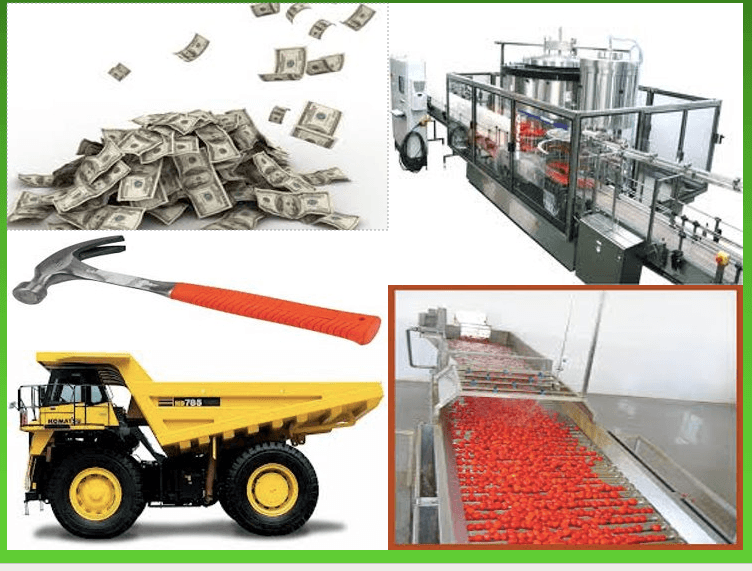
Which one of the factors of production is this?
capital
entrepreneur
land
labor
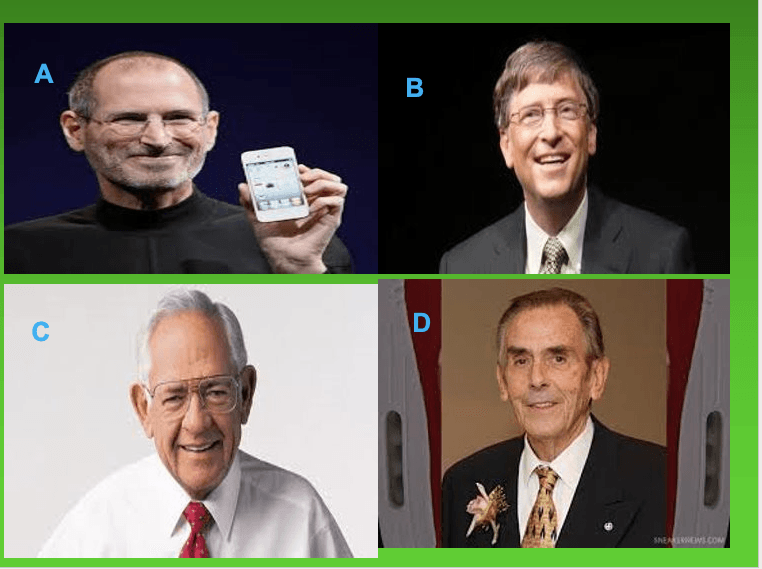
Steve Jobs the founder of Apple is holding up an I-phone. What is another name for someone who starts a business?
capital
entrepreneur
land
labor
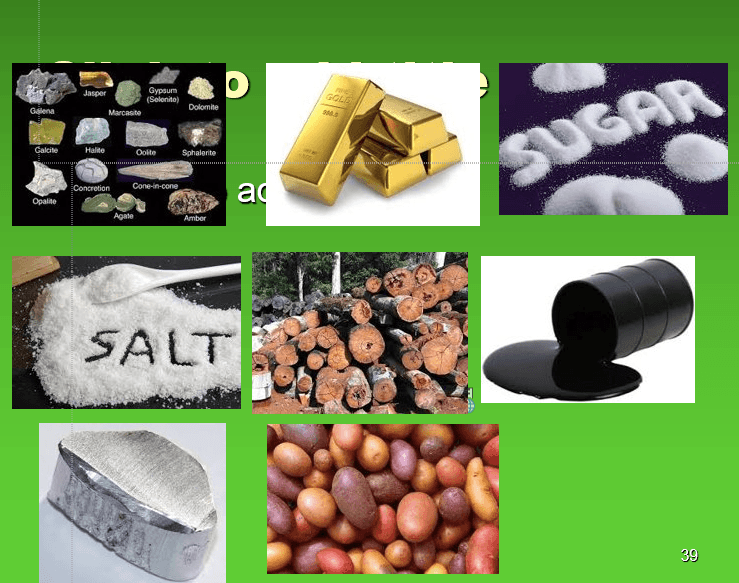
Which factor of production is this?
capital
entrepreneur
land
labor

