
 Worksheets
AP World History Review
Total questions: 120
Worksheet time: 2hrs 38mins
How did the Tokugawa shoguns treat Europeans in Japan in the seventeenth century?
They welcomed Europeans for their technological expertise and scientific knowledge.
They protected Christian missionaries and sponsored Christian churches.
They expelled all Europeans except the Dutch, who were allowed to trade at a single site.
They established regular diplomatic relations with European states.
The fact that Europeans often had to pay for Asian spices and textiles in cash led to which of the following?
An intense desire for precious metals
A European trade surplus
A lack of desire to trade with Asia
The closing of the Indian Ocean trade network
The first direct and sustained link between the Americas and Asia was the trade in
fur
spices
silk
silver

Map 14.4 in the textbook shows that the most common destination(s) in the Americas for West African slaves was(were)
British North America and the United States.
the Caribbean and Brazil.
Mexico
Peru
Which of the following was established as a Spanish colony in the sixteenth century?
Goa
Macao
Mombasa
The Philippines
Which of the following characterizes how European countries sought to control trade in Asia from 1450 to 1750?
through economic competition
by ending China's tribute system
by force of arms and conquest
by establishing diplomatic relations
Which describes the role that Europeans played in the economy of the early modern era?
They worked the markets of the East to their advantage.
They were essentially middlemen funneling American silver to Asia.
They established and enforced a new international system of trade.
They dominated the global trade in textiles, tea, and porcelain.

The map suggests that the European presence in Asia was connected to
empire
trade
religion
slavery

According to the map, which of the following was the primary goal of Europeans in their relations with Asia?
trade
Empire building
controlling inland waterways
overland exploration

According to the map, which of the following is true?
Overland routes were a critical part of the trade.
China was a major source of silver.
The silver trade flowed in a predominantly eastern pattern.
Silver was traded on a truly global scale.
Which group had the greatest success in converting people outside Europe to Christianity?
Jesuit missionaries in China
Spanish missionaries in the Philippines
Puritan missionaries in New England
Portuguese missionaries in West Africa
One of the most important pieces of knowledge that helped revolutionize long distance travel by boat was
knowledge of the circumference of the earth
knowledge of the Americas
knowledge of Silk Roads
Knowledge of the wind patterns and regional currents
Desire for the colonies cash crops led to an increase in
treaties between Europeans
the slave trade
urbanization
desertification
Form of slavery where slaves have no rights and are considered property
Chattel slavery
Indentured servitude
Mita system
complete slavery
Which of the following countries was the first to dominate the seas with advanced naval technology?
Portugal
France
Britain
China
The Caravel was an example of
continuity from the rise of civilizations
Innovations in ship design
commercial innovations from Asia
Agricultural innovations
Monopolies enriched European companies or nations by...
giving that nation or company exclusive trading rights over an area or over a crop, so they received all of the profits for trading it
growing regional markets into international ones
limiting the amount of a product that countries could extract and sell
I honestly can't think of any better answer choices...
Which Maritime Empire was the first to establish large-scale slave-trading operations on the African continent for the purposes of export to plantations in the Americas?
Spain
England
France
Portugal
What was the Encomienda System?
System of labor that enslaved Natives in exchange of food and shelter
System of labor that used serfs to tend the field
System of labor in which natives where granted land and money in exchange of gold.
System of labor that gave jobs to thousands of Africans coming to the Americas.
The accumulation of capital allowed for...
the economy of Western Europe to grow as entrepreneurs entered long-distance markets
the lower class citizens in Western Europe become more wealthy
the Americas to profit as more gold was extracted from mines
ships and other technology to grow
Why were joint-stock companies such as the East India Company or the Dutch East Indian Company the driving force behind the development of maritime empires?
they allowed continued exploration/ventures to colonize with limited risk to investors
they helped governments fund public journeys
they gave explorers the navigational tools they needed to succeed on their journeys
all of the above
Which economic system was in place when the exchange of goods in 1450-1750 arose?
European mercantilist laws
Laissez-faire principles
Renaissance guild bylaws
Medieval manorialism
What was the stance of the Japanese for trade after they allowed Christian missionaries and European Explorers to their country?
Japan became a majority christian Country.
Japan became isolated from the rest of the world due to Christian Missionaries destroying Buddhist temples.
Japan welcomed European trade for the next 2 Centuries
Japan began to travel to the Americas to trade silk.
Lateen sail, compass, astronomical charts were all influences from
Interaction between Native Americans and Europeans
Interaction along the Trans-Saharan trade route
interaction with East Asia and South Asia and the Middle East
all of the above
What are the colonies supposed to provide the mother country under a mercantile system?
coerced labor and manufactured goods
A market, precious metals and raw materials
coerced labor and gold
raw materials only
What was the benefit of creating Joint Stock Companies?
They provided limited liability
They provided anonymity
The unlimited liability and high rewards
all of the above
The majority of slaves went to __________ to work on _______.
The Caribbean; sugar plantations
Mexico; gold mines
The US; cotton plantations
Chile; silver mines
What was the name of the communities created by runaway slaves during this time period?
Maroon societies
Secret societies
Underground Railroad
Haiti
What did the Treaty of Tordesillas do?
Split the Americas between England and France
Split the Americas between Spain and Portugal
Split the Americas between Belgium and China
Split the Americas between the Dutch and Spain
How did Ana Nzinga, ruler of Ndongo, effectively resist Portuguese domination?
after allying with Port. and that alliance breaking, she & her people fled & over took Matamba, allied with the Dutch & gave runaway slaves freedom to build up her power
they bought so many weapons from the Spanish they were able to defeat the Portuguese in combat
Nzinga effectively allied with the Portuguese and aided them in their slave raids of neighboring societies
she created a new colony in a safer area in eastern Africa, where the Portuguese did not have ports
Which of the following best describes the maroon wars in the Americas?
Slaves fought for their independence by escaping slaveholders & establishing independent settlements
British and Spanish colonists fought for territory in the Americas
Slave rebellions primarily along the east coast of North America
The Pueblo Revolt (1680) could be considered successful because...
the Pueblo and Apache fought off Spanish colonizers trying to force religious conversions, and kept their influence away until 1692.
the Spanish and Pueblo worked together to kick the French out of their native lands
the Pueblo and Apache fought off the British forever and established a maroon society
the revolt was the biggest native American-colonizer conflict of the 17th century
Metacom's War fits which of the following statements? There are two answers.
it was the final major effort of the indigenous people to drive the British out of New England
it resulted in British dominance of New England, even though several Native American tribes continued to live there
it was the first significant battle between Europeans and Native Americans in the colonies
it resulted in the Wamapanoag people living in New England for the rest of the colonial era

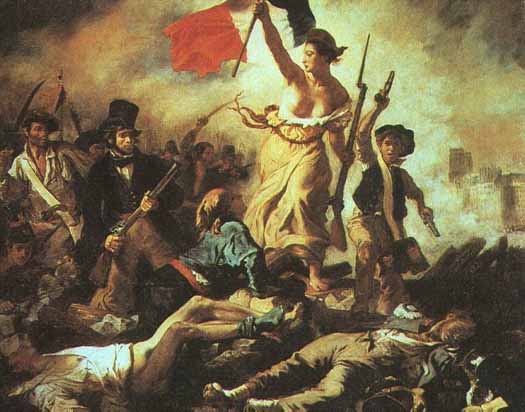
The Haitian Revolution was influenced mainly by which revolution?
French
American
Spanish American
Russian
Which of the following wars helped to inspire the French Revolution?
The American Civil War
The French and Indian War
American Revolution
The Seven Years War
Which document articulated the progressive demands of the National Assembly? ________________The National Assembly consulted with ________________ when writing it.
Declaration of the Rights of Man and the Citizen , Thomas Jefferson
Declaration of the Rights of Man and the Citizen , John Locke
Constitution of the French Republic , Thomas Jefferson
Constitution of the French Republic , John Locke


[p6] What important document did the National Assembly adopt on August 26, 1789?
Declaration of the Rights of Man and the Citizen
French Constitution
Declaration of Independence
Tennis Court Oath
Which of the following would best describe a "nationalist"?
A citizen who always votes
An employee of the federal government
A person who fights to establish an independent government for their nation
A person who wants to preserve a strong economy for their country
What did Equiano’s narrative help abolish?
the slave trade
slavery
cruelty from slave owners
none of the above
What year did the slave trade end in the British Territories
1787
1807
1833
1776
Which abolitionist gave a first hand account of his experience on the Middle Passage?
William Wilberforce
Granville Sharp
Olaudah Equiano
Thomas Clarkson


Elizabeth Cady Stanton wrote the Declaration of Sentiments which was presented at the First Women's Convention in Seneca Falls. Stanton changed the words in this document to say that
" all men are created equal"
"all men and women are created equal"
"all men and women can attend conventions from this day forward"
"all women have the right to vote"

Where was the first Women's Rights Convention held in 1848?
Dallas, Texas
Seneca Falls, New York
Philadelphia, Pennsylvania
Nashville, Tennessee
Elizabeth Cady Stanton wrote the ___ , which outlined the rights women should have as citizens.
Declaration of Independence
Seneca Falls Convention
Declaration of Sentiments
Underground Railroad
Father Jose Maria Morelos
took over leadership of the Mexican revolution when Hidalgo was executed
liberated Chile and Peru
lead the Italian revolutionaries
The Haitian Revolution was influenced mainly by which revolution?
French
American
Spanish American
Russian

"The aim of every political association is the preservation of the natural and imprescriptible rights of man. These rights are liberty, property, security and resistance to oppression."
-Declaration of the rights of Man and of the Citizen, 1789
Which philosopher best upholds the ideas expressed in the document above?
Montesquieu
Wollstonecraft
Locke
Hobbes
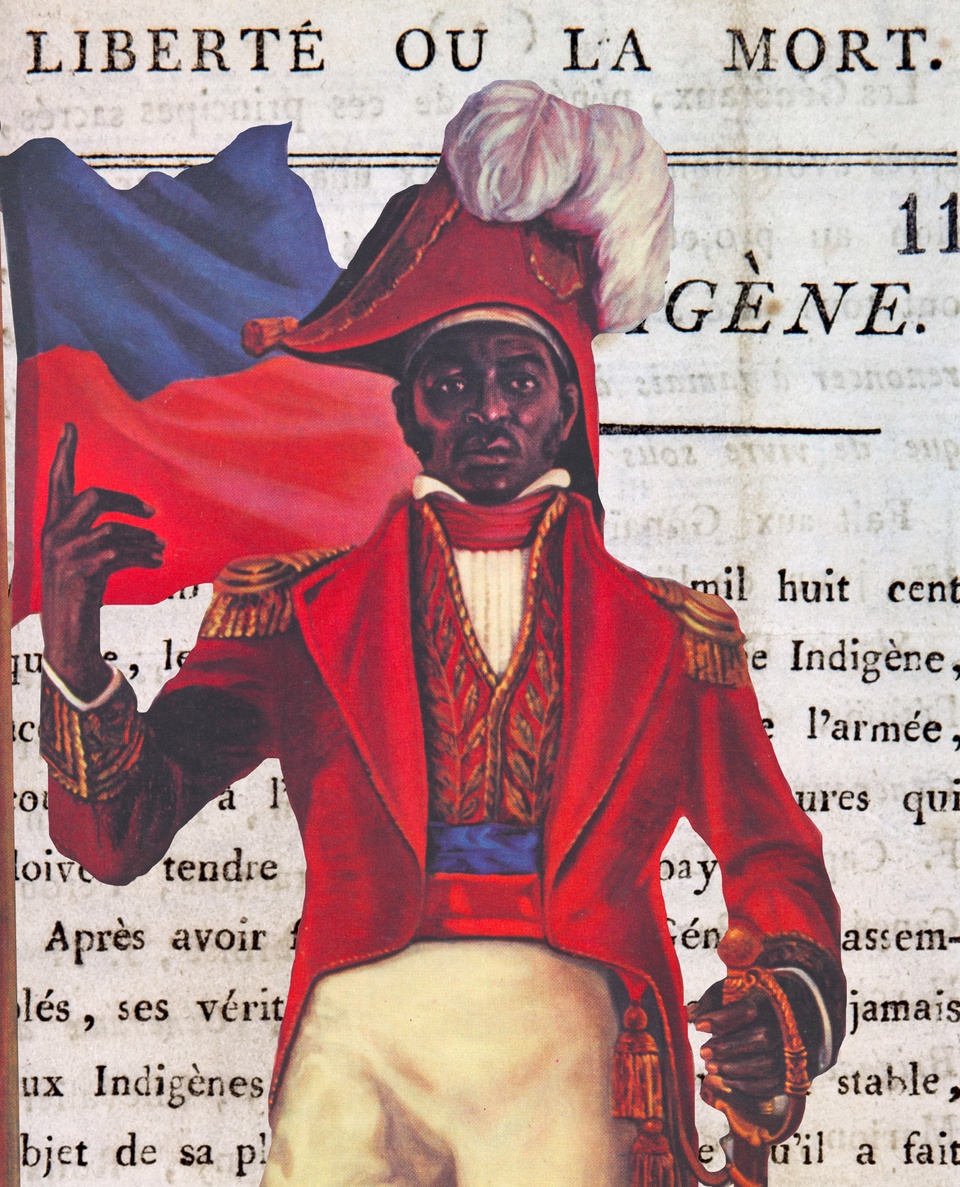
As a result of the Haitian Revolution, Haiti created the first ever
black monarchy
black dictatorship
black republic
black oligarchy
Locke argued that we had 3 main natural rights. What are they? (Select 3)
Life
Liberty
Pursuit of Happiness
Property
John Locke believed that all people had:
Natural Rights
Individual rights
Some rights
Man is born free and everywhere he is in chains.
Rousseau
Locke
Hobbes
Smith
"I may not agree with what you say, but will defend to the death your right to say it."
Voltaire
Montesquieu
John Locke
Rousseau
System of checks and balances should limit the governments power.
John Locke
Montesquieu
Rousseau
Voltaire
Power in the government should be divided so no one person or group gains too much power.
Voltaire
Montesquieu
Rousseau
John Locke

Who led the successful slave revolt on the island of Haiti in beginning in 1791 ending in 1804?
Toussaint L’Overture
Jose de San Martin
Father Miguel Hidalgo
Simon Bolivar
What was Simon Bolivar's nickname
The Colonizer
The Conquerer
The Liberator
The Freedom Fighter
writing which had the purpose of outlining Bolivar's philosophical and political ideals for Latin America
Jamaica Letter
Tanzimat Reforms
Franco Letter
Declaration of the Rights of Man and Citizen
Proclamation of 1763

The photo can be best used as evidence for which of the following long-term effects of the Industrial Age
Urbanization
Pollution
Labor reform
Population increase
What is an economic development that western countries adopted during industrialization?
Capitalism
Mercantilism
Joint Stock companies
Taxes

Which number on the map is MOST associated with the center of the Ottoman Empire?
3
4
5
6

The Safavid Empire was geographically located between which empires?
Persians and Ottomans
Ottomans and Mughals
Qings and Persians
Mughals and Qings

Which company took over other European states colonies in India?
British East India Company
British West India Company
Dutch East India Company
French East India Company

Why did European powers turn to indentured servants for labor?
The abolition of the slave trade
The shift in control in India to the British
The growth of industrialization in China
The success of the Atlantic revolutions

The trend shown on the graph above is best explained by
increased production of cash crops like sugar
growth of silver mining in New Spain
industrialized textile mills’ demand for raw cotton
African slave-trading kingdoms’ demand for European trade goods
Which document articulated the progressive demands of the National Assembly? ________________The National Assembly consulted with ________________ when writing it.
Declaration of the Rights of Man and the Citizen , Thomas Jefferson
Declaration of the Rights of Man and the Citizen , John Locke
Constitution of the French Republic , Thomas Jefferson
Constitution of the French Republic , John Locke
The document which had the purpose of outlining Bolivar's philosophical and political ideals for Latin America.
Jamaica Letter
Tanzimat Reforms
Franco Letter
Declaration of the Rights of Man and Citizen
Proclamation of 1763

Throughout China's history they have been isolationistic. This is because they often fear what?
It people leaving for other areas
Being over powered by greater nations
Foregin Influence
A need to expand China's influence

How did Industrialization change the role of women?
There was no change
Women were made equal to men
Women had more responibilities in the home
Women were more likely to work outside of the home

Who was the leader of the Mexican Revolution in 1810?
Father Miguel Hidalgo
Toussaint L'Ourvature
Simon Bolivar
Jose de San Martin


"La Reforma" came to be under the leadership of this man:
Porfirio Diaz
Emiliano Zapata
Poncho Villa
Benito Juarez
Francisco Madero

A womans rights movement because woman were not treated fairely.
A Civil War
A Constitution
A Right
Both Egypt and the Ottoman Empire had all of the following by the end of the Tanzimat EXCEPT for what?
Public Debt Adminstrations
new court systems
French-knowers / Western-educated elites
Constituitions

This group located on the Anatolian pennisula wanted a more democratic form of government?
French-knowers
dragomans
fellahin
Young Ottomans
True or False: the Young Ottomans wanted to combine European ways with Islamic traditions.
True
False

The main Navy Base for Russia during the Crimean War was located in
Egypt
Suez Canal
Sevestapol
Moscow

Britain
France
Russia
the Ottoman Empire

Crimean War
Opium War
Boer War
Haitian Revolution

The Decembrist rebels where who?
Young Turks
liberals that felt that the new king Nicholas I wasn't fit
Nicholas I army and supporters
Catherine The Great


What treaty ended the Opium Wars?
Magna Carta
Treaty of Versailles
Treaty of Manchuria
Treaty of Nanjing

Taiping Rebellion
100 year war
Opium War
Napoleonic Wars


The Tribute System was?
A "bridge" system used to overcome geographical challenges
A payment to the Aztec emperor by neighboring or conquered tribes surrounding the empire.
A floating garden used to overcome geographical challenges
A group of Spanish soldiers

Instead of a writing system the Inca used a ?
hieroglyph
candle
messenger service
quipu

Genghis Khan:
born "Temujin" in Mongolia around 1062.
rose from humble beginnings to establish the 2nd largest land empire in history.
one of the most famous conquerors of history, who consolidated tribes into a unified Mongolia and then extended her empire across Asia to the Adriatic Sea.
a 13th-century warrior in central Asia who founded the Mongol Empire, one of the largest empires in history.

Steppes
The Mongolian-Manchurian grassland ecoregion, also known as the Mongolian-Manchurian steppe
In the early 10th century, many Turkish-Mongolian nomadic tribes, similar in language, culture and lifestyle, used to live in the steppe plateau of Central Asia.
Areas closer to the Sahara Desert regions support desert steppe that have lower productivity.
The grassland steppes of Eurasia spread from eastern China across Mongolia and Russia to Europe.

In feudal Japan, a noble similar to a duke; military commanders that often enacted more power than the emperor
Shogun
Daimyo
Samurai
Shinto

How did Temujin AK.A. Genghis Khan build power in his kingdom
He had his daughter marry the son of a neighboring khan
He appointed talented non-family members to key positions over family members
He was ruthless and killed his own stepbrother
All of the the choices are correct

The changes in the distribution of cities in the period 1200 to 1400 C.E. best support which of the following conclusions?
The Mongol conquests had a more disruptive impact on the Middle East and Central Asia than they had on East Asia.
The emergence of the Ottoman Empire significantly increased the percentage of major urban centers in The New World.
The adoption of Chinampa rice during the Song dynasty significantly increased the share of China’s urban population.
The outbreaks of bubonic plague greatly reduced urban populations across Eurasia in 200 CE
“It is widely accepted that the rise of the Mongol Empire greatly expanded trade and the circulation of goods. . . . Since the fall of the Uighur Empire [in the ninth century], Mongolia was a region removed from the main trade routes. Thus the Mongols irrupted into the wider world as a relatively unknown society. As the Mongol Empire dominated Eurasia, envoys, merchants and travelers came to the court of the Mongols . . . and participated in . . . the exchange of goods, ideas, technology and people precipitated by the Mongol conquests.”
Timothy May, United States historian, academic article, 2016
The breakup of the Mongol Empire into separate khanates during the mid-thirteenth century was most connected to which of the following developments?
The spread of the bubonic plague following the expansion of trade along the Silk Roads weakened the Mongol Empire demographically and militarily.
Mongol traditions emphasized tribal and personal loyalties and made it difficult to establish long-lasting centralized dynastic rule, which led to civil war.
The attempts of Mongol rulers to force their subjects to convert to Islam led to widespread rebellions in Central and East Asia.

According to the map where are the majority of the Zimbabwe people found?
The Sahel
Along the south east coast of Africa
The Sahara
Africa
North of the Equator

What is a reason that Mansa Musa's trip is important to us historically?
Mansa Musa's trip proved that Africa was ruled like a republic
Mansa Musa's trip showed that Africa was run by weak kingdoms
Mansa Musa's trip to Mecca showed that African kings were rich beyond belief
Mansa Musa's trip lead to a conversion to Buddhism
Here begins Ibn Battuta's travels
I left Tangier, my birthplace, on Thursday, 2nd Rajab 725 [June 14, 1325], being at that time twenty-two years of age [22 lunar years; 21 and 4 months by solar reckoning], with the intention of making the Pilgrimage to the Holy House [at Mecca] and the Tomb of the Prophet [at Medina].
Identify a knowledge which Ibn Battuta possesses by reading the excerpt above.
Knowledge of astronomy
Knowledge of Christianity
Knowledge of Mongol military tactics
Knowledge of how to survive a desert crossing

Using your knowledge of history and geography, what countries current political borders are represented on the map?
Ethiopia
Libya
Egypt
South Africa
Sudan

How many times do Muslims have to perform Hajj in their lifetime?
Every year
Once in a month
Once in their lifetime
At least three times

