
 Worksheets
6th Grade Remediation Part 2
Total questions: 30
Worksheet time: 16mins
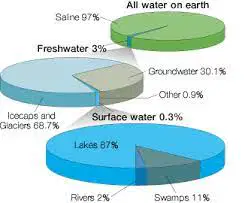
Most of the water on Earth is in ___.
the oceans.
the polar icecaps.
underground aquifers.
lakes, ponds, rivers, and streams

Polar water molecules have the ability to stick to other materials. This property is known as ___.
adhesion
specific heat
cohesion
magnetism
Which of the following is NOT a way to conserve water?
watering the lawn in the summer
fixing a dripping faucet
taking a shorter shower
collecting rainwater for watering your garden
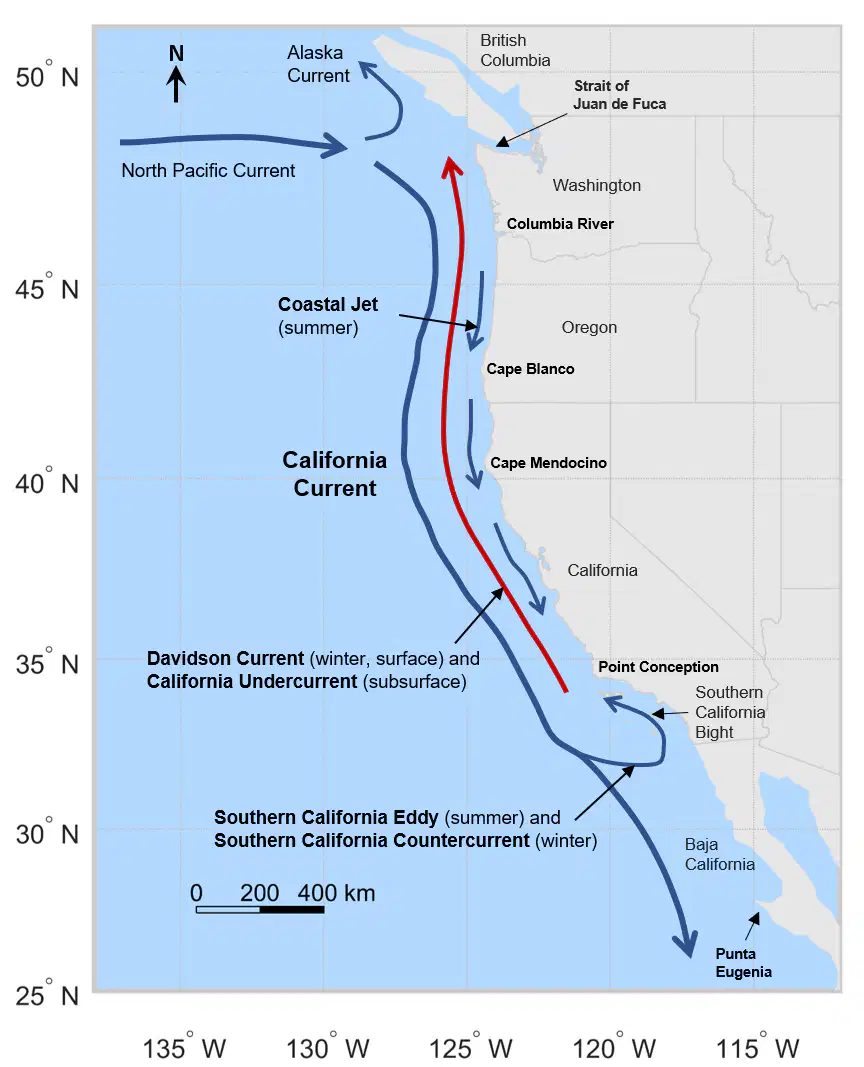
An ocean current continually moves down the coast of California. How does this current affect California's climate?
The cold water current absorbs heat and causes California's coastal climate to be mild.
The warm water current absorbs cool air and causes California's coastal climate to be hot.
The cold water current releases its heat and causes California's coastal climate to be hot.
The warm water current absorbs heat and causes California's coastal climate to be mild.
Why is water known as the "universal solvent"?
It dissolves all known substances.
It dissolves substances faster than all other solvents.
It dissolves the greatest number of substances.
It dissolves only solid substances.

The type of weathering where rock is broken into small particles without changing the minerals that form the rock is called ____.
chemical weathering
acid rain weathering
precipitation
physical weathering
What is a connection between water and human diseases?
Many microbes that cause disease live in unclean water.
Drinking too much water causes disease and sickness.
In times of drought, there is no disease or sickness.
Sickness and disease are directly related to the salt content of water.
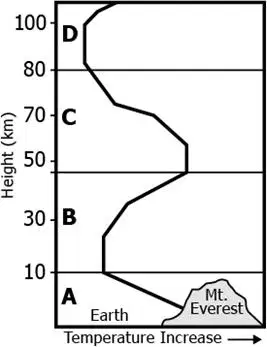
The figure above shows the temperature and height of the four layers of the atmosphere. Which statement is true about the layers of the atmosphere?
Individual layers of the atmosphere have a stable temperature.
Atmospheric layers decrease in temperature as height increases.
Each layer of the atmosphere changes in temperature.
The layers of the atmosphere become closer together as the temperature increases.
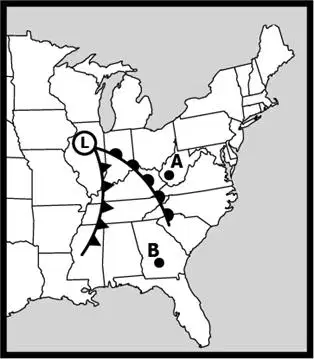
According to the weather map shown, City A will most likely experience which set of weather over the next few days?
An extended warm period
An extended cool period
Warm, moist weather followed by cool, dry weather
Intense thunderstorms
From Earth to space, the main layers of the atmosphere are ___.
troposphere, stratosphere, mesosphere, thermosphere
stratosphere, troposphere, thermosphere, mesosphere
mesosphere, troposphere, stratosphere, thermosphere
troposphere, mesosphere, stratosphere, thermosphere
Differences in air pressure have what effect on air?
Air pressure differences cause the air to move in fronts.
Air pressure differences cause the air to remain still.
Air pressure differences heat up the air.
Air pressure differences create humidity.
The two most common gases in Earth's atmosphere are ___.
nitrogen and oxygen
hydrogen and nitrogen
oxygen and water vapor
oxygen and carbon dioxide
Humidity is the ___.
amount of water vapor in the air
amount of pressure in the air
amount of wind in the air
amount of precipitation in the air
At which location would air pressure be the greatest?
Sea level
Top of a hill
Flying in an airplane
Mountain top
Select all of the ways we can monitor the quality of water within a watershed.
pH
salinity
dissolved oxygen
quantity of fish
temperature
Identify each abiotic factor that can affect a watershed.
Landforms
Sunlight
Soil
Plant life
Geology

What is a wetland?
A lowland area that is saturated with moisture that supports a natural habitat of wildlife
The region draining into a river, river system, or other body of water
The widening channel of a river where it meets the sea, mixing fresh water and salt water
An ecological community together with its environment, functioning as a unit
Which of these can separate watersheds due to their high elevation?
Ridgelines
Floodplains
Tributaries
Estuaries
Which of these is NOT a function wetlands can perform to improve the water quality?
They regulate runoff by storing flood waters.
They maintain water quality by filtering sediments.
They break down pollutants.
They recharge groundwater.
They can increase erosion by speeding up runoff.

What watershed in Virginia is labeled number 1?
Gulf of Mexico or Mississippi River Watershed
North Carolina Sound Watershed
Chesapeake Bay Watershed
Atlantic Watershed
What is an estuary?
The widening channel of a river where it meets the sea, mixing fresh water and salt water.
A lowland area that is saturated with moisture that supports a natural habitat of wildlife.
An ecological community together with its environment, functioning as a unit.
The region draining into a river, river system, or other body of water.

A tributary of the Fredrick River is labeled number ___.
1
2
3
4
A city has decided to conserve fossil fuels and use renewable resources to power the city. Which action upheld this decision?
The local grocery store replaced its energy source from coal to natural gas.
The courthouse in the city started using energy from the sun to heat the building.
A nuclear power plant was built to produce energy for the citizens of the city.
The city began fueling 70 of its 80 public buses with gasoline.
Which of the following are ways humans can help conserve natural resources?
Sell public land to make new shopping centers
Set aside areas of land that can never be developed
Clear an area to create space for a community pool
Create laws to protect rivers and lakes
Identify each true statement about nonrenewable resources.
Nonrenewable resources will either run out or will not be replenished in our lifetimes.
Nonrenewable resources are found in an unlimited supply.
Nuclear power is a source of nonrenewable energy.
Using nonrenewable resources can have disadvantages such as contaminated water and pollution.
Which of these resources does NOT match up with its disadvantage?
Coal-Causes pollution when burned
Solar-Sunlight is not consistent or always there
Wind-Not consistent and obstructs view of surroundings
Nuclear-creates long lasting radioactive waste
Hydropower-Causes air pollution
What does the modern industry depend on as a major energy source and should be managed to minimize adverse impacts?
Fossil fuels
Hydroelectric energy
Solar Energy
Geothermal energy
Identify each example of a renewable energy source.
Natural Gas
Wind
Biomass
Solar
Which of the following are nonrenewable resources?
Wind
Oil
Natural gas
Coal
Water
Which of the following human activities have a negative effect on ecosystems?
Environmental awareness programs
Pollution control programs
Logging in the rainforest for new homes
Preservation of wilderness areas

