
 Worksheets
Human Nutrition (Diet)
Total questions: 129
Worksheet time: 6hrs 27mins
What are the five processes in human nutrition (in order)?
ingestion, digestion, egestion, absorption, assimilation
ingestion, digestion, absorption, egestion, assimilation
ingestion, digestion, absorption, assimilation, egestion
absorption, ingestion, digestion, egestion, assimilation
Where does ingestion begin?
duodenum
stomach
mouth
colon
Chewing cuts food into smaller pieces which is a form of chemical digestion
True
False
Salivary amylase digests starch into glucose
True
False
Which of the following enzymes digests proteins?
Trypsin
Lipase
Peptidases
Amylase
Peristalsis mixes food with gastric juice in the stomach
True
False
Bile is produced by ____, stored in ____, released by _____
liver; duodenum; bile duct
liver; gall bladder; bile duct
gall bladder; liver; bile duct
gall bladder; duodenum; bile duct
You can find protein in...
dairy products.
fruit.
oil.
Oils and butter are rich in...
proteins.
fats.
carbohydrates.
Name the glands associated with the Human Digestive System?
Only salivary glands and pancreas
Only salivary glands and liver
Only liver and pancreas
Salivary Glands, Liver and Pancreas
Where does most of the digestive process take place?
Small intestine
Stomach
Large intestine

The correct order of parts labelled 2,3,7,8
Oesophagus,stomach,pancreas,liver
Oesophagus,stomach,liver,pancreas
Oesophagus,pancreas,stomach,liver
Oesophagus,pancreas,liver,stomach

What is the function of the gall bladder?
absorption of fat
digestion of fat
production of bile
storage of bile

The diagram shows the human alimentary canal.
Which of the organs are related to digestion of carbohydrates?
R and T only
P and Q only
S and T only
Q, R, S, and T
In which part of the digestive system are most of the nutrients absorbed into the bloodstream?
Stomach
Oesophagus
Small Intestine
Large Intestine
What is the function of dietary fibre in the human body?
Provides energy
Fights infection and disease
Keeps the digestive system healthy
Promotes healthy hair and nails
What is a function of protein?
Repair and build muscle
Keep the body warm
Help with the digestive system
Cures asthma
Maltose is digested into glucose by maltase
True
False
Absorption of digested food molecules occur at the villi
True
False
What is the function of Bile Juice secreted by Liver?
It makes the food alkaline.
It makes the food acidic.
It breaks down the big fat globules for effective enzyme action
It converts fat to fatty acid and glycerol

What is the best source of carbohydrates from the list?
steak
pasta
butter
lucozade
Carbohydrates are made from the elements carbon, hydrogen, oxygen and nitrogen
true
false
(a) are the simplest carbohydrate
galactose is an example of...
a cow
a sugar
a disaccharide
a monosaccharide
Carbohydrates help to build muscle
true
false
Which of the following contains the MOST protein?
cup of rice
1/2 cup of lentils
one egg
butter
(a) are the building blocks of protein
Why do we need protein in our diet?
For energy
To grow taller
For growth and repair of muscles
For strong bones and teeth
A vegetarian does not eat eggs
true
false
Name the correct order of size, starting with the smallest…
Amino acid, peptide, protein
Peptide, amino acid, protein
Protein, peptide, amino acid
I haven’t a clue
The function of Calcium and Phosphorus is to _________
Hardens the enamel of teeth.
Builds haemoglobin in the red blood cells.
Maintains the functions of the nervous system.
Build strong bones and teeth.
Which of the following statements is the function of carbohydrate?
Regulate body processes
Replace dead cells
Act as a chemical solvent
Supplies a lot of energy
What are the correct example of foods for carbohydrate?
Rice, noodle, pasta
Rice, meat, noodle
Meat, Noodle, Water
Banana, Fish, Pasta
What are the correct example of foods for protein?
Meat, fish
Onion, lettuce
Anchovies, banana
Rice, noodle
What are the correct example of foods for vitamin?
Orange, lemon
Anchovies, meat
Rice, cereals
Noodle, fish
Which nutrient helps build and maintain body cells and tissues?
Protein
Water
Carbohydrates
Fiber
Which nutrient is the starches and sugars in foods?
lipids
proteins
carbohydrates
vitamins
Which nutrient is vital to every body function?
lipids
water
minerals
protein
Substances in food that provide nourishment essential for growth and the maintenance of life are called nutrients. What are the 6 nutrients?
Carbohydrates, Meats, Minerals, Water, Protein, and Dairy
Fruits, Milk, Vitamins, Water, Pork, and Vitamins
Carbohydrates, Fats, Water, Protein, Minerals and Vitamins
Carbohydrates, Fats, Minerals, Cheese, Protein, and Vegetables
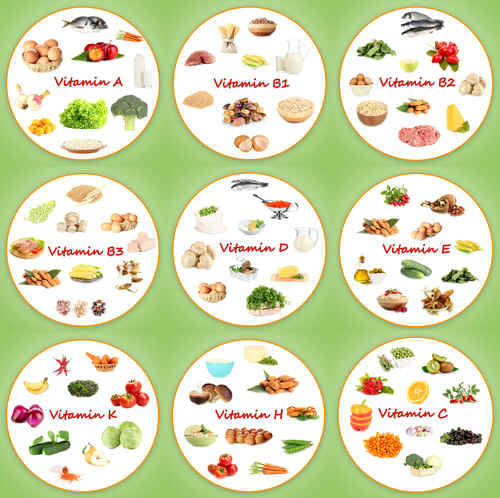
Which nutrient helps control body functions such as digestion, metabolism, and wound healing?
Vitamins
Minerals
Water
Vegetables
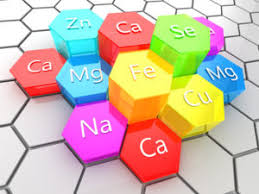
Which nutrient are substances that the body CANNOT manufacture, but are needed for forming healthy bones and teeth and regulating many vital body processes?
Protein
Minerals
Water
Vitamins
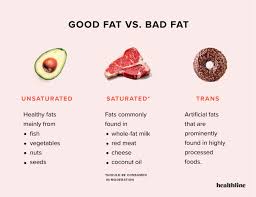
Which one of these is considered the "good fats" that we get from foods?
Unsaturated Fat
Trans Fat
Saturated
Carbs
Which Vitamin is the only one our bodies can make?
A
D
B12
Calcium


Identify the correct statements for food additives
1) not normally consumed as food
2) added intentionally to food
3) includes contaminants
4) deteriorates quality
option 1 & 2
Food additives usage is prohibited in which of the food item.
RTE
infant food
health supplements
What are the five processes in human nutrition (in order)?
ingestion,digestion,egestion,absorption,assimilation
ingestion,digestion,absorption,egestion,assimilation
ingestion,digestion,absorption,assimilation,egestion
absorption,ingestion,digestion,egestion,assimilation
Where does ingestion begin?
duodenum
stomach
mouth
colon
Which of the following enzymes digests proteins?
Trypsin
Lipase
Peptidases
Amylase
Bile is produced by ____, stored in ____, released by _____
liver; duodenum; bile duct
liver; gall bladder; bile duct
gall bladder; liver; bile duct
gall bladder; duodenum; bile duct
Name the glands associated with the Human Digestive System?
Only salivary glands and pancreas
Only salivary glands and liver
Only liver and pancreas
Salivary Glands, Liver and Pancreas
In which part of the alimentary canal does digestion of protein begin?
Small intestine
Buccal cavity
Stomach
Oesophagus
The part that stores liver’s digestive juice until they are needed by the intestines.
Pancreas
Gall bladder
Duodenum
Spleen
The diagram shows the human alimentary canal.
Which of the organs are related to digestion of carbohydrates?
R and T only
P and Q only
S and T only
Q, R, S, and T
The mechanical and chemical breakdown of food into small particles and molecules that your body can absorb and use....
ingestion
elimination
digestion
absorption
Occurs when the cells of the digestive system take in small molecules of digested food
absorption
digestion
elimination
ingestion
The removal of undigested food and other wastes from the body
absorption
elimination
digestion
ingestion
A type of digestion where food is physically broken into smaller pieces...
chemical digestion
mechanical digestion
indigestion
automatic digestion
___________ are enzymes that help break down carbohydrates.
Amylase
Papain
Lipase
Pepsin
___________ are enzymes that help break down fats.
Lipase
Amylase
Papain
Pepsin
Food moves through the esophagus and the rest of the digestive tract by waves of muscle contractions called
peristalsis
homeostasis
sonar waves
tsunami waves
A thin, watery liquid that forms when food mixes with gastric juices
chyme
gastric juice
bolus
enzyme
The folds of the small intestine are covered with fingerlive projections called...
bolus
bile
villi
rugae


Identify the part of the tooth labelled A.
Dentine
Pulp
Enamel
Root
What is often added to water and tooth paste to improve the quality of peoples teeth.
Whitening agents
Water
Fluoride
Chlorine
How many teeth are there in the human body
33
34
32
43

What are the four front middle teeth that help to bite the food called?
incisors
premolars
molars
canines


Which teeth are identified in this picture? These teeth are big and strong to help you grind food so it can be swallowed
incisors
premolars
molars
canines
How does a cavity form?
Virus
Eating healthy food
Bacteria
--------- combines with -------- to weaken the enamel which leads to tooth decay.
Chocolates , food
Acids , plaque
Glucose , plaque
What organ is responsible for the majority of the absoption that occurs in the digestive system?
large intestine
small intestine
stomach
oral cavity
Which organ releases digestive enzymes into the small intestine?
pancreas
small intestine
esophagus
salivary glands
which components make up most of the dry mass of a balanced diet?
calcium, carbohydrates, fats
carbohydrates, fats, proteins
fats, protein, vitamins
proteins, vitamins, calcium
what is the result of a diet lacking iron?
bleeding gums
poor wound healing
reduced number of red blood cells
weak bones and teeth
a child decided to eat only meat, oily fish, cheese, bread, and drink only water. which nutrient would be in low levels in this diet?
calcium
iron
vitamin C
vitamin D

A
B
C
D

A
B
C
D

A
B
C
D

A
B
C
D
Which condition can sometimes be prevents by eating plenty of fresh fruit and vegetables?
bleeding gum
brittle bones
diabetes
soft bones

A
B
C
D
A person has bleeding gums. this could be caused bu a lack of which nutrient
calcium
iron
vitamin C
vitamin D
Which of the following nutrients provides energy to the body?
CARBOHYDRATES
vitamins
water
minerals
Rice, pasta, bread & potatoes are a good source of which nutrient?
Protein
Carbohydrate
Lipids (fats & oils)
Fibre / roughage
Which food helps to make haemoglobin ?
Cheese
Carrots
Fish
Liver
Why do we need protein in our diet?
To provide energy
For growth & repair
For insulation
To prevent constipation
Meat and nuts are both good sources of which two nutrients?
Carbohydrates
and iron
Lipids and
vitamin C
Protein and
carbohydrate
Lipids and
protein

Which foods help prevent constipation ?
Bread and
potatoes
Fish and eggs
Fruit and nuts
Fresh vegetables
and cereals
Which nutrient is needed for healthy teeth?
Sodium
Magnesium
Calcium
Potassium
Which nutrient is needed for good eyesight and to prevent night-blindness?
Vitamin A
Vitamin C
Vitamin D
Iron
Citrus fruits, such as oranges and lemons, are a good source of which vitamin?
Vitamin A
Vitamin C
Vitamin D
Why do we need iron in our diet?
For strong bones
For healthy skin
To make haemoglobin
For good eyesight
Rickets is a deficiency disease caused by a lack of which nutrient?
Vitamin A
Vitamin C
Vitamin D
Iron
Why do we need carbohydrates in our diet?
They provide insulation
They provide energy
For growth
and repair
For strong bones
Which of the following foods is NOT a good source of fibre?
Brown rice
Cheese
Fresh veg
Cereals
Which of the following foods help to prevent night-blindness?
Oranges
Broccoli
Carrots
Spinach

Which food would cure this disease ?
Lemons
Spinach
Oily fish
Carrots

Green vegetables, such as broccoli, are a good source of which nutrient?
Iron
Calcium
Vitamin A
Vitamin D
Which nutrient provides us with insulation ?
Fibre
Protein
Vitamin A
Lipid

Which food would you recommend for this person?
Soya beans
Spinach
Oily fish
Liver
Which of the following fruits is NOT a citrus fruit?
Apples
Oranges
Limes
Grapefruit
_________________ is necessary to building maintenance and repair of body tissue.
sugar
protein
salt
oil
Foods that are high in Saturated Fat will
lead to a risk of heart disease
keep you healthy
build strong bones and muscles
help the immune system

Human beings need food. Which is not a reason that supports that statement.
The energy gain from food supports activities like breathing, digestion, work and play.
Food contain useful chemical substances needed by the body.
Food keeps the stomach full and comfortable.
Food contains vitamins that protects the body.

A person who is said to eat healthy will have meals that ensures variety, moderation and balance (VMB WAY). Which statement is false?
To eat in variety is to eat different type of foods from only one food group throughout the day.
Eating in moderation means not too much nor too little of any food.
Eating in balance is to make food choices that provides the body with the right amount of nutrients based on age, gender and activity level.
It is important to eat different types of food across different food groups to get different nutrients needed by the body.

A balanced diet contains all the nutrients in the correct amounts to meet an individual’s nutritional needs.
TRUE
FALSE

Which shows an excellent example of ‘variety’ in their meal?
Rice, oats, potato and noodles
Mandarin orange, citrus orange, lemon and honey orange
Bread, lettuce, tomato and vegetable soup
Brown rice, tofu, spinach and orange

The term ‘empty calories’ refers to _________________________.
foods that contain little energy and beneficial nutrients like vitamins and minerals
foods that are high in energy and beneficial nutrients like vitamins and minerals
foods that are low in energy but high in beneficial nutrients like vitamins and minerals
foods that are high in energy but low in beneficial nutrients like vitamins and minerals
White rice
cookies
Wholemeal bread
Grapes

Basal metabolism is the minimum amount of energy needed by the body to maintain important body functions.
TRUE
FALSE

The amount of energy a person need in a day depends on _____________________.
age, food preference and body size
age, body size, gender and activity level
age, body size, gender, activity level and race
age, body size, gender, activity level and occupation

With reference to the recommended dietary allowance chart (click on the image), state the required amount of energy that is needed by a teenage boy who is 13 years old.
2200
3000
2500
2900

Which correctly shows the concept of energy balance?
energy expenditure > energy intake
energy intake > energy expenditure
energy intake < energy expenditure
energy intake = energy expenditure

Energy imbalance happens when energy intake is more or less than energy expenditure. Which is the outcome when intake is more than expenditure
body uses stored fats as energy. Leading to weight loss over time.
energy will be stored as body fat. Leading to weight gain over time.
body weight is maintained. Achieving energy balance and a healthy weight.
Nothing haappens to the body. Food is digested and excreted as waste maaterial.

How do you calculate BMI?
weight in kilogram divide by height in metre
height in metre divide by weight in kilogram
weight in kilogram divide by height in metre 2 (height x height)
height in metre 2 (height x height) divide by weight in kilogram

