
 Worksheets
BCW - Life Science - Level 2
Total questions: 50
Worksheet time: 8hrs 20mins
What is the different between tropical and temperate rainforests?
Their geographic location
The types of plants and animals that live there
Their annual temperatures
All of these
Which of the following statement is FALSE?
Rainforests are an important source of oxygen for the world
There is very high biodiversity in the rainforest
The only temperate rainforest is found in the NW United States
Rainforests are located in mid-latitude areas
The tundra biome is found:
in northern parts of America, Europe, and Asia
in thick forests of the South
in hot deserts
near the equator
Which are found along the coasts in places like the northwestern United States? They can be very wet but are much cooler than tropical rain forests.
pine forest
subtropical rainforest
rainbow forest
temperate rain forest
Which biome covers 70% of the Earth?
saltwater biome
freshwater biome
mariner biome
marine biome

How does water flow through a plant (from entry to exit)?
stem-root-leaves
leaves-stem-root
root-stem-leaves
root-leaves-stem

What are the products of photosynthesis?
Carbon dioxide and water
Oxygen and glucose
Carbon dioxide and oxygen
Glucose and carbon dioxide
This green pigment absorbs energy from sunlight.
chloroplast
chlorophyll
chromosome
chloramphenicol
Angiosperms (flowering plants) produce both a seed and a ______________ to nourish the seed.
nut
spore
fruit
cone
The waxy waterproof layer on the leaves and some stems of plants is called the _________________.
root
stomata
petal
cuticle
These vessels carry blood away from the heart.
arteries
veins
capillaries
superior vena cava
These vessels carry blood to each lung from the right ventricle.
superior vena cava
pulmonary arteries
pulmonary veins
aorta
How many chambers does a human heart have?
1
2
3
4
Which blood vessel carries deoxygenated blood back to the heart?
vein
artery
platelets

What bone is highlighted?
Radius
Ulna
Humerus
Carpals

What bone is highlighted?
Vertebrae
Radius
Pelvis
Ribs

What bone is highlighted?
Radius
Ulna
Humerus
Carpals

What bone is highlighted?
Radius
Ulna
Humerus
Carpals

What bone is highlighted?
Femur
Tibia
Fibula
Humerus

The functions are the skeletal system are
To support the body, protect the organs, store calcium, and produce blood cells
to regulate the composition of body fluids by removing metabolic wastes and retain the balance of water, salt, and other nutrients
to regulate and maintain bodily functions by producing hormones and releasing them into the blood stream
to enable the diffusion of oxygen into the bloodstream and the removal of carbon dioxide from the bloodstream

Where are new blood cells created?
In the scapula
In bone marrow, located inside the bone
In the patella
In bone marrow, located inside the muscle tissue

What is cartilage?
joints that connect bone to tissue
Connective tissue that acts as balance for the body
Connective tissue near joints that act as a shock absorber
a piece of tissue that is attached to the scapula

What is a Neuron?
A cell
A transmitter that delivers messages to cells
A receiver for information
a gland
What is the largest part of the brain?
Brain stem
Cerebellum
Cerebrum
Dura mater
What do the motor neurons do?
carry messages from the brain and spinal cord to muscles and glands
carry impulses from skin and sends to organs the to spinal cord and brain
carry impulses from sensory neurons to motor neurons
store messages
What part of the brain is responsible for conscious thought, judgement, memory, reasoning and will power?
Cerebellum
Hypothalamus
Cerebrum
Thalamus
What does the brain stem do?
provides the pathway for ascending and descending tracts
pathway for only descending tracts
provides structure
pathway only for ascending tracts
Mammals are warm-blooded animals with a bony skeleton and fur or hair.
True
False
What is the largest mammal?
Elephant
Giraffe
Blue whale
Argentinosaurus
Some mammals lay eggs?
False
True


What could cause a population to increase?
births and immigration
deaths and emigration
births and emigration
deaths and immigration
The carrying capacity of an ecosystem depends on....
the amount of resources available
the color of the ecosystem
Which ecosystem is probably healthier?
An ecosystem with only a few species of animals
An ecosystem with MANY different animals
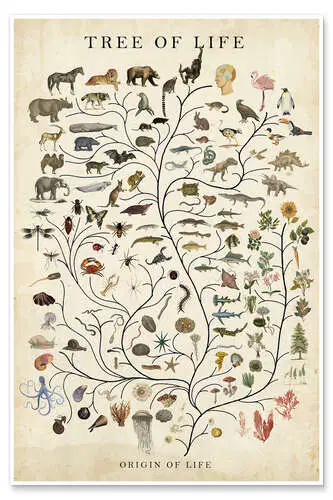
Why should people care about animals and plants?
Support your answer with at least 3 facts. Be sure to use complete sentences, correct spelling, and punctuation.

