
 Worksheets
Waves Unit Practice
Total questions: 102
Worksheet time: 59mins

Which term means the distance from the crest of one wave to the next crest?
Amplitude
Frequency
Wavelength
Which term means the number of waves that pass a point in 1 second?
Amplitude
Frequency
Wavelength

Increasing the amplitude of a wave ______ the wave’s energy.
Increases
Decreases
Does not change

A wave with a large wavelength will have...
Low Frequency & Low Energy
High Frequency & High Energy
High Frequency & Low Energy
Low Frequency & High Energy
How are electromagnetic waves different from other waves?
They have short wavelengths
they transmit energy instead of matter
they can travel through empty space
they can change direction by reflection

Which has the LONGEST wavelength and therefore the lowest frequency/energy? These waves are used in broadcasting, wifi, and texting.
Gamma rays
Visible light
Radio waves
Infrared rays

Which electromagnetic waves are used in devices such as heat lamps and TV remote controls?
Ultraviolet rays
Infrared Rays
Microwaves

How much of the electromagnetic spectrum is made up of visible light?
A small portion of it
Most of it
All of it
None of it

Which section of the electromagnetic spectrum is the ONLY part humans can see?
X-Rays
Gamma Rays
Visible Light
Ultraviolet Rays

Electromagnetic waves that help your body produce vitamin D are called ___. Hint: These waves are invisible to humans but some insects can see them.
Gamma Rays
Ultraviolet Rays
X-Rays
Visible Light

Which electromagnetic waves are used by doctors to detect broken bones inside your body?
X-Rays
Gamma Rays
Ultraviolet Rays
Infrared Rays
Which has the SHORTEST wavelength and therefore the highest frequency/most energy? Hint: These waves are also used in cancer treatments.
Gamma Rays
Radio Waves
Ultraviolet Rays
X-rays

What high energy waves are given off by radioactive materials?
Gamma Rays
Microwaves
Ultraviolet Rays
Radio Waves

Which wave has a low frequency, a long wavelength, and low energy?
A
B
Not enough information to determine

Which wave has a high frequency, a short wavelength, and high energy?
A
B
Not enough information to determine


What is letter D?
Sclera
Retina
Aqueous Humor
Iris

What is letter C
Optic Nerve
Lens
Sclera
Vitreous Humor
This is a layer of white tissue on the outside of the eye is called:
vitreous humor
cornea
sclera
rods and cones


1. Without a medium, sound waves could not travel.
True
False
Sound is caused by?
friction
vibrations
instruments
I am an astronaut, floating in my spacesuit in outer space. I see another astronaut, floating in her spacesuit. I want to communicate with her. Which method would be successful?
shine a light in Morse code to represent letters
shout at her
make a loud bang
say hello

What causes an echo?
sound waves bouncing off large, hard surfaces
sound waves bouncing off carpet
sound waves bouncing off trees and bushes
you repeating yourself
We perceive large vibrations as...
Quiet sounds
Loud sounds
high-pitched sounds
We perceive small vibrations as...
High-pitched sounds
Loud sounds
Quiet sounds
Sound travels in waves
True
False
Sound can travel through different materials
True
False
Sound travels slower in water than in air
True
False
Sound doesn't travel in space because there is no gravity there.
True
False

What is this?
Ear Drum
Ear Canal
Pinna
Cochlea
Hearing Nerve
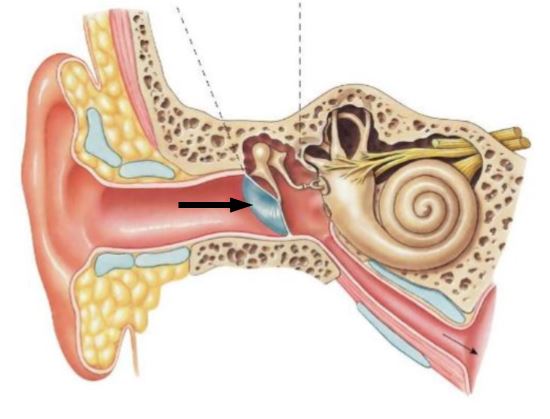
What is this?
Ear Drum
Ear Canal
Pinna
Hammer
Cochlea
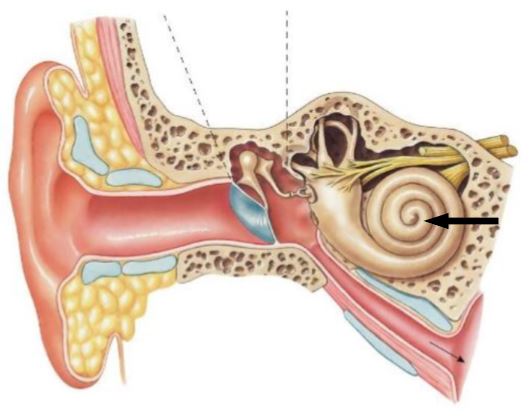
What is this?
Pinna
Hearing Nerve
Cochlea
Ear Drum
Anvil

What is this?
Anvil
Hammer
Stirrup
Cochlea
Ear drum

What is this?
Anvil
Hammer
Stirrup
Cochlea
Ear drum

What is this?
Cochlea
Pinna
Auditory Nerve
Stirrup
Ear drum

What is this?
Hearing Nerve
Cochlea
Pinna
Stirrup
Hammer

What is this?
Anvil
Hammer
Stirrup
Ear Canal
Ear drum
Select the THREE bones found in the middle ear. You may select multiple answers.
eardrum
hammer
anvil
cochlea
stirrup
Select ALL the part(s) of the ear found in the inner ear. You may select multiple answers.
ear canal
cochlea
anvil
auditory nerve
hammer
Name the section of the ear where the eardrum is located.
outer
middle
inner
Select ALL the part(s) of the ear found in the outer ear. You may select multiple answers.
ear lobe
ear canal
stirrup
auditory nerve
Where is the most common place to pierce your ears?
Ear Drum
Ear Canal
Ear Lobe
Ear Nerve
Which section of the ear is responsible for capturing the sound waves?
Inner Ear
Middle Ear
Outer Ear
Which section of the ear transfers sound into electrical impulses, which are then sent to the brain ?
Outer Ear
Inner Ear
Middle Ear
Cochlea
Which section of the ear do vibrations push up against the structures in order to hear the sound?
Outer Ear
Middle Ear
Inner Ear
Which structure contains 15,000 tiny little hairs?
Anvil
Hammer
Stirrup
Cochlea
Ear drum
Which section of the ear helps control the body's balance?
Outer Ear
Inner Ear
Middle Ear
Cochlea
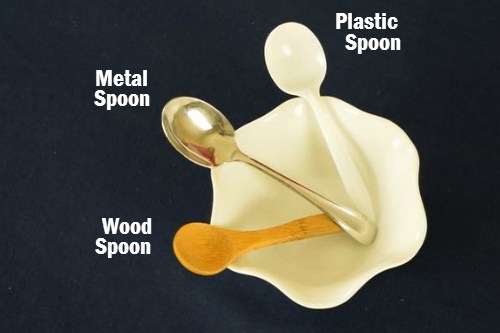
Which material will heat travel through the fastest?
Plastic
Wood
Metal

How do molecules react when heat energy is added to them?
They feel warmer but stay in place
They feel warmer and move slower.
They feel warmer and move faster
Molecules do not react with heat energy only solar energy
What is Conduction?
When heat is passed from particle to particle through an object.
When particles get heated, expand, and become less dense.
When heat transfers by waves through empty space.
What is Convection?
When heat is passed from particle to particle through an object.
When particles get heated, expand, and become less dense.
When heat transfers by waves through empty space.
What is Radiation?
When heat is passed from particle to particle through an object.
When particles get heated, expand, and become less dense.
When heat transfers by waves through empty space.
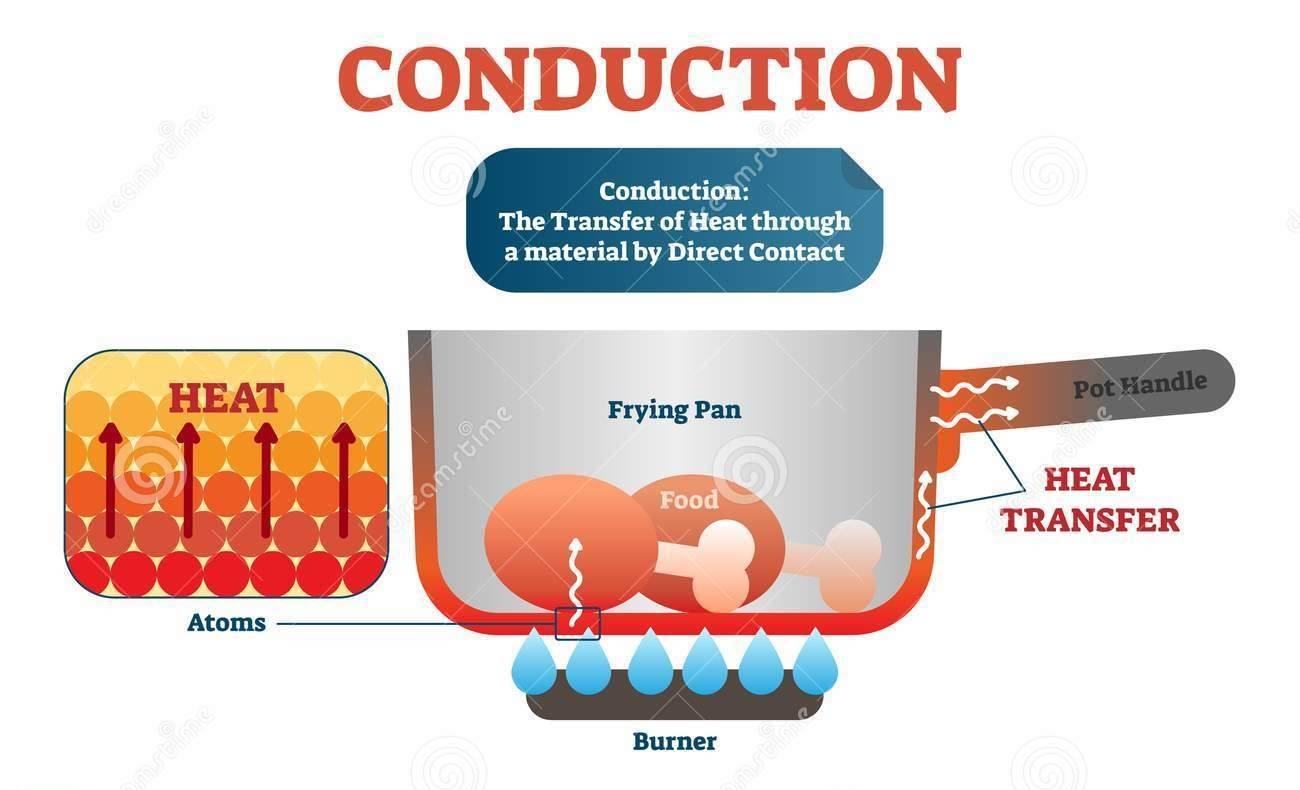
Which of the following is an example of heat transfer by Conduction?
Burning your fingers on a hot iron.
Heat from a heater warming up your whole house
Standing by a campfire and feeling the heat.
All of the above.
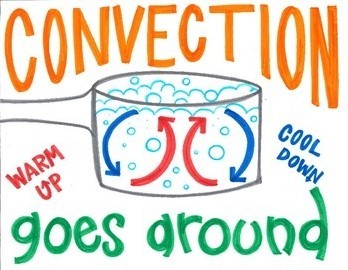
Which of the following is an example of heat transfer by Convection?
Burning your fingers on a hot iron.
Heat from a heater warming up your whole house
Standing by a campfire and feeling the heat.
All of the above.
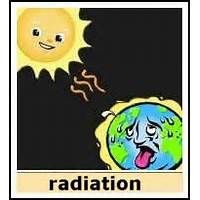
Which of the following is an example of heat transfer by Radiation?
Burning your fingers on a hot iron.
Heat from a heater warming up your whole house
Standing by a campfire and feeling the heat.
All of the above.

What is heat?
The temperature of hot objects
The energy transferred between hot objects
The fire hot objects give off.
All of the above
How does heat move?
From cooler objects to warmer objects.
From warmer objects to cooler objects
From metal objects to nonmetal objects
Very quickly in all directions

Identify the energy transfer
electrical to chemical to light
kinetic to potential
chemical to electrical to light
light to sound

Identify the energy transfer
kinetic to sound
chemical to electrical
sound to mechanical
thermal to sound

Identify the energy transfer (photosynthesis)
light to electrical
light to chemical
chemical to thermal
solar to chemical

Identify the energy transfer
chemical to kinetic
solar to electrical
thermal to light
electrical to light

Identify the energy transfer
light to electrical to chemical
chemical to electrical to light
electrical to chemical to light
chemical to electrical to solar

Identify the energy transfer
mechanical to light
chemical to kinetic
electrical to kinetic
kinetic to thermal

Identify the energy transfer
chemical to light
thermal to electrical
chemical to heat
electrical to thermal

Identify the energy transfer
chemical to electrical to sound
sound to electrical to chemical
electrical to sound to chemical
potential to kinetic to light

Identify the energy transfer
kinetic to mechamical
light to thermal
potential to kinetic
electrical to magnetism

Identify the energy transfer
chemical to solar
electrical to thermal
chemical to light
thermal to kinetiv

Identify the energy transfer
potential to chemical
electrical to kinetic
mechanical to sound
chemical to thermal

When you eat food, your body gains ___________ energy.
electrical
chemical
thermal
light

What type of energy can be sensed by the eyes?
sound
thermal
electrical
light
Which of the following involves electrical energy being transferred into heat energy?
A heavy box being lifted off a table
firecrackers exploding in the sky
baking bread in the oven
a wax candle burning

A wind-up toy has a spring that stores energy when it is wound up gently. When the toy is released, chemical energy transfers into ____________ energy.
electrical
kinetic
potential
light

Which type of energy is NOT given off by a fire?
light
electrical
thermal
sound

Identify the energy transfer
sound to kinetic
sound to light
kinetic to sound
chemical to sound

