
 Worksheets
Regents Review Session #1 Practice Questions/Terms 2023
Total questions: 30
Worksheet time: 15mins
The altitude of Polaris is always based on
the latitude of the observer
the rotation of the Earth
wherever it is nighttime on Earth
how fast the Earth moves around the Sun
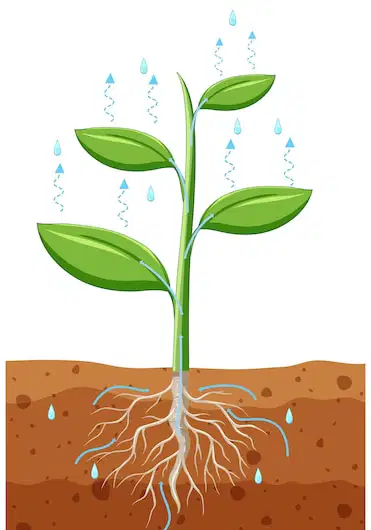
Water vapor is released through the leaves of plants in a process known as
transpiration
evaporation
condensation
photosynthesis
Which group includes the terrestrial planets?
Jupiter, Saturn, Uranus, Neptune
Mercury, Venus, Earth, Mars
Venus, Earth, Mars, Jupiter
Earth, Mars, Neptune, Uranus
What are terrestrial planets?
planets that are mostly made of rock
planets that are mostly made of gas
planets that are a combination of gas, liquid and rock
the planet that ET came from
Which group includes the Jovian planets?
Mercury, Venus, Earth, Mars
Jupiter, Saturn, Uranus, Neptune
Mercury, Mars, Jupiter, Saturn
Earth, Mars, Jupiter, Saturn
What are Jovian planets?
Planets made mostly out of gas
Planets that are made mostly of rock
Planets that are farther away from the Sun than Jupiter
Planets that are closer to the Sun than Jupiter

The type of heat transfer that takes place in gases or liquids where heat rises and cold sinks due to density differences.
convection
conduction
radiation
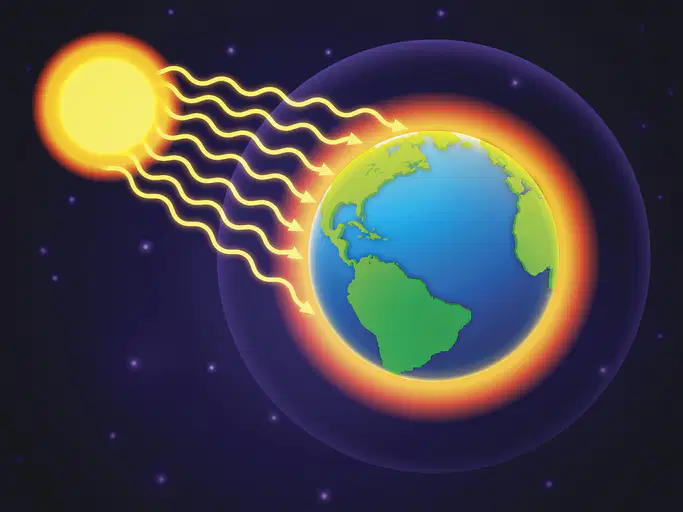
The type of heat transfer that exists between the Sun and Earth.
radiation
conduction
convection
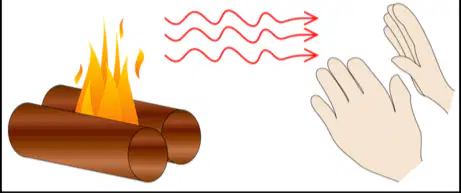
The transfer of heat between two objects that are NOT in contact with each other
radiation
conduction
convection
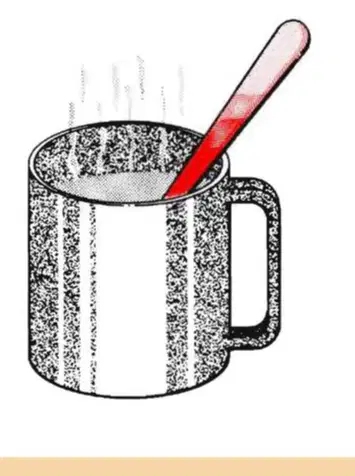
The type of heat transfer that makes a spoon get hot when you place it into a mug of hot liquid
conduction
convection
radiation

This type of heat transfer occurs when heat is directly transferred through an object.
convection
conduction
radiation

A landscape with a low elevation is called a
mountain
plateau
plume
high rise
When you go to the East, your time will _____ .
increase
decrease
remain the same
When you go to the west your time will get
less
more
stay the same
Every 15 degrees of longitude equals ____ hour(s)
1
5
24
365
Using the ESRT page 1 "Specific Heats of Common Materials", which material requires the least amount of heat energy to raise its temperature one Celsius degree?
liquid water
ice
basalt
granite
The amount of heat energy that is needed to raise the temperature of a substance 1 degree Celsius is called
specific heat
insolation
convection
radiation
Equal areas of which types of surface absorb the most insolation (sunlight) ?
dark colored and smooth
dark colored and rough
light colored and smooth
light colored and rough
Use the ESRT chart on page 1 to answer: As water vapor changes phase from gas to liquid, each gram of water
releases 2260 joules of heat energy
releases 334 joules of heat energy
gains 2260 joules of heat energy
gains 334 joules of heat energy
This event causes a temporary slowing or reversal of surface ocean currents in the equatorial region of the Pacific Ocean and may disrupt normal weather patterns in North America.
El Nino
a volcanic eruption
a tsunami
Grenville orogeny
Earth's rate of revolution is approximately
1 degree per day
15 degrees per day
23.5 degrees per day
360 degrees per day
The Earth's revolution refers to
the time it takes the Earth to go around the Sun once
the time it takes the Earth to spin on it axis
the time it takes for one time zone to move one hour
the time it takes the Moon to rotate on its axis
Use the ESRT chart on page 1 to answer: As water vapor changes phase from liquid to gas, each gram of water
releases 2260 joules of heat energy
releases 334 joules of heat energy
gains 2260 joules of heat energy
gains 334 joules of heat energy
Use the ESRT chart on page 1 to answer: As water vapor changes phase from solid to liquid, each gram of water
releases 2260 joules of heat energy
releases 334 joules of heat energy
gains 2260 joules of heat energy
gains 334 joules of heat energy
Use the ESRT chart on page 1 to answer: As water vapor changes phase from liquid to solid, each gram of water
releases 2260 joules of heat energy
releases 334 joules of heat energy
gains 2260 joules of heat energy
gains 334 joules of heat energy
Using the ESRT page 1 "Specific Heats of Common Materials", which material requires the least amount of heat energy to raise its temperature one Celsius degree?
dry air
iron
solid water (ice)
water vapor
Using the ESRT page 1 "Specific Heats of Common Materials", which material requires the most amount of heat energy to raise its temperature one Celsius degree?
basalt
copper
lead
granite
Which minerals will bubble when acid is placed on them?
calcite and dolomite
mica and feldspar
pyrite and galena
quartz and graphite
Which rocks will bubble when acid is placed on them?
marble and limestone
sandstone and obsidian
schist and shale
slate and conglomerate
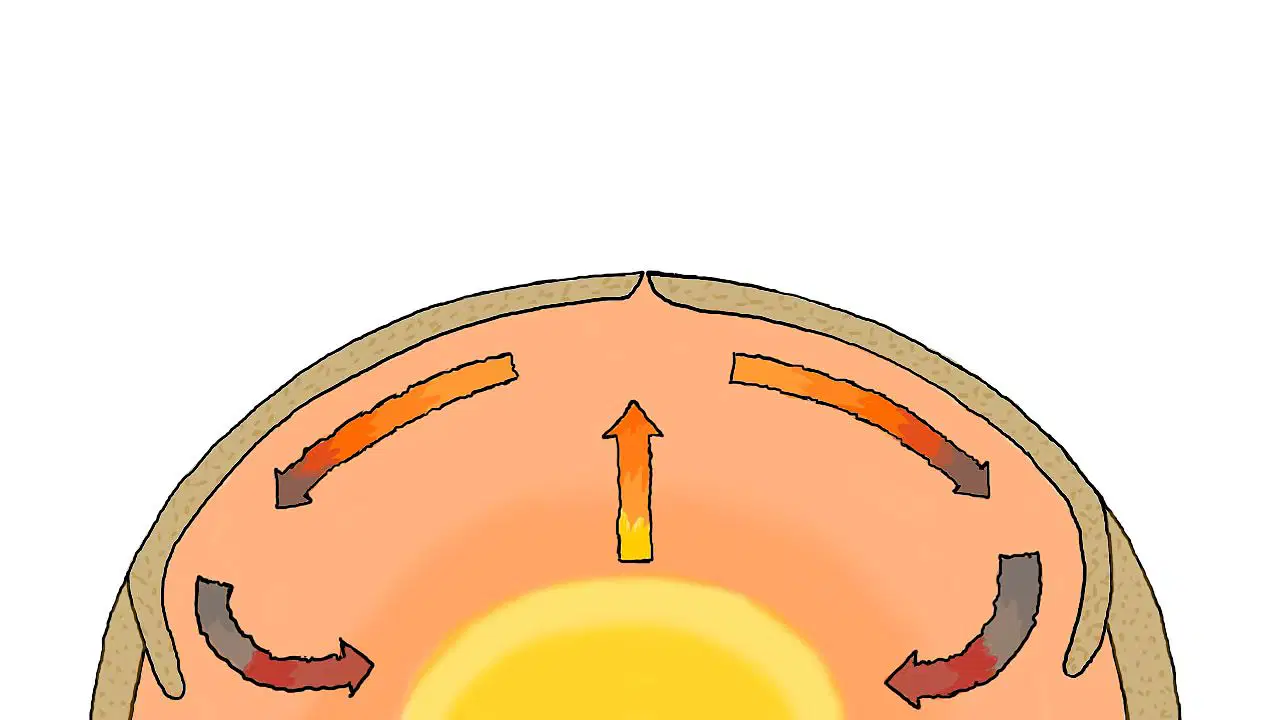
The type of heat transfer that takes place in the asthenosphere and causes plate motion
convection
conduction
radiation

