wayground logo

Free Printable Worksheets

Font size

S
M
L
XL
Worksheets

Hydrosphere Unit Review

Total questions: 50

Worksheet time: 1hrs 15mins
Name
Class
Date
1.
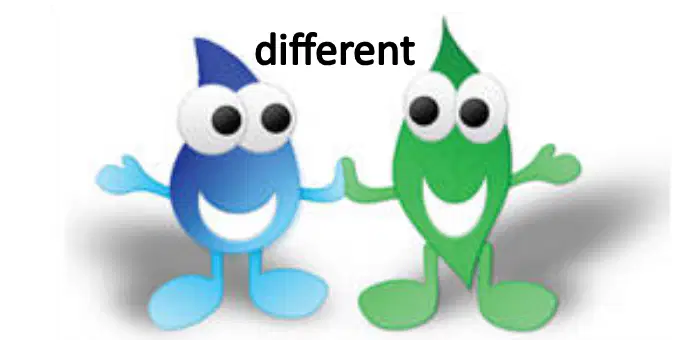
Which property is it? This graphic depicts two different substances interacting.
a)
Adhesion
b)
Surface tension
c)
Capillary action
d)
Cohesion
2.
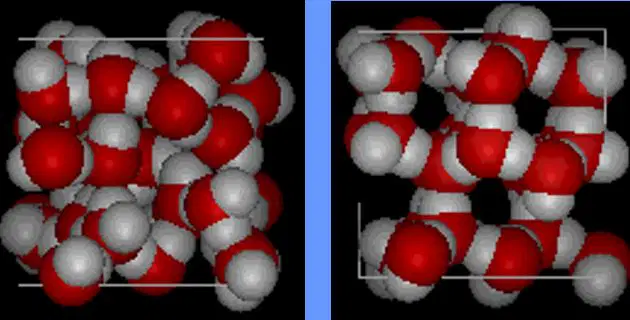
Which picture is liquid water?
a)
the picture of the left
b)
the picture on the right
3.
Condensation is which of the following phase changes?
a)
solid to liquid
b)
liquid to gas
c)
liquid to solid
d)
gas to liquid
4.
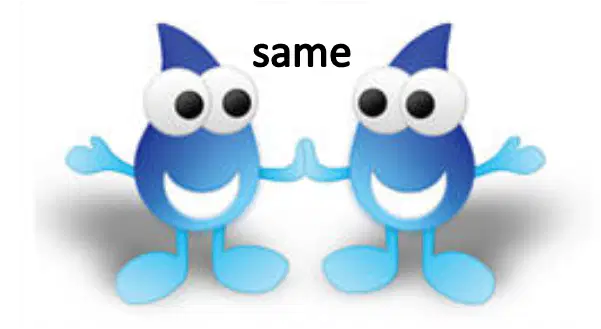
Which property is it? This graphic depicts two of the same substances interacting.
a)
Adhesion
b)
Surface tension
c)
Capillary action
d)
Cohesion
5.
In a water molecule, what is the partial charge on the oxygen?
a)
partial positive
b)
partial negative
c)
there is no charge on the oxygen
6.
Which phase of water is the most dense
a)
solid
b)
liquid
c)
gas
7.
Evaporation is which phase change?
a)
liquid to gas
b)
liquid to a soild
c)
gas to a liquid
d)
solid to a liquid
8.
What do you call the land area from which water, sediment, and dissolved materials drain into a common body of water?
a)
ground water
b)
surface water
c)
aquifer
d)
watershed
9.
How many state watersheds are in Georgia
a)

14

b)

12

c)

10

d)

8

10.
True or False. Gilmer County is located in the Chattahoochee water shed.
a)
True
b)
False
11.
True or False. Land use in the watershed can affect how water flows to the outflow point.
a)
True
b)
False
12.
What are the two main elements in fertilizer that can cause eutrophication?
a)
Nitrogen & Phosphorus
b)
Carbon & Oxygen
c)
Nitrogen & Carbon
d)
Phosphorus & Oxygen
13.
True or False: Eutrophication can decrease the biodiversity in a body of water.
a)
True
b)
False
14.
The concentration of toxins in an organism as a result of it ingesting other plants or animals that contained the toxin.
a)
biomagnification
b)
bioaccumulation
c)
bioillumination
15.
How many years does it take for most plastics to biodegrade?
a)
500 years
b)
20 yrs
c)
1000 yrs
16.
What is the build up of a toxin inside a life form.
a)
biomagnification
b)
bioaccumulation
c)
bioillumination
17.
How small is a microplastic?
a)
less then 5 mm
b)
less then 5 cm
c)
less then 5 m
18.
What is the name of the toxic fluid that collects beneath landfills?
a)
leachate
b)
toxic tea
c)
seepage
19.
What year was the Comprehensive Environmental Response, Compensation and Liability Act (CERCLA) created?
a)
1980
b)
1975
c)
1995
d)
1988
20.
What government agency is responsible for cleaning up Superfund Sites?
a)
DOA
b)
NOAA
c)
EPA
d)
USDA
21.
How many superfund sites are in Ellijay?
a)
5
b)
3
c)
2
d)
7
22.
_________________ is when chemicals are added and the particles clump up together into a floc where it can be easily separated from the water.
a)
Sedimentation
b)
Disinfection
c)
Coagulation
d)
Flocculation
23.
Which of the following is one of the last steps before the treated water returns to home?
a)
Sedimentation
b)
Disinfection
c)
Coagulation
d)
Flocculation
24.
What 2 elements do you find in water?
a)
Carbon
b)
Hydrogen
c)
Oxygen
d)
Sulfur
e)
Nitrogen
25.
Choose two ways water returns to the atmosphere.
a)
Evaporation
b)
Run-off
c)
Transpiration
d)
Assimilation
e)
Condensation
26.
After precipitation, what two things could happen next to water?
a)
Run-off
b)
Transpiration
c)
Condensation
d)
Percolation
27.
What is the process of plants or animals taking in water?
a)
Assimilation
b)
Percolation
c)
Run-off
28.

Which of the following elements are NOT essential to life?

a)

iron

b)

carbon

c)

sulfer

d)

phosporus

e)

oxygen

29.
What is the percent of usable fresh water on Earth?
a)
1%
b)
25%
c)
50%
d)
12%
30.
It is estimated that in __________, most of the world will not have enough water for demand.
a)
2065
b)
2050
c)
2040
d)
2045
31.
What type of food consumed uses the most amount of water?
a)
Fruit
b)
Vegtables
c)
Grains
d)
Meat
32.

What is the process that occurs in the Primary Treatment in the waster water treatment process?

a)

Biological Processes

b)

Physical Processes

c)

Ecological/Chemical Processes

33.

What is the process that occurs in the Secondary Treatment in the waster water treatment process?

a)

Biological Processes

b)

Physical Processes

c)

Ecological/Chemical Processes

34.

What is the process that occurs in the Tertiary Treatment in the waster water treatment process?

a)

Biological Processes

b)

Physical Processes

c)

Ecological/Chemical Processes

35.

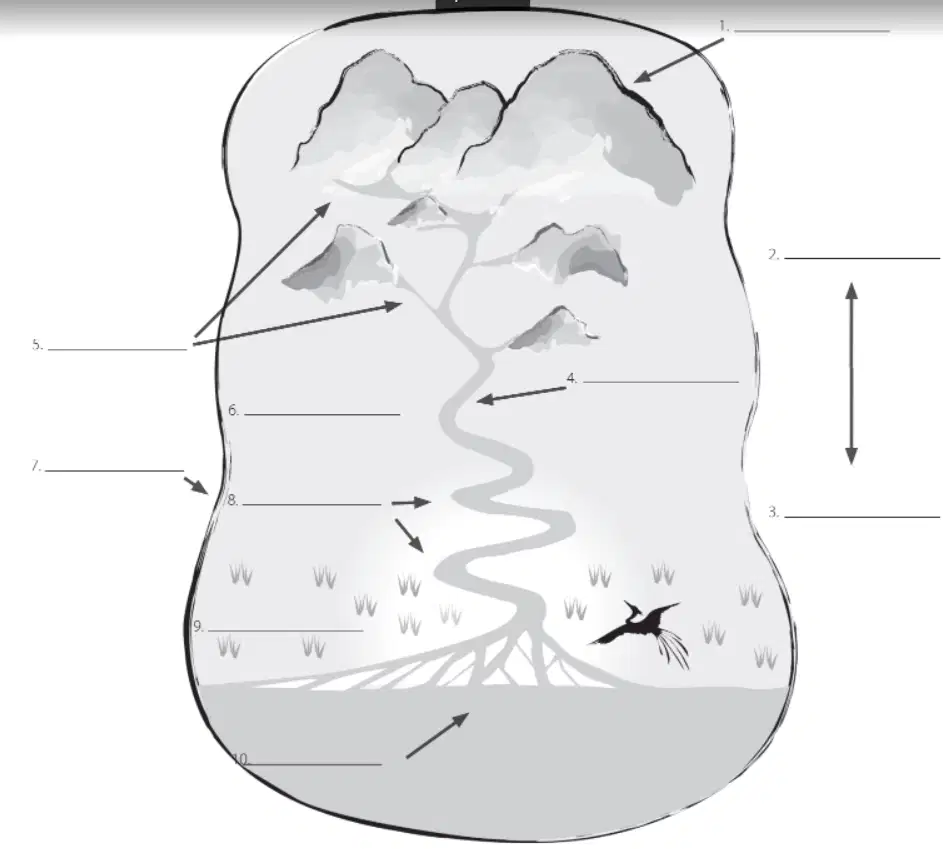
What is the correct vocabulary term for step 1?

a)

Infiltration/Percolation

b)

Condensation

c)

Evaporation

d)

Transpiration

e)

Groundwater (aquifer)

36.

What is the correct vocabulary term for step 2?

a)

Infiltration/Percolation

b)

Condensation

c)

Evaporation

d)

Transpiration

e)

Groundwater (aquifer)

37.

What is the correct vocabulary term for step 4?

a)

Infiltration/Percolation

b)

Run off

c)

Evaporation

d)

Precipitation

e)

Groundwater (aquifer)

38.

What is the correct vocabulary term for step 5?

a)

Infiltration/Percolation

b)

Run off

c)

Evaporation

d)

Precipitation

e)

Groundwater (aquifer)

39.

What is the correct vocabulary term for step 6?

a)

Infiltration/Percolation

b)

Run off

c)

Evaporation

d)

Precipitation

e)

Groundwater (aquifer)

40.

What is the correct vocabulary term for step 7?

a)

Infiltration/Percolation

b)

Run off

c)

Evaporation

d)

Precipitation

e)

Groundwater (aquifer)

41.

What is the correct vocabulary term for step 8?

a)

Assimilation

b)

Run off

c)

Evaporation

d)

Precipitation

e)

Groundwater (aquifer)

42.

What is the component labeled at #1?

a)

River Source

b)

Upstream

c)

Downstream

d)

Main River

e)

Tributaries

43.

What is the component labeled at #2?

a)

River Source

b)

Tributaries

c)

Downstream

d)

Main River

e)

Upstream

44.

What is the component labeled at #3?

a)

River Source

b)

Tributaries

c)

Downstream

d)

Main River

e)

Upstream

45.

What is the component labeled at #4?

a)

Main River

b)

Tributaries

c)

Downstream

d)

River Source

e)

Upstream

46.

What is the component labeled at #6?

a)

Wetlands

b)

Watershed Boundary

c)

River Mouth

d)

Meanders

e)

Floodplain

47.

What is the component labeled at #7?

a)

Wetlands

b)

Watershed Boundary

c)

River Mouth

d)

Meanders

e)

Floodplain

48.

What is the component labeled at #8?

a)

Wetlands

b)

Watershed Boundary

c)

River Mouth

d)

Meanders

e)

Floodplain

49.

What is the component labeled at #9?

a)

Wetlands

b)

Watershed Boundary

c)

River Mouth

d)

Meanders

e)

Floodplain

50.

What is the component labeled at #10?

a)

Wetlands

b)

Watershed Boundary

c)

River Mouth

d)

Meanders

e)

Floodplain