
 Worksheets
Y8 Biology
Total questions: 173
Worksheet time: 1hrs 28mins
Which statement describes ALL living things?
They can move.
They are composed of one or more cells.
They are capable of making their own food.
They have organ systems that carry out the process of life.
Which organism is unicellular and does not contain a nucleus?
fungus
protist
virus
bacteria
What are two organelles that can be found in the plant cells, but not in the animal cells?
golgi apparatus and ribosomes
ribosomes and chloroplast
smooth ER and cell wall
cell wall and chloroplast
Which organelle protects and supports the plant cell?
cell wall
cell membrane
vacuole
nucleus
What are the two systems that work closely together to allow us to move? Note: They give us strength and power.
muscular
respiratory
circulatory
skeletal
What is the function of the nervous system?
Whenever we get in front of crowds, it causes our bodies to shake.
It coordinates the body's response to changes in its environment.
It is responsible for the blood flow throughout your body.
It helps us take in oxygen and expel carbon dioxide.
What is the correct order of the path food takes in the digestive system?
mouth, esophagus, stomach, intestines
mouth, stomach, esophagus, intestines
esophagus, mouth, intestines, stomach
esophagus, mouth, stomach, intestines
Which two systems are responsible for bringing in oxygen and delivering the oxygen throughout the body?
nervous
respiratory
digestive
cardiovascular (circulatory)
Cells form tissues, tissues form organs, organs work together to form
lungs
organ systems
skin
heart

A group of tissues that work together is a(n) ______________________.
cell
organ
organ system
What might the immune system protect our body from?
sugars, fats, and carbs.
viruses, bacteria
lice, worms, fleas
cough, sneeze, vomit
What is the term for a group of organs that break down food so that it can be used for energy, cell growth and repair?
circulatory system
digestive system
excretory system
muscular system
nervous system
What is the term for the control center for the entire body that sends signals from throughout the body to the brain?
circulatory system
respiratory system
excretory system
muscular system
nervous system
What organ system are lungs part of?
digestive system
respiratory system
muscular system
nervous system
excretory system
What organ system are the small and large intestine part of?
digestive system
respiratory system
muscular system
nervous system
excretory system
What organ system includes muscles in your arms and legs?
circulatory system
respiratory system
muscular system
nervous system
excretory system

A specialized cell is a cell that has ...
the ability to divide
a specific role to do
no specific function in the bod
1. If one of the digestive organs malfunctions, how will it affect the digestion of food?
Some of the food might be digested but not all the nutrients will be absorbed.
All the food will be digested but the nutrients will not be absorbed.
Loose bowel movement might occur
Digestion will not take place.
During breakfast you ate Tapsilog and Pandesal. These foods will be digested to absorb the nutrients and energy needed by your body. Where does the absorption of nutrients take place during digestion?
Stomach
Small intestine
Large intestine
Mouth
Accessory organs such as the pancreas and liver are necessary for better digestion
True
False
Our body can absorb and assimilate the nutrients and energy from the food if the digestive organs are functioning well.
True
False
Veggies, pork, and, beef can be properly digested with the help of the pancreas alone.
True
False
DIgestion happens in the mouth, stomach and large intestine.
True
False
Absorption happens in the small and large intestine.
True
False
Absorption of nutrients depends on how well our digestive organs work together.
True
False
Final digestion occurs in the small intestine.
True
False
Ingestion happens in the mouth.
True
False
Numerous fingerlike projections in the folds of the wall of the ileum is classified as
Bolus
Chyme
Bile
Villi
Which of the following enzyme is most active at an acidic pH?
Amylase
Chymotrypsin
Pepsin
Lipase
The small intestine is subdivided into three segments. Which of the following is the correct sequence regarding the passage of food through the small intestine?
Duodenum, ileum, jejunum
Duodenum, jejunum, ileum
Jejunum, duodenum, ileum
Ileum, jejunum, duodenum
The majority of the absorption of nutrients into the bloodstream occurs in the _______.
Stomach
Small intestine
Large intestine
Liver
What increases the surface area of the small intestine?
duodenum
villi
ileum
pancreas
What is the purpose of the villi? (select all that apply)
increase the surface area
chemically break down food
absorb nutrients into the bloodstream
mechanically break down food
Which disease can affect villi?
intolerance
allergies
appendicitis
celiac
The beginning section of the small intestine that attaches to the stomach.
Ileum
Duodenum
Jejunum
Appendix
The last portion of the small intestine that connects to the large intestine.
Duodenum
Jejunum
Ileum
Colon
Middle portion of the small intestine.
Duodenum
Jejunum
Ileum
Cecum
Roughly how big are the microvilli in the wall of the gut?
1cm
1.5mm
5cm
1 Micrometre
Which structures increase the surface of the gut?
Lacteal and villi
Villi and microvilli
Intestinal glands and microvilli
Capillaries and membrane proteins
A person with ____________ should avoid eating foods that contain gluten.
cholecystitis
celiac disease
pancreatitis
cirrhosis

In reference to the image above, how would the absorption of a person with Celiac disease be affected ?
No effect on absorption.
The villi are flattened and therefore their absorption of nutrients would increase.
The villi are flattened and therefore their absorption of nutrients would decrease.
The villi are enlarged and absorption would increase.
As compared to a smooth surfaced cylinder, the surface area of the small intestine is ______________ by the
villi and microvilli structure.
Decreased greatly
Increased greatly
Increased slightly
Unchanged
Which of the following structures increase the surface area for absorption of digested food in the small intestine?
Villi
protein pumps
Microvilli
Villi and Microvilli
The part of the small intestine that contains villi is the...
duodenum
ileum
pancreas
appendix
Which part of the digestive system follows the small intestine?
large intestine
stomach
liver
pancreas
A flowering plant which forms seeds for reproduction
angiosperm
gymnosperm
bryohpyte
conifer

Which part produces ovules?
3
4
5
7
__________________________ is the process of transporting the male gamete from the male flower parts to the female flower parts.
Asexual reproduction
Pollination
Photosynthesis
Vasculation

Jamie wanted to grow tomato plants. He placed five seeds in the soil and watered them. A few days later he noticed that the seeds were beginning to break open, and a plant was emerging. What process did Jamie most likely observe?
pollination
fertilization
germination
condensation
What is one role of a plant's stamen and pistil?
supporting the flower
producing more plants
making food for the plant
transporting water and nutrients
The brightly colored petals of flowering plants attract insects such as bees> The bees help pollinate the plant by picking up pollen? Which part of the plant does the bee pick up pollen?
stamen
pistil
petal
sepal

The drawing below shows a process that is important to plants. What is most likely happening?
The bee is bringing water to the plant.
The plant is being pollinated by the bee
The plant is getting nectar from the bee.
The bee is removing insects from the plant.

Some of the most common pollinators are
(choose 4)
animals
such as birds
and bats
insects
like bees, butterflies and moths
wind
water
machines

What is the main function, or job of the flower?
to make seeds for new plants (reproduction)
to help in the process of photosynthesis
to make chlorophyll
the female reproductive part of a flower
pistil
stamen
flowering
non-flowerin
the pollen producing part of a flower
pistil
stamen
flowering
non-flowering
Combining of egg and sperm
Asexual Reproduction
Sexual Reproduction
Diverse
Uniform
Involves only one parent
Asexual Reproduction
Sexual Reproduction
Diverse
Uniform
... is the process of sorting organisms into different groups.
(a)
How many kingdoms are there?
Two
Three
Four
Five
Scientific names of different organisms are made up of:
Kingdom
Phyllum
Genus
Species
Habitats containing many different species have greater (a)
Extinct organisms...
... have only two organisms left in the world.
... have died out completely.
... are only left in particular habitats.
... lived millions of years ago.

The plant pictured has scientific name Galanthus nivalis. What is the genus called?
Snowdrop
Galanthus
nivalis
Nivalis

The organism pictured has the scientific name Canis familiaris. What is the species name?
dog
Canis
familiaris
Familiaris

The scientific name for the organism pictured is Equus caballus. What is the genus name?
Horse
Equus
caballus
Caballus

The scientific name of the organism pictured is Prunus avium. What is the species name?
Cherry tree
Prunus
avium
Avium
How confident do you feel about this material?
Unsure
It's fine
Reasonably confident
Completely confident - it's easy!
Which is NOT an Asexual reproduction DISADVANTAGE
No genetic variation
Only need one parent
Bad characteristics are passed on
difficult for organisms to adapt
Which is NOT a Sexual reproduction DISADVANTAGE
High genetic variation
Can be complicated
smaller population
requires courtship or mating
occurs when a second organism develops from an outgrowth of the original.
Vegetative propagation
Budding
Fragmentation
Binary Fission
A type of cell division where the cell divides into two copies
Vegetative propagation
Budding
Fragmentation
Binary Fission
a piece of an organism develops into a fully grown copy.
vegetative propagation
budding
fragmentation
binary fission
some plants can send out runners that sprout daughter plants, this is called:
vegetative propagation
budding
fragmentation
binary fission
What are the male and female gametes in PLANTS sexual reproduction?
Sperm
Ovum
Pollen
Ovules
What are the male and female gametes in ANIMAL sexual reproduction?
Sperm
Ovum
Pollen
Ovules

What type of asexual reproduction is it?
budding
regeneration
sporulation
binary fission

What type of asexual reproduction is it?
vegetative propagation
sporulation
budding
binary fission

What type of asexual reproduction is it?
budding
regeneration
sporulation
binary fission

What type of asexual reproduction is it?
vegetative propagation
sporulation
budding
binary fission
How many sets of division (PMAT) happen in Meiosis?
1
2
3
4
Meiosis ensures a constant amount of genetic material in future generations by reducing the number of chromosomes in the daughters cells to ________ that of a parent cell.
1/3
1/4
1/2
Pairs of chromosomes that contain the same genes, but may have different versions are called
chromatids
sister chromatids
homologous pairs
Meiosis is unique in cell division because it can take a ________ parent cell and create _________ daughter cells.
haploid, triploid
diploid, haploid
triploid, haploid
mitotic, meiotic
What is something that is similar between meiosis and mitosis?
the type of daughter cells they make
the amount of genetic material the resulting cells have
the replication of DNA
the location where these two types of cell division take place.

Name the phase pictured
Metaphase I
Metaphase II
Anaphase I
Anaphase II

Name the phase pictured
Metaphase I
Metaphase II
Anaphase I
Anaphase II
In mitosis, the two resulting cells are
different from the starting cell and identical to each other.
different from the starting cell and different from each other.
identical to the starting cell and different from each other.
identical to the starting cell and identical to each other.
Cells of organism must replicate for ?
growth
repair of damaged cells
replacement of dying cells
all of the answers are right
The cell spends most of it's life in ________________.
mitosis
cytokinesis
interphase
none of the above
What does the replication of DNA during interphase ensure during cell replication?
Crossing-over occurs prior to cell division.
Mutations are corrected before the cell divides.
Genetic variation is created in daughter cells.
Each daughter cell gets an exact copy of the cell’s DNA.

Name the phase
prophase
metaphase
anaphase
telophase

What is the end product of meiosis?
4 haploid cells.
2 diploid cells.
2 haploid cells.
4 diploid cells.


What is the name for the event that results in the division of the cell body (cytoplasm) into 2 daughter bodies.
Telophase
Citokinesis
Mitosis
Cross Over
The end result of mitosis is
4 Identical Cells are produced
4 genetically different cells are produced
2 identical cells are produced
2 genetically different cells are produced
The end result of meiosis is...
4 identical cells
4 genetically different cells
2 identical cells
2 genetically different cells
How many divisions are in meiosis?
46
23
2
4

What is happening during prophase?
chromosomes condense, nucleus disappears
chromosomes appears, nucleus condenses
chromosomes condense, nucleus condenses
chromosomes disappears, nucleus disappears
How many chromosomes are found in a human somatic cell?
23
46
48
52

LOOK AT THE PICTURES
Which structure houses a plant's pollen prior to pollination?
A
B
C
D
How does the pollination of most trees and grasses differ from the pollination of flowers?
B
Trees and grasses pollinate in the springtime; flowers pollinate in the fall
A
Trees and grasses self-pollinate; flowers must get pollen from other flowers
C
Trees and grasses are often pollinated by wind; flowers are often pollinated by insects
D
Trees and grasses have large, heavy grains of pollen; flowers have small, fine grains of pollen
What can you infer about a brightly-colored flower?
B
It has a greater chance of pollination than a dull-colored flower
A
It can only be pollinated by birds, not insects
C
Its pollen is probably the same bright color
D
It is probably pollinated by an insect that is attracted to that color
How does insect pollination benefit the insect?
B
The insect uses the plant's nectar as food
C
The insect uses the plant's pollen as food
D
The insect uses the plant's leaves and petals as food
A
The insect uses the fertilized ovule as food
Honeybees and flowers are linked in a mutually beneficial relationship. What is a "mutually beneficial relationship?"
A
A relationship in which one participant benefits but the other does not
B
A relationship in which neither participant benefits
C
A relationship in which one participant benefits but the other is harmed
D
A relationship in which both participants benefit
Pollen is to stamen as _____ is to pistil.
A
Ovule
B
Anther
C
Honeybee
D
Wind
Place the following events in sequence: A) Pollen is deposited on a pistil; B) Pollen fertilizes an ovule; C) A honeybee collects pollen
B
A, C, B
C
C, A, B
D
B, A, C
A
B, C, A
What is another name for a fertilized ovule?
B
A stamen
C
An anther
D
A seed
A
A pistil
How does a honeybee collect pollen?
B
It brushes against the pollen as it collects nectar
C
It puts the pollen in a special pouch in its abdomen
A
It swallows the pollen
D
It rubs the pollen on its wings
What can you infer about flowers that are pollinated by bats?
They probably contain no pollen
C
They probably bloom at night
D
They are probably very brightly colored
A
They are probably located in caves
The purpose of seed dispersal is for the seeds to __________.
germinate at the same time
move to the same place and grow
move further away from the parent plant
compete with one another for minerals in the soil

It is the spreading of seeds to other places.
germination
habitat
seed dispersal

How are dandelion seeds dispersed?
by animals
by explosion or bursting
by wind
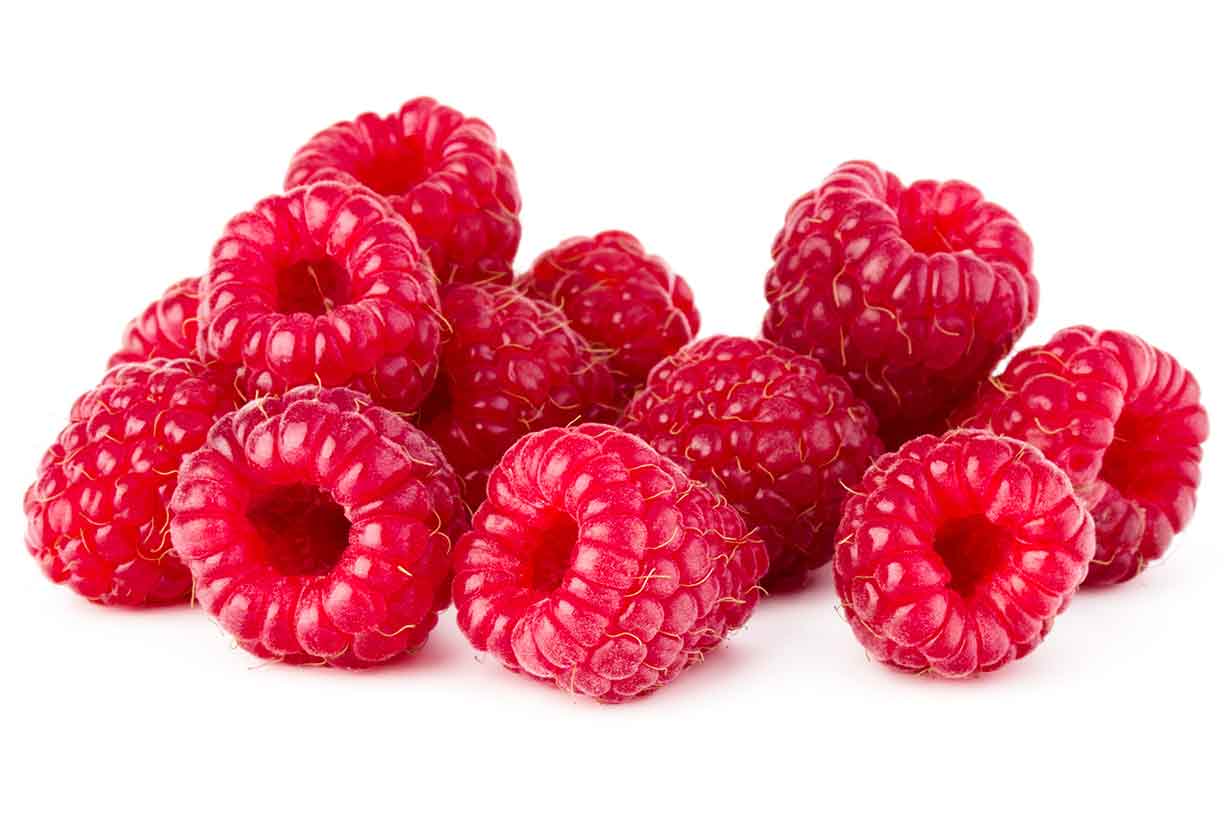
How are raspberries dispersed?
by animals
by explosion or bursting
by water
Why it is better for seeds to be scattered far and wide?
To provide shelter to other animals.
For farmers to see which soil is good for the plants.
For plants to have a better chance of growing healthier.
What are the characteristic of the seeds dispersed by man and animals?
A: Can float on water
B: Sweet and juicy
C: Have hooks or stiff hairs
D: Have wing-like structures and are light
A and B only
B and C only
C and D only
A, B and C only
State the characters ideal for dispersion by wind.
Small, light and hair-like
Small, light and sharp hooks
Big, light and fibrous husk
Big, light and explode
What is germination?
the process of a plant growing
the beginning of the growth of a plant from a seed to a seedling
the process of making a seed
the beginning of a plant's growth when it uses sunlight
What are the basic conditions needed for germination to start?
water, sunlight, oxygen
water, soil, oxygen
water, oxygen, the right temperature
soil, sunlight, water
True or False: Dormancy occurs when a seed is never able to germinate
True
False
What is the name of an embryonic leaf?
meristem
shoot
radicle
cotyledon
What is the name of the embryonic root?
meristem
shoot
radicle
cotyledon
True/False: All seeds need light to germinate
True
False
If you put two seeds on a plate, sprayed one of the seeds with water and left the other one dry, which would you expect to germinate?
the wet seed
the dry seed
neither; seeds need soil to germinate
True/False: Animals CAN BE important for seed germination
True
False
Why is oxygen important for germination?
the embryonic plant uses oxygen to extract energy from its food stores
the embryonic plant uses oxygen to soften its seed coat
oxygen is needed for the plant to breathe
oxygen is not important for germination
The process of releasing energy from glucose in the presence of oxygen is called...
anaerobic respiration
aerobic respiration
inhalation
imbibition
What is the "end point" of germination?
The plant is fully grown and producing fruit
The true leaves develop, which can then provide energy to the plant through photosynthesis.
The radicle emerges from the seed coat.
Water causes the seed to swell and soften.
Which best describes the starting point of germination?
Water causes a dormant seed to soften, swell, and activates enzymes inside embryonic tissues.
The radicle emerges from the seed.
The cotyledon emerge from the seed coat.
The seedling produces true leaves.
Which best describes if seeds are living or nonliving?
Seeds are only considered alive once the plant is growing out of the seed.
Seeds are considered living entities because there are living embryonic tissues inside the seed.
Seeds are NOT living because they are not growing or using energy.
Seeds are not living until they are watered.
Food/energy for the a germinating seed comes from...
proteins, sugars, and fats in the cotyledon
Visible light
Heat
Soil

