
Font size
 Worksheets
Grade 6 Reviewer
Total questions: 210
Worksheet time: 2hrs 2mins
Which tools are best for separating a mixtures of sand, iron filings, and water?
Hot plate and filter
Tweezers and filter
Filter and magnet
Magnet and hot plate
Which substances, when mixed together, maintain their original physical properties?
gravel and water
wood chips, water and sand
sand and water
all of the above
All of the following are examples of containers filled with mixtures EXCEPT -
a jar filled with trail mix
a glass filled with lemonade
a bowl of cereal with milk
a cup of fruit salad
A student makes a garden salad by stirring lettuce, tomatoes, carrots, and croutons together in a bowl. Why is the garden salad a mixture?
the student cut the vegetables into equally sized pieces
the vegetables are combined by maintain their physical properties
the croutons cannot be taken out of the salad
the salad grew from a garden
When separating saltwater using a hot plate, what precaution should students use?
unplug the hot plate if water splashes on the cord
follow the teacher's instructions and wear safety goggles
leave the hot plate plugged in after the investigation is complete
follow the teacher's instructions to record results in a notebook
Which mixture can be separated using a filter?
sand and iron filings
saltwater
sand and water
none of the above
A cup of orange juice with pulp is poured into a glass. Which of these procedures could be done to separate the juice from the pulp?
pour the juice through a coffee filter
heat the juice in a pot until boiling
pour the juice in another cup
allow the mixture to settle, leaving the pulp at the bottom of the glass
Which of the following mixtures can be separated with a magnet?
sand and salt
sand and iron filings
sugar and water
saltwater
All of these can be separated easily EXCEPT -
nuts, bolts, and screws
powdered drink mix, sugar and water
sand and water
iron filings and sand
A mixture of iron filings and chalk dust is placed on a plate. Which of the following could be done to gather the iron filings?
Pour the mixture into a funnel
Put the mixture in a pot on the stove
Run a magnet over the mixture
Filter the mixture through a strainer
James wants to seperate the salt from the water in his glass of salt water. What seperation method should James use?
Magnets
Evaporation
Filter
Using his hands
What item could a magnet separate from a mixture of garbage?
Old metal fork
An apple core
Pieces of paper
A juice can

What mixture could you use this tool to best separate that mixture?
Sugar and Salt
Sand and rocks
Apples and grapes

The mixture shown here -
Maintains its physical properties when combined
Dissolves after being stirred together
Will evaporate after a certain period of time
Cannot be separated into ingredients

If you spilled nails in a sandbox, what separation tool/method could you use to clean out the sandbox so it would be safe for children to play in?
Filter
Screen
Magnet
Evaporation

Sand and gravel may be separated from each other through using..
a filter funnel
a sieve
an evaporating basin
a distillation

The best way to separate trail mix would be:
filter
by hand
sieve
evaporation

What tool is this?
sieve
filter

This type of paper allows liquid to pass through it. What tool is it?
sieve
filter
If I have a mixture of peanuts and nails, which would be the BEST tool to separate them?
filter
magnet
sieve
by hand

If I pour sand and water onto a filter, what will happen?
water and sand will go through the filter
sand will get caught in the filter, water will pass through
both sand and water will get caught in the filter

If I have a mixture of wooden blocks and metal blocks. What is a fast way to separate them?
relative density (put them in water)
filter
sieve
A combination of two or more substances where each keeps its own properties and both can be easily separated is called-
a mixture
a solution
a solute
a solvent

This tool is used for separating solids from liquids or coarse particles from fine particles
Hands
Sieve
Boiling water
Evaporation

1. Which of the following pumps the blood that travels to all parts of the
body?
artery
blood
capillaries
heart
Which of the following is NOT considered as part of circulatory
system?
blood
blood vessels
brain
heart
Why is circulatory system called the “transport system” of the body?
because it transports food nutrients and oxygen to the different
body cells
use it digests food and distribute it to the different parts of
the body
because it controls the other parts of the body
because it collects body waste from the body
Why does your heart beat faster after you have run a distance?
It has to get more oxygen from the lungs.
It has to collect more waste from your body.
It has to dispose carbon dioxide from your body.
It has to pump more blood to your muscles to replace energy lost.
Why should a person avoid eating too much fatty foods?
They can cause arteries to break.
They can cause the heart to beat faster.
They can produce cholesterol which is harmful to the heart.
They can produce too much calcium which hardens the heart.
H A P Y R N X
- the passageway of food, water, and air
(a)
C A T Y V I L A S A N
– the path where air enters the body
(a)
L I A L O E V
– the tiny air sacs found inside the lungs where exchange of gases occurs
(a)
G U N S L
– the major organs of the respiratory system
(a)
R A G M P H A I D
– the dome-shaped muscle that controls breathing
(a)
What organ of the nervous system is responsible for the thinking
process?
brain
heart
esophagus
motor nerves
What is the primary function of the spinal cord?
It acts as the connection between the brain and other parts of the
body.
It processes the messages received by the brain.
It carries the impulse.
It pumps the blood.
What is your body’s reaction when you touch a hot lid of a pan?
It feels sad.
It feels cold.
It feels hurt.
It feels numb.
How can you tell that your mother is cooking adobo even if you do not
see it?
With the sense of sight
With the sense of smell
With the sense of touch
With the sense of hearing
During this time of the “new normal” brought by COVID-19 pandemic,
how will you keep your emotional and mental state healthy?
By NOT watching fake news about pandemic
By keeping positive and happy with family
By practicing the basic health protocol
All of the above
Which body system supplies nutrients and oxygen to the cells?
Digestive system
Circulatory system
Respiratory system
Nervous system
Which is the most complex of all the systems in the body?
Circulatory
Muscular
Digestive
Nervous
Which part of the brain controls thinking, memorizing and imagination?
cerebrum
cerebellum
brain stem
spinal cord
Where does the exchange of gases (oxygen and carbon dioxide) take place?
nose
lungs
trachea
tubes
In which blood vessels does the exchange of gases take place?
in the veins
in the arteries
in the heart
in the capillaries
As your body works harder, what happens to your HEART rate?
Increases
Decreases
Beats backward
Stays the same
What important substance is replenished as blood flows through your heart?
Nitrogen
Iron
Water
Oxygen
Where does digestion start?
stomache
throat
intestines
mouth
Your lungs are part of which body system?
muscular
circulatory
digestive
respiratory
Which part of your digestive system absorbs nutrients into your blood stream?
mouth
intestine
stomach
bladder
If you take a rest after running a mile, what happens to your BREATHING rate?
decreases
increases
stays the same
none of these
Which system pumps blood through your body?
respiratory
digestive
circulatory
muscular
When Dr. Jeff bends his arms to lift the weight, what is happening to his bicep muscle?
it is twisting up
it is getting longer
it is contracting
it is relaxing
What happens to what's left of our food after it goes through the intestines?
absorbed into blood
disposed of in the bathroom
becomes stomach acid
goes back to the stomach
As you exercise, your circulatory systems works with what other system to take in oxygen?
muscular
digestive
respiratory
endocrine
What are the main functions of the skeletal system?
provide your body support and help with movement
circulate blood through your body
digest your food
send messages to the rest of your body
Which system works with your muscular system to provide movement?
circulatory
nervous
skeletal
digestive
Which system is responsible for sending messages to your body?
nervous
muscular
digestive
skeletal
What are the two main organs of the nervous system?
brain and spinal cord
heart and lungs
veins and aerteries
stomach and esophagus
Windpipe is another name for...
esophagus
trachea
Which is a part of your respiratory system?
trachea
esophagus
Which is a part of your digestive system?
trachea
esophagus
Beating heart
voluntary
involuntary
Kicking your leg
Voluntary
Involuntary
Breathing
Voluntary
Involuntary
Digesting your food
Voluntary
Involuntary
skeletal system helps produce red blood cells
true
false
Which best describes the circulatory system?
It protects the major organs of the body
It breaks food into nutrients for the body.
It sends messages to the brain to protect the body.
It transports oxygen-rich blood throughout the body.
Which organ is NOT a part of the digestive system?
esophagus
stomach
intestines
heart
What do the circulatory and respiratory work together to provide to your body?
sweat
moving muscles
oxygen
protect bones
Which is a job of the digestive system?
removes waste
provides nutrients
provides oxygen
moves nutrients through the bloodstream
Which is a job of the respiratory system?
breaks down food
provides oxygen
provides nutrients
removes waste

What system gives support to our body and serves as a protection to our internal organs?
respiratory system
circulatory system
skeletal system
muscular system
nervous system

What bones in our body protects the hearts and lungs?
skull
tibia
scapula
ribs

This bone in our body protects the brain.
scapula
skull
ribs
phalanges

This body system helps our body move and protects our bones.
Muscular System
Respiratory System
Nervous System
Skeletal System

This involuntary muscle is found in the heart.
cardiac muscle
biceps
triceps
abdominal muscles

This body system is responsible for carrying blood throughout our body.
Respiratory System
Skeletal System
Muscular System
Circulatory System

What is the blood cell that delivers oxygen to our body.
White blood cells
Red blood cells
Blood vessels

These blood cells figth of viruses, bacteria and other infections in our body.
White blood cells
Red blood cells
Blood vessels

The system of organs that allows us to breathe and is responsible for supplying oxygen to our body.
Muscular System
Skeletal System
Respiratory System
Nervous System

This is the clean air that we inhale and take in our bodies.
Carbon Dioxide
Oxygen
Lungs
Animals that do not have backbones are called ________


Which animal belongs to the reptile kingdom?


Animals that live on both land and in water are __________.


Which animal belongs in the mammal kingdom?


Which kingdom have animals that lay eggs and have feathers?
Birds
Fish
Mammals
Bees belong to which kingdom?
Insects
Mammals
Trees
Animals can make their own food?


Which kingdom have live babies and is warm blooded?


Spiders, shrimp, and snails are examples of ____________.


I lay eggs, have gills, scales, and fins. What am I?


inclined plane
lever
pulley
wheel and axle

pulley
lever
wheel and axle
wedge

lever
screw
pulley
wedge

wedge
inclined plane
lever
pulley

pulley
screw
wheel and axle
wedge

pulley
wedge
screw
inclined plane

pulley
wheel and axle
inclined plane
lever

inclined plane
wedge
pulley
screw

pulley
wheel and axle
wedge
screw

pulley
lever
wedge
inclined plane

(a)

(a)

(a)

(a)

(a)

(a)

(a)

(a)

(a)

(a)


Which of the following describes a fault?
An energy released from the inside of the Earth.
A movement in the Earth’s crust.
A break in the Earth’s crust.
A rock layer.
What occurs when faults move?
volcanic eruption
earthquake
landslide
drought
Why is it that not all movements along faults produce earthquakes?
It is because the energy of the Earth that causes the rocks to move is very strong enough.
It is because the friction between rocks was not overcome by the energy of the Earth.
It is because there is no friction present between the rocks.
It is because the layers of rocks were not broken.
Fault movement is always associated with earthquakes. Arrange the following events how fault movements generate earthquakes. I. Once friction is overcome, the rocks suddenly slip. II. Ground suddenly moves and an earthquake occurs. III. Energy from inside the Earth is necessary to make the ground move. IV. The rocks are stuck together due to friction.
I, II, III, IV
II, IV, I, III
III, IV, I, II
IV, II, I, III
How do faults produce earthquakes?
Energy from inside the Earth makes the ground move, once friction is overcome, a fault slips producing an earthquake.
Rock materials from underneath go out along faults produces earthquakes
Magma spreads beneath the rock layers producing faults.
Tectonic plates collide producing earthquakes.
Which of the following describes a normal fault?
both blocks slide past another
both blocks of rock move upward
one block of rock does not move while the other moves upward
one block of rock does not move while the other moves downward
Which of the following refers to the type of fault in which two blocks slide horizontally past each other in the opposite direction?
strike-slip fault
reverse fault
normal fault
landslide

Which of the following types of faults is shown in the picture?
strike-slip fault
reverse fault
normal fault
lateral fault
Which of the following DOES NOT show fault movement?


In which direction the block of rock layer will move if it shows reverse fault?
upward
to the left
to the right
downward
How can you relate fault movements with earthquakes?
Every time there is an earthquake this all due to fault movements.
Every time there is an earthquake, rock layers move causing faults to move as well.
Every time fault moves and friction between rocks is overcome this will result in an earthquake.
Every time fault moves even though friction between rocks has not overcome, this will result in an earthquake.
Why do earthquakes occur?
The crust suddenly moves as Earth rotates around its axis.
The Earth is attracted by a nearby planet
The Earth is suddenly hit by a meteor.
The fault suddenly moves.
Which of the following could be the effect on the things above the Earth’s surface when faults move?
trees will grow taller
soil becomes thicker
sea water level rises
soil cracks
Which government agency is responsible for studying the movements of faults and earthquakes?
DOH
DepEd
PAGASA
PHIVOLCS
For instance, your house is near a fault, which of the following are you going to consider doing?
inform your parents about it and evacuate immediately
inform the PHIVOLCS to monitor your house daily
tell your parents to construct a big house
take a selfie of the fault
The Earth's crust is broken into pieces called
glass
rocks
plates
lava


The sun is in the ________________________ of our solar system.
outside
circle
center
moon
How many planets are in our solar system (not including pluto)
9
10
8
7
Which planet is the largest planet in our solar system
Jupiter
Saturn
Mars
Earth
Which planet is the only planet to spin on its side?
Earth
Jupiter
Neptune
Uranus
What planet do we live on?
Mars
Venus
Earth
Saturn
What planet is closest to the sun?
Neptune
Mercury
Mars
Venus
What planet is the same size as earth?
Saturn
Jupiter
Venus
Mars
What planet has thousands of beautiful, tiny rings made of chunks of ice and rock?
Jupiter
Saturn
Uranus
Neptune
Which is the hottest planet?
Mercury
Venus
Earth
Mars
Which is the smallest planet?
Neptune
Jupiter
Mercury
Mars
Which is the farthest planet from the sun?
Uranus
Saturn
Jupiter
Neptune
What planet is known as the red planet because of its red looking surface?
Earth
Uranus
Saturn
Mars
Which of the following lists the correct order of the planets from the sun?
Mercury, Venus, Mars, Earth, Jupiter, Saturn, Uranus, Neptune
Mercury, Venus, Earth, Mars, Jupiter, Saturn, Uranus, Neptune
Mercury, Venus, Earth, Mars, Saturn, Jupiter, Uranus, Pluto
Mars, Venus, Earth, Mercury, Jupiter, Saturn, Uranus, Neptune
It is the coldest planet in the solar system.
Neptune
Uranus
Saturn
Jupiter
This planet is also called as “The Windy Planet”.
Mercury
Earth
Jupiter
Neptune
Mercury,Saturn
Jupiter, Uranus, Neptune
Jupiter, Neptune,
Mercury,Saturn,
Uranus
Mars,Jupiter,
Saturn,Uranus
Neptune

This cold, blue planet was discovered by a mathematical prediction.
Neptune
Jupiter
Mars
Venus

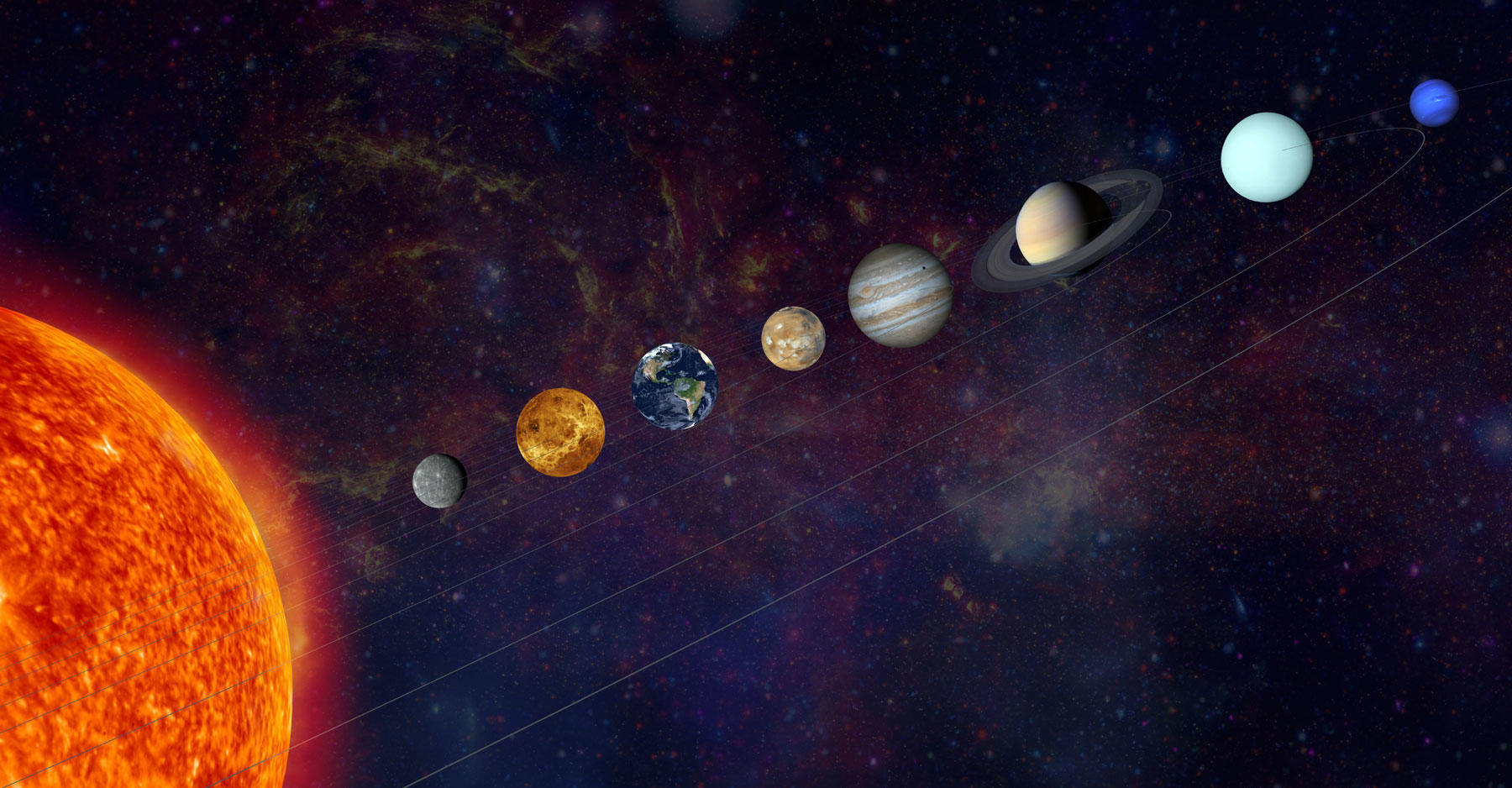
The planets are all equally distanced from each other.


Define PHIVOLCS
Philippine Institute of Volcanology and Seismology
Philippine Institute of Volcanologists and Seismologists
Philippine Institution on Volcanology and Seismology
Philippines Institute of Volcanology and Seismology
Define NASA
National Aeronautics and Space Administration
Nationalist Aeronautics and Space Administration
National Aeronautical and Space Administration
National Aeronautics and Space Administrational
Which earthquake produced a tsunami that killed thousands in the middle of the night on August 1976?
Moro Gulf Earthquake
Baguio Earthquake
The Big One
Davao del Sur Earthquake
Which Philippine volcano erupted in 1991 that caused a worldwide cooldown due to the ash cloud it created?
Mt. Mayon
Mt. Taal
Mt. Apo
Mt. Pinatubo
When did the Taal Volcano had its major eruption?
January 12, 2020
January 12, 2019
January 12, 2021
January 12, 1976

