
 Worksheets
2nd Semester Exam Revision - Grade 7 - 2023
Total questions: 146
Worksheet time: 2hrs 50mins
According to "Life Without Gravity," how does weightlessness affect the circulation of blood?
It causes blood to flow more slowly.
It causes blood to flow to the head.
It causes blood to flow more quickly.
It causes blood to flow to the legs.
According to "Life Without Gravity," why can astronauts' muscles become weak?
Without gravity, the blood is rerouted from the legs to the head.
Without gravity, the body "grows" by as much as several inches.
Without gravity, eating difficult, so the body does not get proper nutrition.
Without gravity, the muscles do not push or pull on the body's bones.
According to "Life Without Gravity," what might happen if astronauts' bones became very weak?
The astronauts would throw up when they returned to Earth.
Their bones would snap when they returned to Earth.
The astronauts would continue to grow when they returned to Earth.
Their hearts would pump harder when they returned to Earth.
Which detail from "Life Without Gravity" supports the main idea that weightlessness makes bones "thin and spongy"?
Astronauts "grow" taller.
Astronauts lose bone tissue.
Astronauts develop straight spines.
Astronauts enjoy weightlessness.
Which sentence is the topic sentence of this paragraph from "Life Without Gravity"?
Worst of all is how their stomachs feel. During the first few days in space, the inner ear - which gives people their sense of balance - gets confused. Many astronauts become nauseous. They lose their appetites. Many throw up. Many throw up a lot!
Worst of all is how their stomachs feel.
Many astronauts become nauseous.
They lose their appetites.
Many throw up a lot!
According to "Life Without Gravity," when does weightlessness become "fun"?
when you try to eat while experiencing nausea
when you walk on a treadmill twice a day
when your heart and spine adjust to its effects
when food you ordinarily dislike tastes bland
According to "Life Without Gravity," what happens if you pour milk in a weightless environment?
It splatters on the floor.
It stays in the container.
It forms into balls.
It turns into cream.
According to "Life Without Gravity," what happens if you do not have a clamp on the straw you are drinking through in a weightless environment?
Liquid flows out after you stop drinking.
The straw becomes clogged with liquid.
The straw bursts apart.
You choke on the liquid.
Why did the astronaut Jerry Linenger say his body "felt like a 500-pound barbell"?
He had gained weight.
He was not used to gravity.
He had been very sick.
He had not eaten properly.
Which title best describes "Life Without Gravity"?
"How Astronauts Eat"
"how to Become an Astronaut"
"The Ups and Downs of Weightlessness"
"The Difficulties of Outer Space"
Which of the following statements about "Life Without Gravity" explains why it is an expository essay?
It is a short work of nonfiction that does not express the writer's opinion.
It is a short work of nonfiction that uses examples to make its points.
It is a short work of nonfiction that explains something in an amusing way.
It is a short work of nonfiction that explains the effects of weightlessness.
In which sentence is the word blander used logically?
The cook added spices to make the food taste blander.
If you do not like hot food, you should choose blander dishes.
In ordinary circumstances, hot sauce makes foods taste blander.
The blander dishes were marked with red flames on the menu.
How might a feeble cry sound?
weak and hard to hear
extremely loud
high pitched
low and rumbling
Which of these sentences contains a conjunction?
Astronauts bounce about from wall to wall, flying!
Weightlessness can sometimes be downright unpleasant.
The heart and spine adjust.
In microgravity, you have to learn new ways to eat.
How many conjunctions are there in the following sentence?
These men and women faced the discomforts of weightlessness and overcase them.
0
1
2
3
According to "Conversational Ballgames", what happened when the author tried to take part in conversations in Japanese?
An argument would break out.
Everyone would smile politely.
The conversation would stop.
People would glare at her.
Why did the author of "Conversational Ballgames" have difficulty conversing in Japanese?
She made many grammatical errors.
She used a foreign conversational style.
Women are not expected to speak when men are present.
Her accent made her speech very difficult to understand.
The author of "Conversational Ballgames" compares western-style conversation to
basketball and soccer.
bowling and pool.
tennis and volleyball.
tennis and Ping-Pong.
A Japanese-style conversation is compared to a game of bowling because
people scramble to talk as if they were scrambling to take a turn in a game of bowling.
each person speaks in turn, just as people take turns in a game of bowling.
each person tosses off an idea as if they were players on a bowling league.
people speak softly, as if they were spectators at a bowling alley.
What is the topic sentence of this paragraph from "Conversational Ballgames"?
No wonder everyone looked startled when I took part in Japanese conversations. I paid no attention to whose turn it was, and kept snatching the ball halfway down the alley and throwing it back at the bowler. Of course the conversation died. I was playing the wrong game.
No wonder everyone looked startled when I took part in Japanese conversation.
I paid no attention...and kept snatching the ball..throwing it back at the bowler.
Of course the conversation died.
I was playing the wrong game.
According to "Conversational Ballgames", Japanese students have trouble speaking English because they
continue to use the Japanese style of conversation.
are unable to speak with an American accent.
are unable to master difficult sentence structures.
do not know enough words to make themselves understood.
According to "Conversational Ballgames", what is one way in which Japanese-style dinner conversation is different from western-style dinner conversation?
In Japan, people take turns talking at meals, just as they do at other times.
In Japan, people sit at long tables and talk only to the person sitting next to them.
In Japan, people do not engage in long conversations while they are eating.
In Japan, people talk only after the main course, when they are having dessert.
According to "Conversational Ballgames", Japanese and westerners agree that
it is rude to talk with your mouth full.
it is important to discuss differences.
it is rude to speak out of turn.
it is important to be understood.
The author of "Conversational Ballgames" says that westerners can speak and eat at the same time because
they eat exceptionally slowly.
they pause to let others respond.
they interrupt one another.
they talk with their mouths full.
Which statement explains why "Conversational Ballgames" is an expository essay?
It is a short work of nonfiction that exposes the strategies of conversational styles.
It is a short work of nonfiction that describes the author's experiences in Japan.
It is a short work of nonfiction that expresses the author's opinion of Japan culture.
It is a short work of nonfiction that explains Japanese and western styles of conversation.
Which title best describes "Conversational Ballgames"?
"Playing Games in a New Country"
"How to Play Tennis"
"Japanese Conversations"
"Styles of Conversation"
Two roads run parallel when they
extend in opposite directions and never meet.
curve outward, away from each other, forming perfect arcs.
extend in the same direction at the same distance apart, never meeting.
intersect at right angles and then continue in straight lines, never meeting again.
In which sentence is the word elaboration used correctly?
The speaker used elaboration to be sure her voice would be heard in the auditorium.
The speaker's elaboration of the difficult concept made it understandable to everyone.
The elaboration between the two scientists helped them solve the mystery.
The audience's elaboration of the speaker was obvious from the applause.
Which of these statements from "Conversational Ballgames" contains a conjunction?
I realized that just as I kept trying to hold western-style conversations... , so my English students kept trying to hold Japanese-style conversations.
Then, after everyone is sure that you have completely finished your turn, the next ... , with a different ball.
It is no easier for me to "just listen" during a conversation that it is for my Japanese students to "just relax" when speaking with foreigners.
If I have not yet learned to do conversational bowling in Japanese, at least I have figured out one thing that puzzled me for a long time.
Which sentence from "Conversational Ballgames" contains three conjunctions?
I carry your idea further, or answer your question or objections, or challenge or question you.
Of course, if one of us gets angry, it spoils the conversation, just as it spoils a game of tennis.
Whoever is nearest and quickest hits the ball, and if you step back, someone else will hit it.
Everyone waits until the ball has reached the end of the alley, and watches to see if it knocks down all the pins, or only some of them, or none of them.
Which word in the quotation from "Conversational Ballgames" is a conjunction?
Since westerners think that conversation is an indispensable part of dining, and indeed would consider it impolite not to converse with one's dinner partner, I found this Japanese custom rather strange.
an
and
indeed
to
Which of the following definition for the word stoop best fits its meaning in the phrase "I sat on the stoop"?
the action of swooping down
the hunting technique of a bird
a bench in a yard
a small area in front of a building
Which of the following sentences best describes Greg's feelings toward his father at the beginning of the story?
he respects his father's views
he has rejected his father's love
he understands his father's past
he questions his father's values
Which sentence uses the word "ajar" correctly (as used in the story)
Due to the cool weather, the window was left ajar
I opened ajar of peanut butter
My backpack was ajar in my locker
I ajar the door.
What type of music did Lemon Brown play?
The Blues
Rock and Roll
Country
Jazz
The setting of the story is—
a rainy night in Harlem
early morning in Harlem
a blues club in the 1940s
afternoon in Greg's home

Which event marks the climax of "The Treasure of Lemon Brown"?
Lemon Brown and Greg scare away the thugs.
Greg makes the decision to go home to face his father.
Lemon Brown shows Greg his treasure.
Lemon Brown’s son Jesse is killed in the war.
Which traits best characterize Lemon Brown?
Intelligent and hopeful
Fatherly and courageous
Sneaky and suspicious
Troubled and hopeless
Which is not an involuntary action?
Breathing
Blinking
Smelling
Eating
When Greg realizes he should be grateful for his dad and family, what part of the plot is that?
exposition
rising action
falling action
resolution
When Lemon Brown tells Greg about his son, what part of the plot is that?
rising action
climax
falling action
resolution
Which word means unplanned?
Ominous
Impromptu
Gnarled
Which word means a shaking movement?
Tremor
Beckon
Probing
Which word means with close attention?
Commence
Intently
Tentatively
Which word means searching or investigating?
Beckon
Intently
Probing
Which word means in an uncertain or hesitant way?
Tentatively
Intently
Gnarled
Which word means to make a gesture encouraging someone to come nearer or follow?
Beckon
Probing
Commence
Which word means rough or twisted?
Eerie
Gnarled
Ominous
Which word means weird or frightening?
Eerie
Ominous
Gnarled
Which word means to begin?
Impromptu
Beckon
Commence
Which word means threatening?
Eerie
Ominous
Gnarled
As an adult, what does the narrator of “MK” think that she has gained by spending her youth as an MK?
A. a love of wild bluebells
B. an appreciation of American heroes
C. a sharp sense of time and place
D. a fear of armies on the move
Use context clues in this sentence to choose the correct meaning of commit.
I have noticed, that those MKs who were born in China and stayed there through their high school years were more likely to commit their lives in some way to China.
A. expose
B. return
C. travel
D. give
Use context clues in this passage to choose the correct description of a ricksha.
My mother and I had been in a ricksha on the way to the racecourse. . . .The rickshapullers were fast runners.
A. a racehorse
B. a race track
C. a vehicle
D. a gunboat
When the narrator of “MK” is living in Wuhan, the American women and children flee because the Chinese army is near. What does that information suggest?
A. The country’s internal conflicts may affect foreigners.
B. They would be safe because they were traveling together.
C. Civil wars take many lives on both sides of the conflict.
D. Living near a river is always a good idea during wartime.
In “MK,” what division does the swinging door in the dormitory provide?
A. It separates the boys from the girls.
B. It separates students from teachers.
C. It separates junior high students from high school students.
D. It separates Americans from other foreign students.
In “MK,” what does Paula, the narrator’s roommate at the Shanghai American School, mean to suggest by the following remark?
“I happen to know you’re an MK, . . . but you don’t have to look like one.”
A. Jean does not look stylish.
B. Jean is dressed like an American.
C. Jean is wearing a school uniform.
D. Jean is wearing traditional Chinese clothing.
Why does the narrator of “MK” think that the American students are ignorant?
A. They do not know anything about MKs.
B. They do not know the name of her hometown in China.
C. They do not know anything about the Pilgrims.
D. They do not know anything about life in China.
How is the narrator of “MK” like Priscilla Alden?
A. Both are writers.
B. Both are new to America.
C. Both are in love with John Alden.
D. Both are disappointed in America.
For the narrator of “MK,” what is the major difference between traveling on the Yangtze River and crossing the Pacific Ocean?
A. “Beef tea” is not served on the Yangtze River trip.
B. There are no deck chairs on the Yangtze River trip.
C. Only women and children travel on the Yangtze River.
D. The ocean crossing is rough and the passengers are seasick.
Use context clues in this passage to choose the correct meaning of wallflower.
Of course a girl could feel like a wallflower if her card wasn’t filled up, but mine usually was.
A. a kind of climbing ivy
B. a flowered wallpaper
C. an unpopular person
D. a skilled dancer
Which of the following sentences describes the order of events in “MK”?
A. Jean attends school in Wuhan, visits the Barretts, and sees bluebells in Maine.
B. Jean attends the Shanghai American School, comes to America, and notices bluebells in Maine.
C. Jean notices bluebells in Maine, attends the Shanghai American School, and travels in a ricksha to the racecourse.
D. Jean notices bluebells in Maine, decides that American children are ignorant, and realizes that she wants to be a writer someday.
In “MK,” the narrator tells about events in her life in which general order?
A. first as an adult, then as a child, and finally as an adult
B. first as a child, then as a teenager, and finally as an adult
C. first as an adult, then as a child, and finally as a teenager
D. first as a child, then as a teenager, and finally as an adult
Why does the narrator of “MK” come to think so highly of George Washington?
A. He served two terms as president.
B. He worked on the Constitution.
C. He did what the country needed instead of what he wanted.
D. He led the American army during the Revolutionary War.
Which of the following is a simile that uses “like” or “as” to make a comparison?
My mother is a great cook.
My aunt sings like a sparrow.
My bedroom is a disaster.
My alarm clock likes to ring.
Onomatopoeia is the use of words that imitate sounds. Which of the following is
an example?
The alarm clock woke me up.
The alarm clock was set for 7 o’clock.
The alarm clock sits right by my bed.
The alarm clock let out a horrible buzz.
Which of the following is an example of rhyme?
A big white cat is round and fat.
A big brown bear lives in a den.
“Ruff, ruff,” the dog replied.
May your pride soar like the eagle.
Which of the following is a simile that uses “like” or “as” to make a comparison?
My mother is a great cook.
My aunt sings like a sparrow.
My bedroom is a disaster.
My alarm clock likes to ring.
Onomatopoeia is the use of words that imitate sounds. Which of the following is
an example?
The alarm clock woke me up.
The alarm clock was set for 7 o’clock.
The alarm clock sits right by my bed.
The alarm clock let out a horrible buzz.
People sometimes wear flag pins. Which statement best describes this type
of action?
It is a metaphor of support for their nation.
It is a symbol of support for their nation.
It is a simile of support for their nation.
It is a form of personification.
Alliteration is the repetition of consonant sounds at the beginning of words.
Which of the following is an example?
a cat and a rat
a bright yellow sun
back on track
a bright blue bow
Which of the following is the best definition for meter?
the repetition of sounds at the ends of words
the arrangement of stressed and unstressed syllables
the use of a sound or word more than once
something that represents something else
Read the following lines from the opening of “Maestro”:
Rows of hands clap
again and again
What is the maestro doing during these lines?
He is playing guitar music with his parents.
He is dancing with his aunt while others watch.
He is bowing on a stage while the audience claps.
He is playing his violin for a large audience.
In “Maestro,” what does the maestro remember when he hears the applause?
his mother’s voice
the desert wind
to thank the conductor
a dance he likes
“Maestro” ends with the metaphor, “the last pure note sweet on the tongue.”
With what is a note of music being compared?
a beautiful violin
a thoughtful letter
a nice memory
a sweet taste
Whom does the poet address in “Bailando” when she says, “I will remember you
dancing . . .”?
the speaker’s aunt
the speaker’s father
the speaker’s daughter
the speaker’s son
The phrase round and round appears twice in “Bailando.” What characteristic of
poetry is this?
meter
simile
repetition
onomatopoeia
How are “Maestro” and “Bailando” alike?
In each poem, the speaker talks about memories.
Each poem is about a great musician.
Each poem mentions a birthday celebration.
In each poem, the speaker talks about dancing.
What characteristic of poetry occurs in the title “The Desert Is My Mother”?
rhyme
simile
metaphor
symbol
In “The Desert Is My Mother,” the speaker says that the desert caresses, sings,
and teaches. What characteristic of poetry does this represent?
alliteration
personification
simile
meter
What do “Maestro,” “Bailando,” and “The Desert Is My Mother” all contain?
Spanish words
a Mexican village
a sad theme
a respect for nature
Read the following lines from the opening of “Maestro”:
Rows of hands clap
again and again
What is the maestro doing during these lines?
He is playing guitar music with his parents.
He is dancing with his aunt while others watch.
He is bowing on a stage while the audience claps.
He is playing his violin for a large audience.
In “Maestro,” what does the maestro remember when he hears the applause?
his mother’s voice
the desert wind
to thank the conductor
a dance he likes
“Maestro” ends with the metaphor, “the last pure note sweet on the tongue.”
With what is a note of music being compared?
a beautiful violin
a thoughtful letter
a nice memory
a sweet taste
People sometimes wear flag pins. Which statement best describes this type
of action?
It is a metaphor of support for their nation.
It is a symbol of support for their nation.
It is a simile of support for their nation.
It is a form of personification.
Whom does the poet address in “Bailando” when she says, “I will remember you
dancing . . .”?
the speaker’s aunt
the speaker’s father
the speaker’s daughter
the speaker’s son
The phrase round and round appears twice in “Bailando.” What characteristic of
poetry is this?
meter
simile
repetition
onomatopoeia
How are “Maestro” and “Bailando” alike?
In each poem, the speaker talks about memories.
Each poem is about a great musician.
Each poem mentions a birthday celebration.
In each poem, the speaker talks about dancing.
What characteristic of poetry occurs in the title “The Desert Is My Mother”?
rhyme
simile
metaphor
symbol
What do “Maestro,” “Bailando,” and “The Desert Is My Mother” all contain?
Spanish words
a Mexican village
a sad theme
a respect for nature
The people in a story
Sometimes characters are animals.
Characters
Setting
Students

What is a resolution?
The resolution is the answer to all questions and where a new strand of problems begin.
The resolution is the end of the story.
The resolution is the beginning of the story.
The resolution is the answer to all problems and where loose ends are tied up.
A good author will include descriptions of the setting that use...
a lot of unnecessary adjectives.
the five senses.
the character's voice.
very little imagination.
This is the most exciting part of the story. It is the peak of tension, plot, and character in the story.
Conclusion
Climax
Rising Action
Falling Action

When an author foreshadows, he or she is...
--giving the readers information about the story to help them understand the plot.
--giving the readers a chance to make up their minds about the characters within the story.
--giving the readers an understanding about the plot.
--giving the readers hints or clues about what will happen next in the story.
_____________ is a short story, typically with animals as characters, conveying a moral.
Myth
Legend
Folklore
Fable
Who is the protagonist in a story?
Good character
Bad character
the animal
Moral is .......
Where and when the story happened
The events of the story
The lesson that you learn after reading the story
The people, animals and creatures that took part in the story
___________ characters exhibit some kind of change – of attitude, purpose, behavior, as the story progresses.
Static
Dynamic
Minor
Major
The principal opponent or foil of the main character. This character is usually considered the villain.
Protagonist
Antagonist
Exposition
Static Character
_________ in fiction can be major or minor, static or dynamic.
Plot
Resolutions
Characters
Settings

What is an antagonist?
An antagonist is a hero or main character within a story.
An antagonist is a character who has good intentions towards others.
An antagonist is the villain or character that opposes the main character.
An antagonist is an optimistic character.
Who is the Antagonist in a story?
Good character
Bad or opposing character
The animals
Which are the two ways that an author can "tell" us about a character?
Internally and externally
Metaphorically and figuratively
Directly and indirectly
Elaborately and simply

What is personification?
Personification is when the author gives hints or clues about something that will happen before it happens.
Personification is when the author makes an extreme exaggeration.
Personification is when the author gives human traits to something that isn't human.
Personification is a comparison between two unlike things.
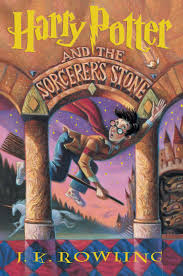
A make-believe story including elements that impossible in real life, such as talking animals or magical powers is what fiction genre?
Science Fiction
Fantasy
Realisitc Fiction
Tall Tales
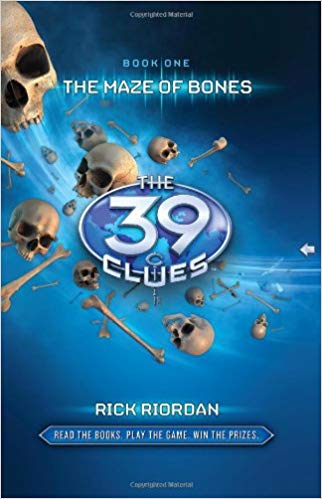
What type of fiction genre is a suspenseful story about a puzzling event that is not solved until the end of the story; the problem is solved by following clues.
Fantasy
Historical Fiction
Mystery
Traditional Literature
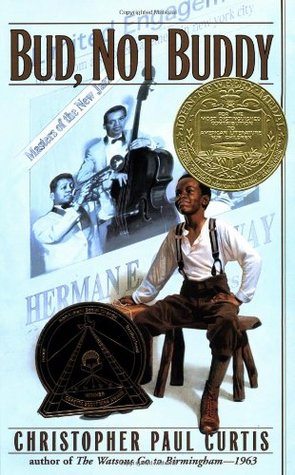
What fiction genre is a story using made-up characters that could actually happen in real life?
Historical Fiction
Fables
Myths
Realistic Fiction
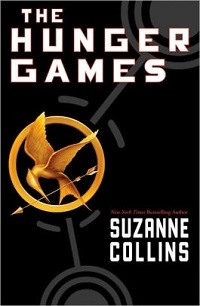
A fantasy story that uses science and technology is what type of fiction genre?
Fairy Tales
Fantasy
Science Fiction
Mystery
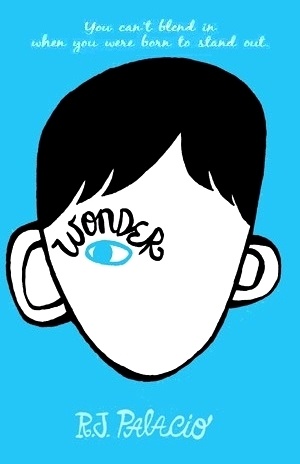
What fiction genre is a story using made-up characters that could actually happen in real life?
Mystery
Fables
Folktales
Realistic Fiction
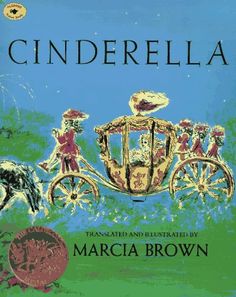
Stories that are passed down from one group to another throughout history is called Traditional Literature.
True
False
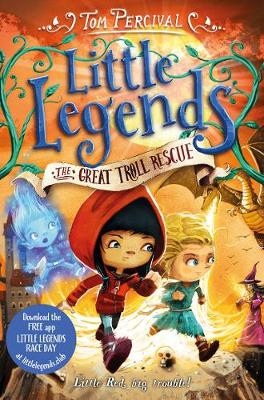
Stories that are related as facts to explain historical events and describe historical figures from a specific time and place are Legends.
False
True
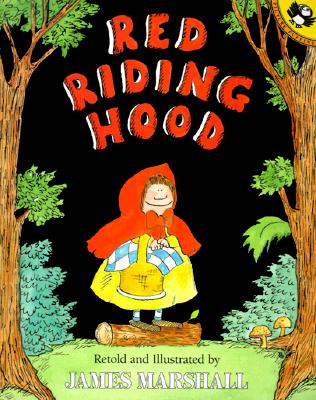
Stories passed down orally from one generation to the next by different cultural groups is what type of fiction genre?
Mystery
Fairy tales
Folktales
Realistic Fiction
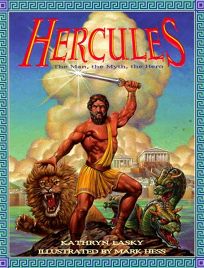
Stories based on tradition to explain how the world and humankind came to be is what fiction genre?
Myths
Fairy tales
Folktales
Fables
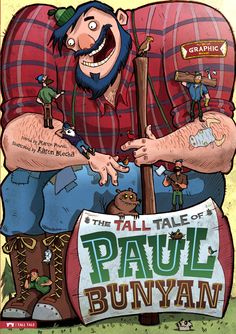
Tall tales orginated from American folk stories with unbelieveable elements told as if they were true.
True
False
Fables are similar to folk tales, but the characters are animals, and there is a moral or lesson.
True
False
When two or more words have the same ending sound, it is called
scheme
rhyme
alliteration
repetition
Crash, ZOINK, Moo, BOOM, and POP are examples of
alliteration
personification
onomatopoeia
poetry
Poetry is...
writing that is musical and artistic in nature
writing that expresses feelings
a style of writing with few rules
all of the above
Her eyes are as sparkly as a diamond is a
smilie
metaphor
alliteration
onomatopoeia
words that are used within a poem repeatedly to express a certain point
rhyme
repetition
stanza
alliteration
comparing two things WITHOUT using LIKE or AS is called
metaphor
simile
alliteration
stanza
On the beautiful summer night, the trees danced in the breeze is an example of ...
alliteration
personification
rhyme
stanza
Several lines grouped together in a poem
line
stanza
poetry
repetition
Type of poetry that is meant to be performed
spoken word poetry
free verse poetry
comparing two unlike things using like or as
simile
metaphor
Descriptive writing that appeals to any of our five senses
repetition
simile
metaphor
imagery

