
Font size
 Worksheets
U12 Nuclear Test REVIEW
Total questions: 40
Worksheet time: 2hrs 54mins
Which reaction produces harmful radioactive waste?
Fission
Photosynthesis
chain reaction
Fusion
_____is the joining of atomic nuclei
Fusion
chain reaction
Photosynthesis
Fission
_______is the splitting of atomic nuclei
Fission
nuclear reaction
Fusion
bayler reaction
Which process occurs naturally in the centre of stars like the Sun
Bi-multiple reaction
Fission
chemical
fusion
How is the alpha particle written in a nuclear equation?
42He
24He
0-1e
00γ
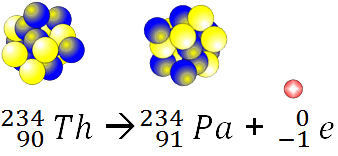
Balance this equation:
85209At --> ___ + 24He
83205Bi
86209Rn
81207Tl
85208At
Gamma rays have
no mass
a huge mass
a small mass
an average mass
Balance this equation.
614C --> ___ + -10e
410Be
714N
210He
613C
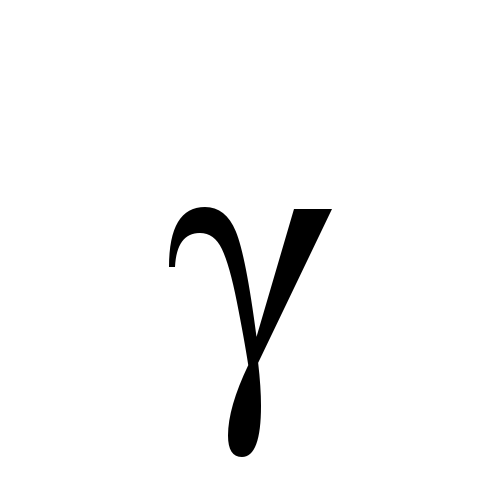
Has the lowest penetrating power. Can only penetrate 0.05 mm into the body and can be stopped by the skin.
Electron capture

94Be + 11H → _____ + 42He

What particle completes this reaction?
42He
0-1 e
00Y
178O
Which type of radioactivity is in the form of waves, rather than particles?
Alpha
Beta
Gamma
Nuclear

What number belongs in the blank?
9
2
17
0
Which type of nuclear reaction splits a large unstable nucleus into smaller ones?
Fission
Fusion
Which type of nuclear reaction combines smaller particles into a larger one?
Fission
Fusion
What term is used to describe an atom that changes into another element because of radioactive decay?
gamma ray
transmutation
alpha particle
electron
How do nuclear power-plants work?
Fusion
Half-life
Fission
Fusion or fission

What nuclear process is shown in the picture?
alpha decay
gamma emission
fusion
fission

Which nuclear process if shown in the picture?
alpha decay
beta decay
fusion
fission
One disadvantage of nuclear energy produced through fission is ___.
it is a fossil fuel
it leaves behind radioactive waste
it emits large amounts of pollution into the atmosphere
there are no disadvantages
Which of the following is NOT an example of nuclear fission?
nuclear power plants
the sun
atomic bombs
Arrange in order of increasing ability to penetrate matter.
Beta, gamma, alpha
Alpha, gamma, beta
Gamma, beta, alpha
Alpha, beta, gamma
The components of an atom are? (More than one answer)
Protons
Neutrons
Electrons
Bosons
nuclear power plants use _____ from nuclear fission chain reactions in fuel cells filled with water and uranium to spin magnets and generate electricity.
radioactivity
fire
steam
magic
What are the purpose of control rods in a nuclear reactor?
to speed up the nuclear fission reaction by releasing more neutrons
to slow down the nuclear fission reaction by absorbing neutrons
What element provided the fuel used for the atomic bomb?
Pa
Pt
Pu
P
True or False.
Radioactive elements release energy spontaneously in order to become stable. This changes the identity of the atom.
True
False
True or False.
We use fusion reactions to produce energy in nuclear power plants.
True
False
The atomic bombs dropped during WWII used nuclear ______ reaction for their power.
fission
fusion
Nuclear reactions can involve...
neutrons, protons, and electrons
only neutrons
only protons
only electrons
To keep the nuclear reactor at Chernobyl from reaching "nuclear meltdown", what would have helped cool the reactor enough to avoid the explosion?
protective clothing
heat up the water
build a wall around it
use more control rods to control the chain reaction

