
 Worksheets
Unit Test 2 Sun, water and landforms
Total questions: 75
Worksheet time: 54mins

What landform do you see in the photo?
Mountains
Volcano
Plateau
Delta
This landform has a severe lack of water.


Which example is a form of precipitation?
Dew
Fog
Frost
Hail
In which area would the rate of evaporation be the lowest?
Over the ocean
Over the mountains
Over the rainforest
Over the desert
As a part of the water cycle, water from Earth's surface enters the clouds and finally falls back to the ground in the form of rain. What is the correct sequence of processes water undergoes?
Evaporation, Condensation, Precipitation
Precipitation, Condensation, Evaporation
Condensation, Evaporation, Precipitation
Evaporation, Precipitation, Condensation

The image shows various stages in the water cycle. During which stage does water flow back towards the sea as runoff?
W
X
Y
Z
On Earth, what process generates most of the water vapor?
Condensation
Evaporation
Precipitation
Transpiration

What is the energy source that drives the water cycle?
The moon T
The heat from our home in the winter all around the world
The sun
he heat generated solely from the core of the earth

What are formed when water vapor condenses?
Clouds
Mountains
Transpiration
Valleys
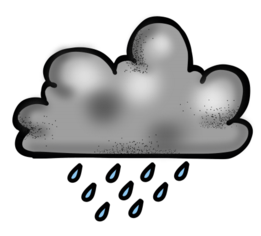
What is precipitation?
Sweat from our bodies on hot days
Warm rain but not cold snow or sleet
Gas that we use in furnaces or ovens
Any form of water that falls from the sky
What is the energy source that drives the water cycle?
The moon T
The heat from our home in the winter all around the world
The sun
he heat generated solely from the core of the earth
Water in its gas form is called ____________________,
water vapor
precipitation
ice
air
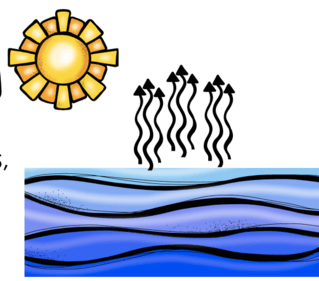


What is the role of the sun in the water cycle?
provide heat energy for evaporation
provide heat energy for condensation
dry out the soil for runoff to occur
provide thermal energy for accumulation

What process is shown by letter B in the diagram?
condensation
transpiration
evaporation
precipitation
During evaporation, water changes from a _________ to a __________.
solid, liquid
gas, liquid
liquid, gas
liquid, solid
Which part of the water cycle changes liquid water to water vapor?
condensation
evaporation
precipitation
transpiration
Which of the following is an example of precipitation?
sleet
hail
snow
all of the above
Where is the largest amount of water on Earth located?
glaciers
oceans
lakes
streams
Water that is constantly moving and recycled above, on, and under the Earth is called ___.
evaporation
infiltration
run off
water cycle
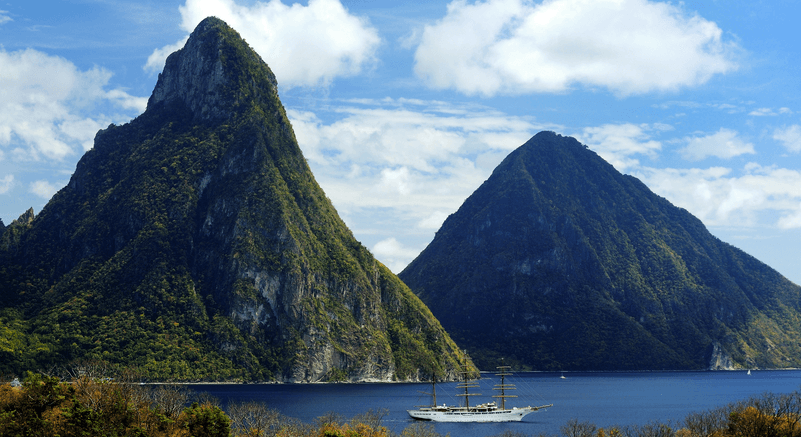
What are these?
volcanoes
mountains
valleys
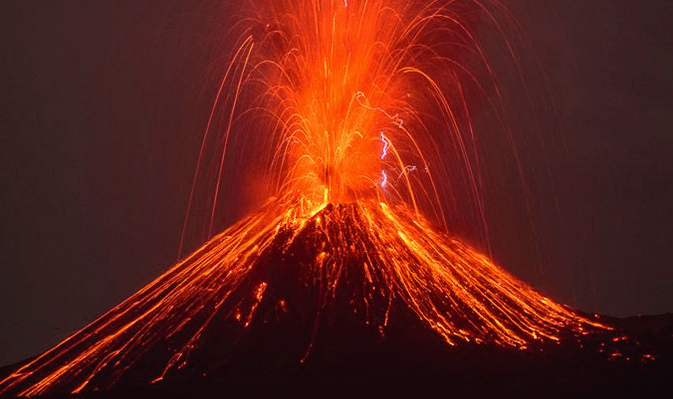
What is this?
A lake
A mountain
A volcano
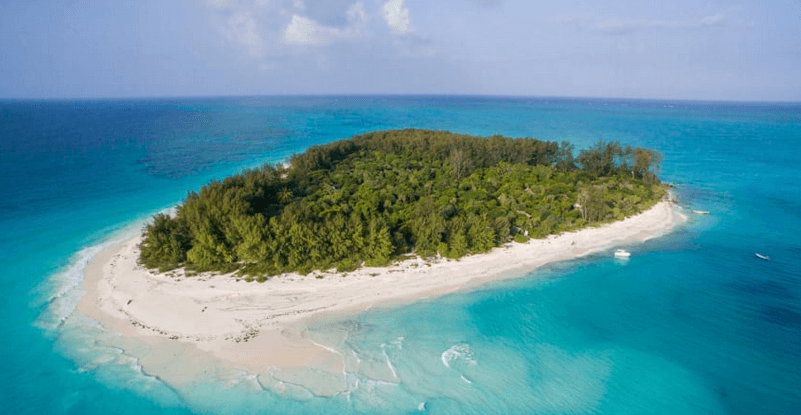
What is this?
An island
A lake
The ocean
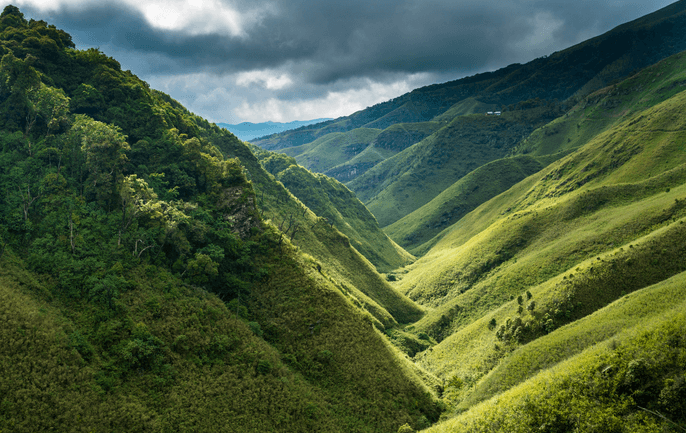
What is the place between two mountains called?
canyon
valley
river
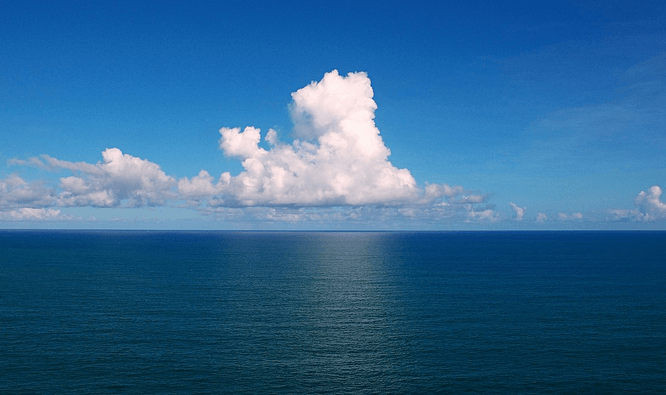
What is the largest body of water called?
ocean
lake
river
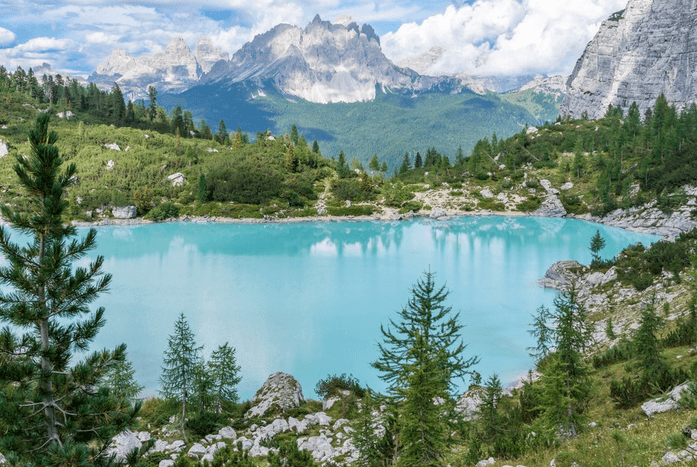
What is this?
An ocean
A lake
A river
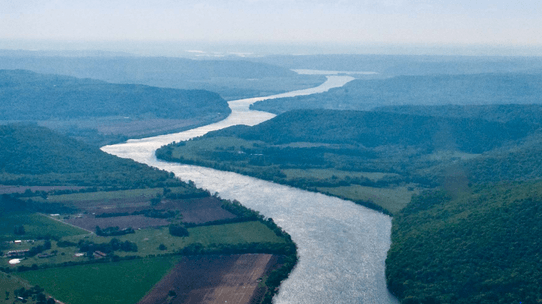
What is this?
An ocean
A lake
A river

Find the correct definition of the underlined word, glacier.
a narrow stretch of land connecting two larger areas
a large natural stream of water that runs through the land
a large, thick body of slow moving ice
a narrow stretch of water joining two larger bodies of water

Define island.
a sizable inland body of water
a large body of water completely or partly surrounded by land
land area, smaller than a continent surrounded by water
a body of land jutting into a lake or ocean surrounded by water on three sides

Choose the correct definition of lake.
a sizable inland body of water
a point of land that extends into a river, lake or ocean
a large body of water completely or partly surrounded by land
part of a large body of water that extends into a shoreline, generally smaller than a gulf

Find the correct definition of the underlined word, mountain.
a narrow stretch of land connecting two larger areas
land with steep sides that rises sharply (1,000 feet or more) from the surrounding land
an area of flat or rolling land at high elevation
a narrow stretch of water joining two larger bodies of water

What is a plateau?
an area of level land, usually at low elevation and often covered with grasses
an area of land drained by a given river and its branches
land usually level, at low elevation
an area of flat or rolling land at high elevation

What is a volcano?
a mountain or hill created as liquid rock and ash erupt from inside the earth
land with steep sides that rises sharply (1,000 feet or more) from the surrounding land
a large land mass that rises above the ocean
an area of flat or rolling land at high elevation

Find the correct definition of the underlined word, continent.
an area of level land, usually at low elevation and often covered with grasses
a mountain or hill created as liquid rock and ash erupt from inside the earth
a large land mass that rises above the ocean
an area of flat or rolling land at high elevation
A physical feature is a characteristic of a place occurring naturally, such as a landform, body of water, climate pattern, or resource
True
False
Area of level land, usually at low elevation and often covered with grasses
butte
plain
mesa
An area of low land between hills or mountains
valley
A steppe
butte
A sizable inland body of water.
lake
ocean
bay
elevated land with sloping sides and rounded summit; generally smaller than a mountain
valley
mesa
hill
A steep, high wall of rock, earth, or ice.
mountain
cliff
hill
Water is a what type of resource?
renewable resource
non-renewable resource
continuous resource
Water is a what type of resource?
renewable resource
non-renewable resource
continuous resource
Why is fresh water a limited resource?
It isn't because it is a renewable resource
97% of water is in the oceans and too salty to drink.
Only 2.5% is drinkable and is stored in icecaps, rivers, and lakes.
Which of the following is NOT one of the ways in which humans directly can change water resources?
Irrigation (diverting water away from original water source to farm lands)
Building dams
Droughts
Pollution
Which of the following is NOT one of the ways in which humans directly can change water resources?
Irrigation (diverting water away from original water source to farm lands)
Building dams
Droughts
Pollution

