
 Worksheets
Earth and Universe
Total questions: 68
Worksheet time: 6hrs 40mins

Which Earth system is mostly pictured here?
geosphere
hydrosphere
atmosphere
biosphere

Which Earth system is mostly pictured here?
geosphere
hydrosphere
atmosphere
biosphere

Which Earth system is mostly pictured here?
geosphere
hydrosphere
atmosphere
biosphere

Which Earth system is mostly pictured here?
geosphere
hydrosphere
atmosphere
biosphere
A bird ate a worm.
Atmosphere
Biosphere
Geosphere
Hydrosphere
Which is an example of an interaction between the atmosphere and the geosphere?
breathing
ocean currents
storms
weathering
Earth’s surface
continually change rocks into different
forms
a gas
over a long period of time
above, and below Earth’s surface
time and place


What soil horizon is shown?
Horizon O
Horizon A
Horizon E
Horizon B
Horizon C
What are the layers of the Earth?
Crust, lithosphere, asthenosphere, mantle, outer core, inner core.
Sky, Land, mantle, outer core, inner core.
Crust, lithosphere, asthenosphere, mantle,
The Earth doesn't have layers.
In which layer of the Earth are temperature and pressure greatest?
Crust
Mantle
Outer Core
Inner Core
The idea that the continents were once part of a single landmass that broke apart and
moved is
Continental Drift
Tectonic Plates
Transform
Pangaea was an ancient supercontinent made up of...
America, Greenland, and Europe
Antarctica, India, and America
all of Earth’s continents
South Africa, India, Australia, and South America
Which layer of the Earth consists of tectonic plates?
asthenosphere
mantle
mesosphere
lithosphere
The fact that similar fossils are found on both sides of the ocean is evidence of
magnetic reversal
global positioning
continental drift
oceanic drift
Convergent
Plates move together
Divergent
Plates move apart
Transform
Plates slide by
Which of the following are likely to be found at a convergent plate boundary?
Mid ocean ridges and rift valleys
Mountains, volcanoes, ocean trenches
Many earthquakes, faults, and cracks
The shaking that results from the movement of rock beneath Earth’s surface is called an __________________
tsunami
earthquake
volcano
fault
Stress that squeezes rock until it folds or breaks is called ______________
fault
compression
shearing
tension
An area where magma from deep within the mantle melts through is called a ____________________
fault
dormat
hot spot
stress
A molten mixture of rock forming substances, gases, and water, from the mantle is called _____________________
magma
lava
hot spot
dormat
A weak spot in the crust where magma has come to the surface is called _____________________
hot spot
lava
volcano
fault
A break in Earth’s crust along which rocks move is called ___________
stress
compression
dormat
fault
A giant wave usually caused by an earthquake beneath the ocean floor is called __________________
earthquake
volcano
tsunami
fault
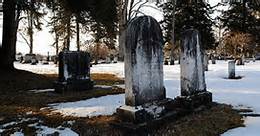
A resource that we can use more than once is called a _____ resource.
Renewable
Nonrenewable
Reusable
Recyclable
What is deforestation?
Cutting down trees in a forest.
Planting new trees on empty land.
Using trees to produce oxygen.
Looking for new types of medicine in a forest.
Why are trees considered natural resources?
People use them to make paper, lumber, fuel, and other products.
They provide shade.
They are a source of firewood
They can grow back after they are cut down.

Energy from the sun is known as.........
hydroelectric energy
geothermal energy
solar energy
wind energy

Energy we get from earth's interior heat
Geothermal
Solar Energy
Wind Energy
Hydroelectricity

A resource that can be easily replaced.
renewable
alternative
nonrenewable
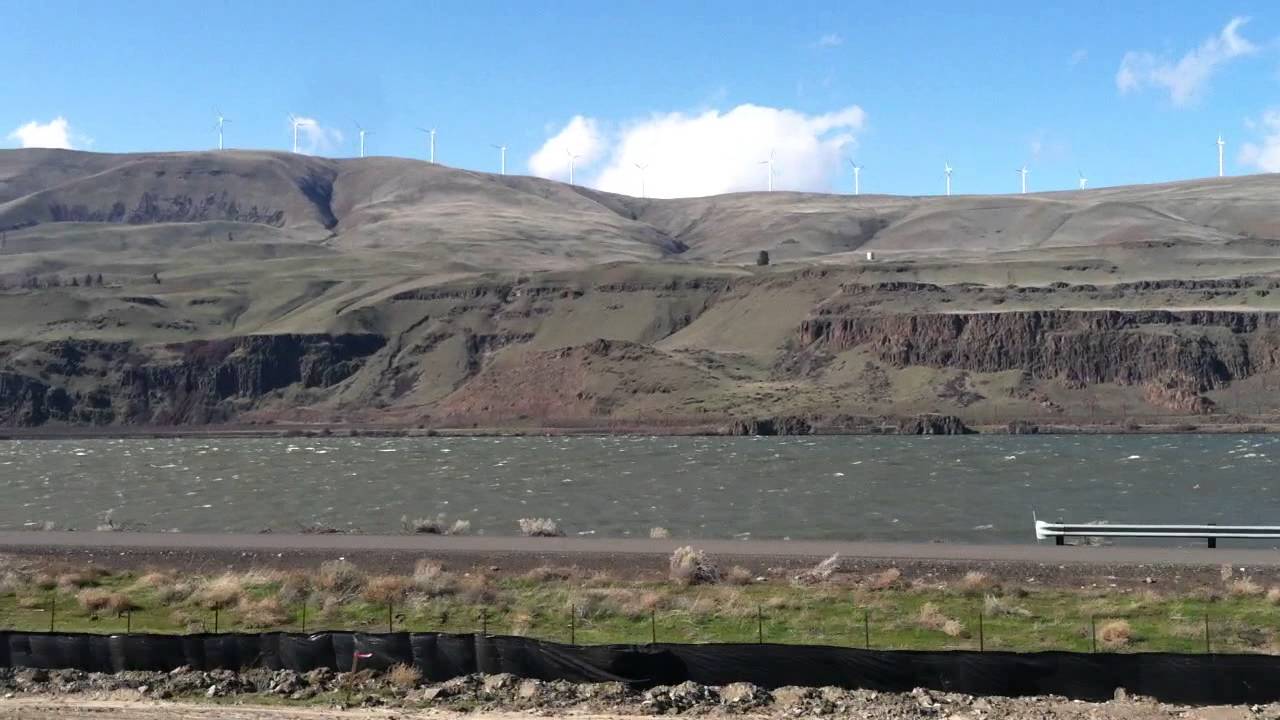
Natural Resources/Energy can be classified into..
Renewable and non renewable
Natural and non renewable
Renewable and Natural
All of them

Pollution can come from natural events such as
using CFCs
driving cars
erupting volcanoes
reusing water bottles
Harmful ultraviolet radiation from the Sun is absorbed by
clouds
ozone molecules
soil
water
Sunlight reacts with waste gases from the burning of fossil fuels to form
greenhouse gases
chlorofluorocarbons (CFCs)
photochemical smog
rain
Global warming can lead to
deforestation
climate change
oil spills
litter

troposphere
stratosphere
mesosphere
thermosphere
exosphere
weather
troposphere
ozone layer
stratosphere
meteors burn up
mesosphere
Aurora Borealis
thermosphere
empty space
exosphere
The transfer of energy by electromagnetic waves is
Conduction
Convection
Radiation
What is the transfer of thermal energy by the collisions between particles of matter?
Conduction
Convection
Radiation
The transfer of thermal energy by the movement of matter from one place to another is
Conduction
Convection
Radiation
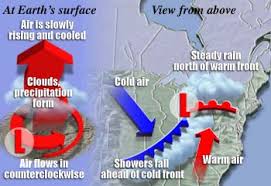
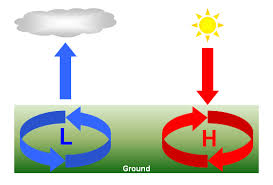


__________ energy is the energy of motion.
Collision
Contact
Kinetic
Potential
__________ energy is the energy of position.
Electric
Potential
Mass
Energy
The ability to do work.
electric
mass
energy
distance
The rate at which an object travels a distance.
force
speed
distance
motion
A change in position of an object over time.
speed
force
motion
energy

