Worksheets
Muscle, skeletal, circulatory, digestive review
Total questions: 73
Worksheet time: 49mins

Your collar bone is scientifically called
clavicle
sternum
phalanges
ulna

A lower arm bone that is on the pinky side
clavicle
radius
phalanges
ulna

A lower arm bone that is on the thumb side
clavicle
radius
phalanges
ulna

Upper arm bone is scientifically called
sternum
humerus
femur
biceps

Lower leg bone in the back is scientifically called
fibula
femur
sternum
humerus

Strongest and longest bone in the body
femur
sternum
humerus
cranium

Toes are known as your
feet
radius
lower phalanges
tibia

Your spine or backbone is scientifically called
vertebrae
spine
sternum
femur

Bone in your chest that protects your heart
cranium
ulna
femur
sternum

Lower leg bone in front. Known as your shin bone
tibia
radius
ulna
fibula


Name the highlighted muscle
pectoralis major
biceps
triceps
deltoid

Name the highlighted muscle
pectorals
deltoid
trapezius
latissimus dorsi

Name the highlighted muscle
tricpes
biceps
rectus femoris
trapezius

Name the highlighted muscle
tricep
bicep
bicep femoris
extensor longus

____________ attaches to actin to form the cross bridge.
Troponin
Tropomyosin
Myosin
Calcium

9
Pectoral
Deltoid muscle
Latissimus dorsi
Trapezius


What type of muscle tissue is this?
cardiac
smooth
skeletal
all the above
Muscles that you control are known as....
Involuntary
Fast Twitch
Voluntary
Slow Twitch
1 of the 4 main jobs of the muscular system is
to give us posture
sensory response (taste, smell, touch, etc)
protect from disease
deliver oxygen to the body
The largest muscle in the body is the
gluteus medius
gluteus maximus
gluteus minimus
buccinator

The organ represented by the blue pin is the
stomach
heart
diaphragm
kidney
The organ represented by the red pin is the
stomach
large intestine
lungs
kidney
The organ represented by the yellow pin is the
liver
large intestine
heart
kidney
The organ identified by the green star is the
small intestine
large intestine
kidneys
lungs


Which is the esophagus?
A
B
C
D
E

Which parts of the diagram is the small and large intestine?
A~ small intestine
E~ large intestine
D~ small intestine
E~ large intestine
C~ large intestine
B~ small intestine
A~ large intestine
C~ small intestine
E~ small intestine
D~ large intestine


The organ S in the picture is called ....
small intestine
gallbladder
appendix
large intestine
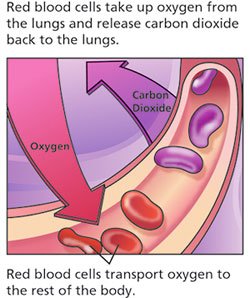
Delivers oxygen to your body cells. Made in bone marrow.
white blood cell
red blood cell
respiratory system
lungs
This organ pumps blood through your body.
heart
artery
vein
capillaries
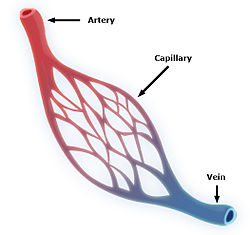
These blood vessels take oxygenated blood to the body cells.
heart
artery
vein
capillary
These blood vessels carry deoxygenated blood to the lungs.
heart
capillaries
veins
arteries
Small blood vessels that diffuse oxygen, carbon dioxide, and nutrients.
heart
arteries
veins
capillaries
The system that makes red blood cells.
nervous
circulatory
respiratory
skeletal
The system that delivers oxygen and gets rid of carbon dioxide.
respiratory
skeletal
lymphatic
digestive






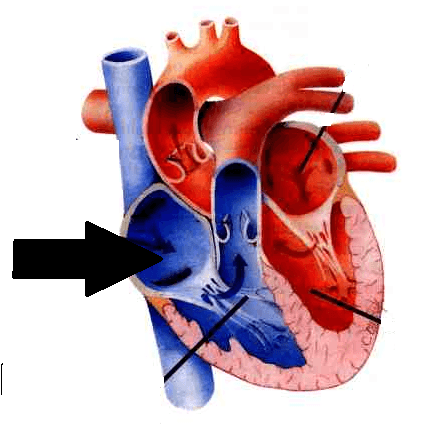
This chamber of the heart RECEIVES oxygen rich blood back from the lungs
Right Atrium
Left Atrium
Right Ventricle
Left Ventricle
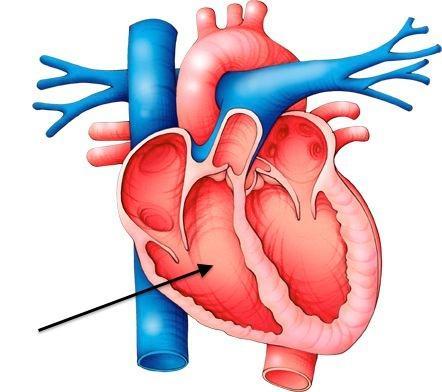
This chamber of the heart pumps the blood from the heart to the lungs through the pulmonary artery
Right Atrium
Left Atrium
Right Ventricle
Left Ventricle
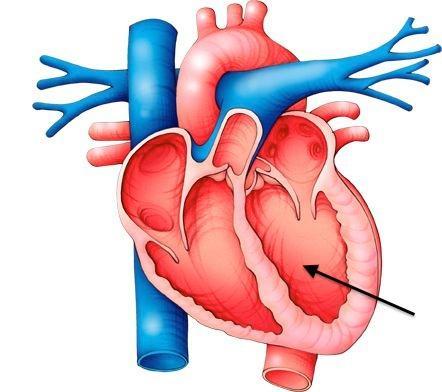
This chamber of the heart pumps the blood back out to the body cells through the Aorta
Right Atrium
Left Atrium
Right Ventricle
Left Ventricle