wayground logo

Free Printable Worksheets

NEW

Font size

S
M
L
XL
Worksheets

Plants and Animals

Total questions: 52

Worksheet time: 59mins

Name
Class
Date
1.

What is the function of the Cell Wall?

a)

Supports and protects a plant cell

b)

Has no function

c)

Makes the cell weak

d)

Is the shape of the cell

2.

What is the function of the Vacuole?

a)

Stores food, water, or wastes

b)

Makes energy for the cell

c)

Has no funtion

d)

Supports and protects the cell

3.

What is the function of the Chloroplast?

a)

Has no function

b)

Makes water for the cell

c)

Makes food for the cell

d)

Stores waste

4.

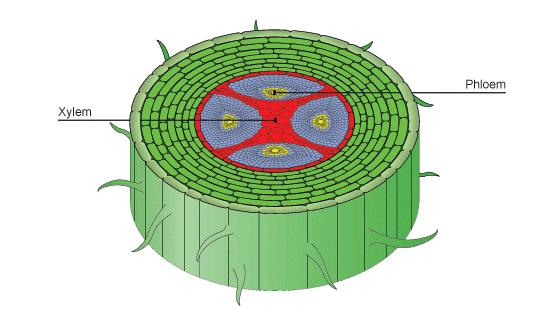
the vascular tissue through which food moves.

a)

xylem

b)

phloem

5.

vascular tissue through which water and minerals move

a)

xylem

b)

phloem

6.
Xylem is 
a)
another name for roots
b)
is a vascular tissue that carries water and minerals from the root up to the plants.
c)
carries food from the leaves to the root.
7.
phloem is 
a)
a vascular tissue that carries water and nutrients from the roots up to the stem and leaves.
b)
a vascular tissue that carries food from leaves to the the roots.
c)
another name for leaf.
8.
These types of plants are able to grow taller because of the added support and faster nutrient transport of xylem and phloem.
a)
Seedless plants
b)
Vascular plants
c)
Seeded plants
d)
Nonvascular plants
9.
___________________ plants have true roots, true stems, and true leaves.
a)
Protist
b)
Vascular 
c)
Fungi
d)
Non-vascular 
10.

Specific type of plant tissue that transports water and minerals from the roots, through the stems, to leaves

a)

vascular plant

b)

nonvascular plant

c)

xylem

d)

phloem

11.

Carbon Dioxide, Oxygen, and Water Vapor pass into and out of a plant through small openings in the epidermis, or surface layer, or a leaf called...

a)

Holes

b)

Leaf

c)

Bubbles

d)

Stomata

12.

What is Chlorophyll?

a)

a waxy, waterproof layer that helps a plant reduce water loss

b)

Green pigment in the chloroplasts of plants

c)

Tubes that are in the stem of a plant

d)

a vascular tissue

13.

What is a cuticle?

a)

The bit on your nail

b)

A waxy, waterproof layer that helps a plant reduce water loss

c)

A make of car

d)

Another name for plant roots

14.

What does a plant cell have that an animal cell does not?

a)

Cell Membrane

b)

Nucleus

c)

Cell Wall

15.

A plant is...

a)

Multicellular

b)

Unicellular

16.

What do plants use to get water and minerals from the soil?

a)

Stem

b)

Roots

c)

Flowers

d)

Hands

17.
An animal has bilateral symmetry if
a)

No lines can be drawn to divide the animal into halves that are mirror images

b)

Many lines can be drawn to divide the animal into halves that are mirror images

c)

One line can be drawn to divide the animal into halves that are mirror images

18.
Which of the following is a characteristic of animals with radial symmetry?
a)
They have no distinct head or tail ends
b)
They must move quickly to catch prey
c)
They move faster on land than in water
d)
They have sense organs at the front of their bodies
19.
An animal that has a backbone is called a(an)...
a)
Cnidarian
b)
Predator
c)
Vertebrate
d)
Invertebrate
20.

What type of symmetry does the organism have?

a)

Asymmetrical

b)

Radial

c)

Bilateral

21.

What type of symmetry does the organism have?

a)

Asymmetrical

b)

Radial

c)

Bilateral

22.

What type of symmetry does the organism have?

a)

Asymmetrical

b)

Radial

c)

Bilateral

23.

What type of symmetry does the organism have?

a)

Asymmetrical

b)

Radial

c)

Bilateral

24.

What type of symmetry does the organism have?

a)

Asymmetrical

b)

Radial

c)

Bilateral

25.
Small openings called ______ are found on the underside of leaves and allow gases to enter or leave the plant cells.
a)
Phloem
b)
Chloroplasts
c)
Xylem
d)
Stomata
26.
What is TISSUE that carries water and nutrients from the roots to every part of the plant?
a)
xylem
b)
pholem
c)
gymnosperm
d)
angiosperm
27.
What part of the plant cell stores water?
a)
nucleus
b)
vacuole
c)
chloroplast
d)
ribosome
28.
What part of the plant cell is the control center of the cell?
a)
chloroplast
b)
ribosome
c)
nucleus
d)
cell wall
29.
The process of photosynthesis takes place in organelles (part of cell) called ______.
a)
Phloem
b)
Xylem
c)
Stomata
d)
Cholorplasts
30.
What is the name of the jelly-like filling of the cell?
a)
ribosome
b)
cell membrane
c)
nucleus
d)
cytoplasm
31.

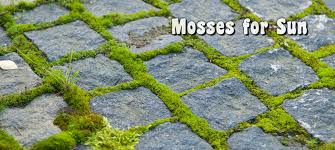
Which of the following is NOT true about mosses?

a)

They are non-vascular

b)

They have roots, stems, and leaves

c)

They grow in moist places

d)

They are small and low-growing

32.

All female mammals have this unique feature:

a)

They have long tails

b)

They are cold-blooded

c)

They have special milk glands

d)

They can run very fast

33.

Some mammals lay eggs?

a)

False

b)

True

34.

The type of mammal where the females have pouches where the offspring finish developing

a)

Monotremes

b)

Placentals

c)

Marsupials

d)

Primates

35.
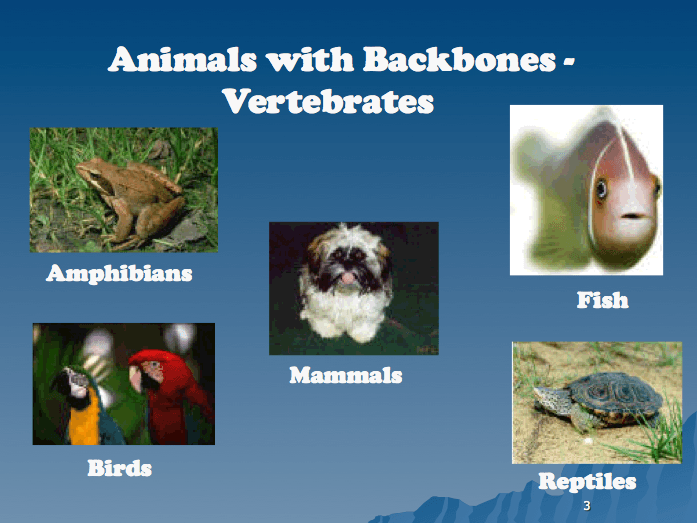
There are five categories of vertebrates.  Which one is not a vertebrate?
a)
Mammals
b)
Birds
c)
Arthropods
d)
Reptiles
36.
Which of these animals breathe through their gills?
a)
Fish
b)
Fish and baby amphibians
c)
Mammals, adult amphibians, reptiles and birds
37.

Is this animals an ectotherm or endotherm?

a)

ENDOtherm

b)

ECTOtherm

38.

Is this animals an ectotherm or endotherm?

a)

ENDOtherm

b)

ECTOtherm

39.

Is this animals an ectotherm or endotherm?

a)

ENDOtherm

b)

ECTOtherm

40.

Is this animals an ectotherm or endotherm?

a)

ENDOtherm

b)

ECTOtherm

41.

An animal that depends on its environment to warm its body

a)

endotherm

b)

metabolism

c)

ectotherm

d)

mesothermal

42.
What is the scientific word for warm-blooded? 
a)
warmtherm
b)
ectotherm
c)
thermal
d)
endotherm
43.
What kind of animal changes their temperature with the environment?
a)
Mammal
b)
Ectotherm
c)
Endotherm
d)
Bird
44.
What covers a reptile and a fish's body?
a)
Scales
b)
Fur/hair
c)
Feathers
d)
Spines
45.
Has to find heat to get warm and shade to keep cool.
a)
endotherm
b)
ectotherm
46.
All of the following are characteristics of mammals except _____
a)
they give birth to live young
b)
they produce milk
c)
they breathe through gills
d)
they are covered with hair
47.

what type of mammal are duck-billed platypus

a)

monotremes

b)

marsupials

c)

placentals

48.
I am spiny, have a water vascular system with tube feet, radial symmetry, and am called a brittle star.
a)
Mullosk
b)
Arthropod
c)
Echinoderm
d)
Cnidarian
49.
I have three pairs of legs and a body divided into three sections.  As a butterfly, I have wings.
a)
Echinoderm
b)
Annelid
c)
Arthropod
d)
Mollusk
50.
Which of the following has a 4 chambered heart?
a)
Frogs
b)
Fish
c)
Birds
d)
Reptiles
51.
Montremes are different from placental and marsupial mammals because....
a)
They have hair
b)
They are ectothermic
c)
They lay eggs
d)
They do not feed milk to their young
52.

All arthrodods have an external covering called

a)

gills

b)

endoskeleton

c)

exoskeleton

d)

mantle