
 Worksheets
Unit 10 Ecology Test Review
Total questions: 50
Worksheet time: 38mins
Abiotic can be defined as?
An organism that is alive
Non-living parts of an ecosystem
Living Parts of the environment
A new kind of Pokemon that lives with Pikachu
Biotic can be defined as
the living parts of an ecosystem
non-living parts of an environment
rocks and water
snakes and water
Temperature is a(n) _________factor
Biotic
Abiotic
living
cool
Soil is an example of a(n)
Biotic factor
Abiotic factor
competition
herbivorous

All living things or organisms in an ecosystem are
None
biotic factors
abiotic factors
Which of the following is NOT a biotic factor?
Coyote
air
elephant
What is the difference between the biotic and abiotic factors?
Biotic factors are living things and abiotic factors are nonliving things.
Biotic factors are nonliving things and abiotic factors are living things.
Temperature, sunlight, oxygen, water, and soil are all _____ parts of the environment
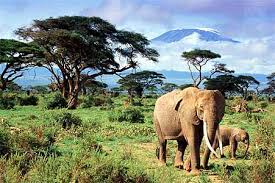
Which of the following is a biotic factor?
sun
temperature
soil
grass

An arctic blast pushed its way through several of the Northern state in the United State. The temperatures dropped below freezing for several days. Temperature is an example of which type of factor?
Biotic
Abiotic

Is wind a biotic or abiotic factor?
biotic
abiotic
An ecosystem is made up of __________.
living things only
non-living things only
both living and non-living things
Lizards and cacti are biotic factors in a desert ecosystem that would rely on which abiotic factors?
insects and sun
water and insects
snakes and temperature
water and soil
Which of the following shows an abiotic factor interacting with a biotic factor in the environment?
Lamprey eels survive by attaching themselves to trout.
Water temperature affects its oxygen level.
Low light intensity affects the growth of forest pine trees.
Gypsy moth caterpillars eat the leaves of apple tree.

What level of ecological organization do the animals represent?
Species
Population
Community
Ecosystem

What level of ecological organization does the bird represent?
Organism
Population
Community
Ecosystem

What level of ecological organization does this entire picture represent?
Organism
Population
Community
Ecosystem
Which of the following pictures shows an example of an organism?


Which of the following is an example of a population?
One cardinal bird
A group of mice
A group of deer and birds
Deer, birds, trees, and a lake
Which of the following images is an example of a community?


What level of organization can be observed in the image?
community
organism
ecosystem
population
What is an example of a community?
One fish
Many fish of the same species living in the area
Crabs, sharks, and species of fish in the same area
Many communities living in an aquatic environment
What is an example of a population?
One lion
A group of lions living in the same area
Lions, gazelles, and elephants
A savannah

What is an ecosystem?
One individual of a species
a group of individuals of a species that live in the same area
all the different species in an area
all the communities in an area and the physical environment

What is a population?
One individual member of a species
a group of individuals that belong to the same species and live in the same area
all the different populations of species that live together in an area
a community of species and the physical environment

A group of the same type of organisms living in the same place at the same time is called a/an ----
ecosystem.
population.
community.
biome.
All of the populations that live in one area together are called a/an ---
biome.
population.
community.
ecosystem.

Which two biotic factors will interact in this environment?
The sun helps the tree feed itself.
The bird flies in the air.
The termite eats the tree.
The elephant sunbathes.
Which represents the community level of organization?
lions, zebras, giraffes, trees
lions
lions, zebras, sunlight, trees, rocks
lions and their cubs
Which choice shows the correct order of the levels of environmental organization from simplest to most complex?
organism, population, community, ecosystem
organism, population, ecosystem, community
organism, community, population, ecosystem
population, ecosystem, organism, community

Butterfly gets nectar from the flower and transfers pollen to other flowers to allow flowers to reproduce.
mutualism
commensalism
parasitism

Clown fish lives among the deadly tentacles of the sea anemone and is protected. The clown fish eats food left over by the anemone keeping the area clean and also acts as “bait”.
mutualism
commensalism
parasitism

Remora eats food left over by the shark. The shark makes no attempt to prey upon the remora.
mutualism
commensalism
parasitism

4. Braconoid wasps lay eggs on the catepillar. They hatch inside the cocoon of the catepillar and eat the developing catepillar.
mutualism
commensalism
parasitism

Fleas on a dog…
mutualism
commensalism
parasitism

Barnacles attach themselves to the whale causing no harm to the whale.
mutualsim
commensalism
parasitism
A relationship between two organisms in which one organism benefits and the other is hurt or harmed...
Mutualism
Competition
Parasitsm
Commensalism
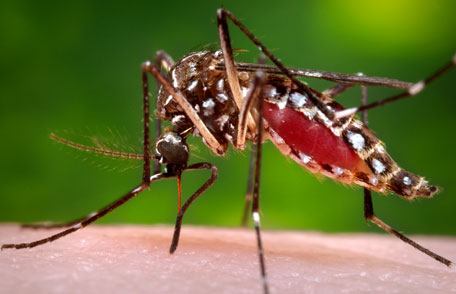


an organism kills and eats all or part of another organism
competition
predator/prey
symbiosis

A ____________________ Relationship is when two living things "fight" for limited resources.
Dependent
Competitive

A student wants to investigate competition between two organisms. For the investigation, it is most important that the student should choose organisms that –
reproduce at a faster rate.
are both active during the night.
have the different adaptations.
require the same resources.

