
 Worksheets
Final P.6 - Biodiversity Practice Test
Total questions: 50
Worksheet time: 29mins
the variety of life in the world or in a particular habitat or ecosystem
biodiversity
demography
carrying capacity
poaching
Why are some sharks considered a keystone species?
Because they are a top predator
They scare off smaller fish that may overgraze an area of sea grass
They are tertiary consumers
They are cartilaginous
Why are bees considered a keystone species?
The honey they make supports the bear population
They pollinate flowers that produce fruit which supports the ecosystem
They sting when threatened
They live in hives

What is a keystone species?
A species that helps to hold an ecosystem together
A species that lives in or around rocks
Keys and stones have nothing to do with ecology
A keystone isn't a living thing, it's just a stone
A species form that supports an entire ecosystem.
Keystone Species
Herbivores
Umbrella Species
Predators
species that are critical to the functioning of an ecosystem
mass extinction
invasive species
biodiversity
endangered species
keystone species
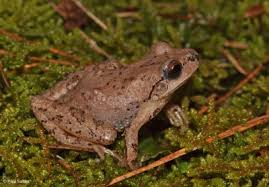
When taken to a new habitat, non-native plants often threaten native plants of the new habitat. Why do they do this?
Non-native plants are able to mutate rapidly
Non-native plants cause native animals to relocate
Non-native plants are able to be used for medicine
Non-native plants compete with native plants for resources
A measure of both species richness and relative number of species.
Species diversity
Species richness
Biodiversity
Keystone species
A species that has a disproportionately large effect on community structure relative to their abundance.
Pioneer Species
Invasive Species
Keystone Species
Foundation Species
Non-native species whose introduction causes, or can cause harm in their new area
Pioneer Species
Invasive Species
Keystone Species
Foundation Species
Invasive species alter the ecosystem by ______ in number quickly. This leads to ______ food for the native species.
increasing, less
increasing, more
decreasing, less
decreasing, more
What is an invasive species?
A native (naturally found) species which are added to an area
An organism that is new to an environment and has a negative effect on that environment.
A keystone species in an environment
none of the above
What is biodiversity?
Different types of life in an ecosystem.
Different types of animals in an ecosystem.
Different types of plants in an ecosystem.
Different abiotic factors in an ecosystem.
Which of the following is an example of an invasive species?
Trout
Kudzu
Mosquito
Daisy
Kudzu has overgrown in many parts of Tennessee. What type of relationship does Kudzu have with the native ground plants?
Competition
Predator-Prey
Commensalism
Mutualsim
The field mice population has grown so fast that they eat an average of $4 billion of wheat every year. Their fast growth is caused by...
(Choose 2!)
The mice like to reproduce.
A lack of native species to eat the field mice.
Abundant food supply.
Why do populations of invasive species grow so quickly?
They are prey to many animals.
They are native to the area.
They help keep the ecosystems in balance.
They have no predators.
Why do the populations of invasive species grow so quickly?
Invasive Species are native to an area.
Invasive species are prey to many animals.
Invasive species have no predators.
Invasive species keep the ecosystems in equilibrium.
The primary cause of the introduction of invasive species introduction is ---
too much food.
human action.
weather events.
asteroids.
The place where an organism lives in order to obtain its food, water, shelter and other things needed for survival is called a ---
Niche.
Habitat.
Home.
Ecosystem.
The particular role (job) of an organism in its environment, including types of food it eats, how it obtains its food and how it interacts with other organisms is called a ---
Niche.
Habitat.
Home.
Ecosystem.
A species indigenous to a certain region or ecosystem naturally is a ---
Native Species.
Accidental Species.
Introduced Species.
Invasive Species.
Invasive species --- [choose 3]
take over the habitat of other organisms.
increases the populations of native organisms.
decrease biodiversity.
increase biodiversity.
cause the populations of native organisms to decrease.
Invasive species can cause or lead to the --- [choose 2]
increase of native plants and animals.
habitats to be permanently altered.
decrease of invasive plants and animals.
extinction of native plants and animals.
Invasive species [more than 1 answer]
take over the habitat of other organisms
increases the populations of native organisms
destroy/decrease biodiversity
improves/increases biodiversity
cause the populations of native organisms to decrease
When an ecosystem has a greater biodiversity, what does that allow the ecosystem to do?
recover more easily from stresses on the ecosystem
make the area more inviting to non-native predators
support more populations of organisms
attract more species to live there
The number and variety of different species in an area
Biodiversity
Keystone species
Extinction
Invasive species
A species that influences the survival of many other species in an ecosystem
Biodiversity
Keystone species
Extinction
Invasive species
The disappearance of all members of a species from Earth
Biodiversity
Keystone species
Extinction
Invasive species
This is the disappearance of a particular population from a given area, but not the entire species globally.
extinction
extirpation
evacuation
evaluation
This classification of risk means that the species is at serious risk of extinction.
threatened
vulnerable
endangered
extinct
The status of a "threatened species" means:
they are almost extinct
they are likely to become endangered
they are extinct
their numbers are increasing
All of the following affect biodiversity only in certain locations and times, EXCEPT:
Pollution
Invasive Species
Climate Change
Overharvesting
An endangered species is
a species in danger of extinction.
a species growing on public land.
an organism brought to a place where it has not lived before.
a species that has disappeared entirely.
Which area is experiencing the highest number of extinctions?
the arctic
coniferous forests
Europe
rain forests
What effect are humans having on the rate of extinctions?
increasing
decreasing
holding steady
species diversity
the variation of traits within a species
the diversity of the environments in a location
the number and abundance of different types of organisms
ecosystem diversity
the variation of traits within a species
the diversity of the environments in a location
the number and abundance of different types of organisms
Which level of biodiversity is most commonly associated with the concept of biodiversity?
genetic diversity
species diversity
ecosystem diversity
Where around the globe are many critical locations of biodiversity located?
coral reefs and estuaries
islands
tropical rainforests
deserts
arctic ecosystems
Any species at risk because of declining numbers.
vulnerable
threatened
extirpated
extinct
endangered
A species that is no longer found anywhere.
vulnerable
threatened
extirpated
extinct
endangered
Which of the following are effective methods to prevent the spread of invasive species?
Laws and regulations
Monitoring and studying
Education
Importing predators

