
 Worksheets
Summative Test 2: Biomolecules
Total questions: 20
Worksheet time: 10mins
Which of the following food items contains the most lipids?


Which of the following is NOT INCLUDED in the main classes of biomolecules?
carbohydrates
lipids
nucleic acids
phosphates
What is the function of carbohydrates?
Energy storage
Digestion of food
Information storage
Building of muscles and cells
Nucleic acids are primarily made of what elements?
C, H, O
C, H, O, N
C, H, O, N, P
C, H, O, P
Proteins are primarily made of what elements?
C, H, O
C, H, O , N
C, H, O, N, P
C, H, O, P
Which of the following elements cannot be found in biomolecules?
Hydrogen
Mercury
Nitrogen
Oxygen
Carbohydrates are primarily made up of what elements?
C, H, O
C, H, O, N
C, H, O, N, P
C, H, O, P
Glycerol and fatty acids are the monomers of _________.
carbohydrates
lipids
nucleic acids
proteins
What type of biomolecule contains carbon, hydrogen, oxygen, and nitrogen?
carbohydrates
lipids
nucleic acids
proteins
Which of the following biomolecules are the key in the continuity of life?
carbohydrates
lipids
nucleic acids
proteins
Which of the following is a correct monomer-polymer pair?
monomer: disaccharide
monomer: polysaccharide
polymer: monosaccharide
polymer: polysaccharide

The sugar in RNA is _____________while the sugar in DNA is ________.
deoxyribose, ribose
ribose, deoxyribose
ribose, phosphate
ribose, uracil
Which of the following sugars are the components of lactose?
fructose and galactose
glucose and fructose
glucose and glucose
glucose and galactose
The following statements are TRUE regarding lipids EXCEPT for _____________.
They are insoluble in water
They store energy for later use
They can be found in fats and oils
They are composed of C, H, O, N
Carbon, Hydrogen, Oxygen, Nitrogen, and sometimes Sulfur are elements that make up what biomolecule?
carbohydrates
lipids
nucleic acids
proteins
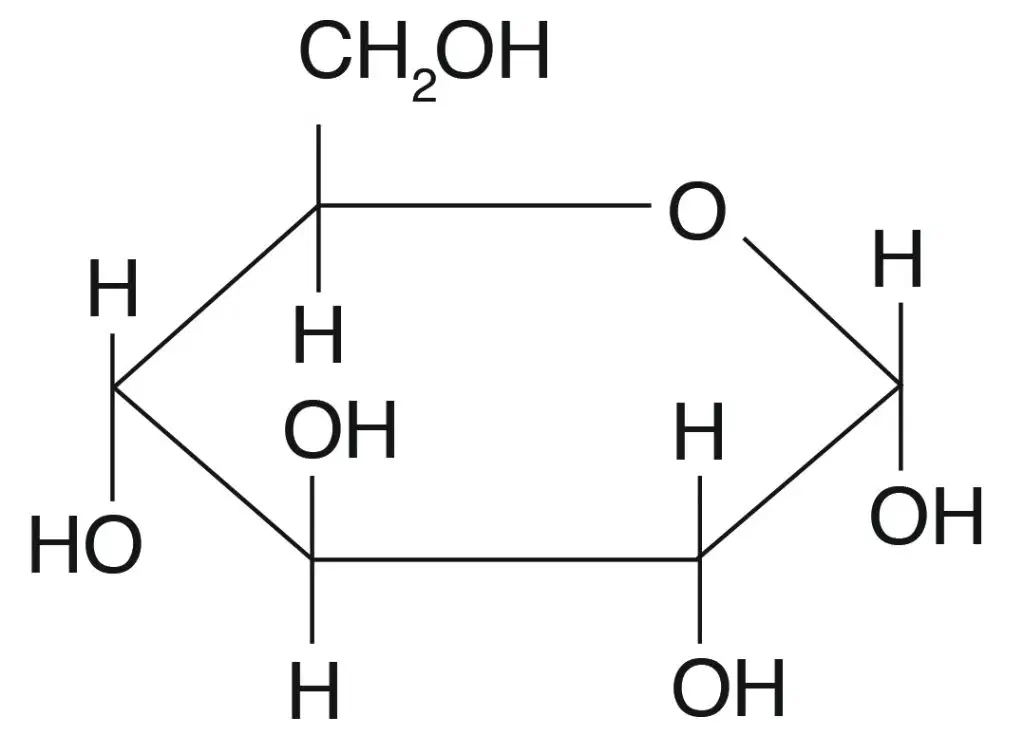
Which macromolecule is shown?
carbohydrates
lipids
nucleic acids
proteins
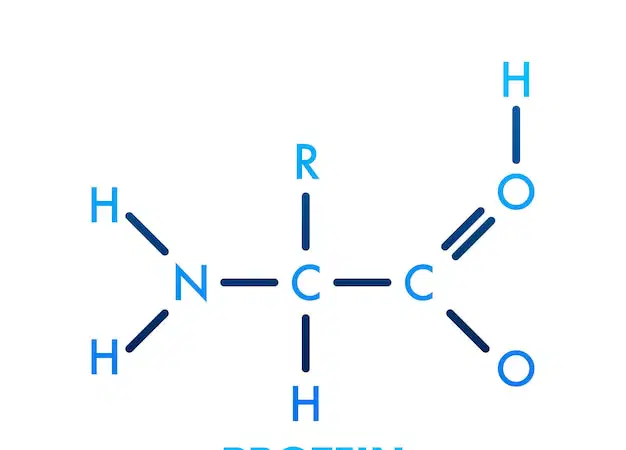
Identify the biomolecule shown.
carbohydrates
lipids
nucleic acids
proteins
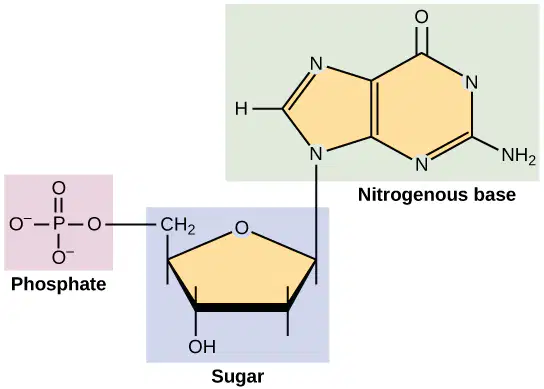
What biomolecule is illustrated by the structure at the left?
carbohydrates
lipids
nucelic acids
proteins
Helicase is an example of an enzyme that can destroy bonds between DNA strands during DNA replication. What biomolecule is helicase?
carbohydrates
lipids
nucleic acids
proteins
Bowhead whales can have a specialized layer of blubber or fat layers up to 30 cm thick. This acts as a special insulation that traps the heat their muscles create from movement. What biomolecule is the blubber primarily made of?
carbohydrates
lipids
nucleic acids
proteins

