
 Worksheets
grade 9
Total questions: 189
Worksheet time: 8hrs 43mins
Which best describes the theme of The Most Dangerous Game?
The tables can turn at any time.
Friends can come together in unexpected places.
Revenge is always the answer.
Never underestimate your family.
The setting of The Most Dangerous Game is...
Zaroff's house
New York City
Ship Trap Island
The Sumerian Jungle
Which of the following literary devices is presented here?
"He lived a year in a minute."
imagery
simile
hyperbole
metaphor
What type of conflict is presented in The Most Dangerous Game?
man vs. nature
man vs. self
man vs. man
all of the above
Who is the protagonist?
Zaroff
Ivan
Bob
Rainsford
Who is the story's antagonist?
Ivan
Zaroff
Rainsford
Harrison Bergeron
Which of the following best describes the climax of The Most Dangerous Game?
When Rainsford first finds himself shipwrecked
When Rainsford runs into Zaroff
When Zaroff explains that he enjoys hunting people as sport
When Rainsford jumps into the water to make his final escape
Which quote from The Most Dangerous Game could be labeled as irony?
"The paddling sound of feet on the soft earth..."
"He lived a year in a minute..."
"The world famous game hunter was now being hunted as game himself..."
"The impulse to cry aloud with joy..."
True or False: Rainsford survives the hunt.
True
False
True or False: Rainsford and Zaroff are fighting for the same goal.
True
False
Judging by the actions of Zaroff and Ivan, you can infer that...
They have a conflict between themselves.
They have a conflict between themselves and Rainsford.
There is no conflict at all.
They have separate conflicts.
What is the plot of The Most Dangerous Game?
Rainsford must escape Zaroff, a crazy Russian who is trying to hunt him as a sport.
Zaroff is shipwrecked and must find his way home.
Who is the protagonist in the short story?
Rainsford
Zaroff
Whitney
Ivan
Who is the antagonist in the short story?
Rainsford
Zaroff
Ivan
Whitney
What is the setting of the short story?
Rio
Ship Trap Island
China
How does the author create suspense at the beginning of the selection?
He starts the story with dialogue, not description.
He has Whitney go to bed early.
He has Whitney describe the mysterious reputation of the island they are passing.
He shows how Whitney and Rainsford plan to go hunting in the Amazon.
The exposition occurs when....
Whitney and Rainsford are discussing big game hunting.
Rainsford falls overboard.
General Zaroff invites Rainsford to hunt with him.
Which of the following is the best example of foreshadowing in this story?
The fact that Rainsford smokes a pipe foreshadows his death.
The fact that Ivan is mute foreshadows his background.
Whitney's tales of Ship-Trap Island foreshadow the danger present there.
Rainsford's construction of the traps foreshadows that he is an expert hunter.
What do General Zaroff and Rainsford have in common?
They both enjoy fishing.
They both enjoy listening to music.
They both own yachts.
They are both big game hunters.
The rising action of the short story occurs...
when Rainsford had never slept in a better bed.
when Whitney discussed big game hunting.
when Rainsford swam to Ship-Trap Island after falling off of his boat.
Rainsford jumping off the cliff is the story's _____.
exposition
climax
conflict
resolution
The falling action of the story is when _______.
Rainsford makes the Burmese tiger pit.
Rainsford jumps off the cliff.
Rainsford hides in Zaroff's bedroom.
Rainsford falls off of his boat.
The last sentence of the story is, “He had never slept in a better bed, Rainsford decided.” What important piece of plot information does that sentence reveal?
Zaroff has lost the final duel.
Zaroff cares too much about luxuries.
Rainsford has a history of sleep problems.
Rainsford has safely returned home.
Which statement best describes how the speaker’s thoughts in lines 9-12 affect the meaning of the poem?
The speaker admits the roads are really the same, meaning he does not take the road less traveled but wants his choice to seem like it matters.
The speaker admits the two roads are really the same, indicating that he will grow confused with age and forget his past choices.
The speaker thinks both roads are actually heavily traveled, meaning that in the end both choices would have led to full lives.
The speaker thinks he took the road less traveled, but is not sure if it has made any difference in his life.
Which statement best describes the significance of lines 13-15 on the meaning of the poem?
The speaker is not worried he made the wrong choice because he can return to take the other road.
The speaker is worried he took the more traveled road and will not be able to return to take the less traveled one.
The speaker understands that taking one opportunity will likely prevent him from going back to take another.
The speaker believes that he will be able to take all of the opportunities presented to him at some point in life.
Which of the following best describes a theme of the text?
Sometimes one must make a choice without knowing if it will be best and live with the consequences.
There will always be decisions in life, but one can return and make the decision differently if one makes a mistake.
Following one’s heart is easier than following one’s head, but since decisions don't really matter it is best to follow one’s heart.
Making the most common or popular decisions ensures that one will take the correct path through life.
What lines from the poem support this statement?
The word "diverged" means went in different directions." What is a line in the poem that provides a clue to the meaning of "diverged"?
To where it bent in the undergrowth;
Because it was grassy and wanted wear;
Had worn them really about the same
And sorry I could not travel both
And be one traveler,
Frost uses the image of two diverging roads to symbolize.....
sorrow and regret
life's choice
the love of nature
the spirit of independence
What did the poet see in the yellow wood?
Paths diverging in different directions.
trees in the forest
green grass
The poet took the road...
to the right
to the left
the one less traveled by
And sorry I could not travel both
And be one traveler,
What does "Yet knowing how way leads on to way" means?
the speaker is comforted by the fact that they can go back to the other path in future.
the speaker is comforted by the fact that they have chosen the best path.
the speaker is comforted by the fact that one path will lead to another in future.
"Somewhere ages and ages hence:" This means that...
the speaker is in the future and is looking back on this moment
the speaker is going into the future
the speaker is imagining the future when they look back on this moment
Which of the following best describes a theme of the text?
Sometimes one must make a choice without knowing if it will be best and live with the consequences.
There will always be decisions in life, but one can return and make the decision differently if one makes a mistake.
Following one’s heart is easier than following one’s head, but since decisions don't really matter it is best to follow one’s heart.
Making the most common or popular decisions ensures that one will take the correct path through life.


"In the kitchen, the breakfast stove gave a hissing sigh . . ."


"Somewhere, sighing, a pump shrugged to a stop."


"The house shuddered, oak bone on bone, its hard skeleton cringing from the heat, its wire, the nerves revealed as if a surgeon had torn the skin off to let the red veins and capillaries quiver in the scalded air."


"At eight-thirty the eggs were shriveled and the toast was like stone. An aluminum wedge scraped them into the sink, where hot water whirled them down a metal throat which digested and flushed them away to the distant sea. The dirty dishes were dropped into a hot washer and emerged twinkling dry."


"It quivered at each sound, the house did."

"And Spring herself...would scarcely know . . ."

"And frogs in the pools singing and night,
And the wild plum trees in tremulous white."
What do the words in red, have to do with the Bradbury short story?
What was the mother duck waiting for?
for her food to go down
for her eggs to hatch
for her babies to finish eating
for the sun to come up
What came out of the large egg?
A big ugly duck
a small cute duck
A cat
A alligator
What where the other ducks saying about the big bird?
His was so cute
He is to big to be in here
He is ugly
He needs to leave
What happen to the ugly duckling when he walk around?
Everyone was nice
Everyone wanted to be his friend
No one made fun of him
Everyone was mean to him
How did the ugly duckling feel?
happy
Sad
Mad
Worried
What did the ugly duckling do?
Stay and ignore everyone
Stand up for himself
Run away
Sit and cry
What did the ugly duckling turn into?
A Horse
He didn't change
Into a beautiful swan
Into an ugly toad
What do you learn after reading this story?
Everyone is ugly
Don't judge everyone by the way they look
Judge everyone by the way they look
Always be happy
What is the lesson of the story?
It is ok to be mean to someone if they are not like you.
You should not be mean to someone because of their looks.
Swans are better looking than ducks.
Which of these options shows the correct way to use a comma?
Juneau, AK 99801
Juneau, AK, 99801
Juneau AK 99801,
Juneau AK, 99801
Which of these shows the correct usage of a comma in a sentence?
Richie asked for a dog cat and walrus for Christmas.
Richie asked for, a dog, cat and walrus for Christmas.
Richie asked for a dog, cat, and walrus for Christmas.
Which shows the correct usage of a comma in a sentence?
After, the rock show the musicians headed to the diner for snacks.
After the rock show, the musicians headed to the diner for snacks.
Which of these shows the correct usage of a comma?
First, I put on my fuzzy socks.
First I put on my fuzzy, socks.
Which of these shows the correct usage of a comma in a sentence?
I think, I have a fever so I want to go home.
I think I have a fever, so I want to go home.
Which shows the correct usage of a comma in a sentence?
Jen isn't very funny, but her best friend Pam is hilarious.
Jen isn't very funny but, her best friend Pam is hilarious.
Which shows the correct usage of a comma in a sentence?
Darla bit into the hot, gooey, bread.
Darla bit into the hot, gooey bread.
Which shows the correct usage of a comma in a sentence?
He said, "I love you."
He said "I, love you."
Which shows the correct usage of a comma in a sentence?
"My little sister, won the whole tournament" Jackie said.
"My little sister won the whole tournament," Jackie said.
Which shows the correct usage of a comma in a sentence?
Renee who is a clown threw a pie.
Renee, who is a clown, threw a pie.
Choose the sentence that uses commas correctly.
If you eat too much pizza you will get sick.
If, you eat too much pizza you will get sick.
If you eat ,too much pizza you will get sick.
If you eat too much pizza, you will get sick.
Choose the sentence that uses commas correctly.
My older brother gets on my nerves so, I ignore him all the time.
My older brother gets on my nerves ,so, I ignore him all the time.
My older brother gets on my nerves so I ignore him all the time.
My older brother gets on my nerves ,so I ignore him all the time.
Choose the sentence with correct comma usage.
My dear old grandfather who is seventy years old still jogs everyday.
My dear old grandfather ,who is seventy years old, still jogs everyday.
My dear old grandfather, who is seventy years old still jogs everyday.
Choose the sentence with correct comma usage.
Did you eat Jerry?
Did you eat, Jerry?
Did you, eat, Jerry?
Choose the sentence with the correct comma usage.
This year we will work on spelling, write six essays, and read many wonderful stories.
This year we will work on spelling write six essays, and read many wonderful stories.
This year we, will work on spelling, write six essays, and read many wonderful stories.
Choose the sentence with the correct comma usage.
My sister asked "Where are you going?"
My sister asked ",Where are you going?"
My sister asked, "Where are you going?"
Choose the sentence with the correct comma usage.
We will eat some healthy nutritious pizza.
We will eat some, healthy, nutritious pizza.
We will eat some healthy, nutritious pizza.
Choose the sentence with the correct comma usage.
Although I wanted to buy the Nintendo Switch I settled for the Xbox One.
Although I wanted to buy the Nintendo Switch, I settled for the Xbox One.
Although, I wanted to buy the Nintendo Switch I settled for the Xbox One.
Choose the sentence with the correct comma usage.
When you arrive to the class work on your DLR.
When, you arrive to the class work on your DLR.
When you arrive to the class work, on your DLR.
When you arrive to the class, work on your DLR.
Choose the sentence with the correct comma usage.
Joey did you forget your classwork ,and your homework?
Joey, did you forget your classwork and your homework?
Joey did you forget your classwork and your homework?
Carlos wants to visit Paris Italy Germany and China.
Paris; Italy; Germany
Paris: Italy, Germany
Paris, Italy, Germany,
no change
I have a ____________ problem than you! (big)
more big
bigger
biggest
big
That was the ______________ thing I ever saw! (strange)
strange
stranger
strangest
more strange
I have the ______________ headache right now. (bad)
bad
worse
baddest
worst
The mouse was the ______________ animal we saw at the zoo today. (tiny)
tiny
tinyer
tiniest
tinyest
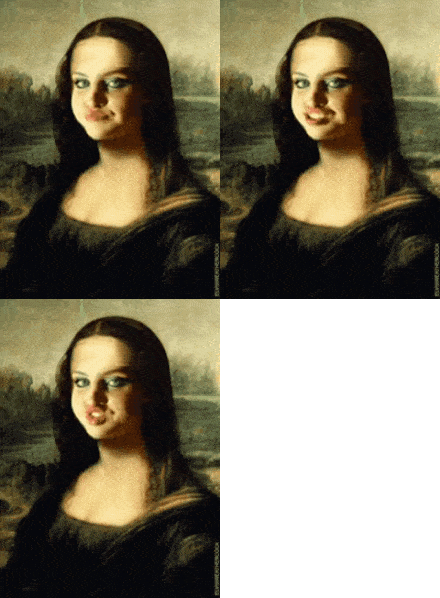
The Mona Lisa is one of the ___________ paintings in the museum. (beautiful)
beautifuler
more beautiful
beautifulest
most beautiful

Mount Everest is _______________ than Mount Fuji. (high)
higher
more high
highest
the highest
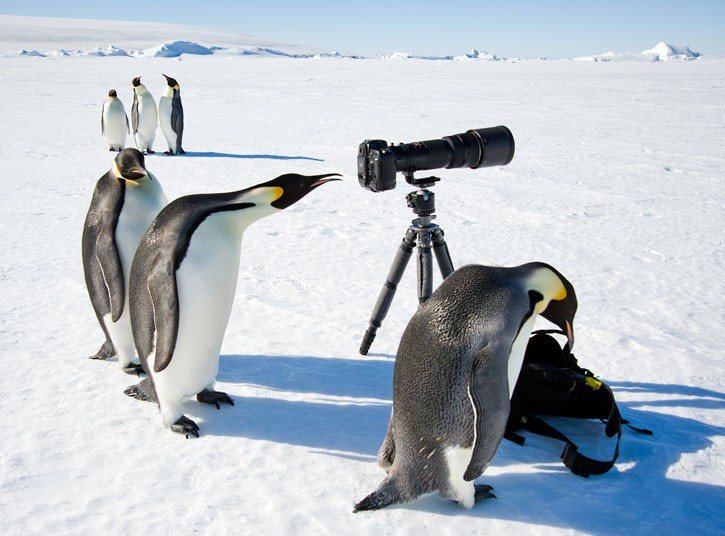
Antartica is the ___________ place on earth. (cold)
colder
more cold
coldest
most cold
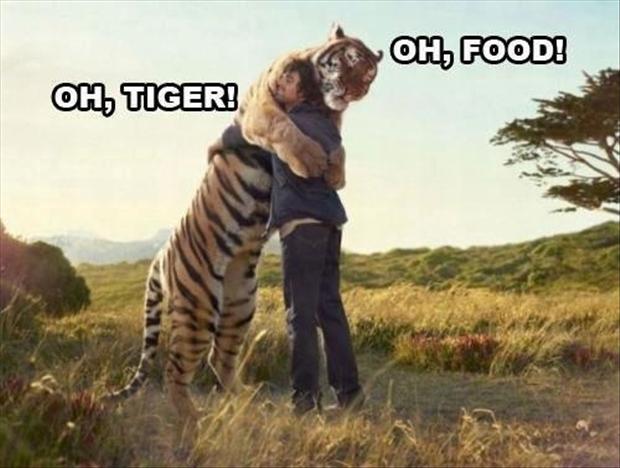
A tiger is ___________ a cat. (strong)
stronger than
more strong than
the strongest
the most strong

Albert Einstein was ____________ than me. (intelligent)
intelligenter
more intelligent
intelligentest
most intelligent
This is the __________ movie I've ever seen. (boring)
boringer
more boring
boringest
most boring
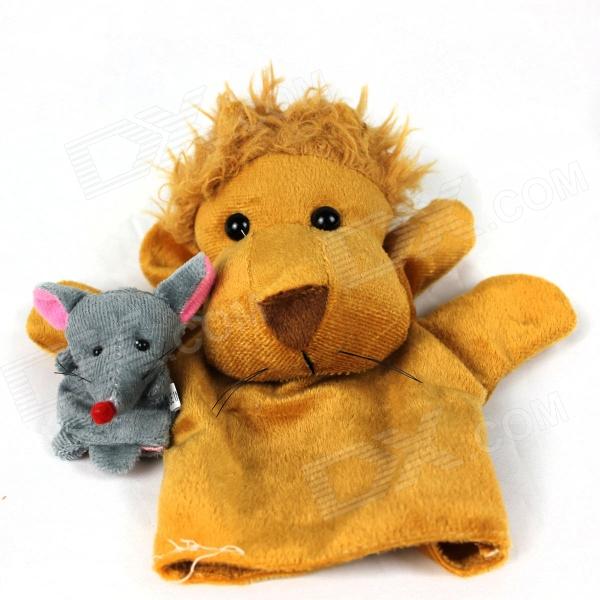
A mouse is _________ a lion. (weak)
weaker than
more weak than
the weakest
the most weak

Carlos is ___________ than Luis. (short)
short
shortest
shorter
more short
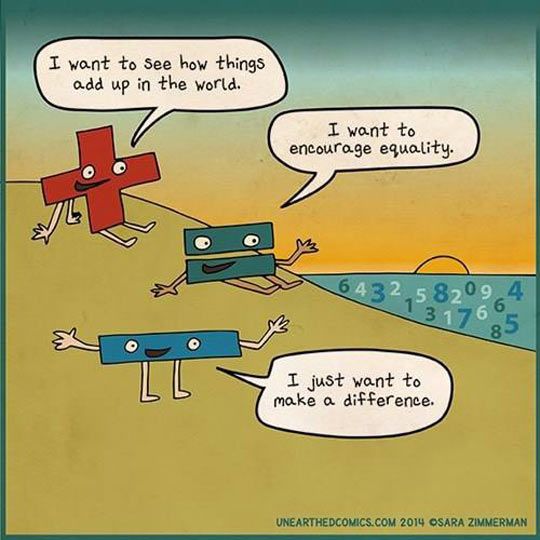
English class is __________ than Math. (easy)
easier
easiest
more easy
easyer
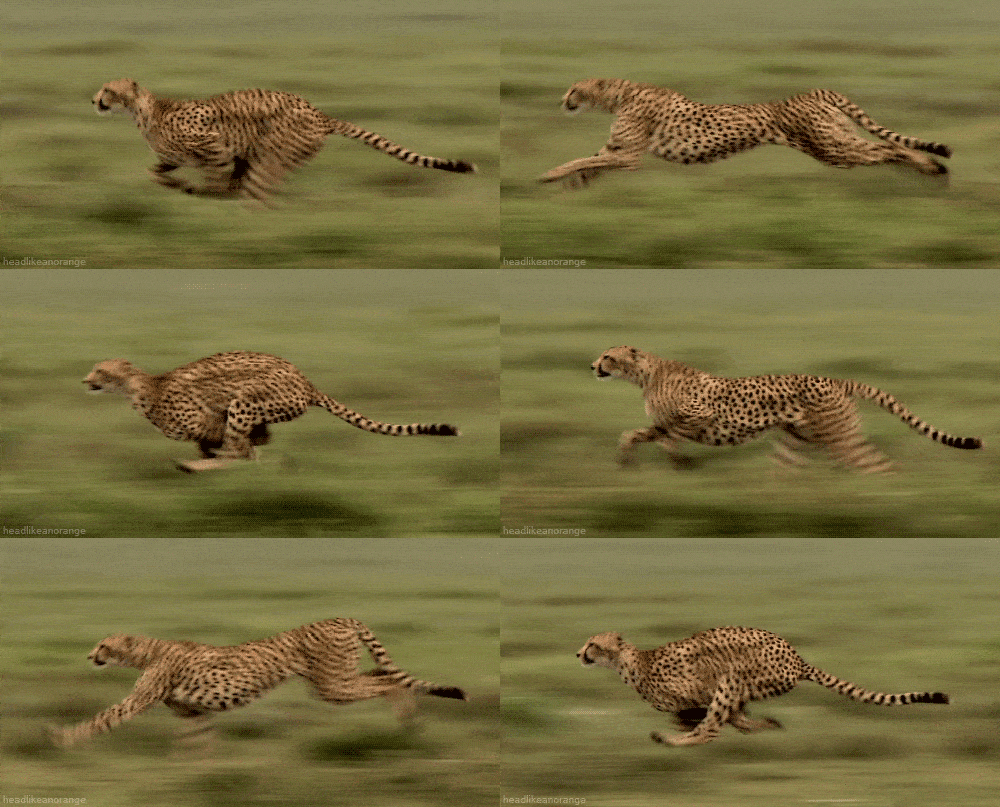
The cheetah is the __________ animal in the world. (fast)
fast
most fast
fastest
more fast
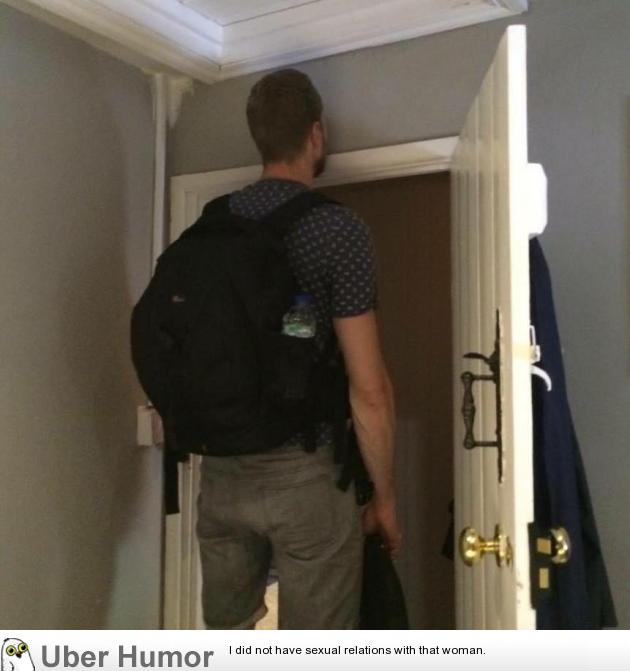
Who is the ___________ person in your family? (tall)
tallest
most tallest
taller
tall
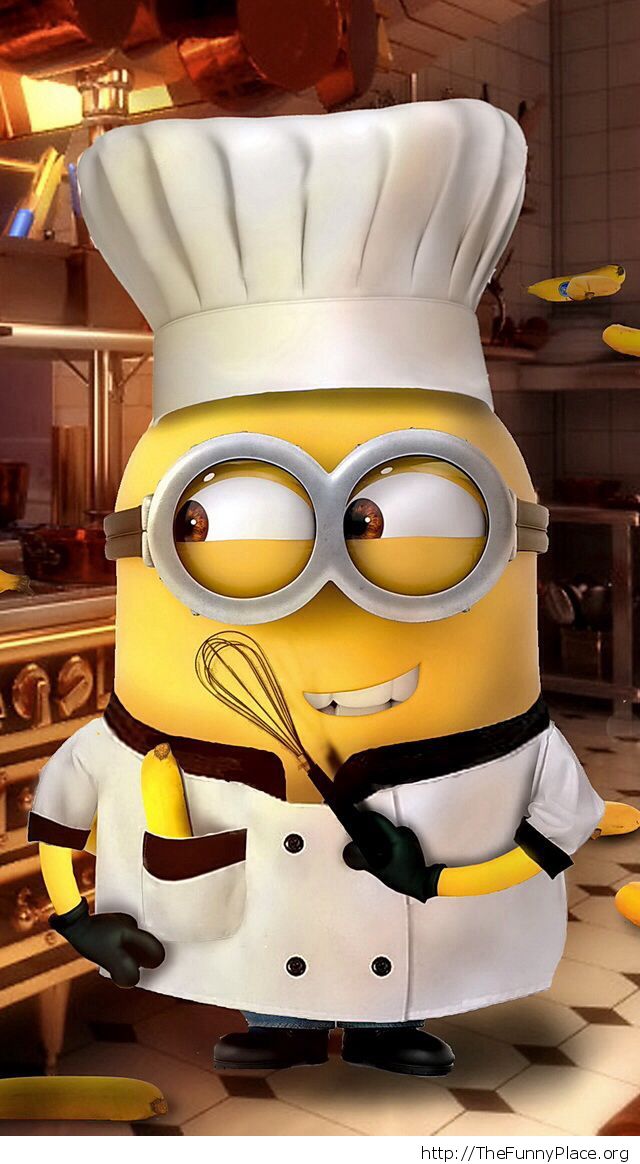
My mum is the __________ cook in the world. (good)
better
best
most good
goodest

What's the _____________ animal in the world? (dangerous)
more dangerous
most dangerous
dangerousest
dangerouser
________ man in the world is 120 years old.v(old)
The oldest
The older
The most oldest
The most old

The Nile is _________ river in the world. (long)
the most longest
the longest
longer than
long and long

The Rock is the __________ actor in Hollywood. (strong)
stronger
most stronger
strongest
more stronger
He (correct, correctly) defined the terms.
correct
correctly
The answer sounded (correct, correctly)
correct
correctly
She (quick, quickly) adjusted the fees.
quick
quickly
He measured the floor (exact, exactly).
exact
exactly
They proved to be (perfect, perfectly) exact measurements.
perfect
perfectly
The stillness of the tomb was (awful, awfully).
awful
awfully
The tomb was (awful, awfully) still.
awful
awfully
She performed (magnificent, magnificently).
magnificent
magnificently
It was a (magnificent, magnificently) beautiful performance.
magnificent
magnificently
Mike wrote too (slow, slowly) on the exam.
slow
slowly
He always writes (slow, slowly)
slow
slowly
He is a (slow, slowly) writer.
slow
slowly
He acted very (sensible, sensibly).
sensible
sensibly
The music played (soft, softly).
soft
softly
She always treats us (good, well).
good
well
He did not pass the course as (easy, easily) as he thought he would
easy
easily
Choose the correct answer:
My friend speaks English _____________.
good
well
alright
My mother is a ______________________ cook.
good
well
okay
My TV broke yesterday. I hope it can be mended __________________________.
cheap
cheaply
My grandparents have been _________________ married for 20 years.
happily
happy
happier
most happy
My classmate is a ____________________ person.
nice
good
nicely
okay
My friends tell me that I sing ____________________.
bad
badly
I was late for class, so I ___________________ entered the room and sat down.
quick
quickly
The students sat ____ in the classroom.
silent
silently
His third album is by far his most ____ .
interesting
interestingly
James is a ____ worker. He ____ takes a vacation.
hard, hardly
hardly, hard
to run off and hide
access
abscond
arduous
approach or admittance to places, persons, things; an increase
access
auspicious
biased
A lack of government and law; confusion
anarchy
inanimate
fated
hard to do, requiring much effort
arduous
auspicious
daunt
favorable; fortnuate
auspicious
disentangle
intrepid
favoring one side unduly; prejudiced
biased
daunt
disentangle
to overcome with fear, intimidate
daunt
fated
hoodwink
to free from tangles or complications
disentangle
incinerate
intrepid
determined in advance by destiny or fortune
inanimate
fated
larceny
to mislead any a trick, deceive
hoodwink
intrepid
anarchy
not having life; without energy or spirit
inanimate
abscond
arduous
to burn to ashes
anarchy
incinerate
daunt
very brave, fearless, unshakable
intrepid
fated
daunt
theft
larceny
hoodwink
abscond
bending readily; easily influenced
pliant
pompous
rectify
overly self-important in speech and manner
pliant
pompous
revile
a very steep cliff; the brink or edge of disaster
precipice
reprieve
pompous
to make right; correct
rectify
reprieve
revile
a temporary relief or delay; to grant a postponement
reprieve
pliant
abscond
to attack with words, call bad names
revile
access
incinerate

