wayground logo

Free Printable Worksheets

Font size

S
M
L
XL
Worksheets

BIOMOLECULES

Total questions: 139

Worksheet time: 4hrs 3mins

Name
Class
Date
1.

4. Which biomolecules transport oxygen and other substances and also form part of most organelles?

a)

Lipids

b)

Carbohydrates

c)

Proteins

d)

Nucleic Acids

2.

5. Which biomolecules provide quick energy for the cell and also provide materials to build the cell membrane/wall?

a)

Carbohydrates

b)

Proteins

c)

Lipids

d)

Nucleic Acids

3.

10. Your friend is feeling irritable, lightheaded and dizzy. They are also feeling a bit of confusion and brain fog. Which biomolecule would you recommend your friend consume?

a)

Protein

b)

Carbohydrates

c)

Nucleic Acid

d)

Lipid

4.

2. Which biomolecules contains your genetic information?

a)

Proteins

b)

Lipids

c)

Carbohydrates

d)

Nucleic Acids

5.

9. Amino Acids are the monomers of __________.

a)

Nucleic Acids

b)

Proteins

c)

Carbohydrates

d)

Lipids

6.

6. The monomer of carbohydrates is known as _______.

a)

Amino Acid

b)

Fatty Acid

c)

Nucleotide

d)

Saccharide

7.

Just under an orca's skin lies a thick layer of blubber. Blubber helps insulate a whale from heat loss. Based on this information, which biomolecule is blubber primarily made of?

a)

Lipids

b)

Nucleic Acids

c)

Proteins

d)

Carbohydrates

8.

7. Glycerol and fatty acids are the monomers of _________.

a)

Lipids

b)

Carbohydrates

c)

Proteins

d)

Nucleic Acids

9.

3. Which biomolecules act as energy storage for the cell and also cushions and insulates organs?

a)

Carbohyrdates

b)

Lipids

c)

Proteins

d)

Nucleic Acids

10.

8. The monomer of Nucleic Acids is known as _________.

a)

Amino Acid

b)

Fatty Acid

c)

Nucleotide

d)

Saccharide

11.

11. People with albinism do not produce the melanin protein. Melanin allows for people to be protected from the sun and thus people with albinism are prone to severe sunburns. Which biomolecule would you infer is responsible for albinism?

a)

Carbohydrate

b)

Protein

c)

Lipid

d)

Nucleic Acid

12.

1. The four most common elements found in biomolecules are __________.

a)

Sulfur, Phosphorus, Carbon, Oxygen

b)

Carbon, Oxygen, Nitrogen, Hydrogen

c)

Sulfur, Nitrogen, Carbon, Iron

d)

Carbon, Nitrogen, Hydrogen, Sulfur

13.

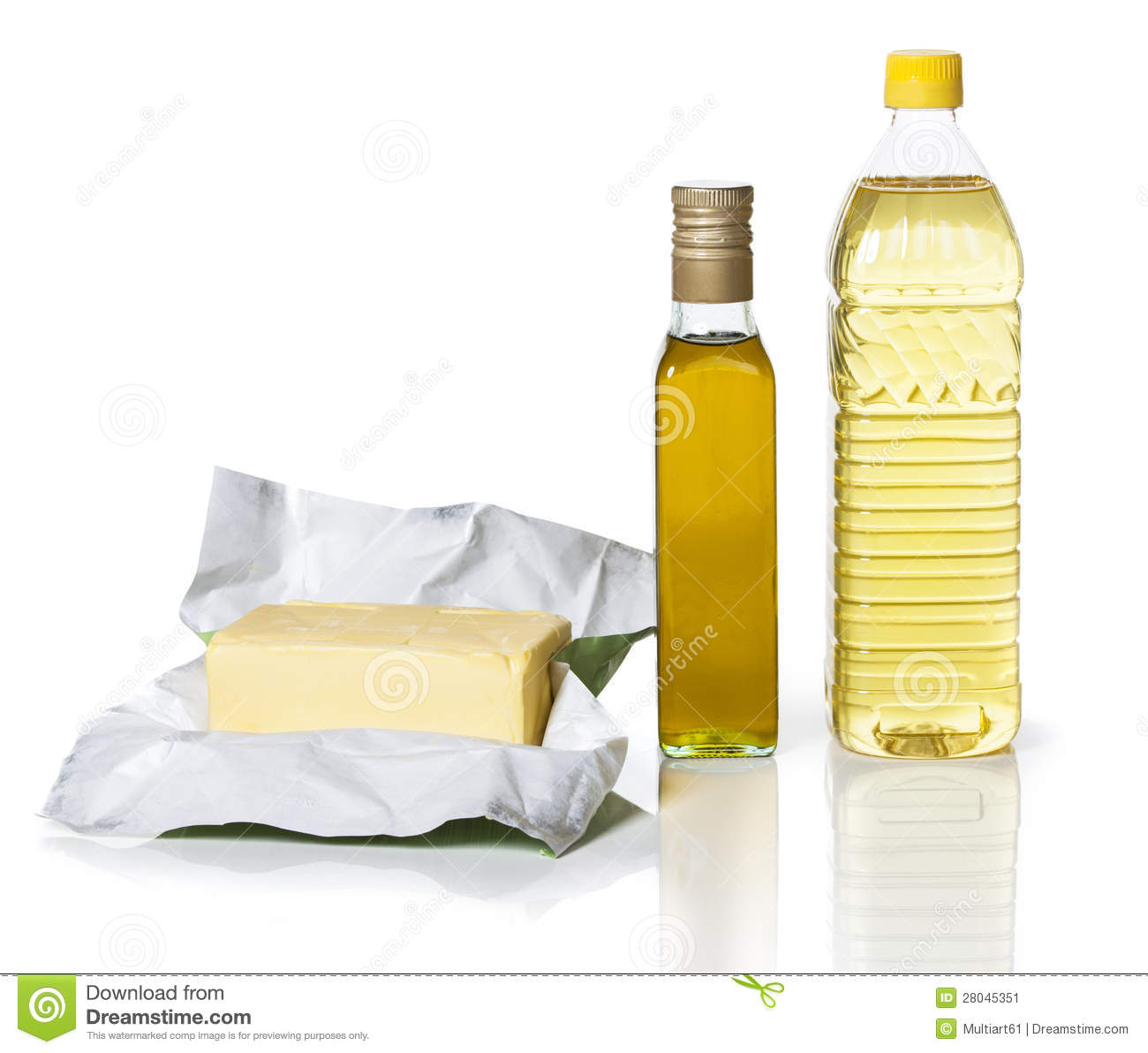
Which of the following contains the most lipid?

a)
b)
c)
d)
14.

Below are the four biomolecules, EXCEPT:

a)

Protein

b)

Lard

c)

Carbohydrates

d)

Nucleic Acid

15.

What type of biomolecule contains carbon, hydrogen, oxygen, and nitrogen?

a)

carbohydrate

b)

lipid

c)

nucleic acid

d)

protein

16.

The biomolecule that holds an organism's genetic information is called ___________.

a)

carbohydrate

b)

lipid

c)

nucleic acid

d)

protein

17.

Which of the following is the correct pair of biomolecules and their monomers?

a)

Carbohydrate: Fatty Acids

b)

Protein: Amino acid

c)

Lipid: Nucleotide

d)

Nucleic Acid: DNA

18.

The following statements are TRUE regarding lipids, EXCEPT:

a)

they store energy for later use

b)

they are insoluble in water

c)

they are composed of carbon, hydrogen, oxygen and phosphorus

d)

they can be found in fats and oils

19.

Which of the following is a monosaccharide?

a)

Chitin

b)

Sucrose

c)

Starch

d)

Glucose

20.

Cholesterol is a/an...

a)

carbohydrate

b)

lipid

c)

protein

d)

nucleic acid

21.

Enzyme is a/an...

a)

carbohydrate

b)

lipid

c)

protein

d)

nucleic acid

22.

Which of the following transfers the genetic information for the creation of proteins

from the nucleus to the ribosomes?

a)

DNA

b)

RNA

c)

nucleotide

d)

enzyme

23.

What biomolecule serves as structural materials in hair, nails and connective tissues?

a)

protein

b)

lipid

c)

carbohydrate

d)

nucleic acid

24.

Monosaccharides are the building blocks of which group of biomolecules?

a)

protein

b)

lipid

c)

carbohydrate

d)

nucleic acid

25.

The sugar in RNA is _____________while the sugar in DNA is ________.

a)

deoxyribose, ribose

b)

ribose, deoxyribose

c)

c. ribose, phosphate

d)

ribose, uracil

26.

Which of the following sugars are the components of lactose?

a)

glucose & galactose

b)

fructose and galactose

c)

glucose and glucose

d)

glucose & fructose

27.

Which of the following elements is present in Nucleic acid but not in other biomolecules?

a)

Carbon

b)

Phosphorus

c)

Nitrogen

d)

Hydrogen

28.

What is the function of carbohydrates?

a)

provides quick energy

b)

stores energy

c)

helps with growth and repair of tissues

d)

stores genetic information

29.
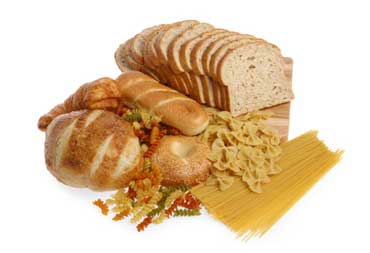
Which biomolecule contains pastas and breads?
a)
Lipid
b)
Protein
c)
Nucleic Acid
d)
Carbohydrate
30.
Which biomolecule is made of nucleotides and contain you DNA?
a)
Carbohydrate
b)
Lipids
c)
Protein
d)
Nucleic Acid
31.
Which biomolecule helps form muscles?
a)
Nucleic Acid
b)
Carbohydrate
c)
Protein
d)
Lipids
32.
Which biomolecule is responsible for insulation and energy storage?
a)
Protein
b)
Nucleic Acid
c)
Lipid
d)
Carbohydrate
33.
Which biomolecule has sugars and starches?
a)
Lipids
b)
Proteins
c)
Carbohydrates
d)
Nucleic Acid
34.
Which biomolecule is made of amino acids?
a)
Nucleic Acid
b)
Carbohydrate
c)
Protein
d)
Lipid
35.
Which biomolecule is your main source of energy?
a)
Nucleic Acid
b)
Protein
c)
Lipid
d)
Carbohydrate
36.
Which biomolecule contains fats, oils, and waxes?
a)
Proteins
b)
Nucleic Acid
c)
Lipids
d)
Carbohydrate
37.
What do monomers do?
a)
Bonds to make a Polymer
b)
Creates Protiens
c)
Stores energy
d)
Splits to make more cells
38.
four most common elements that make up all living things are carbon, hydrogen,
a)
nitrogen, and iron.
b)
oxygen, and nitrogen.
c)
calcium, and phosphorus.
d)
oxygen, and iron.
39.
The monomer of a protein is called...
a)
an amino acid
b)
a monosaccharide
c)
a fatty acid
d)
a nucleotide
40.
Building blocks of polymers.
a)
monomer
b)
polypeptide
c)
monosaccharide
d)
glycerol
41.
Which biomolecule is a main source of quick energy?
a)
Nucleic Acid
b)
Protein
c)
Lipid
d)
Carbohydrate
42.
Which biomolecule is found in fats, oils, and waxes and is a source of long-term energy
a)
Proteins
b)
Nucleic Acid
c)
Lipids
d)
Carbohydrate
43.
What is the function of a nucleic acid?
a)
Stores genetic information
b)
Stores energy
c)
Quick source of energy
d)
Builds structures
44.
Carbon, Hydrogen, Oxygen and Nitrogen are elements in what biomolecule?
a)
Carbohydrate
b)
Lipid
c)
Protein
d)
Nucleic acid
45.

Which biomolecule is made of nucleotides and contains your DNA?

a)

Carbohydrate

b)

Lipids

c)

Protein

d)

Nucleic Acid

46.
What elements are common to all 4 biomolecules?
a)
Carbon, hydrogen, nitrogen
b)
Carbon, Nitrogen, Phosphorus
c)
Carbon, Hydrogen, Oxygen
d)
Carbon, Hydrogen, Phosphorus
47.

Which biomolecule makes up cell membranes?

a)

Protein

b)

Carbohydrate

c)

Lipid

d)

Nucleic acid

48.
Which biomolecule is made of amino acids?
a)
Nucleic Acid
b)
Carbohydrate
c)
Protein
d)
Lipid
49.
Which biomolecule contains pastas and breads?
a)
Lipid
b)
Protein
c)
Nucleic Acid
d)
Carbohydrate
50.
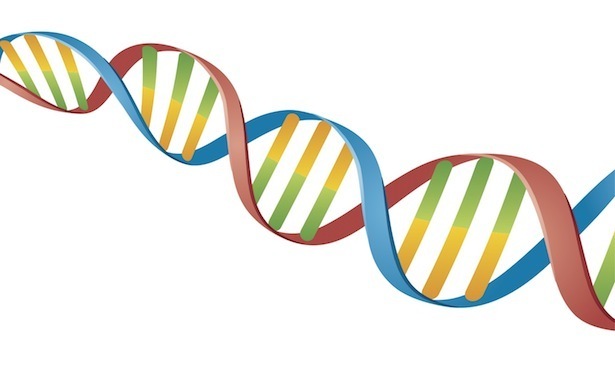
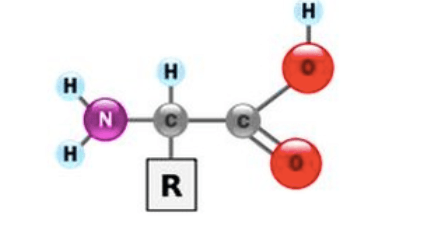
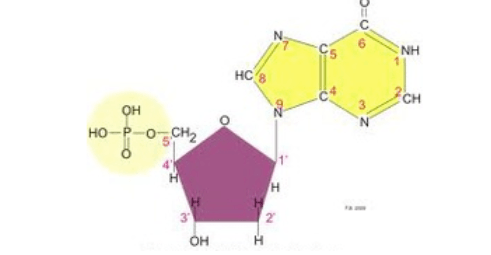
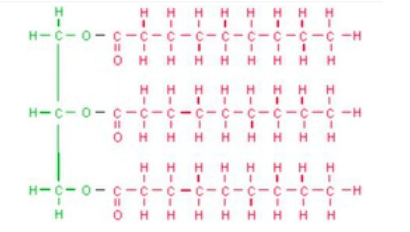
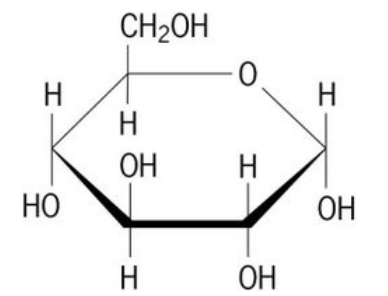
Which biomolecule is this a picture of?
a)
Protein
b)
Nucleic Acid
c)
Lipid
d)
Carbohydrate
51.
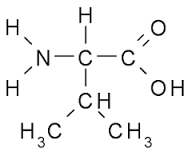
Which biomolecule is this a picture of?
a)
Protein
b)
Nucleic Acid
c)
Lipid
d)
Carbohydrate
52.
Which biomolecule is this a picture of?
a)
Protein
b)
Nucleic Acid
c)
Lipid
d)
Carbohydrate
53.
Which biomolecule contains fats, oils, and waxes?
a)
Proteins
b)
Nucleic Acid
c)
Lipids
d)
Carbohydrate
54.
Which biomolecule is this a picture of?
a)
Protein
b)
Nucleic Acid
c)
Lipid
d)
Carbohydrate
55.
Which biomolecule is this a picture of?
a)
Protein
b)
Nucleic Acid
c)
Lipid
d)
Carbohydrate
56.
Which biomolecule is also known as enzymes?
a)
Carbohydrate
b)
Lipid
c)
Nucleic Acid
d)
Protein
57.
Which biomolecule is made of nucleotides and contain you DNA?
a)
Carbohydrate
b)
Lipids
c)
Protein
d)
Nucleic Acid
58.

Which biomolecule helps form muscles?

a)

Nucleic Acid

b)

Carbohydrate

c)

Protein

d)

Lipids

59.
Which biomolecule is responsible for insulation and energy storage?
a)
Protein
b)
Nucleic Acid
c)
Lipid
d)
Carbohydrate
60.
Which biomolecule contain your genetics?
a)
Carbohydrate
b)
Lipid
c)
Nucleic Acid
d)
Protein
61.
Which biomolecule is your main source of energy?
a)
Nucleic Acid
b)
Protein
c)
Lipid
d)
Carbohydrate
62.
Which biomolecule contains Deoxyribonucleic acid; a sequence of bases that makes hereditary code; Ribonucleic acid; ­translate hereditary code into proteins that determine how the cell will function under various conditions; provides storage and retrieval of information­; encode genes, gene expression, helps make proteins 
a)
Nucleic Acid
b)
Lipid
c)
Carbohydrate
d)
Protein
63.
What do monomers do?
a)
Bonds to make a Polymer
b)
Creates Protiens
c)
Stores energy
d)
Splits to make more cells
64.
Which is a Carbohydrate's monomer?
a)
Sugar
b)
Amino acids
c)
Monosacharide
d)
Nucleotide
65.
Which biomolecule does the subunit amino acids belong to?
a)
Lipids
b)
Proteins
c)
Carbs
d)
Nucleic Acids
66.
What elements are common to all 4 biomolecules?
a)
Carbon, hydrogen, nitrogen
b)
Carbon, Nitrogen, Phosphorus
c)
Carbon, Hydrogen, Oxygen
d)
Carbon, Hydrogen, Phosphorus
67.
Which biomolecule is made of nucleotides and contain you DNA?
a)
Carbohydrate
b)
Lipids
c)
Protein
d)
Nucleic Acid
68.
One of the building blocks of lipids, the triglyceride, is composed of
a)
3 Fatty Acids and 3 Glycerol
b)
1 Fatty Acid and 3 Glycerol
c)
3 Fatty Acids and 1 Glycerol
d)
1 Fatty Acid and 3 Glycerol
69.
Which biomolecule is this a picture of?
a)
Protein
b)
Nucleic Acid
c)
Lipid
d)
Carbohydrate
70.
Which biomolecule is this a picture of?
a)
Protein
b)
Nucleic Acid
c)
Lipid
d)
Carbohydrate
71.
Which biomolecule is this a picture of?
a)
Protein
b)
Nucleic Acid
c)
Lipid
d)
Carbohydrate
72.

Which biomolecule is also known as enzymes?

a)

Carbohydrate

b)

Lipid

c)

Nucleic Acid

d)

Protein

73.

Which biomolecule is made of nucleotides and contain your DNA?

a)

Carbohydrate

b)

Lipids

c)

Protein

d)

Nucleic Acid

74.

Which biomolecule helps form muscles?

a)

Nucleic Acid

b)

Carbohydrate

c)

Protein

d)

Lipids

75.

Which biomolecule is responsible for insulation and energy storage?

a)

Protein

b)

Nucleic Acid

c)

Lipid

d)

Carbohydrate

76.

Which biomolecule has sugars and starches?

a)

Lipids

b)

Proteins

c)

Carbohydrates

d)

Nucleic Acid

77.

Which biomolecule contains your genetics?

a)

Carbohydrate

b)

Lipid

c)

Nucleic Acid

d)

Protein

78.

Which biomolecule is made of amino acids?

a)

Nucleic Acid

b)

Carbohydrate

c)

Protein

d)

Lipid

79.

Which biomolecule is your main source of energy?

a)

Nucleic Acid

b)

Protein

c)

Lipid

d)

Carbohydrate

80.

Which biomolecule contains fats, oils, and waxes?

a)

Proteins

b)

Nucleic Acid

c)

Lipids

d)

Carbohydrate

81.

Building blocks of polymers.

a)

monomer

b)

polypeptide

c)

monosaccharide

d)

glycerol

82.
Which biomolecule is also known as enzymes?
a)
Carbohydrate
b)
Lipid
c)
Nucleic Acid
d)
Protein
83.
Which biomolecule is made of nucleotides and contain you DNA?
a)
Carbohydrate
b)
Lipids
c)
Protein
d)
Nucleic Acid
84.
Which biomolecule is responsible for insulation and energy storage?
a)
Protein
b)
Nucleic Acid
c)
Lipid
d)
Carbohydrate
85.
Which biomolecule helps form muscles?
a)
Nucleic Acid
b)
Carbohydrate
c)
Protein
d)
Lipids
86.
Which biomolecule has sugars and starches?
a)
Lipids
b)
Proteins
c)
Carbohydrates
d)
Nucleic Acid
87.
Which biomolecule contain your genetics?
a)
Carbohydrate
b)
Lipid
c)
Nucleic Acid
d)
Protein
88.
Which biomolecule is made of amino acids?
a)
Nucleic Acid
b)
Carbohydrate
c)
Protein
d)
Lipid
89.
Which biomolecule contains fats, oils, and waxes?
a)
Proteins
b)
Nucleic Acid
c)
Lipids
d)
Carbohydrate
90.
Which of the following is not a carbon compound?
a)
Carbohydrates
b)
Lipids
c)
Nucleic Acids
d)
Vitamins
91.
Which of the following is NOT a biomolecule?
a)
Water
b)
Nucleic Acid
c)
Protein
d)
Lipid
92.
Which biomolecule is a main source of quick energy?
a)
Nucleic Acid
b)
Protein
c)
Lipid
d)
Carbohydrate
93.
Which biomolecule is found in pasta and bread?
a)
Lipid
b)
Protein
c)
Nucleic Acid
d)
Carbohydrate
94.

What is a biomolecule?

a)

The dissolved particle in a solution

b)

One of the by-products of respiration

c)

Large molecule that is present in living organisms

d)

None of the above

95.

Which of the following are biomolecules?

a)

RNA, DNA, proteins, lipids

b)

Proteins, lipids, carbohydrates, polymers

c)

Nucleic acid, lipids, carbohydrates, monomers

d)

Proteins, lipids, carbohydrates, nucleic acids

96.

The function of the nucleic acid is --

a)

to store and transmit genetic information inherited from your parents

b)

to maintain our body temperature

c)

to build up muscles bones and other body parts

d)

to regulate sugar in your blood and give your cells energy

97.

What are lipids?

a)

Polymers made of amino acids

b)

Monomers that store and transfer genetic information

c)

Fatty acids not generally soluble in water

d)

Complex carbohydrates like starch

98.

Which of the following is a characteristic of carbohydrates?

a)

Provides structure for cells

b)

Provides energy for all cellular activities

c)

Contain complex carbohydrates known as starches

d)

All of the above

99.

Which of the following is a characteristic of protein?

a)

Made up of amino acids and regulate cellular processes

b)

Fats, oils, and waxes

c)

Complex carbohydrates known as starches

d)

DNA and RNA

100.

Which biomolecule makes up cell membranes?

a)

Protein

b)

Carbohydrate

c)

Lipid

d)

Nucleic acid

101.

Which biomolecule is helpful for long term energy storage?

a)

Nucleic acid

b)

Protein

c)

Carbohydrate

d)

Lipid

102.

Which biomolecule is useful for a fast source of energy?

a)

Lipid

b)

Nucleic acid

c)

Protein

d)

Carbohydrate

103.

Which biomolecule is important for insulation?

a)

Lipid

b)

Proteins

c)

Carbohydrates

d)

Nucleic acid

104.

What is the monomer for proteins?

a)

Amino acid

b)

Nucleotide

c)

Fatty acid

d)

Monosaccharide

105.

Which monomer makes up nucleic acids?

a)

Amino acid

b)

Nucleotide

c)

Fatty acid

d)

Monosaccharide

106.

What is the monomer for carbohydrates?

a)

Amino acid

b)

Nucleotide

c)

Fatty acid

d)

Monosaccharide

107.

Which monomer makes up lipids?

a)

Amino acid

b)

Nucleotide

c)

Fatty acid

d)

Monosaccharide

108.

Which two biomolecules are made up only of carbon, hydrogen, and oxygen?

a)

Protein and Nucleic Acid

b)

Protein and Lipid

c)

Carbohydrate and Lipid

d)

Carbohydrate and Nucleic Acid

109.

Carbon, hydrogen, oxygen, nitrogen, and phosphorous make up which biomolecule?

a)

Protein

b)

Carbohydrates

c)

Lipids

d)

Nucleic acid

110.

Which biomolecule contains carbon, hydrogen, oxygen, and nitrogen?

a)

Carbohydrate

b)

Lipid

c)

Protein

d)

Nucleic acid

111.

Which contains carbon, hydrogen, oxygen and has a ring-like structure?

a)

Nucleic acid

b)

Carbohydrates

c)

Proteins

d)

Lipids

112.

Which of the following is a term that refers to the building blocks of all cells?

a)

Macromolecules

b)

Micromolecules

c)

Molecules

d)

DNA

113.
Which biomolecule contains pastas and breads?
a)
Lipid
b)
Protein
c)
Nucleic Acid
d)
Carbohydrate
114.

A monomer is

a)

a type of covalent bond in organic molecules

b)

a neurotransmitter in the brain

c)

a building block of organic molecule

d)

a type of amino acid

115.

A monomer is

a)

a type of covalent bond in organic molecules

b)

a neurotransmitter in the brain

c)

a building block of organic molecule

d)

a type of amino acid

116.

The small repeating units that make up proteins are called

a)

fatty acids

b)

amino acids

c)

monosaccharides

d)

nucleotides

117.

A biomolecule compose of carbon, hydrogen, oxygen and nitrogen

a)

Carbohydrate

b)

Lipid

c)

Protein

d)

Nucleic acid

118.

Fats and oils are composed of what two groups of molecules?

a)

Glucose and fructose

b)

Fatty acids and glycerol

c)

Starch and sugar

d)

Water and cellulose

119.

Which of the following elements is not present in carbohydrates?

a)

Carbon

b)

Hydrogen

c)

Nitrogen

d)

Oxygen

120.

What is the most common monosaccharide?

a)

cellulose

b)

triglycerides

c)

starches

d)

glucose

121.

Triglycerides are:

a)

a class of proteins

b)

a class of lipids

c)

a specific type of carbohydrate

d)

none of the above

122.

What are long chains of sugars called?

a)

amino acids

b)

disaccharides

c)

monosaccharides

d)

polysaccharides

123.

A nutrient or biomolecule in food that helps build muscle.

(a)  

124.

Nutrients in food that provide energy.

(a)  

125.

Glucose is a ___________________________

a)

lipid

b)

protein

c)

monosaccharide

d)

starch

126.

One function of carbohydrates is to _________________________

a)

maintain blood flow

b)

store and transport genetic material

c)

catalyze chemical reactions

d)

provide structural framework of cell walls

127.

Which biomolecule is responsible for insulation and energy storage?

a)

protein

b)

lipid

c)

nucleic acid

d)

carbohydrate

128.

The following information are most likely found in nutrition facts except:

a)

calories per serving

b)

population group of consumer

c)

percent saturated fat

d)

serving size

129.

Beans and green leafy vegetables are also good source of _________________

a)

carbohydrates

b)

lipids

c)

proteins

d)

nucleic acids

130.
What is a biomolecule?
a)
A carbon-based molecule made by living things.
b)
A nitrogen-based molecule made by living things.
c)
A molecule made in photosynthesis
d)
A molecule found in DNA
131.
What two biomolecules are used for energy?
a)
Carbohydrates and Lipids
b)
Nucleic Acids and Protiens
c)
Lipids and Proteins
d)
Proteins and Carbohydrates
132.
An enzyme is what type of biomolecule?
a)
Carbohydrate
b)
Lipid
c)
Protein
d)
Nucleic Acid
133.
Which of the following is a monomer of  carbohydrates?
a)
Starch
b)
Sucrose
c)
Fructose
d)
Glucose
134.
What is dehydration synthesis/condensation reactions?
a)
chemical reaction in which water is released to join monomers together
b)
chemical reaction in which water is used to bring two monomers together
c)
the automatic reaction used to split one molecule into two parts.
d)
a process that helps create biomolecules
135.
What is the function of a protein?
a)
long-term energy storage
b)
store and transfer genetic information
c)
structure and support
d)
quick, fast energy
136.
What is the function of a nucleic acid?
a)
structure and support
b)
quick, fast energy
c)
long-term energy storage
d)
store and transfer genetic information
137.
What is the function of a lipid?
a)
structure and support
b)
store and transfer genetic information
c)
quick, fast energy
d)
long-term energy storage
138.
What is the function of carbohydrates?
a)
quick, fast energy
b)
structure and support
c)
store and transfer genetic information
d)
long-term energy storage
139.
What are the four biomolecules
a)
Carbohydrates, lipids, proteins, and nucleic acids.
b)
Carbohydrates, amino acids, proteins, and lipids.
c)
Glucose, amino acids, proteins, and lipids.
d)
Nucleic acids, amino acids, carbohydrates, and proteins.