
Font size
 Worksheets
Unit R014 - Engineering Manufacture - Topic Area 3 - Retrieval B
Total questions: 19
Worksheet time: 16mins
Scales of Manufacture & Production Methods
Match the product to the most likely production scale

One off

Batch

Mass

Scales of Manufacture & Production Methods
This shows the automated blow moulding process for making bottles. What is the problem with changing the bottle design?
Expensive redesign of tool moulds.
Down time of production line to accommodate install of new moulds/tooling
Moulds cannot be removed and replaced.
Scales of Manufacture & Production Methods
One off production is.......
Producing a custom product that is highly specialised and tailored to suit the needs of one end user.
Products where they sell badly and are removed from sale after a short time.
Products that are manufactured continually with high levels of automation.
Trying something once then not doing it again.
Scales of Manufacture & Production Methods
Mass production is.......
Producing a custom product that is highly specialised and tailored to suit the needs of one end user.
Products where they have a heavy total weight.
Products that are manufactured often continually, with significant automation.
Trying something once then not doing it again.
Scales of Manufacture & Production Methods
When manufacturing jig's are often used. Why?
Increase in output and productivity.
Reduction in setting up and cycle times.
Inspection and quality control expenses should reduce.
Jigs eliminate all chances of error.
Scales of Manufacture & Production Methods
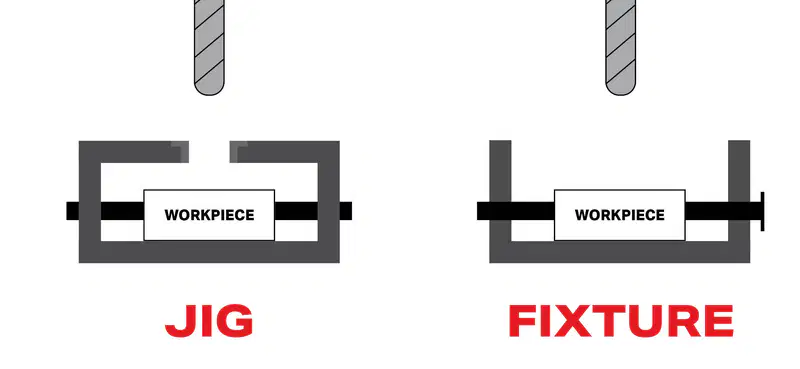
Often engineers will use the phrase "Jig" and "fixture" when explaining the same piece of equipment however they are different. Which statement best explains a FIXTURE.
A fixture will hold and secure the work piece ready for manufacturing operations.
A fixture will hold the workpiece secure and guide the tooling for manufacture.
A fixture is a way of planning upcoming events or activities
Scales of Manufacture & Production Methods
An engineering company who make heavily customised products want to use a JIG moving forward for drilling holes in their products. Would you recommend?
Yes. The JIG will speed up production significantly and allow the holes to be drilled identically each time.
No. The JIG will lack the flexibility required to change the location of the holes on the products depending on the customer requirements.
Scales of Manufacture & Production Methods
An engineering company who make heavily customised products want to use a JIG moving forward for drilling holes in their products. Would you recommend?
Yes. The JIG will speed up production significantly and allow the holes to be drilled identically each time.
No. The JIG will lack the flexibility required to change the location of the holes on the products depending on the customer requirements.
Scale of Manufacture & Production Scales
Jigs and fixtures come with negatives too. They require regular (a) . Often the JIG or fixture will need to be robust and (b) to hold the component securely, this can mean they are (c) . Jigs and fixtures are usually highly machined in the first instance to achieve the required tolerances and quality and ultimately they have a (d) initial cost.
Scale of Manufacture & Production Scales
Automation is......
The use of machinery, equipment and robotics to compliment and/or replace human labour.
Using a lathe to manufacture.
Using video conferencing.
The use of JIT and computers for stock management.
Scale of Manufacture & Production Scales
Fully automated production is.........
Production where the product is made using robotic control or the use of computer controlled machinery.
Production where voice recognition is used to control the machinery.
Production with the use electric power tools.
Scale of Manufacture & Production Scales
CAM is an acronym for?
Cost Appropriate Machining
Computer Aided Manufacture
Computer Assisted Movement
Coordinated Analytics Measuring
Scale of Manufacture & Production Scales
Select the list of processes which would usually have a CAM variation.
Lathe
Laser Cutter
Milling Machine
Punch
Press Brake
Hammer
File
Scribe
Engineers Rule
Scale of Manufacture & Production Scales
Match the abbreviation to the full name.
Computer Numerical Control
CNC
Computer Aided Manufacture
CAM
Computer Aided Design
CAD
Computer Integrated Manufacture
CiM

Scale of Manufacture & Production Scales
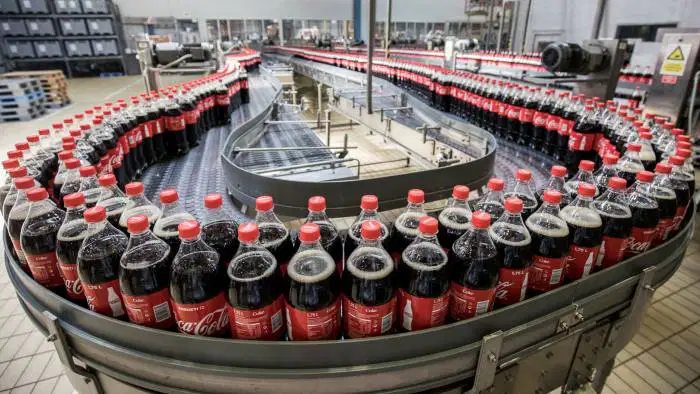
What level of automation would this be?
Manual Control
The use of CAM
Fully Automated Production
Scale of Manufacture & Production Scales
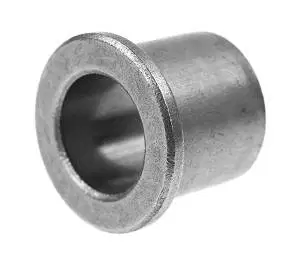
This image shows a specalised, custom spacer. Which machine/process would you suggest the manufacturer use?
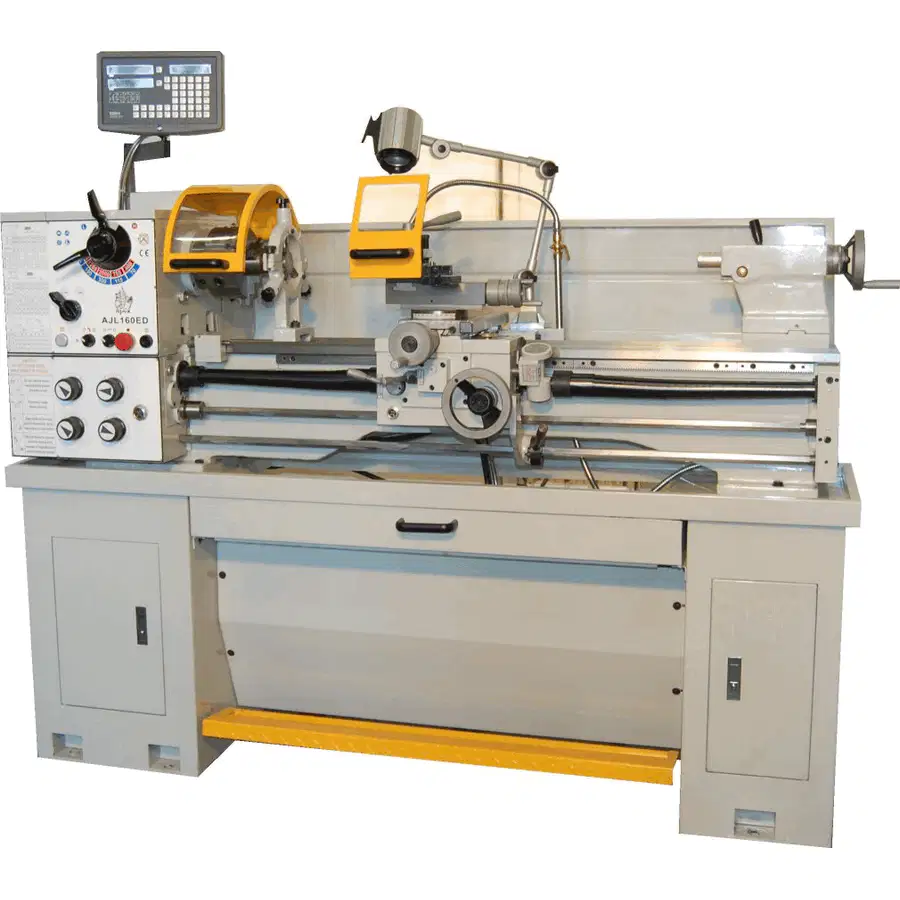
Manual Lathe
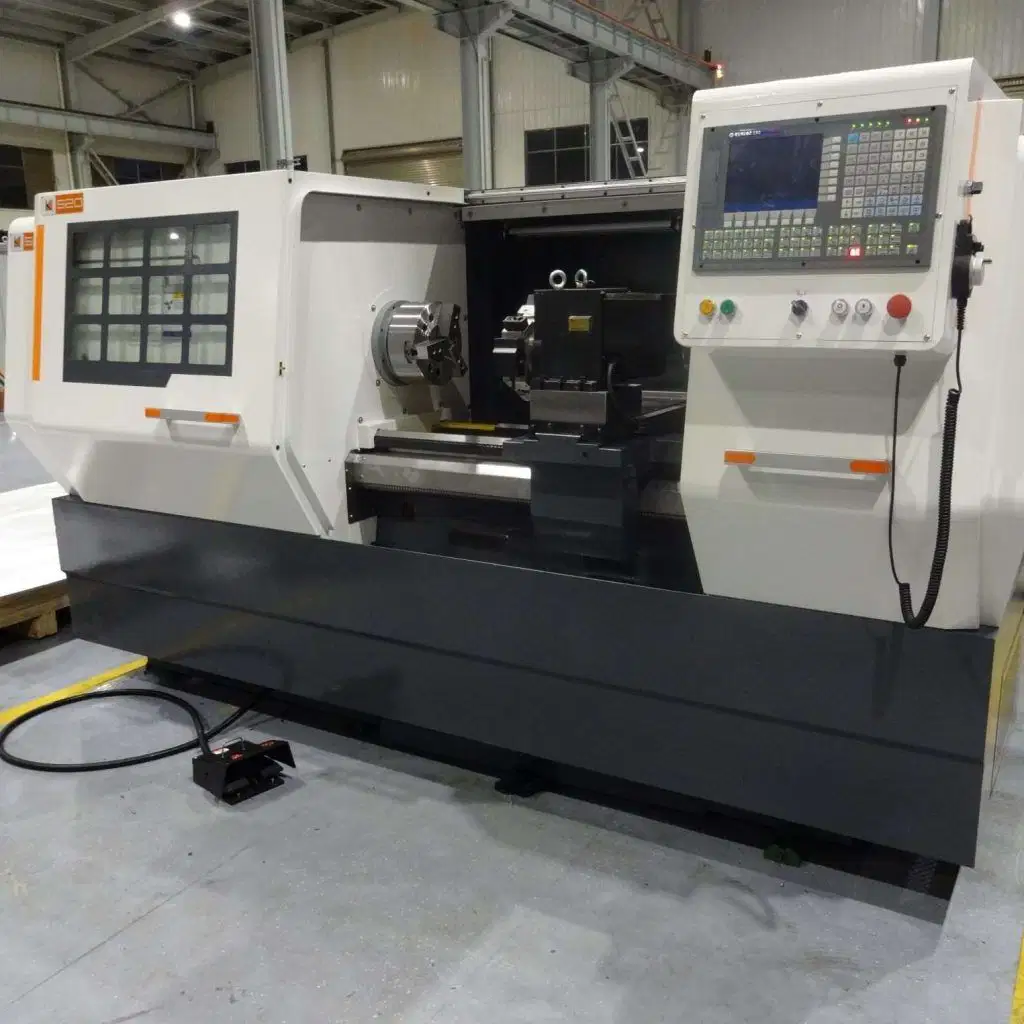
CNC Lathe

Die Casting
Scale of Manufacture & Production Scales
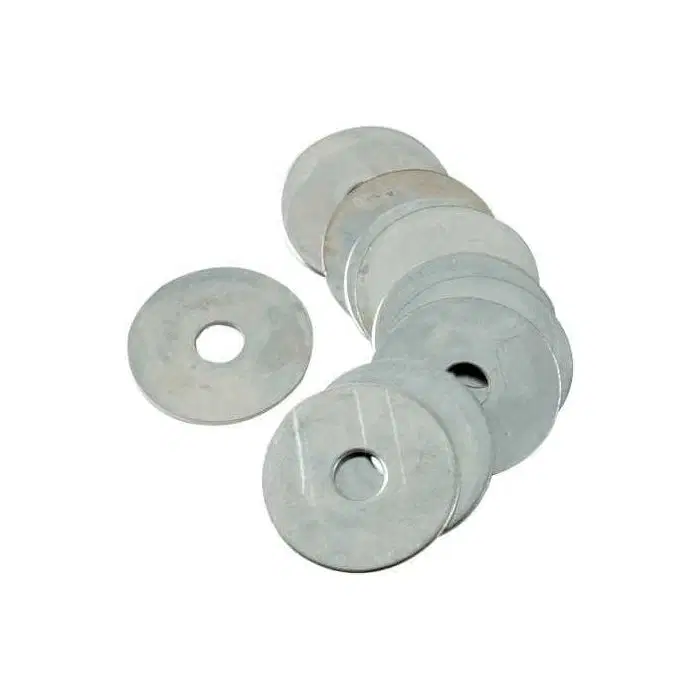
A company manufacture standard components in mass such as these washers. What machine/process would you recommend?

Hand Tools

CNC/CAM Punch
Automated Production Line
Scale of Manufacture & Production Scales
The use of CAM and robotics brings many pro's. (a) of products should be greatly improved and there should be a (b) in defects. (c) products can be manufactured with ease and there will be a greater rate of (d) . CAM and robotics are able to work in (e) environments, preventing injuries to the workforce.
Scale of Manufacture & Production Scales
The use of CAM and Robotics can bring some con's. The equipment will have a (a) initial capital outlay. There may be a negative influence on (b) opportunities. Some customers may feel that the (c) of the product will fall. Core and fundamental (d) skills may be lost.

