
 Worksheets
Biotribology and Friction related diseases
Total questions: 19
Worksheet time: 10mins
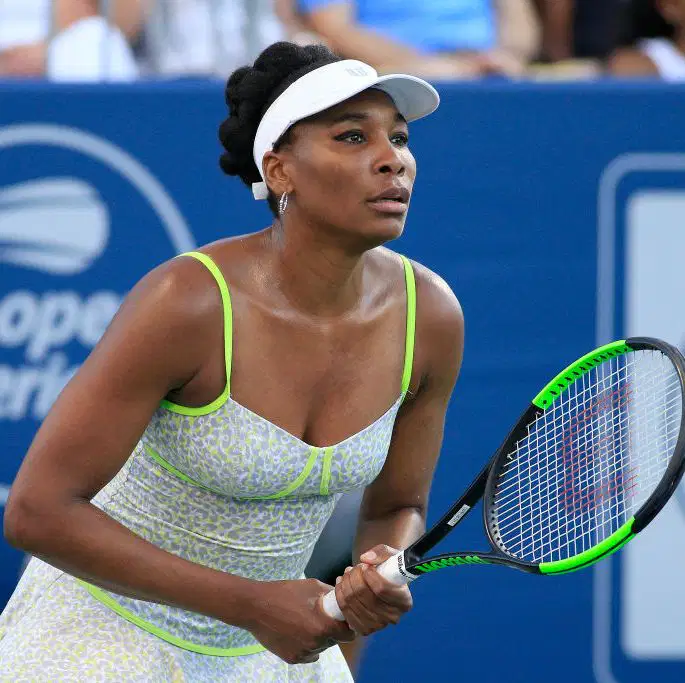
Venus Williams dropped out of 2011 US open because of
Venus Williams abandonó el US open de 2011 debido a
Sjögren’s syndrome (Síndrome de Sjögren)
Rheumatoid Arthritis (Artritis reumatoide)
Tuberculosis
Under given conditions if the coefficient of friction increases then the friction force is.
En unas condiciones dadas si el coeficiente de fricción aumenta entonces la fuerza de fricción es.
Increasing (Aumenta)
Decreasing (Disminuye)
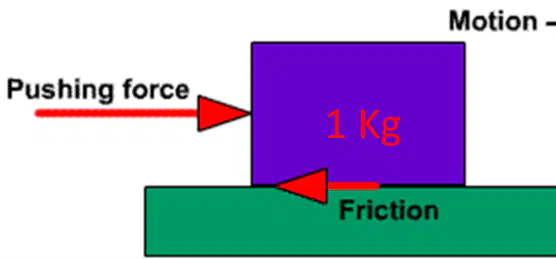
In the picture above if the pushing force is 500g then the coefficient of friction is.
En la imagen anterior, si la fuerza de empuje es de 500 g, el coeficiente de fricción es.
0.005
0.05
0.5
5
The Stribeck number increases with.
El número de Stribeck aumenta con.
Increasing sliding speed
El aumento de la velocidad de deslizamiento
Increasing contact pressure
Aumento de la presión de contacto
Decreasing viscosity
Al disminuir la viscosidad
Hydrodynamic lubrication takes place at
La lubricación hidrodinámica tiene lugar en
Low viscosities
Viscosidades bajas
High contact pressures
Altas presiones de contacto
Thick fluid film formation
Formación de películas de fluido gruesas
All of the above
Todas las anteriores
If the fluid film is 10µm thick and the surface roughness is 9 µm, then we expect.
Si la película de fluido tiene un espesor de 10 µm y la rugosidad de la superficie es de 9 µm, entonces esperamos.
Hydrodynamic lubrication
Lubricación hidrodinámica
Elastohydrodynamic lubrication
Lubricación elastohidrodinámica
Mixed lubrication
Lubricación mixta
Boundary lubrication
Lubricación límite
If the fluid film is 50µm thick and the surface roughness is 10 µm, then we expect.
Si la película de fluido tiene un espesor de 50 µm y la rugosidad de la superficie es de 10 µm, entonces esperamos.
Hydrodynamic lubrication
Lubricación hidrodinámica
Elastohydrodynamic lubrication
Lubricación elastohidrodinámica
Mixed lubrication
Lubricación mixta
Boundary lubrication
Lubricación límite
Essential requirement for Elastohydrodynamic lubrication is.
Requisito esencial para la lubricación elastohidrodinámica es.
Very thick fluid film
Película de fluido muy gruesa
Adsorbed conditioning film
Película acondicionadora adsorbida
The sliding surface needs to deform
La superficie de deslizamiento necesita deformarse
Hyaluronic acid is used by nature for lubricating the
El ácido hialurónico es utilizado por la naturaleza para lubricar el
Eyes
Ojos
Mouth
Boca
Joints
Articulaciones
Which of the following molecules are important for ocular lubrication
Cuál de las siguientes moléculas es importante para la lubricación ocular
Mucins
Mucinas
Mucins, PRG4 and lipids
Mucinas, lípidos y PRG4
PRG4, lipids and hyaluronic acid
PRG4, lípidos y ácido hialurónico
Which of the following molecules are important for joint lubrication
¿Cuál de las siguientes moléculas es importante para la lubricación de las articulaciones?
Mucins
Mucinas
Mucins and lipids
Mucinas y lípidos
PRG4, lipids and hyaluronic acid
PRG4, lípidos y ácido hialurónico
Besides the synovial fluid, healthy cartilage tissue is also essential for joint lubrication. What is not true about cartilage?
Además del líquido sinovial, el tejido cartilaginoso sano también es esencial para la lubricación de las articulaciones. ¿Qué no es cierto sobre el cartílago?
Cartilage is composed of collagen type II and GAGs (proteoglycans)
El cartílago está compuesto por colágeno tipo II y glicosaminoglicanos (proteoglicanos).
Cartilage is porous in nature and releases water when compressed
El cartílago es de naturaleza porosa y libera agua cuando se comprime
Released water hold the interfacial load giving rise to low friction
El agua liberada mantiene la carga interfacial dando lugar a una baja fricción
Water gets continuously released and low friction continues.
El agua se libera continuamente y continúa la baja fricción.
When cartilage is continuously compressed at high loads, the load applied is supported both by the water released and the solid parts of cartilage structure. What is true…
Cuando el cartílago se comprime continuamente con cargas elevadas, la carga aplicada es soportada tanto por el agua liberada como por las partes sólidas de la estructura del cartílago. Lo que es cierto...
As time passes, more and more load is supported by the released water
A medida que pasa el tiempo, el agua liberada soporta cada vez más carga.
As time passes, the coefficient of friction decreases
A medida que pasa el tiempo, el coeficiente de fricción disminuye
Coefficient of friction is inversely proportional to the amount of load supported by released water
El coeficiente de fricción es inversamente proporcional a la cantidad de carga soportada por el agua liberada
Boundary lubrication takes over when the cartilage slides at low loads. What is true during this phase?
La lubricación limítrofe toma el relevo cuando el cartílago se desliza con cargas bajas. ¿Qué ocurre durante esta fase?
Mucins help lower the COF
Las mucinas ayudan a reducir el COF
Hyaluronic acid helps lower the COF
El ácido hialurónico ayuda a disminuir el COF
PRG4 and lipids helps lower the COF
La PRG4 y los lípidos ayudan a disminuir el COF
What is not true about Mucins (MUC 5B and MUC5AC) and PRG4
¿Qué no es cierto sobre las mucinas (MUC 5B y MUC5AC) y PRG4?
Both are glycoproteins
Ambas son glicoproteínas
Both have a heavily glycosylated region, which holds on to water
Ambas tienen una región fuertemente glicosilada, que retiene el agua
They can both adsorb on surfaces
Ambas pueden adsorberse en superficies
Both are present in the cartilage
Ambos están presentes en el cartílago
The ocular surface contains
La superficie ocular contiene
Epithelium expressed mucins (MUC 1, 4, 16)
Mucinas expresadas por el epitelio (MUC 1, 4, 16)
Epithelium expressed PRG4
PRG4 expresada por el epitelio
Goblet cells which release MUC 5AC a gel forming mucin
Células caliciformes que liberan MUC 5AC, una mucina gelificante
All of the options
Todas las opciones
What is true about the lubrication of eyelid-cornea during blinking?
¿Qué hay de cierto en la lubricación párpado-córnea durante el parpadeo?
At the start and stop of the blinking process epithelium bound mucins give rise of low COF through boundary lubrication
Al inicio y al final del proceso de parpadeo, las mucinas unidas al epitelio dan lugar a un COF bajo a través de la lubricación de los bordes.
During the high speed phase of the blink, elastohydrodynamic lubrication keeps a low COF
Durante la fase de alta velocidad del parpadeo, la lubricación elastohidrodinámica mantiene un COF bajo
In dry eye condition boundary lubrication disappears due to mucin shedding and COF due to elastohydrodynamic lubrication also increases due to increase in tear fluid viscosity
En el ojo seco, la lubricación de frontera desaparece debido al desprendimiento de mucina y el COF debido a la lubricación elastohidrodinámica también aumenta debido al aumento de la viscosidad del líquido lagrimal.
All of the options
Todas las opciones
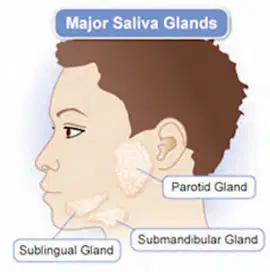
Saliva is secreted by many different glands. What is not true about saliva secreted by the parotid gland?
La saliva es segregada por muchas glándulas diferentes. ¿Qué no es cierto sobre la saliva secretada por la glándula parótida?
Thin and watery
Es fina y acuosa
Is secreted upon stimulation
Se segrega por estimulación
Contains a lot of mucins (MUC 5B)
Contiene muchas mucinas (MUC 5B)
All the options
Todas las opciones
Saliva is secreted by many different glands. What is not true about saliva secreted by the sublingual and submandibular glands?
La saliva es segregada por muchas glándulas diferentes. ¿Qué no es cierto sobre la saliva secretada por las glándulas sublingual y submandibular?
Is thick and very viscous
Es espesa y muy viscosa
Is secreted upon stimulation
Se segrega por estimulación
Contains a lot of mucins (MUC 5B)
Contiene muchas mucinas (MUC 5B)
All the options
Todas las opciones

