
 Worksheets
SUMMER TERM HOME ECONOMICS YEAR 8 REVISION BOOK
Total questions: 140
Worksheet time: 1hrs 11mins

WHAT TYPE OF FAMILY RESOURCES IS THE PICTURE
MATERIAL RESOURCES
NON-MATERIAL RESOURCES
HUMAN RESOURCES
Tangible assets such as house and lot, furniture and appliances, jewelry, automobiles, and cash.
HUMAN RESOURCES
MATERIAL RESOURCES
NON-MATERIAL RESOURCES
Serves as protection against natural threats, such as extreme weather and dangerous creatures, and even as security against human beings.
FOOD
CAR
SHELTER
Groceries, raw, cooked food, staples, condiments, and spices are what component of family’s budget allocation?
Clothing
EDUCATION
FOOD
SHELTER
Tuition fees, books, daily food, transportation allowance of children are example of?
Food
Utilities
Health
Education
Intangible resources such as time, health, and experiences
Material resources
Human resources
Non-material Resources
Family reources
Amount of money set aside or deposited in bank.
Food
Health
Savings
Education
The Mariano family has a vegetable garden in their backyard. Excess harvests are sold in the neighborhood which is a good source for _____ income
Material Income
Psychic
Real
Supplementary Income
Human resources are those which refer to family members and what each one possesses.
TRUE
FALSE
Non-human resources are things and elements which are available to the family and to everyone.
TRUE
FALSE
Which of the following is a non- material resources
a. Intelligence
b. Health
c. Jewelry
Which of the following is a material resources
a. Strength
b. money
c. health
Skills is what kind of resources?
a. Material resources
b. Non- Material resources
c. Human Resources
Plants is what kind of resources?
a. Material resources
b. Non- Material resources
c. Human Resources
Knowledge doesn’t include facts and information.
TRUE
FALSE
Money is the purchasing power that helps one acquire his needs.
TRUE
FALSE
A ___________ include anything tangible or intangible that helps provide for the needs of its members.
a. Family’s resources
b. Income
c. Salary
d. Wages
Resources that includes everything owned by the family like house and lot, appliances, and jewelry are___________.
a. Non-material resources
b. Resources
c. Material resources
d. Human Resources

B. State the problem or situation
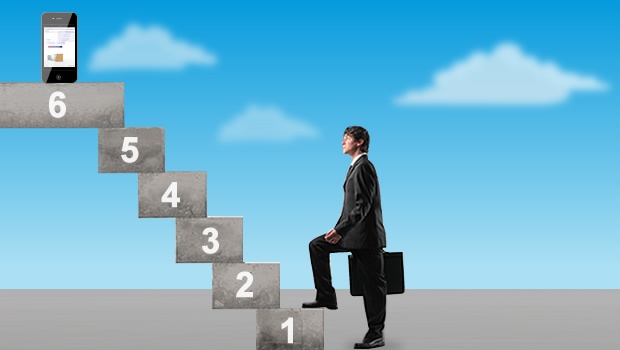
List your possible choices
The process of making a choice or solving a problem.
Decision Making
Experience
Integrity
Values

How many steps does the decision-making process have?
4
6
10
12
We need _____________ for our body to grow well and stay healthy.
teeth
nutrients
food
sleep
Our body uses _____________ to carry out daily activities.
energy
hands
nutrients
protein
What nutrients do different types of food have?
carbohydrates and vitamins
protein and carbohydrates
fats, vitamins and minerals
fats, vitamins and minerals, protein, carbohydrates
__________________ are energy giving foods.
minerals
fats
carbohydrates
protein
What nutrient keeps our body warm?
fat
protein
fruits and vegetables
carbohydrates
Tick all foods that belong to the Protein Food Group.


Water makes up more than half of our body.
True
False
How much water does our body have?
50%
90%
75%
100%
Tick all the foods that belong to the Carbohydrates Food Group.


We have ____________ milk teeth.
twenty-five
20
thirty
35
The Essential Nutrients are:
1.) Vitamins and Minerals
2.) Fats
3.) Proteins
4.) (a)
5.) Fiber
6.) Water

This bread contains . . .
carbohydrate
fat

This juice contains . . .
protein
vitamin

This cheese contains . . .
protein
carbohydrate

This Soybean contains . . .
protein
carbohydrate

This milk contains . . .
carbohydrate
protein

this banana contains . . .
vitamin
protein

this fatty meat contains . . .
protein
fat

this butter contains . . .
vitamin
fat
What is a carbohydrate?
Fish
Rice
Melon
Meat
Eggs are...
Proteins
Carbohydrates
Fats
Oils

Which of the following nutrients provides energy to the body?
carbohydrates
vitamins
water
minerals

Which of the following nutrients is important for body, cell, and muscle growth and repair?
vitamins
fats
proteins
carbohydrates
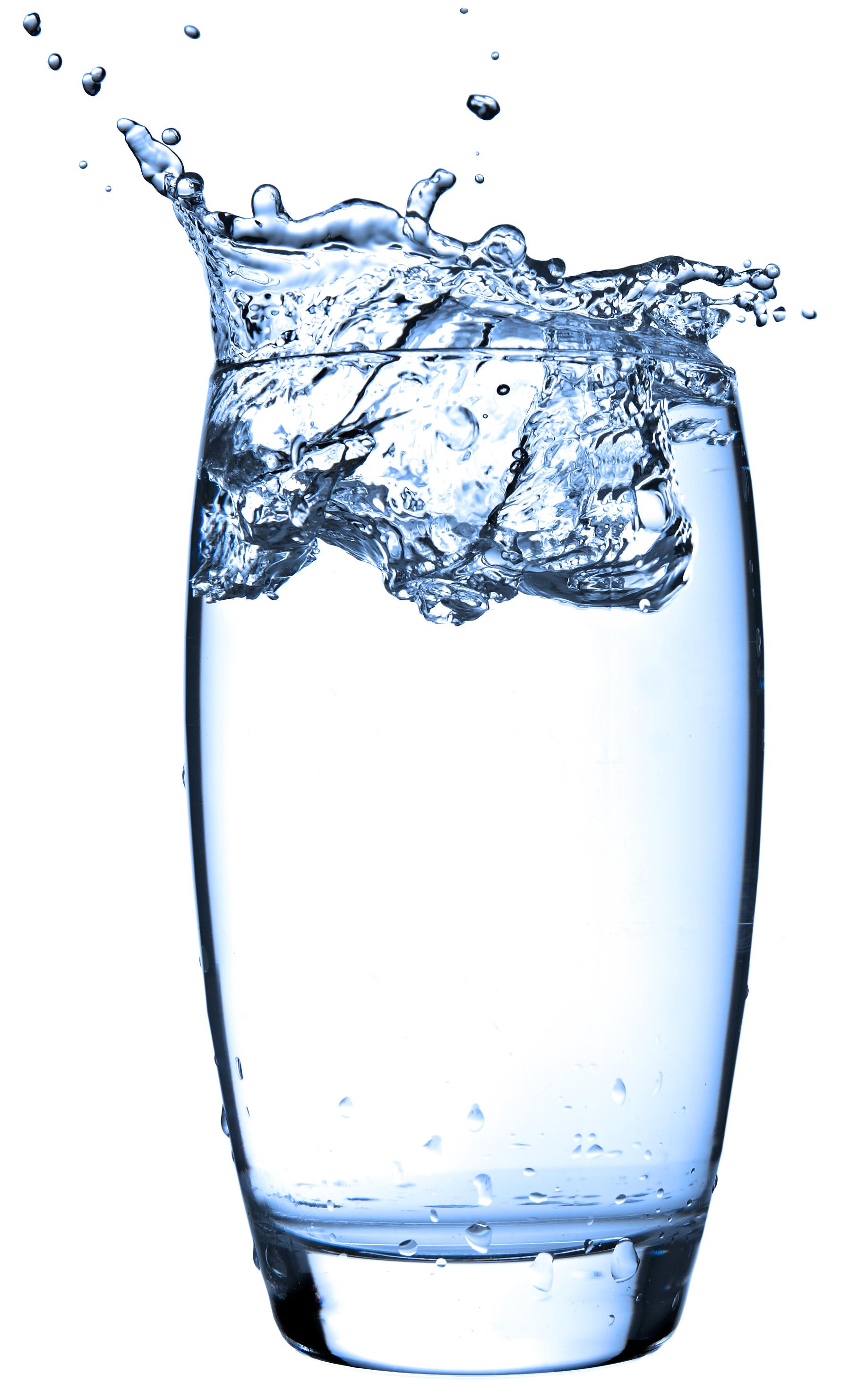

Yogurt belongs to what food group?
Dairy
Protein

One half of your plate should be
Protein
Dairy
Grains
Fruits and Vegetables

Which mineral helps build strong bones and teeth? (found in milk)
Potassium
Calcium
Iron
None
To be healthy we have to...
eat junk food.
sleep all day.
do exercise, eat healthy and rest.
watch TV all day.
With regards to food hygiene, what are ‘the 4 C’s’? (choose 4)
cleaning
clothing
cooking
chilling
cross contamination

Why is cleaning the kitchen important?
To make sure the food is well cooked
To ensure the food room is at a cool temperature
To increase the number of bacteria in the kitchen
To keep food safe and prevent bacteria from spreading
Which of the following would NOT be an aspect of personal hygiene?
Hands
Hair
Kitchen surface
Clothes

At what temperature should hot food be served above?
25ºC
55ºC
63ºC
75ºC

What is the minimum core temperature which will ensure most bacteria is destroyed when cooking?
55ºC
63ºC
75ºC
100ºC

Which of the following is true about leftovers?
They should not be eaten as they give you food poisoning.
They should be cooled as quickly as possible and refrigerated.
Between which temperatures is known as the bacterial ‘danger zone’?
0ºC – 100ºC
5ºC – 63ºC
20ºC – 100ºC
25ºC – 50ºC
In a refrigerator, cooked food should be stored above raw food.
True, cooked food should be above raw food.
False, cooked food should be below raw food.
Which of the following best describes ‘cross-contamination’?
Bacteria is transferred from one area to another
Bacteria is reduced through cooling
Bacteria is increased by heating
Bacteria is removed through cleaning
Which of the following reduces the risk of cross-contamination?
Wash meat before cooking it
Store raw meat next to cooked food
Use the same chopping board for raw meat and cooked food
Keep raw meat in sealed containers at the bottom of the fridge
Leftover food can be re-heated, but it must be at least 75 degrees.
True
False
What food should be stored at the lowest level of the fridge?
Raw eggs
Raw vegetables
Raw meat
Cooked meat
A fridge must be set to ...
no more than -1 degree
no more than 1 degree
no more than 3 degrees
no more than 5 degrees
Cross contamination can be caused by which of the following?
Pets
Uncleaned chopping boards
rubbish
all of these
Cross contamination is when ...
Bacteria from one source is transferred to food.
Fungus from bread mould is put in your mouth.
Microbiobials from raw meat are ingested by people.
People handle raw meat and then handle other foods after washing their hands.

This is an example of what type of Kitchen?
One Wall
L Shaped
Corridor / Galley
U Shaped
Island

This is an example of what type of Kitchen?
One Wall
L Shaped
Corridor / Galley
U Shaped
Island

This is an example of what type of Kitchen?
One Wall
L Shaped
Corridor / Galley
U Shaped
Island

This is an example of what type of Kitchen?
One Wall
L Shaped
Corridor / Galley
U Shaped
Island

This is an example of what type of Kitchen?
Peninsula
Double L
Corridor / Galley
U Shaped
Island

This is an example of what type of Kitchen?
Peninsula
Double L
Corridor / Galley
G Shaped
Island

This is an example of what type of Kitchen?
Peninsula
Double L
Corridor / Galley
G Shaped
Island

This is an example of what type of Kitchen?
Peninsula
Double L
Corridor / Galley
G Shaped
Island

The sum of the work triangle’s three sides should not exceed _____ ?
20'
22'
20m
20"
22"
Each leg should measure between ____ and ____ feet.
4 and 6 feet
4 and 9 feet
5 and 9 feet
5 and 8 feet
4 and 8 feet
is the heart of the room, where many families spend most of their time together.
kitchen
kitchen layout
It is a room used for cooking and food preparation.
kitchen
kitchen layout
A ________ is more than a layout of your kitchen.
kitchen
kitchen layout
It is a blueprint on how your kitchen will function in general.
kitchen
kitchen layout
Your refrigerator and pantry are the major items here.
the preparation/cooking station
the cleaning station
the food storage station
Your range, microwave oven, and smaller appliances are found in this area.
the preparation/cooking station
the cleaning station
the food storage station
Counter space is important in this section.
the preparation/cooking station
the cleaning station
the food storage station
This area is home to the sink, waste disposal, and dishwasher.
the preparation/cooking station
the cleaning station
the food storage station
This requires three full walls of the room.
u-shaped kitchen
l-shaped kitchen
single-line kitchen
galley kitchen
island kitchen
This shape is ideal for a large family or for people who take their food preparation very seriously.
u-shaped kitchen
l-shaped kitchen
single-line kitchen
galley kitchen
island kitchen
This layout plan is nice for a kitchen where a lot of entertaining might be done.
u-shaped kitchen
l-shaped kitchen
single-line kitchen
galley kitchen
island kitchen
This shape is also nice if you do not have a separate dining room and an eat-in kitchen.
u-shaped kitchen
l-shaped kitchen
single-line kitchen
galley kitchen
island kitchen
This is not the most efficient, however, as the user must walk from one end to the other many times to prepare a meal.
u-shaped kitchen
l-shaped kitchen
single-line kitchen
galley kitchen
island kitchen
is a good efficient use of space, and is one of many professional chefs tend to prefer.
u-shaped kitchen
l-shaped kitchen
single-line kitchen
galley kitchen
island kitchen
has two rows, but is usually not open at both ends.
u-shaped kitchen
l-shaped kitchen
single-line kitchen
galley kitchen
island kitchen
This layout plan will feature an independent island that can face the living room or dining area, allowing socialization between the rooms.
u-shaped kitchen
l-shaped kitchen
single-line kitchen
galley kitchen
island kitchen


........ Food do not spoil easily
Edible
Non- edible
Perishable
Non-perishable
The process of buying food in large quantities is called
Hire purchasing
Wise purchasing
Cheap purchasing
Bulk purchasing
Food that can spoil easily are said to be
Non perishable
Perishable
Bad
Good
Raw meat should be stored in the
Refrigerator compartment
Vegetable crisper
Freezer compartment.
Middle shelf.
The process of keeping food cold in storage is called
Cooling
Chilling
Refrigeration
Processing
Which of the following food is perishable
Rice
Beans
Meat
Flours
Maize can be stored for very long periods in.......... plastic containers.
Light weight
Bright
Air- tight
Thick
........can destroy maize or beans in storage
Cold
Heat
Housefiles
Weevils
A type of food that do not require refrigeration. They are light in weight and take up less storage space.
Frozen foods
Dried foods
Canned foods
Fresh foods
It must be stored in the freezer in useable quantities.
Frozen foods
Dried foods
Canned foods
Fresh foods
Which processing method has the longest shelf life?
Canning
Dehydration
Fermentation
Freezing
Pasteurization
Why would someone want to use fermentation?
To preserve the food
To extend the shelf life
To protect the food from harmful microbes
To change the flavor of the food, or change it into a different type of food
Which of these are ways we process food?
Dehydration
Freezing
Canning
Pastuerization
Fermentation
Why would we choose to pasteurize foods?
To prevent the food from spoiling
To extend the shelf life
To protect the food from harmful microbes
Change the food into different product for consumption
Why are some foods processed using dehydration?
To prevent the food from spoiling
To extend the shelf life
To protect the food from harmful microbes
Change the food into different product for consumption
Food processing includes anything that changes a food's original form.
True
False
All of these are disadvantages of processing foods EXCEPT
contain additives
nutrient loss
often fortified
inferior taste, color, and texture
Why is food preservation important ?
to make food taste better
to extend the shelf life of the food product
to change the texture or flavour of the food.

Which of the following methods can be used for the storage/preservation of the above food products? Tick ALL possible answers.
drying
freezing
dry storage
which of the following is NOT a method of food preservation?


What food preservation technique has been used here?
Freezing.
Drying
Salting
Eating spoiled food causes
Malaria
Food poisoning
Typhoid
What ingredients are used to alter pH levels?
salt, sugar, oil
salt, sugar, vinegar, lemon juice
vinegar, lemon, pepper
The addition of salt to a food product is to:
retard the microorganisms and preserve food product
speed up food spoilage
flavour
This refers to the processes you use to prepare food for safe, long-term storage, whether you plan to use it at home, for prep in a commercial kitchen, or to sell directly to consumers.
Food Technology
Food Innovation
Food Preservation
Food Science
Which is not a method of Food Preservation?
Mixing
Salting
Canning
Freezing
The main reason for preserving food is to :
Improve its colour and taste
Increase its shelf life
Make costly food available
Change its texture
Preservation of food means :
To keep food safe
To retain quality of food
To prevent decomposition of food
All the above
Food spoilage is due to...
Micro-organisms and toxin produced
Microorganisms and excess production
Enzymes an excess production
All the above
When food decomposes it
means you can eat it
means food can safely be eaten in a month's time
means food breaks down and rots
means that nothing changes

