
 Worksheets
Circulatory system
Total questions: 50
Worksheet time: 26mins
Which statement best describes the circulatory system's role in gas exchange?
The circulatory system takes in oxygen during inhalation and removes CO2 during exhalation.
The circulatory system contracts to make more space in the chest during inhalation, causing oxygen to flow into the lungs.
The circulatory system receives oxygen from the alveoli and delivers that oxygen to the rest of the body.
The circulatory system brings oxygen to the alveoli, which deliver oxygen to the lungs.

Which activity is a function of the circulatory system?
The circulatory system moves nutrients through the body.
The circulatory system reacts to stimuli in the environment.
The circulatory system regulates heartbeat and blood pressure.
The circulatory system removes waste gases from our body through exhalation.

Which are the smallest blood vessels in the body?
arteries
capillaries
veins
arterioles
Which blood vessels move blood toward the heart?
arteries
capillaries
veins
arterioles

Use the diagram to help you answer this question. Which list is the correct order of chambers that blood flows through in the heart?
LV → LA → RV → RA
RV → RA → LV → LA
LA → LV → RA → RV
RA → RV → LA → LV

What are the bottom chambers of the heart through which blood leaves the heart?
ventricles
atria
septum
venules

What are the top chambers of the heart through which blood enters the heart?
ventricles
atria
septum
venules

Which is NOT a way we can keep our hearts healthy?
Eat a healthy diet.
Exercise frequently.
Keep a healthy weight.
Only smoke after turning 18 years old.
The 2 atriums in the heart pump blood to what part of the body?
Ventricles
Aorta
Lower body
Upper body
The only artery in humans that carries deoxygenated blood is the:
Pulmonary artery
Renal artery
Aorta
Carotid artery
Blood leaves the heart in two vessels, namely the:
Aorta and pulmonary vein
Pulmonary artery and aorta
Aorta and venae cavae
Pulmonary artery and pulmonary vein
A boy is bitten by a poisonous snake on his left leg. Poison gets to his heart through the:
Pulmonary vein
Left subclavian artery
Inferior vena cava
Hepatic portal vein
Which of the following contain deoxygenated blood?
Left ventricle
Pulmonary vein
Right atrium
Coronary artery
A blood vessel is called an artery when it:
Transports oxygenated blood to the heart
Transports blood to the heart
Contains many valves
Transports blood away from the heart
One of the three functions of the circulatory system is:
Carries waste away from our cells
Fights disease with white blood cells and antibodies
Delivers nutrients to the cells
All of the above
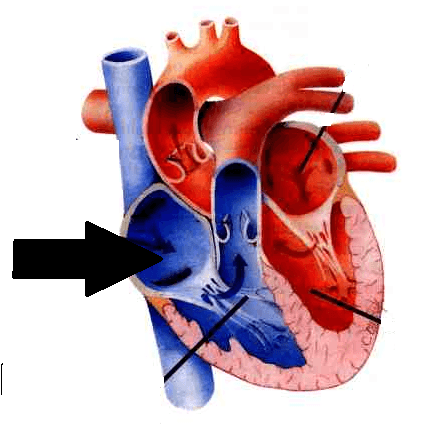
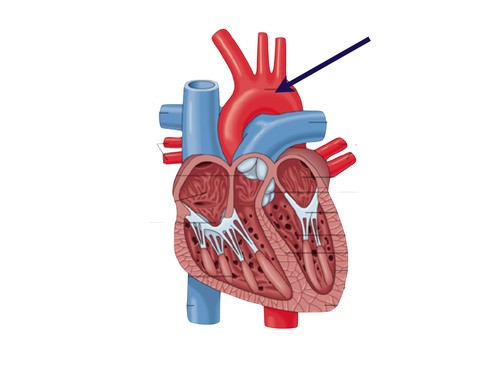
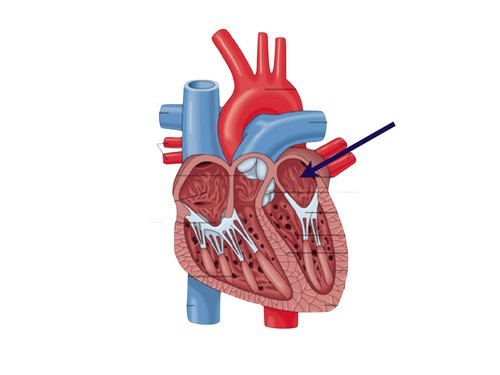
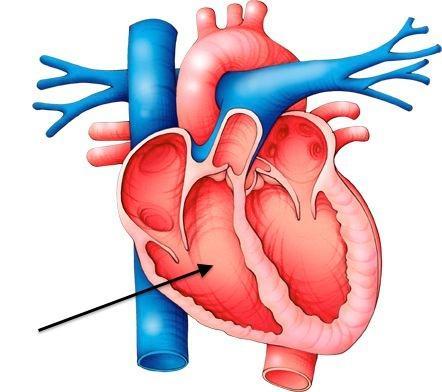
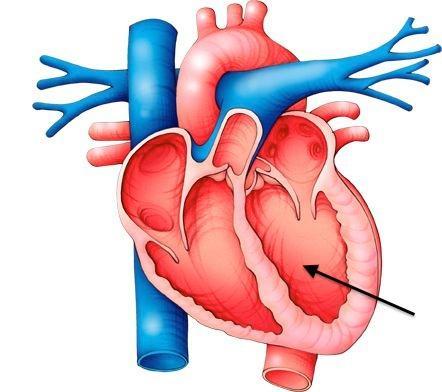
This chamber of the heart pumps the blood back out to the body cells through the Aorta
Right Atrium
Left Atrium
Right Ventricle
Left Ventricle
This chamber of the heart RECEIVES oxygen rich blood back from the lungs
Right Atrium
Left Atrium
Right Ventricle
Left Ventricle
About how big is the human heart?
the size of your nose
the size of your foot
the size of your fist
the size of your ear
As the blood reaches the lungs, what is removed from the blood?
oxygen
carbon dioxide
red blood cells
white blood cells
The part of the blood that carries oxygen is called ___________. (Remember we can't live without our blood-line)
red blood cells
white blood cells
Veins carry oxygen poor blood back to the heart.
False
True
Which of the following organs fits the definition?
•they carry oxygen and nutrients away from your heart to your bodies tissues
veins
arteries
lungs
heart

What is the yellow substance that takes up 54.3% of blood?
Red Blood Cells
White Blood Cells
Platelets
Plasma
Which is responsible for blood clotting?
Red blood cells
White blood cells
Plasma
Platelets
What are the chambers of the heart?
red blood cells, plasma, platelets, white blood cells
arteries, veins, capillaries
right atrium, right ventricle, left atrium, left ventricle
epiglotties, alveolus, lungs

True or false:
Blood traveling in veins is blue.
True
False
Which of the following does the circulatory not consist of?
Heart
Lungs
Blood
Blood vessles
Which of the following are the component of blood?
plasma, red blood cells, blue blood cells
white and red blood cells
plasma and platelets
plasma, red blood cells, white blood cells, and platelets
The job of the heart is to . . .
pump blood around the body.
send food to the small intestines.
break down food.
give energy to the body.
______________ are the smallest blood vessels.
Arteries
Veins
Capillaries
Aorta
The function of white blood cells is to ....
allow for gases to exchange
give blood its color
fight infection and disease
help clot blood
The plasma that contains blood cells is mainly made up of .....
oxygen
nutrients
waste
water

