
 Worksheets
BIOLOGY FOR NEET all Chapters
Total questions: 100
Worksheet time: 1hrs 8mins

1. Which of the following is not a characteristic of living organisms ?

o They are made up of cells.

o They are able to respond to stimuli

o They are able to maintain homeostasis

o They reproduce.

o They are able to move.

Which of the following is the smallest unit of life?
o Cell
o Tissue
o Organ
o Organ system
The leaves have more (a) on their lower surface.
All prokaryotes are single-celled organisms. Compare prokaryotes and eukaryotes. Select the characteristics that only apply to prokaryotes.
These cells have DNA in a region called the nucleoid
Some of these cells have structures like flagella and microvilla
These cells have cell walls made of polypeptides and polysaccharides
These cells have cell walls made of cellulose
These cells have DNA contained in a nucleus
What is Osmosis?
(a)

Name the process which is being demonstrated in the diagram given below.
(a)
The term Cell was coined by
Robert Hooke
Robert Brown
JE Purkinje
AV Leeuwenhoek

Ascent of sap in plants takes place through:
Cortex
Epidermis
Xylem
Phloem
What molecule will your body generally use first for energy?
carbohydrates
lipids
amino acids
nucleic acids


When viewing a cork through his homemade microscope, Robert Hook discovered small compartments that he called _____.
boxes
cells
prokaryotes
eukaryotes
Schleiden and Schwann believed _____.
that organisms were the basic unit of life
that both cells and organisms were basic units of life
that the questions of the basic unit of life were too abstract to answer
none of the above
What is true of a prokaryotic cell?
they have a nucleus
they are NOT condiered to be alive
they reproduce by binary fission
they do not have a cell wall
In case of minerals these move from lower concentration to molecules of higher concentration. So the minerals from the soil along with water move into the roots. Which process is being shown here ?
Osmosis
Diffusion
Active transport
Food production

collects, processes, and packages proteins for the cell
mitochondria
gogli apparatus
smooth ER
rough ER
Tick and submit the true statements...
Root hairs are made up of one cell
These are outgrowths of epidermis of a root
Are thick-thin walled
Only thin walled
Name the process which is being demonstrated in the diagram given below.
(a)
What is DNA?
Deoxyrebonucliec Acid
Deoxirybonucleic Acid
Deoxyribonucleic Acid
Deoxyriebonucleic Acid
VASCULAR SYSTEM CONSISTS OF
Xylem
Phloem
None
Plants get water and nutrients from
SOIL
LEAVES
STEMS
HUMANS
During transpiration, the leaves lose more water from their upper surface.
True
False
The transpiration rate is increased due to the increase in light intensity.
True
False
When viewing a cork through his homemade microscope, Robert Hook discovered small compartments that he called _____.
boxes
cells
prokaryotes
eukaryotes

Cell B, because it contains genetic material
Octopus belongs to the class________.
Mollusca
Pelecypoda
Cephalopoda
None of the above
Which one of the following favours the fastest transpiration rate ?
A cool, humid, windy day
A hot, humid, windy day
A hot, humid, still day,
A hot, dry, windy day
What is a semi permeable membrane?
A thin membrane that allows molecules to pass through it.
A thick membrane that acts as a barrier
A thin membrane that allows only selected molecules to pass through it
None of the above
TRUE OR FALSE.... XYLEM AND PHLOEM EXTEND FROM TIP OF THE ROOTS TO TIP OF THE LEAVES?
True
False
Soil Particles are coated with a thin film of water that has _______ dissolved in it...
Food
Minerals
Bacteria
All of the above
What is DNA?
Deoxyrebonucliec Acid
Deoxirybonucleic Acid
Deoxyribonucleic Acid
Deoxyriebonucleic Acid
The term molecular scissors generally refers to
DNA polymerases
RNA polymerases
Restriction endonucleases
DNA ligases
Some restriction enzymes produce "sticky ends". Sticky ends are . . .
double stranded DNA aligned with each other
single-stranded DNA aligned with host DNA
ends of a double stranded DNA strand
single-stranded DNA "overhangs" that can bind to complementary DNA
Restriction Enzymes were primarily used as....
defense by protozoa against antibiotics
tools by viruses to cleave bacterial genome
defense by bacteria against bacteriophages viruses
tools to cleave DNA during replication
Restriction Enzymes . . .
cut DNA at precise locations
help bacteria to pick up DNA
move DNA through a gel
copy DNA
What is the smallest unit of life
cell
atom
molecule
organ
The restriction enzyme ECOR1 has the property of?
Endonuclease activity
Ligation activity
Correcting the topology of replicating DNA
Exonuclease activity
collects, processes, and packages proteins for the cell
mitochondria
gogli apparatus
smooth ER
rough ER
What is transformation?
Procedure though which a piece of DNA incorporated into bacterium
Procedure though which a piece of carbohydrate incorporated into bacterium
Procedure though which a piece of lipid incorporated into bacterium
Procedure though which a piece of protein incorporated into bacterium
What is the importance of cos sites in cosmids?
to make cosmids infectious
to make cosmids competent
allow DNA to be packaged inside lambda phage heads
permit replication as plasmid in bacteria
What is true of a prokaryotic cell?
they have a nucleus
they are NOT condiered to be alive
they reproduce by binary fission
they do not have a cell wall
Given the chemical formula for glucose (C6H12O6), what type of molecule is it?
pritein
carbohydrate
nucleic acid
Fat
Restriction Enzymes are . . .
proteins
DNA
fats
carbohydrate
Commonly used cloning vector is/are
pBR322
pUC19
pUC18
all the above
What molecule will your body generally use first for energy?
carbohydrates
lipids
amino acids
nucleic acids
What are selectable marker ?
a radium labelled marker
a type of sequence
a resistant gene
a type of protein
What is DNA?
Deoxyrebonucliec Acid
Deoxirybonucleic Acid
Deoxyribonucleic Acid
Deoxyriebonucleic Acid
Restriction Enzymes . . .
cut DNA at precise locations
help bacteria to pick up DNA
move DNA through a gel
copy DNA
C6H12O6
Water
Glucose
Oxygen
Carbon Dioxide
What is the importance of cos sites in cosmids?
to make cosmids infectious
to make cosmids competent
allow DNA to be packaged inside lambda phage heads
permit replication as plasmid in bacteria
Copy number is defined as
Average number of plasmids per bacterial cell
Average number of plasmids per bacterial chromosome
Average number of plasmids per bacterial cell or chromosome
None of the above
What is the origin of replication ?
sequence of genome where replication starts
where DNA are formed
where RNA are formed
place of origin
The restriction enzyme ECOR1 has the property of?
Endonuclease activity
Ligation activity
Correcting the topology of replicating DNA
Exonuclease activity

This food item is rich in
Fat
Proteins
Carbohydrates
What are selectable marker ?
a radium labelled marker
a type of sequence
a resistant gene
a type of protein
pBR322 is an __________________ vector
original
cosmid
artificial
natural

What is a palindrome?
A sequence that is complementary to the other
A sequence that reads the same forwards and backwards
A blunt end resulting from a restriction enzyme
A sticky end resulting from a restriction enzyme
In cloning vector, the antibiotics resistant gene are used
As sequences from where replication starts
To keep the cultures free of infection
As selectable markers
To select healthy vectors
How do we name restriction Enzymes ?
First two letter in Cap for Genus, next one letter in small for species, next one letter for strain and roman numeral for order of discovery
First letter in Cap for Genus, next two letter in small for species, next one letter for strain and roman numeral for order of discovery
First two letter in Cap for Genus, next one letter in small for species, next one letter for strain and English numeral for order of discovery
First two letter in Cap for Genus, next one letter in capital for species, next one letter for strain and roman numeral for order of discovery
Given the chemical formula for glucose (C6H12O6), what type of molecule is it?
protein
carbohydrate
nucleic acid
What is DNA?
Deoxyrebonucliec Acid
Deoxirybonucleic Acid
Deoxyribonucleic Acid
Deoxyriebonucleic Acid
C6H12O6
Water
Glucose
Oxygen
Carbon Dioxide
collects, processes, and packages proteins for the cell
mitochondria
gogli apparatus
smooth ER
rough ER
What molecule will your body generally use first for energy?
carbohydrates
lipids
amino acids
nucleic acids
pBR322 is an __________________ vector
original
cosmid
artificial
natural
How do you overcome vector religation problem?
Use polymerase enzyme
Use restriction enzymes
Use alkaline phosphatase enzyme
Use ligase enzyme
How do we name restriction Enzymes ?
First two letter in Cap for Genus, next one letter in small for species, next one letter for strain and roman numeral for order of discovery
First letter in Cap for Genus, next two letter in small for species, next one letter for strain and roman numeral for order of discovery
First two letter in Cap for Genus, next one letter in small for species, next one letter for strain and English numeral for order of discovery
First two letter in Cap for Genus, next one letter in capital for species, next one letter for strain and roman numeral for order of discovery
The restriction enzyme ECOR1 has the property of?
Endonuclease activity
Ligation activity
Correcting the topology of replicating DNA
Exonuclease activity
Given the chemical formula for glucose (C6H12O6), what type of molecule is it?
pritein
carbohydrate
nucleic acid
Fat
In cloning vector, the antibiotics resistant gene are used
As sequences from where replication starts
To keep the cultures free of infection
As selectable markers
To select healthy vectors
Restriction Enzymes . . .
cut DNA at precise locations
help bacteria to pick up DNA
move DNA through a gel
copy DNA
What is the origin of replication ?
sequence of genome where replication starts
where DNA are formed
where RNA are formed
place of origin
Commonly used cloning vector is/are
pBR322
pUC19
pUC18
all the above
Some restriction enzymes produce "sticky ends". Sticky ends are . . .
double stranded DNA aligned with each other
single-stranded DNA aligned with host DNA
ends of a double stranded DNA strand
single-stranded DNA "overhangs" that can bind to complementary DNA
Copy number is defined as
Average number of plasmids per bacterial cell
Average number of plasmids per bacterial chromosome
Average number of plasmids per bacterial cell or chromosome
None of the above
What are selectable marker ?
a radium labelled marker
a type of sequence
a resistant gene
a type of protein
In cloning vector, the antibiotics resistant gene are used
As sequences from where replication starts
To keep the cultures free of infection
As selectable markers
To select healthy vectors
Which of the following is NOT a characteristic of all living things?
growth and development
ability to swim
respond to the environment
ability to reproduce
The term molecular scissors generally refers to
DNA polymerases
RNA polymerases
Restriction endonucleases
DNA ligases
Restriction Enzymes were primarily used as....
defense by protozoa against antibiotics
tools by viruses to cleave bacterial genome
defense by bacteria against bacteriophages viruses
tools to cleave DNA during replication
What is the origin of replication ?
sequence of genome where replication starts
where DNA are formed
where RNA are formed
place of origin
Restriction Enzymes . . .
cut DNA at precise locations
help bacteria to pick up DNA
move DNA through a gel
copy DNA
How do you overcome vector religation problem?
Use polymerase enzyme
Use restriction enzymes
Use alkaline phosphatase enzyme
Use ligase enzyme
What is DNA?
Deoxyrebonucliec Acid
Deoxirybonucleic Acid
Deoxyribonucleic Acid
Deoxyriebonucleic Acid
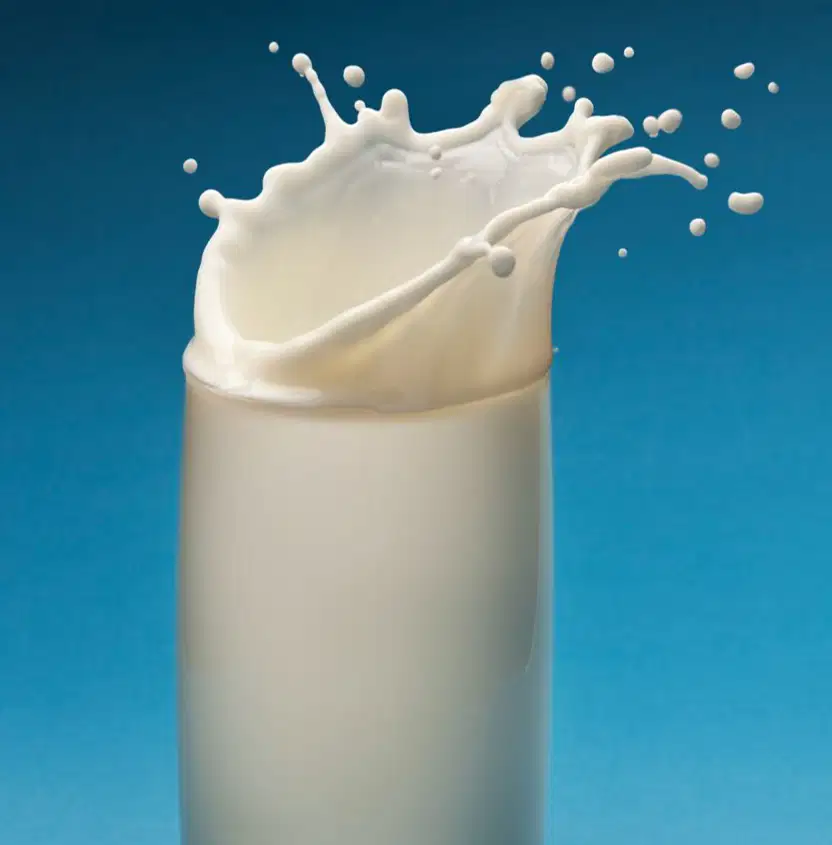
This food item is rich in
Fat
Proteins
Carbohydrates
Vitamins
What is the origin of replication ?
sequence of genome where replication starts
where DNA are formed
where RNA are formed
place of origin

