wayground logo

Free Printable Worksheets

Font size

S
M
L
XL
Worksheets

Quarter 02 test final challenge

Total questions: 100

Worksheet time: 2hrs 26mins

Name
Class
Date
1.
Cytoplasmic division is also known as
a)
cytokinesis
b)
mitosis
c)
interphase
d)
cytotoxic
2.
A cell with only half the normal number of chromosomes is called a ___________ cell.
a)
haploid
b)
prokaryotic
c)
heterotrophic
d)
eubacterial
3.
What is it called when a sperm and egg meet?
a)
meiosis
b)
fertilization
c)
cell division
d)
mitosis
4.
Meiosis makes sperm and egg cells. In humans, sperm and egg cells each have _____ chromosomes. Therefore a fertilized human egg cell (sperm and egg cell combined) would create a cell with _____ chromosomes.
a)
23, 46
b)
46, 23
c)
2, 4
d)
50, 100
5.
Why do we need meiosis?
a)
To double the number of chromosomes going into sex cells
b)
To halve the number of chromosomes going into sex cells
c)
To triple the number of chromosomes going into sex cells
d)
To not change the number of chromosomes going into sex cells
6.
The purpose of meiosis is to form ________ cells.
a)
body
b)
sex
c)
somatic
d)
brain
7.
The nuclear membrane breaks down occurs during which stage?
a)
Interphase
b)
Metaphase
c)
Prophase
d)
Telophase
8.
Where does a cell contain it's genetic material?
a)
nucleus
b)
nucleolus
c)
cytoskeleton
d)
golgi
9.
The time between cell divisions in the life cycle of the cell is called
a)
anaphase
b)
interphase
c)
prophase
d)
metaphase
10.
How many chromosomes do humans have?
a)
46
b)
21
c)
10
11.
The stages of mitosis in order
a)
Metaphase, Anaphase, Prophase, Telophase
b)
Prophase, Anaphase, Metaphase, Telophase
c)
Prophase, Metaphase, Anaphase, Telophase
d)
Anaphase, Prophase, Telophase, Metaphase
12.
Fruit fly body cells have 8 chromosomes. After mitosis, you would expect a resulting fruit fly daughter cell to have ...
a)
16 chromosomes.
b)
46 chromosomes.
c)
8 chromosomes.
d)
4 chromosomes.
13.
A human cell has 46 chromosomes before mitotic division.  How many chromosomes will the daughter cells after mitosis.
a)
12
b)
23
c)
46
d)
92
14.
When an animal cell goes through cytokinesis,__________
a)
a cell plate forms dividing the 2 new nuclei.
b)
the cell membrane pinches off the 2 new cells.
c)
4 new cells are formed.
d)
None of the above
15.
In the G2 stage of cell division, ______________ are made.
a)
organelles
b)
structures for cell division
c)
proteins
d)
all of the above
16.
In the S stage of interphase_______________
a)
the cell grows
b)
the nucleus divides
c)
the cell membrane divides
d)
the DNA is replicated
17.
In the G1 stage of the cell cycle, the cell
a)
Grows
b)
Matures
c)
Carries on normal activities
d)
All of the above
18.
The cell spends most of it's life in ________________.
a)
mitosis
b)
cytokinesis
c)
Interphase
d)
None of the above
19.
The ___________ holds the replicated sister chromatids together.
a)
centriole
b)
chromosomes
c)
centromere
d)
cycles
20.
Eukaryotic cells store their genetic information(DNA) in __________.
a)
Chromosomes
b)
Centromeres
c)
karyotypes
d)
Proteins
21.
Humans have ________ pairs of chromosomes.
a)
21
b)
23
c)
46
d)
None of the above
22.
The division of the nucleus is known as:
a)
Synthesis
b)
Mitosis
c)
G1
d)
G2
23.
Before cells can divide, what must be copied?
a)
mitochondria
b)
cytoplasm
c)
DNA
d)
Cell Wall
24.
Cells of organism must replicate for ?
a)
growth
b)
repair of damaged cells
c)
replacement of dying cells.
d)
All of the above
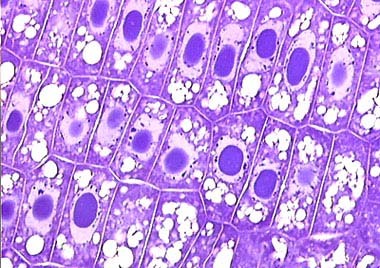
25.
This is a example of ........
a)
organ
b)
organ system
c)
tissue
d)
cell
26.
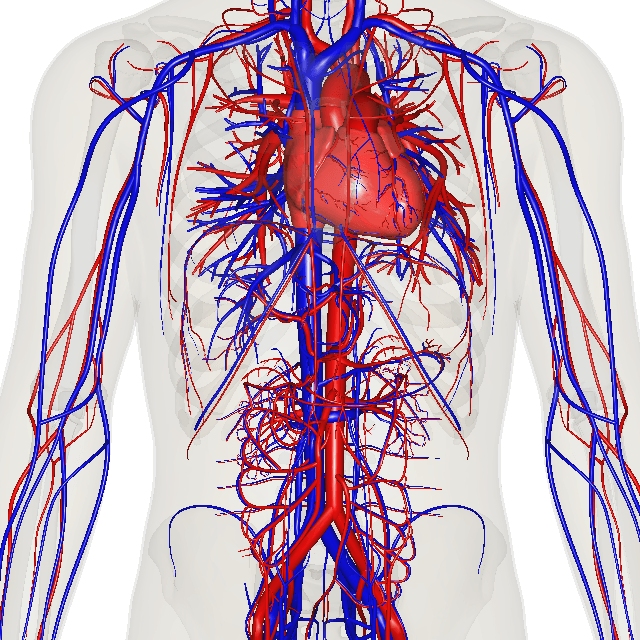
This is a example of ........
a)
cell
b)
organ system
c)
organ
d)
tissue
27.
This is a example of ........
a)
cell
b)
tissue
c)
organ 
d)
organ system
28.
A group of different tissues working together to do a job is called a/an _____.
a)
tissue
b)
organ
c)
stem cell
d)
organ system
29.
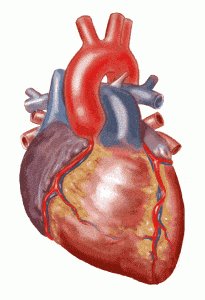
The heart contains different types of tissue. What level is the heart?
a)
cell
b)
organ system
c)
organ
d)
tissue
30.
A group of cells that work together
a)
organ system
b)
organism
c)
organ
d)
tissue
31.
What do you have when organ systems work together?
a)
organs
b)
organism
c)
cells
d)
tissue
32.
Tissue that works together to perform a function
a)
organ
b)
cell
c)
organ system
d)
organism
33.
What is the difference between a cell and a tissue?
a)
cell is basic unit of life; tissue is group of cells that work as one
b)
cell is group of tissues; tissue is basic unit of life
c)
cell is basic unit of life; tissue is groups of different cells
d)
cell is group of organs; tissue is group of different cells
34.
A group of organs that work together to perform big jobs for your body is an organ system.
a)
True
b)
False
35.
The smallest level of organization of life in an organism
a)
tissue
b)
cell
c)
organ
d)
organ system
36.
When a group of organs work together to perform a particular function they create a/an
a)
organ system
b)
organism
c)
tissue
d)
organ
37.
A group of similar cells that come together to perform a specific function is a/an
a)
organ
b)
organism
c)
organ system
d)
tissue
38.
Which of the following is the correct order of organization in living things from most basic (simple) to most complex?
a)
a.  Organism, cell, tissue, organ, organ system
b)
a.  Organ system, organ, tissue, cell, organism
c)
a.  Cell, tissue, organ, organ system, organism
d)
a.  Cell, organ, tissue, organ, organism, organ system
39.
What is cell specialization or differentiation?
a)
The process where unspecialized cells become different in structure and function.
b)
When DNA controls the cell cycle.
c)
The ability of cells to make more cells.
d)
The ability of cells to maintain homeostasis.
40.
Which is true about Embryonic Stem Cells.
a)
They no longer do mitosis, their cell type is set and can not change
b)
They are limited to the type of cell they can become
c)
They can become any cell type in the body
d)
They are found in adults
41.
stem cells are defined as 
a)
a cell that has the ability to divide only once and stay the same as other kinds of cells 
b)
A cell that has the ability to continuously divide and differentiate into various other kinds of cells/tissues
c)
any cell of a living organism other than the reproductive cells
d)
a cell that contains a nucleus surrounded by a membrane and whose DNA is bound together by proteins
42.

What is a Zygote?

a)

An egg cell

b)

A sperm cell

c)

A nerve cell

d)

A FERTILISED egg cell

43.

A gamete is...

a)

any cell of a living organism other than the reproductive cells.

b)

The reproductive cells of an organism.

c)

an undifferentiated cell of a multicellular organism

d)

one or more layers of densely packed cells

44.

Whichh type of cells differentiate

a)

Sperm Cells

b)

Egg Cells

c)

Zygotes

d)

Gametes

45.

Which of these are two differentiated cells

a)

A stem cell and a white blood cell

b)

A white blood cell and a nerve cell

c)

A zygote and a stem cell

d)

A sperm cell and a stem cell

46.

In asexual reproduction, all of the offspring are:

a)

Physically Identical

b)

Genetically Identical

c)

Physically and Genetically Identical

d)

Not Identical

47.

Which statement best describes the process of asexual reproduction?

a)

new organisms are usually genetically identical to the parent

b)

the reproductive cycle involves the production of sex cells

c)

nuclei of sex cells fuse to form a zygote

d)

it involves the production of genetic copies

48.

A hydra reproduces when an outgrowth forms and continues to develop until if falls off of the parent. This is an example of:

a)

Binary Fission

b)

Sporulation

c)

Budding

d)

Vegetative Propagation

49.

How many parent(s)are needed for asexual?

a)

4

b)

1

c)

9

d)

100

50.

When a starfish grows a new body off a broken arm, what kind of reproduction is this?

a)

budding

b)

stolons

c)

vegetative propagation

d)

regeneration

51.

A plant that has traits identical to the parent plant provides evidence that the plant ____

a)

resulted from sexual reproduction

b)

resulted from asexual reproduction

c)

will develop many seeds

d)

will have large leaves

52.

Which phrase does not describe asexual reproduction in organsims?

a)

Requires two parents

b)

Little variation in offspring

c)

Only one type of cell involved

d)

duplicates its genetic material

53.

Which of the following are types of asexual reproduction?

a)

Fission

b)

Budding

c)

Regeneration

d)

Cloning

e)

All of these are types of asexual reproduction

54.

Where does an off spring get its traits in asexual reproduction?

a)

From both parents

b)

From only one parent

c)

From neither parent

d)

There are no traits handed down

55.

What is an advantage of sexual reproduction?

a)

Allows genetic variation

b)

Only needs one parent

c)

Happens very quickly

d)

Offspring are exact copies of parent

56.

What are some of the advantages about asexual reproduction?

a)

Takes only one mate to reproduce and takes a longer time to reproduce

b)

Takes a shorter amount of time to reproduce and it takes two mates to reproduce

c)

Reproduces diverse offspring and takes a longer time to reproduce

d)

Takes only one mate to reproduce and takes a shorter time to reproduce

57.

What types of cells are found only in organisms that reproduce sexually?

a)

blood cells

b)

neurons

c)

skin cells

d)

gametes

58.
If two organisms reproduce sexually, then their offspring will exhibit a genetic makeup that is -
a)
identical to only one parent
b)
identical to all of its siblings
c)
a unique combination of traits
d)
the recessive traits of each parent
59.

What is a disadvantage of asexual reproduction?

a)

lack of diversity the offspring looks the same as the parent.

b)

can increase populations rapidly does not require a mate for reproduction to take place

60.

What is Cloning?

a)

develops an outgrowth which is detached from the parent and becomes a new individual.

b)

Organisms can be produced from unfertilized eggs.

c)

during this type of reproduction the organism divides in half

d)

only one parent provides DNA for the new organism, which would make the new organism or offspring genetically identical to its one parent.

61.

What is Vegetative Reproduction?

a)

the organism produce its own spores. These spores are genetically identical to the parent

b)

only one parent provides DNA for the new organism, which would make the new organism or offspring genetically identical to its one parent.

c)

A new organism is created from the roots, stems or leaves.

d)

develops an outgrowth which is detached from the parent and becomes a new individual.

62.

which organism listed reproduces asexually by budding?

a)

bacteria

b)

yeast

c)

both

63.

WHAT TYPE OF ASEXUAL REPRODUCTION IS THIS?

a)

VEGETATIVE REPRODUCTION

b)

BINARY FISSION

c)

BUDDING

d)

CLONING

64.

Which one is developed first?

a)

Embryo

b)

Fetus

c)

Baby

d)

Zygote

65.

Mitosis is related to

a)

sperm production

b)

ovule production

c)

both options

d)

None of the options

66.
Which process increases the variability of genetic information?
a)
Mitosis
b)
Meiosis
c)
cloning
d)
asexual reproduction
67.
_____________________ is a process that produces cells with  half the chromosomes.
a)
Budding
b)
Fragementation
c)
Regeneration
d)
Meiosis
68.
A haploid cell has 
a)
one-half of a set of chromosomes
b)
one set of chromosomes
c)
two sets of chromosomes
d)
four sets of chromosomes
69.
The result of meiosis is:
a)
two diploid cells
b)
two haploid cells
c)
four diploid cells
d)
four haploid cells
70.
Human eggs and sperm are _____, and each has ____ chromosomes.
a)
diploid, 23
b)
diploid, 46
c)
haploid, 23
d)
haploid, 46
71.
Which of the following best describes meiosis?
a)
It is carried out in all tissues theat require cell replacement
b)
It occurs only in cells in the reproductive structures of an organism
c)
It happens in all of the tissues except the brain and spinal cord
d)
It is the first stage of mitosis
72.
How many daughter cells are produced at the end of meiosis?
a)
1
b)
2
c)
3
d)
4
73.
What is it called when the gametes meet?
a)
meiosis
b)
fertilization
c)
cell division
d)
mitosis
74.
What is one disadvantage of sexual reproduction?
a)
Only one parent needed
b)
Off spring are exact copies of parents
c)
Happens very quickly
d)
Needs two parents
75.
What is organized DNA called?
a)
Genes
b)
Deoxyribonucleic Acid
c)
Chromosomes
d)
Nucleus
76.
What parts of the chromosomes code for traits?
a)
Genes
b)
Deoxyribonucleic Acid
c)
Chromosomes
d)
Nucleus
77.
What does heredity mean?
a)
DNA being passed down from one generation to the next.
b)
Passing down acquired characteristics to your offspring.
c)
Leaving money in a will to your children
d)
all DNA is kept in the nucleus
78.

Personal characteristics that are passed to offspring from parents- dimples, eye color, height

a)

Unique

b)

Inherited Traits

c)

Gene

d)

Genetics

79.

The study of heredity

a)

genetics

b)

unique

c)

recessive

d)

dominant

80.

A set of instructions for an inherited trait

a)

recessive

b)

dominant

c)

gene

d)

unique

81.

What type of chart is used to help organize study and predict genetic inheritance?

a)

flow chart

b)

punnett square

c)

graph

d)

diagram

82.

From this Punnett square what would be the predicted outcome from 100 plants

a)

25 plants would have yellow peas, 75 plants would have green peas

b)

50 plants would have yellow peas, 50 plants would have green peas

c)

25 plants would have yellow peas, 50 plants would have green peas

d)

75 plants would have yellow peas, 25 plants would have green peas

83.

What type of inheritance occurs when the phenotypes of parents blend in the offspring?

a)

dominant

b)

recessive

c)

incomplete dominance

d)

codominance

84.

Where are the alleles for each parent written when using a Punnett square?

a)

across the top and along the side of the grid

b)

in the top two square of the grid

c)

in the bottom two squares of the grid

d)

only at the bottom of the grid

85.

What does the TT represent in this Punnett square?

a)

A genotype consisting of two dominant alleles

b)

A heterozygous trait

c)

A single allele

d)

a genotype consisting of two recessive alleles

86.

Which of these describes how an organism looks?

a)

its probability

b)

its phenotype

c)

its hybrid

d)

its zygosity

87.

Which is a tool that is used to predict genetic crosses?

a)

a slide rule

b)

a tally sheet

c)

a Venn diagram

d)

a Punnett Square

88.

In this cross of two plants what will be the genotype of the offspring?

a)

one half of the offspring will have the same genotype as the parents

b)

The offspring will all have the same genotype as the parents

c)

None of the offspring will have the same genotype as the parents

d)

Three-fourths of the offspring will have the same genotype as the parents.

89.
Sperm from one plant fertilizes the eggs of the same plant in 
a)
cross-pollination
b)
cross-breeding
c)
self-pollination
d)
self-breeding
90.
When a plant self-pollinates and all offspring have the same trait as the parent, it is called
a)
true-breeding plant
b)
cross-breeding plant
c)
self-propagating plant
d)
hybrid plant
91.
When parents with different traits are bred, a trait that reappears in the second generation after disappearing in the first generation is a
a)
dominant trait
b)
recessive trait
c)
true-breeding trait
d)
characteristic
92.
When a first-generation plant self-pollinates, what is the ratio of dominant to recessive traits in the second-generation plants?
a)
1:3
b)
3:1
c)
1:4
d)
4:1
93.
The passing of genetic traits from parent to offspring is called
a)
cross-pollination
b)
cross-breeding
c)
heredity
d)
genetics
94.
What step did Mendel take to be sure that his pea plants did not self-pollinate?
a)
He used two white plants.
b)
He removed the anthers of one plant.
c)
He added the anthers to both plants
d)
He used plants that were not true breeding
95.
The basic unit of heredity is known as a... 
a)
allele
b)
gene
c)
DNA
d)
genotype
96.
Which type of genetic factor can hide or mask another genetic factor?
a)
strong
b)
huge
c)
dominant
d)
recessive
97.
How can two parents with brown eyes have a child with blue eyes?
a)
The parents may both have recessive genes for blue eyes.
b)
The child was born during the winter
c)
Eye color in humans is not an inherited trait
d)
The child was deprived of oxygen during its birth
98.
What part of an organism's genetic makeup is received from its mother?
a)
25%
b)
50%
c)
75%
d)
100%
99.
Gregor Mendel is often called _____________. This is due to his experiments with pea plant genetics.
a)
The Father of Heredity
b)
The King of Peas
c)
The Father of Genetics
d)
The Father of Modern DNA
100.
Heredity can be defined as
a)
A characteristic that an organism can pass onto its offspring through its genes.
b)
the passing of traits from parent to offspring.
c)
the scientific study of phenotypes.
d)
none of the answers are correct.