wayground logo

Free Printable Worksheets

Font size

S
M
L
XL
Worksheets

Science champ 1

Total questions: 110

Worksheet time: 1hrs 23mins

Name
Class
Date
1.
Which planet in our solar system has an axis that is titled by 98 degrees?
a)
Saturn
b)
Uranus
c)
Jupiter
d)
Saturn
2.
Which American inventor is generally given credit for the invention of the lightning rod?
a)
Albert Einstein
b)
Nikola Tesla
c)
Benjamin Franklin
d)
Benjamin Church
3.
Titan, Enceladus, Mimas & Iapetus are just some of the moons orbiting which planet?
a)
Saturn
b)
Jupiter
c)
Neptune
d)
Venus
4.
In humans, what is the only internal organ capable of regenerating lost tissue?
a)
Pancreas
b)
Arteries
c)
Stomach
d)
Liver
5.
What is the name for trees that never lose their leaves?
a)
Evergreen
b)
Birch
c)
Ash
d)
Maple
6.
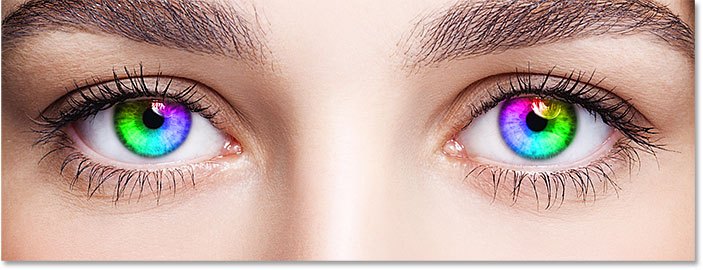
Approximately 2% of all people have what eye color?
a)
Red
b)
Violet
c)
Green
d)
Blue
7.
Which is the most abundant metal in the earth's crust?
a)
Bronze
b)
Aluminum
c)
Copper
d)
Lead
8.
What is the color of the five stars found on the flag of China?
a)
White
b)
Red
c)
Yellow
d)
Orange
9.
What is the largest species of terrestrial crab in the world?
a)
Coconut Crab
b)
Krusty Crab
c)
Stone Crab
d)
Snow Crab
10.
The Starry Night is an oil on canvas painted by which post-impressionist painter?
a)
Leonardo Da Vinci
b)
Claude Monet
c)
Vincent van Gogh
d)
Alfred Stevens
11.

(a)   is the study about relationship of living organisms with each other

12.

The science of the origin, history, and structure of the Earth, and the physical, chemical, and biological changes that it has experienced or is experiencing.

a)

Paleontology

b)

Geology

c)

Environmental Science

d)

Meteorology

13.

The study of the universe beyond the Earth's atmosphere.

a)

Meteorology

b)

Astrology

c)

Oceanography

d)

Astronomy

14.

The exploration and study of the ocean.

a)

Earth Science

b)

Oceanography

c)

Marine Biology

d)

Ecology

15.

The study of matter and energy and the interactions between them.

a)

Physics

b)

Chemistry

c)

Biology

d)

Earth Science

16.

The science of diagnosing, treating, and preventing illness, disease, and injury.

a)

Nursing

b)

Biology

c)

Medicine

d)

Pathology

17.

The science of the forms of life that existed in prehistoric or geologic periods.

a)

Evolution

b)

Paleontology

c)

Entomology

d)

Anthropology

18.

Astrology is not considered as a branch of science because it consists of a number of belief systems that hold that there is a relationship between astronomical phenomena and events or descriptions of personality in the human world.

a)

True

b)

False

19.

Which among the following are the branches of Life Sciences?

a)

Meteorology

b)

Biology

c)

Botany

d)

Geology

e)

Zoology

20.

Which of the following are the branches of Earth Sciences?

a)

Astronomy

b)

Chemistry

c)

Ecology

d)

Geology

e)

Paleontology

21.

(a)   is the study of plants.

22.

Which science includes the study of stars?

a)

meteorology

b)

geology

c)

astronomy

d)

oceanography

23.

Which area of Earth Science is the study of ancient organisms?

a)

astronomy

b)

meteorology

c)

oceanography

d)

paleontology

24.

The science of heredity is ______________.

a)

genetics

b)

extinction

c)

evolution

d)

ecology

25.

How many main branches of Science are there?

a)

3

b)

4

c)

5

d)

6

26.

Which branch of Science studies animals and animal life?

a)

Botany

b)

Geology

c)

Zoology

d)

Paleontology

27.

Which branch of Science deals with the physical composition of the earth and its atmosphere?

a)

Life Sciences

b)

Earth Sciences

c)

Physical Science

d)

None of the above

28.

Which area of science studies Earth's history and structure?

a)

Astronomy

b)

Oceanography

c)

Meteorology

d)

Geology

29.

Which area of Earth Science is the study the ocean?

a)

Geology

b)

Meteorology

c)

Oceanology

d)

Chemistry

30.

Biology is the study of ______________________.

a)

rock

b)

stars

c)

life

d)

matter

31.

What are the characteristics?

a)

The qualities an organism has.

b)

To receive characteristics, or traits, from an organism's parents.

c)

When two or more living things need the same resources in order to survive.

d)

The ways that animals act.

32.

What are the inherited characteristics?

a)

The qualities an organism has.

b)

To receive characteristics, or traits, from an organism's parents.

c)

When two or more living things need the same resources in order to survive.

d)

The ways that animals act.

33.

What are the animal behaviors?

a)

The qualities an organism has.

b)

To receive characteristics, or traits, from an organism's parents.

c)

When two or more living things need the same resources in order to survive.

d)

The ways that animals act.

34.

What is a stimulus?

a)

The qualities an organism has.

b)

To receive characteristics, or traits, from an organism's parents.

c)

Is something that causes a reaction in a living thing.

d)

The ways that animals act.

35.

What is an instinct?

a)

The qualities an organism has.

b)

Is a behavior that is inherited.

c)

Is something that causes a reaction in a living thing.

d)

The ways that animals act.

36.

What is advantage?

a)

Is a characteristic that can help an individual compete.

b)

The way an animal behaves.

37.

Look at the picture and choose two characteristics of the peacock flounder

a)

It has both eyes on one side and it has a flat body.

b)

It has a big body and its color is red.

c)

It can walk and fly.

d)

It can talk and sing.

38.

Look at the picture and choose the parts of the prickly pear cactus.

a)

Sharp spines, flattened stems, and waxy coating.

b)

Flowers and leaves.

c)

Fruit, flower, and roots.

d)

Regular steam, seeds, and roots.

39.

What animal is this?

a)

moth

b)

porcupine

c)

turtle

d)

peacocks

40.

What animal is this?

a)

moth

b)

porcupine

c)

turtle

d)

peacock

41.
The second energy level can hold up to how many electrons?
a)
2
b)
8
c)
10
d)
12
42.
How do you find out the number of protons in an atom?
a)
atomic number
b)
atomic mass
c)
charge
d)
atomic mass - atomic number
43.
How do you find out the number of neutrons in an atom?
a)
atomic number
b)
atomic mass
c)
charge
d)
atomic mass - atomic number
44.
All matter is made of _________. 
a)
energy 
b)
atoms 
c)
electrons 
d)
compounds 
45.
Which particle has a similar mass to a proton?
a)
Electron
b)
Neutron
c)
Photon
d)
Marble
46.
The mass of a proton is _______.
a)
1 amu
b)
1 gram
c)
has no mass
d)
undetermined
47.
The part of the atom that determines the identity of the atom is the ____________.
a)
proton
b)
nucleus
c)
electron
d)
neutron
48.
A substance that is made up for one type of atom is called an:
a)
atom
b)
element
c)
compound
d)
mixture
49.
How are elements ordered on the Periodic Table?
a)
Alphabetical Order
b)
By their color.
c)
By their atomic mass.
d)
By their atomic number.
50.
The first energy level can hold up to how many electrons?
a)
8
b)
4
c)
2
d)
5
51.
What is the atomic mass of "F"
a)
9
b)
18
c)
17
d)
19
52.
Which item on this element square is the chemical symbol?
a)
Copper
b)
29
c)
Cu
d)
63.546
53.
Which item on this element square represents the atomic number?
a)
13
b)
Al
c)
Aluminum
d)
26.981538
54.
How many neutrons are in the atom "K"?
a)
7
b)
19
c)
39
d)
20
55.
How many protons does an atom of Carbon have? 
a)
3
b)
12.011
c)
6
d)
none
56.
What are the number of electrons in Carbon?
a)
12
b)
10
c)
6
d)
14
57.
Which is an electron?
a)
A
b)
B
c)
C
58.
Which is a neutron?
a)
A
b)
B
c)
C
59.
What is the number of protons that the element in this image contain?
a)
14
b)
7
c)
15
d)
18
60.
Which is a proton?
a)
A
b)
B
c)
C
61.
The second energy level can hold up to how many electrons?
a)
2
b)
8
c)
10
d)
12
62.
How do you find out the number of protons in an atom?
a)
atomic number
b)
atomic mass
c)
charge
d)
atomic mass - atomic number
63.
How do you find out the number of neutrons in an atom?
a)
atomic number
b)
atomic mass
c)
charge
d)
atomic mass - atomic number
64.
All matter is made of _________. 
a)
energy 
b)
atoms 
c)
electrons 
d)
compounds 
65.
Which particle has a similar mass to a proton?
a)
Electron
b)
Neutron
c)
Photon
d)
Marble
66.
The mass of a proton is _______.
a)
1 amu
b)
1 gram
c)
has no mass
d)
undetermined
67.
The part of the atom that determines the identity of the atom is the ____________.
a)
proton
b)
nucleus
c)
electron
d)
neutron
68.
A substance that is made up for one type of atom is called an:
a)
atom
b)
element
c)
compound
d)
mixture
69.
How are elements ordered on the Periodic Table?
a)
Alphabetical Order
b)
By their color.
c)
By their atomic mass.
d)
By their atomic number.
70.
The first energy level can hold up to how many electrons?
a)
8
b)
4
c)
2
d)
5
71.
What is the atomic mass of "F"
a)
9
b)
18
c)
17
d)
19
72.
Which item on this element square is the chemical symbol?
a)
Copper
b)
29
c)
Cu
d)
63.546
73.
Which item on this element square represents the atomic number?
a)
13
b)
Al
c)
Aluminum
d)
26.981538
74.
How many neutrons are in the atom "K"?
a)
7
b)
19
c)
39
d)
20
75.
How many protons does an atom of Carbon have? 
a)
3
b)
12.011
c)
6
d)
none
76.
What are the number of electrons in Carbon?
a)
12
b)
10
c)
6
d)
14
77.
Which is an electron?
a)
A
b)
B
c)
C
78.
Which is a neutron?
a)
A
b)
B
c)
C
79.
What is the number of protons that the element in this image contain?
a)
14
b)
7
c)
15
d)
18
80.
Which is a proton?
a)
A
b)
B
c)
C
81.

1. If the electricity continuously flow properly, what will happen to our gadgets?

a)

A. it will work

b)

B. it will not work

c)

C. it will malfunction

d)

D. it will experience short circuit

82.

2. Cora noticed that the ladle becomes hot while she is cooking the soup. What type of material is the ladle?

a)

A. conductor

b)

B. insulator

c)

C. radiator

d)

D. respirator

83.

3.Which type of material does not permit transfer of heat and electricity?

a)

A. absorption

b)

B. conductor

c)

C. convection

d)

D. insulator

84.

Which of the following materials is necessary when cooking?

a)

A. cloth mask

b)

B. face shield

c)

C. metal handle

d)

D. pot holder

85.

5.What will happen if you hang your wet clothes in the sun?

a)

A. it will burn

b)

B. it becomes dry

c)

C. nothing will happen

d)

D. flies will be attracted

86.

6. What makes electricity possible?

a)

A. flow of cells

b)

B. flow of matter

c)

C. flow of electrons

d)

D. flow of molecules

87.

7.Electricians work on our electric post without being electrocuted, why is this possible?

a)

A. they wear PPE’s

b)

B. they wear raincoats

c)

C. they wear rubber gloves

d)

D. they wear beautiful clothes

88.

8. How does heat transfer?

a)

A. cold object to cold object

b)

B. cold object to hot object

c)

C. hot object to cold object

d)

D. hot object to hot object

89.

9.What form of energy needs the movement or flow of electrons in a body or an object?

a)

A. absorption

b)

B. electricity

c)

C. heat

d)

D. temperature

90.

10.What form of energy causes the temperature of an object or body to rise?

a)

A. conductor

b)

B. energy

c)

C. heat

d)

D. insulator

91.
Which of the following determines if an object sinks or floats?
a)
density
b)
mass
c)
weight
d)
volume
92.
Which tool can be used to measure the mass of an object?
a)
balance
b)
ruler
c)
graduated volume
d)
themometer
93.
Type of matter made of two or more elements...
a)
element
b)
mixture
c)
compound
94.
Amount of matter in a solid, liquid, or gas...
a)
mass
b)
volume
95.
Main source energy
a)
Sun
b)
Plant
c)
Herbivore
d)
Decomposer
96.
Plant make their own food through________ process
a)
respiration
b)
photosynthesis
c)
decomposition
d)
cell division
97.
A state of matter that has a definite volume and shape.
a)
solid
b)
liquid
c)
gas
d)
matter
98.
This part of the plant captures energy from the Sun.
a)
Stem
b)
Carbon Dioxide
c)
Chlorophyll
d)
Roots
99.
What revolves around a planet?
a)
star
b)
moon
c)
comet
100.
Which of the following is a basic need of humans?
a)
Shelter
b)
Sunlight
c)
Mates
d)
Car
101.
Which of the following habits helps us to stay healthy?
a)
Drink tap water that is not boiled
b)
Eat grapes that are not rinsed
c)
Sweep the floor around the house
d)
Eat food with washing our hand
102.
Nectar is a sweet liquid found in many flowers.
a)
True
b)
False
103.
Matter is...
a)
a substance made up of only one kind of element
b)
anything that has mass and takes up space
104.
A molecule is...
a)
two or more atoms linked together
b)
anything that has mass and takes up space
105.
The more mass an object has, the more gravity it has.
a)
True
b)
False
106.
Measured with a balance...
a)
Mass
b)
Volume
107.
Solid have a certain shape and a volume of their own. Solid are something you can touch.
a)
True
b)
False
108.
Gasses do not have a shape or volume of their own. You cannot see most gasess.
a)
True
b)
False
109.
Who is this famous Scientist?
a)
Stephen Hawking
b)
Albert Einstein
c)
John Hawking
d)
Stephen Hawkins
110.
The diagram shows a cave. Which of the following objects can help us to see in the dark cave?
a)
Calculator
b)
Alarm clock
c)
Torch
d)
Telephone