
 Worksheets
Year 10 Geography revision
Total questions: 55
Worksheet time: 29mins
Four major functions of the environment considered in this chapter are
Source, sink, service and Greenhouse Effect
Source, sink, service and biodiversity
Source, sink, service and ecological integrity
Source, sink, service and spiritual
The environment has an amazing natural capacity to absorb, break down and recycle the wastes and pollution produced. The name given to this function is
Source
Sink
Service
Spiritual
Maintaining biodiversity on Earth is crucial. Healthy biodiversity offers humanity
Ecosystem services
Social benefits
Biological resources
All of the above

During the Industrial Revolution England adopted a ____ centred approach.
human
earth
Strategies used be people to prevent coastal erosion and flooding are known as:
Coastal management
Hard engineering
Soft engineering
What can be the consequence of building groynes further along the coast? Tick all that apply
Beaches further along the coast will increase in size
The rate of erosion can increase.
Beach sediment is cut off so beaches further along the coast shrink.
There are no consequences further along the coast.
Identify the sea wall
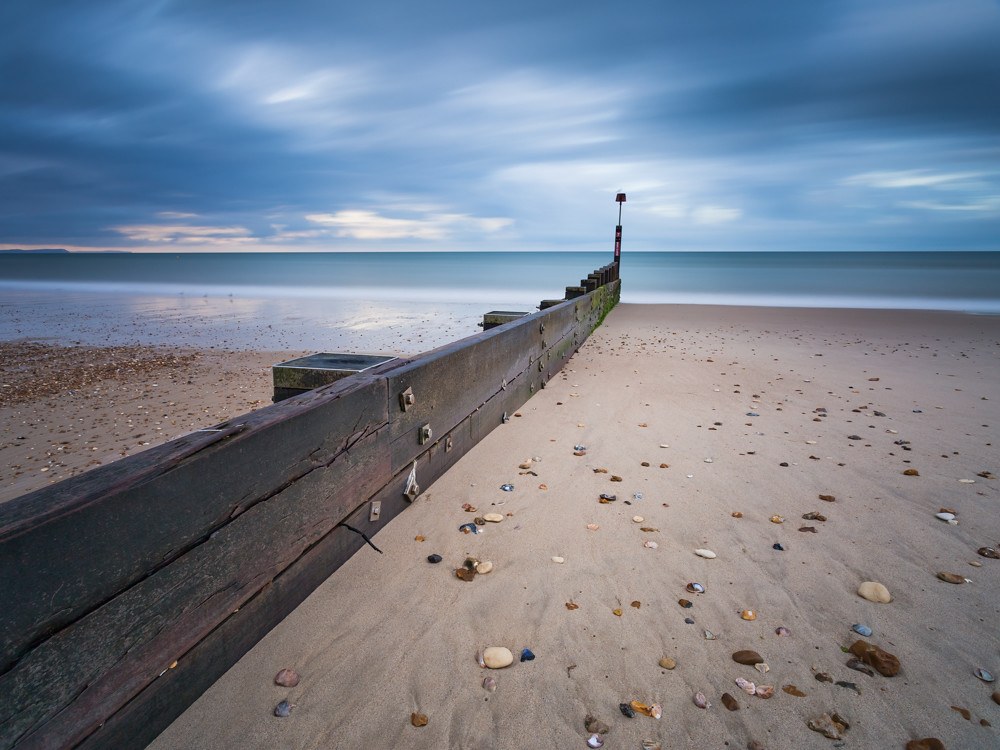
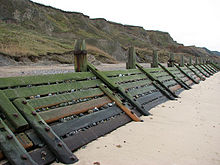
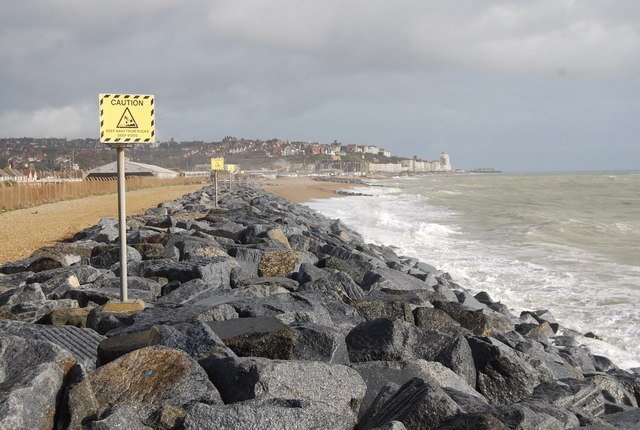
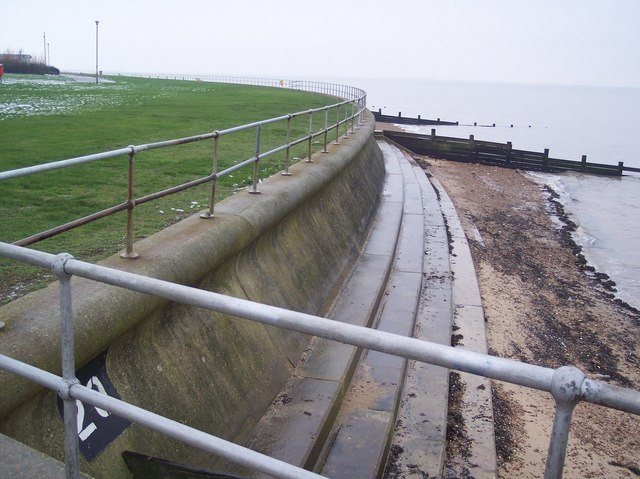
Identify the groyne
Identify the rock armour
Sea walls require maintenance and are not good for wildlife.
True
False

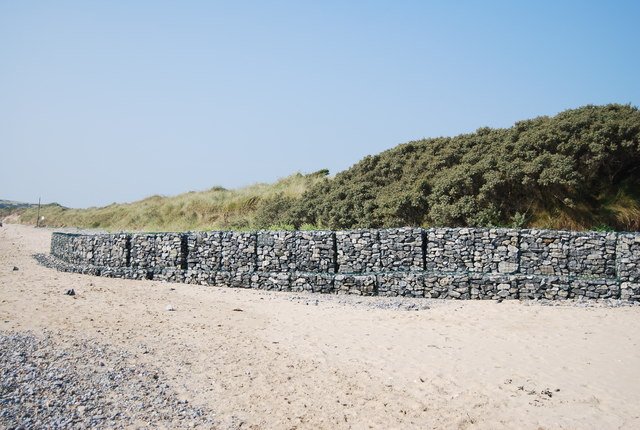
What sea defence is shown in the picture?
Groynes
Sea wall
Rock Armour
Gabions
Groynes can change ...
Beach width
Beach height
Groyne length
4. Why do some people disagree with hard engineering?
It prevents erosion
It looks unnatural
It can boost tourism
2. The hard engineering strategy which stops longshore drift is...
Sea walls
Rock armour
Groynes
Gabions
The 2 world view categories that most world views fit into are...
Human-centred & Animal-centred
Environmental & Social
Earth-centred & Economic-centred
Human-centred & Earth-centred
Climate Change is...
When the climate changes naturally over time.
When the greenhouse effect is exacerbated by the burning of fossil fuels, as well as other naturally occurring events.
When it is sunny in the morning and rains later in the day.
When the ocean heats up and causes the melting of icecaps, flooding, and damage to ocean life.

What is the 4-figure area reference (AR) for the caravan?
1632
1631
3116
1531

What is the 4-figure GR for the letter B?
1531
1432
1530
1431

What is the 4-figure area reference (AR) for the letter D?
3117
173317
1731
1832


What is the golden rule for finding a Grid Reference?
Never eat soggy worms.
eastings followed by northings.
northings followed by eastings
Eastings before bee-stings.
Four-figure grid reference is found in the:
top left corner of a square
bottom left corner of a square
top right corner of a square
bottom right corner of a square
The horizontal lines in a grid are known as...
Eastings
Northings
What does ecological footprint measure?
How quantity of natural resources humans need compared to the earth's capacity to provide those resources
The size of cities across the world
The amount of fossil fuels that are burned for energy
The shoe size of the average human

What kinds of resources make up your ecological footprint?
waste production
water and energy use
food and shelter
clothing and transportation
All of the above
What is responsible for creating most of the waves in the ocean?
Movements of large sea creatures deep down
Container ships carrying goods between continents
The gravitational pull of the moon
The frictional contact of winds blowing over the ocean
Which of the following does NOT influence the strength / energy of a wave?
The distance the wave traveled before it hit land
Whether it breaks on a sandy or stony beach
The strength / speed of the wind that created it
The length of time the wind blew for
What is this the definition of?
"Where water and air are forced into cracks in the cliff face, exerting pressure and breaking it apart"
Hydraulic action
Abrasion
Saltation
Attrition
What is hydraulic action?
The weight and impact of water against the coastline which cause cracks/caves to form.
The way a coastal feature transitions into a new feature
The time it takes for erosion to occur
The way a wave moves up the beach and interacts with the coastline.
Abrasion occurs when:
Little rocks get picked up by the waves and smashed on to the cliffs
Small rocks are smashed against each other, making smaller rocks.
Chemicals in the sea water dissolve the rocks
At low tide when animals enter the coastal environment.
Corrosion occurs when?
Little rocks get picked up by the waves and smashed on to the cliffs
Small rocks are smashed against each other, making smaller rocks.
Chemicals in the sea water dissolve the rocks
At low tide when animals enter the coastal environment.
Attrition occurs when:
Little rocks get picked up by the waves and smashed on to the cliffs
Small rocks are smashed against each other, making smaller rocks.
Chemicals in the sea water dissolve the rocks
At low tide when animals enter the coastal environment.
What wave type is associated with erosion?
Constructive Waves
Destructive Waves
Radio Waves
Polar Waves
What wave type is associated with deposition?
Constructive Waves
Destructive Waves
Radio Waves
Polar Waves
The main idea of sustainability is to act responsibly so that the resources on the planet will be able to _____________many generations to come.
feed
wipe out
support
clothe
Sustainability is making sure that the planet and its resources can continue to provide life.
True
False
Identify the ecosystem service in this statement:
"Wetlands filter water and slow floodwaters
Forests absorb carbon dioxide and produce oxygen."
Source
Sink
Spirituality
Service
Identify the ecosystem service in this statement: "Micro-organisms in oceans break down oil spills."
Source
Sink
Service
Spirituality
"Mineral deposits" refer to which type of ecosystem service?
Source
Sink
Service
Spirituality
Which "challenge to sustainability" does the following statement describe? "Increasing population has increased the demands humans place on our planet."
Population growth
Climate change
Exploited oceans
Which "challenge to sustainability" does the following statement describe?
"A process in which the value of the biophysical environment is affected by a combination of human-induced processes acting upon the land."
Land degradation
Energy use
Habitat loss
Pollution
Which of the following is NOT a reason why coastal environments important?
Breeding grounds
Buffer zones
Political stability
Cultural importance
Which of the following is NOT a human impact on coasts?
Pollution
Increased erosion due to developments
Removal of coastal ecosystems (e.g. mangroves)
Dune revegetation
Eutrophication
What is a disadvantage of groynes?
They stop the process of longshore drift and so they stop sediment from reaching beaches further down the coast.
They don't last very long
They involve the loss of land
What is a major environmental benefit for sand dune regeneration?
Sand dune protect land uses behind them, allowing housing to be protected.
Small planting projects often use volunteer labour and local grass so costs are kept down.
Dune regeneration create a habitat for warblers, night jars and sand lizards.
A nourished beach blends in with the environment

What is the dumping of new sand onto an eroded beach to restore it?
barrier island
beach nourishment
dredging
jetty
What is the main disadvantage of a sea wall?
Aesthetically displeasing
Encourages tourism, and thus litter
Creates strong backwash, causing erosion beneath the wall
Expensive
Which of the following is considered a "natural feature" on a topographic map?
Swimming pool
Quarry
Golf course
Lake
Which of the following can be described as a "cultural feature" on a topographic map?
Rainforest
Mountain
Vineyard
River delta

