wayground logo

Free Printable Worksheets

NEW

Font size

S
M
L
XL
Worksheets

Body systems for surf lifesaving

Total questions: 71

Worksheet time: 48mins

Name
Class
Date
1.

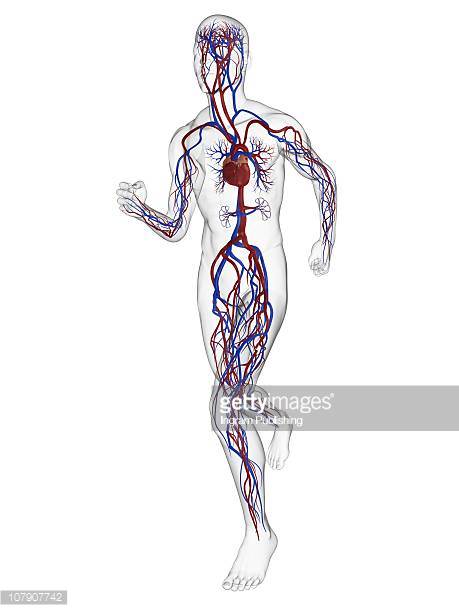
What is the circulatory system?

a)

A system where the lymph is carried around the body

b)

A system where the skin is looked after

c)

The system that carries blood and gases around the body

d)

All of the above

2.

What is the main organ of the circulatory system?

a)

small intestine

b)

bone

c)

lungs

d)

heart

3.

Arteries carry oxygen rich blood away from the heart.

a)

True

b)

False

4.

Veins carry oxygen poor blood back to the heart.

a)

False

b)

True

5.

The job of the heart is to . . .

a)

pump blood around the body.

b)

send food to the small intestines.

c)

break down food.

d)

give energy to the body.

6.

The heart is about the size and shape of your . . .

a)

head

b)

fist

c)

hand

d)

foot

7.
______________ are the smallest blood vessels.
a)
Arteries
b)
Veins
c)
Capillaries
8.
The circulatory system works with the ___________ system to provide our body with oxygen.
a)
respiratory
b)
digestive
c)
muscular
d)
skeletal
9.
The main function of the circulatory system is 
a)
To give the body structure and support
b)
Excrete waste
c)
transport blood, nutrients, and gases throughout the body
d)
to transport messages from the body to the brain
10.

The FREQUENCY of heart contractions is...

a)

heart rate

b)

blood pressure

c)

respiratory rate

d)

voluntary muscle contraction

11.
What is the Circulatory System also known as?
a)
The heart
b)
Cardiovascular System
c)
Nervous System
d)
Aorta
12.

The bones at the end of our fingers and toes are known as _______________.

a)

Tarsals

b)

The phalanges

13.

The scientific name for the skull is the _____________.

a)

Cranium

b)

Zygomatic process

14.

The scientific name of the collar bone is the ____________.

a)

Scapula

b)

Clavicle

15.

The shoulder and hip are ball and socket joints.

a)

True

b)

False

16.

The forearm bone closest to the thumb is the __________.

a)

Ulna

b)

Radius

17.

Examples of a hinge joint are the elbow and knee.

a)

True

b)

False

18.

What bone is highlighted?

a)

Radius

b)

Ulna

c)

Humerus

d)

Carpals

19.

What bone is highlighted?

a)

Radius

b)

Ulna

c)

Humerus

d)

Carpals

20.

What bone is highlighted? (hint: inside of your leg)

a)

Tibia

b)

Fibula

c)

Femur

d)

Humerus

21.

What bone is highlighted?

a)

Skull (Mandible)

b)

Clavicle

c)

Mandible

d)

Scapula

22.
What is the place where two bones meet?
a)
hinge
b)
bone
c)
spot
d)
joint
23.
Which mineral makes up our bones?
a)
Calcium
b)
Vitamin D
c)
Blood Cells
d)
Bone Marrow
24.
Name this bone.
a)
patella
b)
phalange
c)
femur
25.

I have circled, in red, a region of the torso. What would you call the bones inside these circles?

a)

Ribs

b)

Sternum

c)

Clavicle

d)

Mandible

26.

What bone is highlighted?

a)

Vertebrae

b)

Femur

c)

Cranium

d)

Ribs

27.

What is the largest and strongest bone in the body?

a)

skull

b)

vertebrae

c)

femur

d)

ribs

28.

What is the purpose of the rib cage?

a)

Helps us to think

b)

make blood for the body

c)

Protects our brain

d)

Protects our vital organs like heart and lungs

29.

Which of the following is the biggest lymphatic organ?

a)

Tonsils

b)

Spleen

c)

Thymus

d)

Peyers patch

30.

Which of the following is a thin watery fluid, composed of intercellular fluid?

a)

Lymph

b)

Lymph capillaries

c)

Lymph vessels

d)

Lymph nodes

31.

Which of the following carry lymph from tissues?

a)

Lymph

b)

Lymphocytes

c)

Lymph vessels

d)

Lymph nodes

32.

Which of the following are popularly called lymph glands?

a)

Lymphatic capillaries

b)

Lymphatic vessels

c)

Lymph nodes

d)

Lymph

33.
A soft tissue inside the bone that produces blood cells
a)
immune cells
b)
lymph nodes
c)
spleen
d)
bone marrow
34.
Which of the following cells are responsible for fighting diseases? 
a)
White Blood Cells
b)
Red Blood Cells
35.
A soft tissue inside the bone that produces blood cells
a)
immune cells
b)
lymph nodes
c)
spleen
d)
bone marrow
36.
What is the purpose of antibodies?
a)
To pump lymph through the vessels
b)
To create lymph
c)
To fight infection
d)
To remove old red blood cells
37.
a dome shaped sheet of muscle, the _________, separates the chest from the abdomen
a)
diaphragm
b)
epiglottis
c)
alveoli
d)
bronchial tubes
38.
healthy _____ are usually pink in color. You have two of these.
a)
alveoli
b)
epiglottis
c)
lungs
d)
trachea
39.
cleans, moistens, and warms the air
a)
trachea
b)
larynx
c)
nasal passage
d)
windpipe
40.
a flap of tissue that closes when we eat so food doesn't not go down the trachea
a)
larynx
b)
pharynx
c)
trachea
d)
epiglottis
41.
known as the voice box
a)
windpipe
b)
larynx
c)
pharynx
d)
epiglottis
42.
the gas known as _______ is needed to stay alive and properly.
a)
oxygen
b)
carbon dioxide
c)
nitrogen
d)
helium
43.
What is breathed out from our mouth and nose?
a)
carbon dioxide
b)
oxygen
c)
nitrogen
d)
helium
44.

a condition where the alveoli is infected

a)

cystic fibrosis

b)

pneumonia

c)

asthma

d)

emphysema

45.
an inflammation in the bronchial tubes that causes a person to have a nagging cough
a)
bronchitis
b)
emphysema
c)
pneumonia
d)
cystic fibrous
46.
What is the main bone structure that protects the lungs
a)
Vertebrae
b)
Rib cage
c)
Skull
d)
Pelvis
47.
The left lung has three lobes and the right lung has two. 
a)
True
b)
False
48.
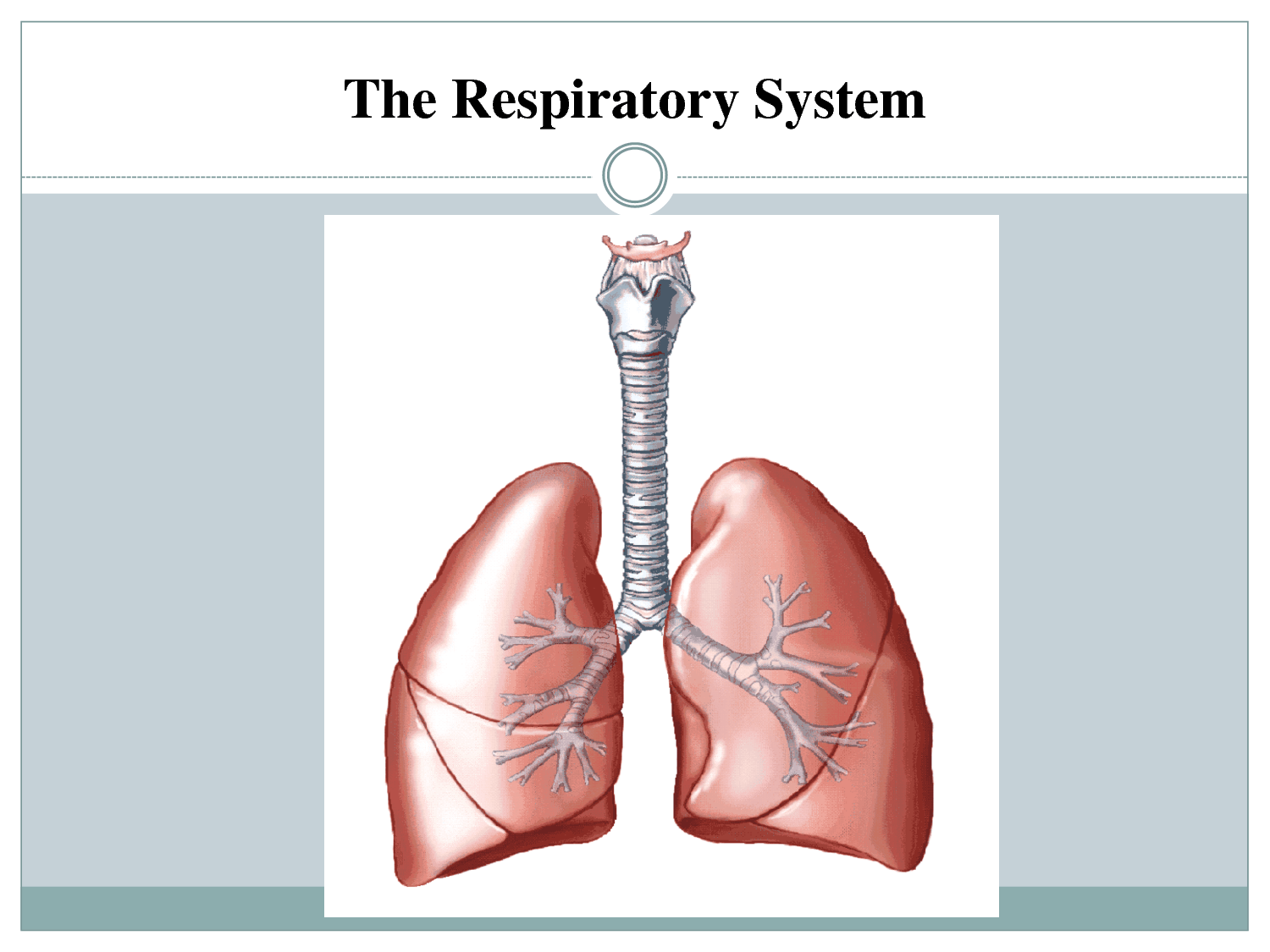
What is the main function of the respiratory system?
a)
to provide oxygen and remove carbon dioxide from the body
b)
to bring oxygen to the body
c)
to break down food and absorb nutrients
d)
to remove oxygen from the body and deliver carbon dioxide
49.
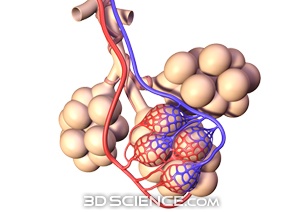
The air sacs that are covered with capillaries where gas exchange takes place
a)
bronchi
b)
lungs
c)
oxygen
d)
alveoli
50.
What is the central nervous system (CNS) made of?
a)
brain and spinal cord
b)
brain and cranial nerves
c)
spinal cord and spinal nerves
d)
cranial nerves and spinal nerves
51.

The part of the body that integrates the information it receives from all over the body in order to make decisions is called the __________________

a)

peripheral nervous system

b)

sympathetic nervous system

c)

central nervous system

d)

parasympathetic nervous system

52.

Which body system coordinates all of the systems by controlling every activity that takes place?

a)

The Nervous System

b)

The Digestive System

c)

The Endocrine System

d)

The Circulatory System

e)

The Immune System

53.

Which organ is represented by letter B?

a)

Brain

b)

Spinal Cord

c)

Nerves

54.

Which organ is represented by letter A?

a)

Brain

b)

Spinal Cord

c)

Nerves

55.

Which organ is represented by letter C?

a)

Brain

b)

Spinal Cord

c)

Nerves

56.

The Nervous System is divided into two parts called

a)

The Central Nervous System & The Peripheral Nervous System

b)

The Central Nervous System & The Paradigm Nervous System

c)

The Corollary Nervous System & The Paradigm Nervous System

d)

The Corollary Nervous System & The Peripheral Nervous System

57.

Digestion, Heartbeat, and Reflexes are examples of

a)

Voluntary Processes

b)

Involuntary Processes

58.

Speaking, Running, and Karate Chopping are examples of

a)

Voluntary Processes

b)

Involuntary Processes

59.

The Brain is made of a large mass of

a)

Muscular Tissue

b)

Neurons

c)

Red Blood Cells

d)

While Blood Cells

e)

Glands

60.

Identify what part of the digestive system is described in the following statement below.

"Stores food, and mixes it with gastric acid."

a)

Oesophagus

b)

Stomach

c)

Rectal Cavity

d)

Oral Cavity

61.

Recall what mechanical digestion is.

a)

Where you replace part of your digestive tract with complex machinery

b)

The act of drinking special chemicals after a meal to aid your digestion

c)

The process of physically breaking up food into smaller pieces

d)

The process of converting large complex food molecules into simpler molecules

62.

What type of digestion takes place in the stomach?

a)

mechanical

b)

chemical

c)

both mechanical and chemical

63.
Which type of digestion is this an example of?
Amylase in saliva breaks down the food
a)
chemical digestion
b)
mechanical digestion
64.
What main food group do we get most of our energy from?
a)
proteins
b)
carbs
c)
meats
d)
nucleic acids
65.
What organ makes bile?
a)
Gallbladder
b)
Liver
c)
Pancreas
d)
Appendix
66.
A substance such as a fat, a protein, or a carbohydrate that a living thing needs to survive.
a)
saliva
b)
carrots
c)
nutrients
d)
minerals
67.
Provides additional enzymes(pancreatic juice) to help nutrients get absorbed by the small intestine.
a)
liver
b)
kidneys
c)
gall bladder
d)
pancreas
68.
Water is absorbed in which digestive organ?
a)
large intestines
b)
pancreas
c)
small intestines
d)
liver
69.
A major function of skin is protection from:
a)
Abrasion
b)
UV light 
c)
Entry of microorganisms
d)
All of the above 
70.
Which is NOT a function of the skin?
a)
Insulation
b)
Movement
c)
Excretion
d)
Vitamin D Production
71.
What is the top layer of the skin called?
a)
Dermis
b)
Hypodermis
c)
Epidermis
d)
Subcutaneous