
NEW
Font size
 Worksheets
Scientific Method, Measurement, and Lab Safety Review 1
Total questions: 45
Worksheet time: 24mins
The information you collect while doing your experiment is called
conclusions
data
hypotheses
procedures
The variable that is being measured or observed is called the _______________. Hint: this is the variable that is the result or effect
independent variable
dependent variable
control variable
What is a constant/control in an experiment?
Things that do not change in an experiment. It's the variable(s) that stays the same.
It's the variables that the scientist changes in the experiment
It's the variables that are being measured in an experiment
How many independent variables should you have in an experiment?
two
as many as possible
four
one

What is the dependent variable of the graph?


Josie was performing an experiment where she grew the same kind of tomatoes in the same soil and amount of water. She sat one in the sun and one in a closet for 14 days. What is the independent variable?
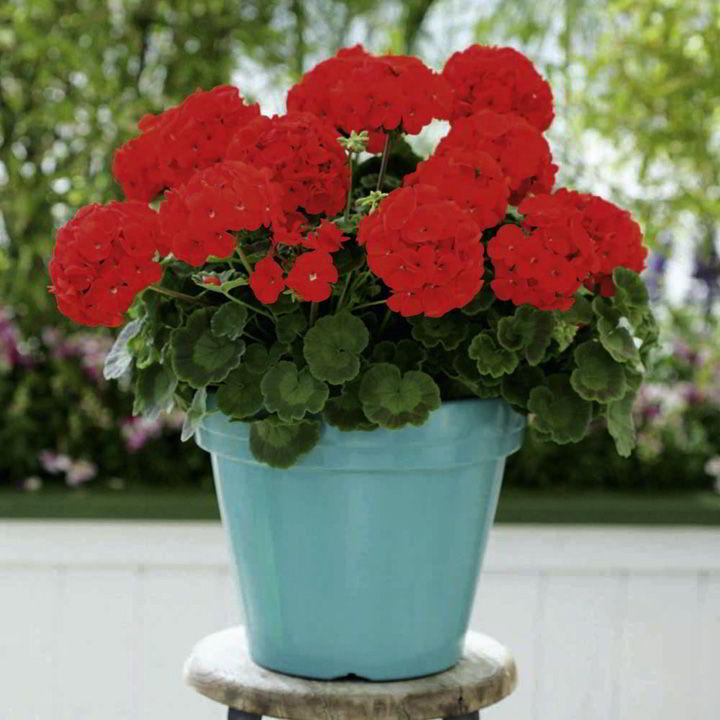
Susan said, “If I fertilize my geranium plants, then they will have more flowers.”
recognize a problem
test the hypothesis with an experiment
form a hypothesis
draw conclusions
A testable explanation to a problem. A probable solution.
conclusion
Observations
On what axis should the dependent variable always be?


At what temperature did bread mold the slowest?
20
40
60
80
I want to know if low strength bleach, medium strength bleach, or maximum strength bleach will get Heinz ketchup stains out of white T-shirts the best. What is the variable in this experiment?
the type of stain
the strength of the bleach
the color of shirt
the brand of ketchup
For a graph, we need
A title
Axis labelled with units
Independent variable on x-axis, dependent on y-axis
All of the above

instrument for measuring precise fluid volumes
graduated cylinder
beaker
Erlenmeyer Flask
instrument used to measure temperature or temperature change
beaker
glass stirring rod
thermometer

a narrow-necked glass container used in a laboratory to hold liquids
Beaker
graduated cylinder
Erlenmeyer Flask

a form of protective eyewear that usually enclose or protect the area surrounding the eye
funnel
lab glasses
contact lenses

slender tube attached to a bulb, used for transferring or measuring out small quantities of liquid, especially in a laboratory
pipette
graduated cylinder
beaker
water squirter

What is used to measure (but not precise), heat, and mix large amounts of liquids?
beaker
flask
test tube
graduated cylinder

What equipment allows you to measure liquid volume and measured in milliliters?
test tube
beaker
flask
graduated cylinder
What tool measures length?
graduated cylinder
metric ruler
triple-beam balance
thermometer
scale/balance
A graduated cylinder best measures...
the mass.
the amount of space a liquid occupies.
the temperature.
the length.
What did I measure if I record that something was 25 kg?
Mass is
The amount of space in an object
The weight of an object
The amount of matter in an object
The amount of space and matter an object contains
Volume is

Report any accidents to your teacher ______________.
later
immediately
tomorrow
October 13th

You cut your finger during a lab experiment. The first course of action is to...
Visit the school nurse after class
See a doctor after school
Tell the teacher at once
Apply first aid yourself

The proper technique for smelling chemicals is ______________
keeping your nose close to the glassware
wafting
to sniff only a small amount
Trick question; you never are allowed to smell chemicals in class

Where should you dispose of any waste materials after the lab is over?
Garbage
In the appropriate waste container as directed by the teacher
Down the drain
You are heating a substance in a test tube. Always point the open end of the test tube ________.
Toward yourself.
Toward your lab partner.
Toward another classmate.
Away from all people.
A carefully planned experiment SHOULD contain
a singel set of independent and dependent variables
a control set up
an experimental set up
All of these

