
 Worksheets
Rocks & Minerals Common Assessment Review
Total questions: 75
Worksheet time: 38mins
Which of the following is NOT a characteristic a mineral must have to be called a mineral


For a science experiment, a student rubs a mineral against a porcelain plate. The student has just performed
an acid test.
a streak test.
a hardness test.
a fracture test.
Rocks are composed of different kinds of
soils.
sands.
minerals.
water crystals.
Minerals can be identified according to their properties. Alan finds a mineral that is shiny. In which category does Alan's mineral belong?
Cleavage
Hardness
Metallic
Nonmetallic
Which property is not a very good indicator in identifying a mineral?
hardness
color
luster
streak
Which of the following is NOT a characteristic of minerals.
organic
solid
definite crystal structure
naturally formed
Which is NOT a way to identify a mineral?
Color
Luster
Boiling point
Hardness
The color of a mineral's powder
hardness
streak
luster
density
The way a mineral's surface reflects light is called its
streak
color
luster
cleavage
The property that refers to the way some minerals break along certain lines of weakness in their structure is
luster
cleavage
streak
How a mineral breaks apart when it does NOT split evenly is known as
streak
cleavage
fracture
luster
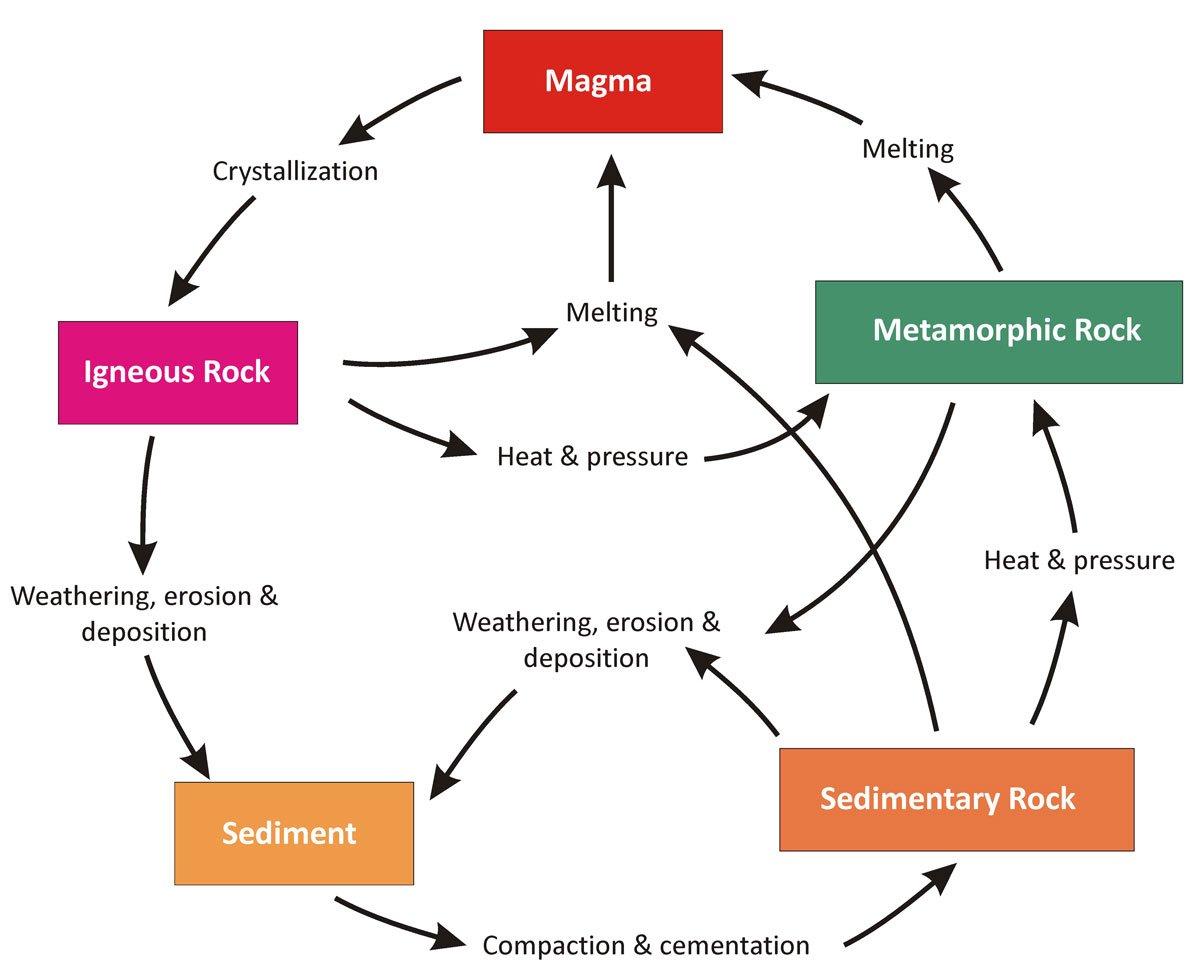
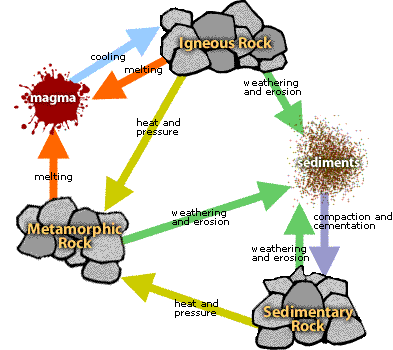


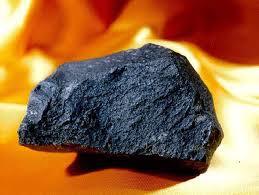

This rock was formed when molten rock cooled into a solid. What type of rock is it?
Igneous Rock
Metamorphic Rock
Sedimentary Rock
Rocks are different from minerals because
Rocks are organic
Rocks are made of minerals
Minerals are rocks
Rocks are not naturally occuring
Which is not a type of rock?
Igneous
Sedimentary
Vitreous
Metamorphic
Igneous rocks are formed from
magma and lava cooling off
other rocks being changed by temperature and pressure
pieces of rock and other solids getting cemented together over time
other rocks breaking
Sedimentary rocks are formed from
magma and lava cooling off
other rocks being changed by temperature and pressure
pieces of rock and other solids getting cemented together over time
other rocks breaking
What two intense things help form metamorphic rocks?
Temperature
Density
Pressure
Volume

This type of rock has holes in it because cooling lava traps pockets of gas.
Igneous
Sedimentary
Metamorphic

This rock will often have straight bands of different materials that press together over time.
Igneous
Sedimentary
Metamorphic

Intense heat and pressure cause this rock's appearance to become distorted and wavy. The new rock is classified as
Igneous
Sedimentary
Metamorphic

This type of rock can include shells or fossils!
Igneous
Sedimentary
Metamorphic
If rocks are like pizza, then the toppings could be considered
the minerals that make up rocks
the different ways of forming rocks
the chemical composition of minerals
In which type of rock might you see a fossil?
Marble
Igneous rock
Metamorphic rock
Sedimentary rock
How are metamorphic rocks created?
Cooling and crystallizing as it moves away from the core
Formed from pieces of other rock
None of these options are correct.
Heat and pressure as they move toward the core

Conglomerate forms from pebbles that are cemented together. Which type of rock is this?
Igneous
Sedimentary
Metamorphic
Gneiss is a rock that forms from high pressure and temperatures. What type of rock is this?
Igneous
Sedimentary
Metamorphic
Obsidian forms when lava cools rapidly. What type of rock is this?
Igneous
Sedimentary
Metamorphic
Granite forms from the slow crystallization of magma below Earth's surface.
Igneous
Metamorphic
Sedimentary

